Is Mapo Tofu Spicy? Understanding the Heat Level of This Popular Sichuan Dish
Mapo Tofu is indeed a spicy dish, known for its bold, numbing heat that comes from Sichuan peppercorns and chili bean paste. This fiery combination creates the dish's signature kick, which can range from moderate to very strong depending on the recipe and preparation.
The spiciness of Mapo Tofu comes from specific ingredients traditionally used in Sichuan cuisine, making it a dish celebrated for its distinctive balance of heat and flavor. It’s not just about being hot; the unique numbing sensation that accompanies the spice is a hallmark of authentic Mapo Tofu.
In this article, you'll learn about what contributes to the heat in Mapo Tofu, how it fits within Sichuan spicy dishes, variations in spiciness levels, and tips for enjoying or adjusting the spice to your preference.
Origins and Ingredients Behind Mapo Tofu's Spiciness

Traditional Ingredients That Add Heat
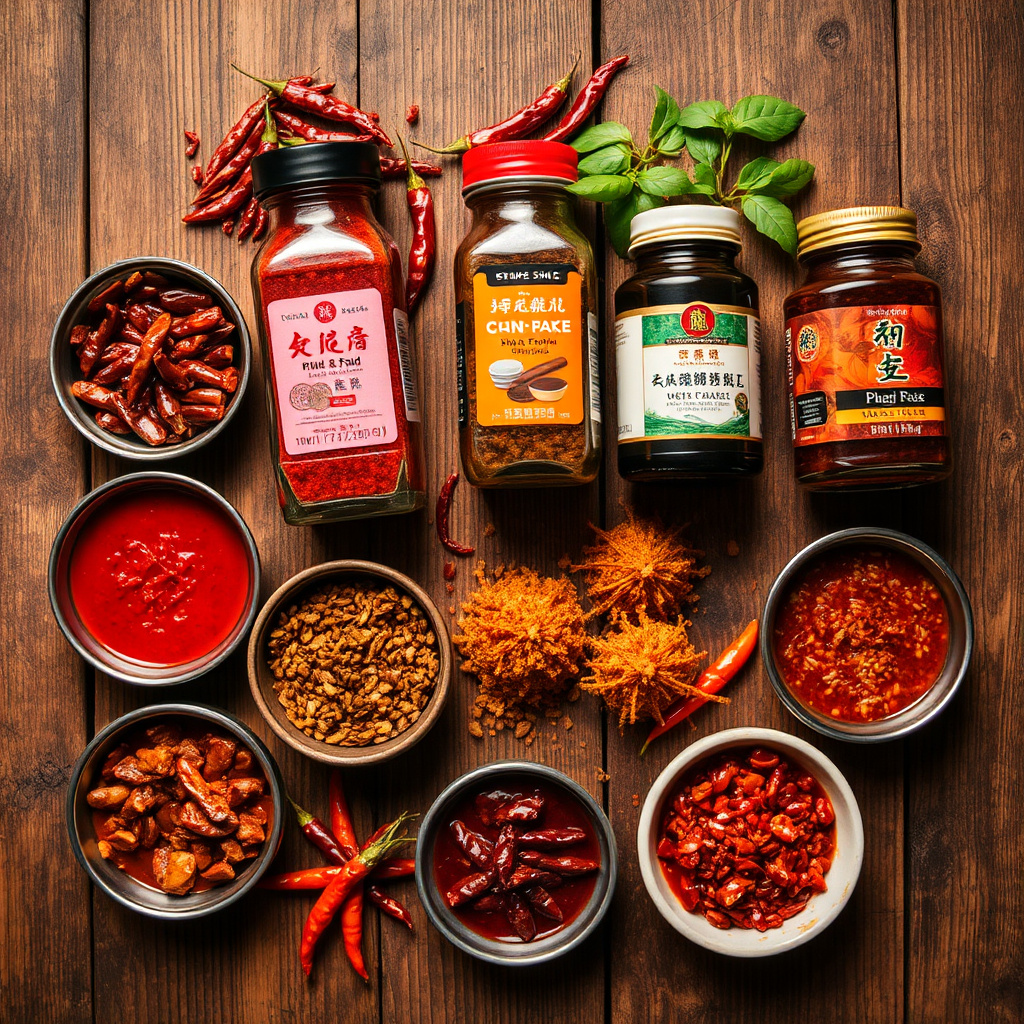
The key contributors to Mapo Tofu’s spicy character are doubanjiang—a fermented broad bean and chili paste—and Sichuan peppercorns. Doubanjiang provides a deep, earthy chili heat while Sichuan peppercorns add a distinctive numbing sensation, known as mala, that tingles the tongue.
Other ingredients like garlic, ginger, and chili oil enhance the dish’s intensity. The combination not only creates heat but layers it with complex flavors unique to Sichuan cuisine.
How the Cooking Method Influences Spice Levels
The amount of chili paste and peppercorns added, as well as cooking time, affects the final spiciness. Stir-frying the ingredients with oil extracts and intensifies the spicy compounds, making the dish pungent and flavorful.
Adjusting the balance of chili and peppercorns can create either a milder or extremely hot dish, allowing cooks to modify the spiciness according to taste.
Types of Spicy Flavors in Sichuan Cuisine
Understanding Mala: The Signature Sichuan Spice
Mala is the combined sensation of heat (from chili) and numbness (from Sichuan peppercorns). It’s a defining characteristic of many Sichuan dishes, including Mapo Tofu, creating a unique sensory profile rarely found in other cuisines.
This dual sensation engages both the pain and touch receptors in the mouth, giving the food a layered spiciness that is more than simple heat.
For more on this, see our related guide: How to Cook Tofu: Essential Methods for Perfect Texture and Flavor.
Comparing Mapo Tofu to Other Spicy Sichuan Dishes
While Mapo Tofu features strong mala flavors, other dishes like Kung Pao Chicken and Chongqing hotpot also showcase varying levels of heat and numbing qualities. Mapo Tofu is often considered medium to high on the spiciness scale due to the balance of ingredients.
The chili and peppercorn intensity in Mapo can be tuned more easily in home kitchens, making it a versatile dish within the spectrum of Sichuan cuisine spicy dishes.
Variations of Mapo Tofu and Their Spice Levels

Regional Takes Affecting Spiciness
Some regional versions reduce chili or peppercorn quantities to create a milder taste, whereas others, particularly in Sichuan’s capital Chengdu, are fiery and mouth-tingling. These differences stem from local preferences and ingredient availability.
Restaurants outside China may also alter spice levels for international palates, producing a less intense Mapo Tofu compared to authentic recipes.
Homemade Adjustments for Spice Sensitivity
When making Mapo Tofu at home, cooks often adjust chili paste and peppercorn amounts to suit family preferences. Adding sugar or doubling the amount of tofu can help balance or reduce perceived heat.
Dairy ingredients like yogurt or milk are not traditionally used but can provide relief if the heat feels overwhelming.
How to Enjoy Mapo Tofu If You’re Sensitive to Spice

Pairing Mapo Tofu with Cooling Foods
Eating Mapo Tofu with plain steamed rice or cooling vegetables reduces the overall perception of heat. Rice absorbs the chili oils and numbing compounds, which helps balance each bite.
Side dishes like cucumber salad or chilled tofu dishes can contrast with the mapo’s spiciness and offer cooling relief.
For more on this, see our related guide: How to Make Mapo Tofu: Authentic Recipe and Step-by-Step Guide.
Modifying Spice in Restaurant Orders
Many Chinese restaurants allow diners to specify spice level preferences. Asking for less chili or mild Mapo Tofu can deliver the flavors with controlled heat if you're wary of strong spice.
Restaurants sometimes offer alternatives like ground black pepper replacing Sichuan peppercorns, which reduces numbness while keeping some warmth.
Health Aspects of Spicy Mapo Tofu

Spice Effects on Digestion and Metabolism
Spices like chili can stimulate metabolism and improve digestion, potentially aiding hunger control. Sichuan peppercorns are known for releasing endorphins and offering a mild analgesic effect.
However, for people with sensitive stomachs or acid reflux, the intense spices in Mapo Tofu might cause discomfort, so moderation or avoidance is recommended.
For further information about Mapo Tofu’s history and regional variants, see Mapo tofu on Wikipedia. Mapo tofu on Wikipedia.
Nutritional Profile of Mapo Tofu
Mapo Tofu combines protein-rich tofu with chilies and spices that contain antioxidants. It’s relatively low in calories but high in flavor compounds that may support cardiovascular health in moderate amounts.
Excessive consumption of highly spicy foods, especially with oil-heavy recipes, could offset these benefits, so balance is key.
Mapo Tofu Spice Level Variations Compared
Here’s a quick comparison of common Mapo Tofu spice profiles and how their key ingredients differ in heat and numbness.
| Category | Chili Paste Level | Sichuan Peppercorn Level | Spice Intensity | Typical Heat Description |
|---|---|---|---|---|
| Authentic Sichuan Style | High | High | Very High | Fiery with strong numbing sensation |
| Milder Sichuan Versions | Medium | Medium | Moderate | Warm with mild numbness |
| Western Adaptations | Low | Low to None | Mild | Light heat without numbing |
| Home-style with Reduced Spice | Low | Medium | Moderate | Balanced heat and flavor |
| Street Food Variants | High | Variable | High | Spicy and aromatic with fresh peppercorn kick |
Frequently Asked Questions
Is Mapo Tofu always spicy?
Traditionally, Mapo Tofu is always spicy due to its essential ingredient doubanjiang and Sichuan peppercorns, but spice levels can be adjusted to create milder versions.
What makes Mapo Tofu spicy?
The spicy flavor primarily comes from chili bean paste (doubanjiang) and the numbing Sichuan peppercorns, together creating the dish's signature mala heat.
Can I make Mapo Tofu less spicy at home?
Yes, reducing or omitting chili paste and Sichuan peppercorns, using less oil, and adding more tofu or sugar can lower the spiciness in homemade versions.
What does mala mean in cuisine?
Mala means a combined spicy and numbing sensation, characteristic of Sichuan dishes that use chili peppers and Sichuan peppercorns.
Is Mapo Tofu spicy for everyone?
Spiciness perception varies, but most people will find authentic Mapo Tofu noticeably spicy due to its chili and peppercorn content.
Key Takeaways
- Mapo Tofu’s spiciness comes from chili bean paste and Sichuan peppercorns.
- The dish features a unique ‘mala’ combination of heat and numbing flavors.
- Spice levels can vary widely by region and individual recipe.
- Serving with rice or mild sides helps balance the heat for sensitive eaters.
Conclusion
Understanding whether Mapo Tofu is spicy depends on recognizing its signature use of chili bean paste and Sichuan peppercorns which deliver both heat and a numbing mouthfeel. This combination gives Mapo Tofu its unmistakable mala flavor profile, which is intense but also layered with savory richness. Knowing the origin and ingredient roles helps you decide if this dish fits your spice tolerance or if adjustments should be made when ordering or cooking at home.
For those interested in experiencing authentic Sichuan cuisine spicy dishes, trying a traditional Sichuan-style Mapo Tofu is worthwhile to appreciate the full spectrum of flavors and sensations. If you prefer less intensity, milder variations or Western adaptations offer the dish’s essence with lighter heat. Either way, Mapo Tofu remains a standout that showcases the bold culinary character of Sichuan cooking.
If you want to try Mapo Tofu but are wary of spiciness, start with a milder version and pair it with plain rice or cooling sides to ease the heat. For home cooks, adjusting the levels of chili paste and Sichuan peppercorns allows flexible spice control. This approach helps you enjoy the dish’s delicious depth while managing the strength of its fiery components.




One Comment