How Many Calories Are in Orange Chicken? Nutritional Breakdown Explained
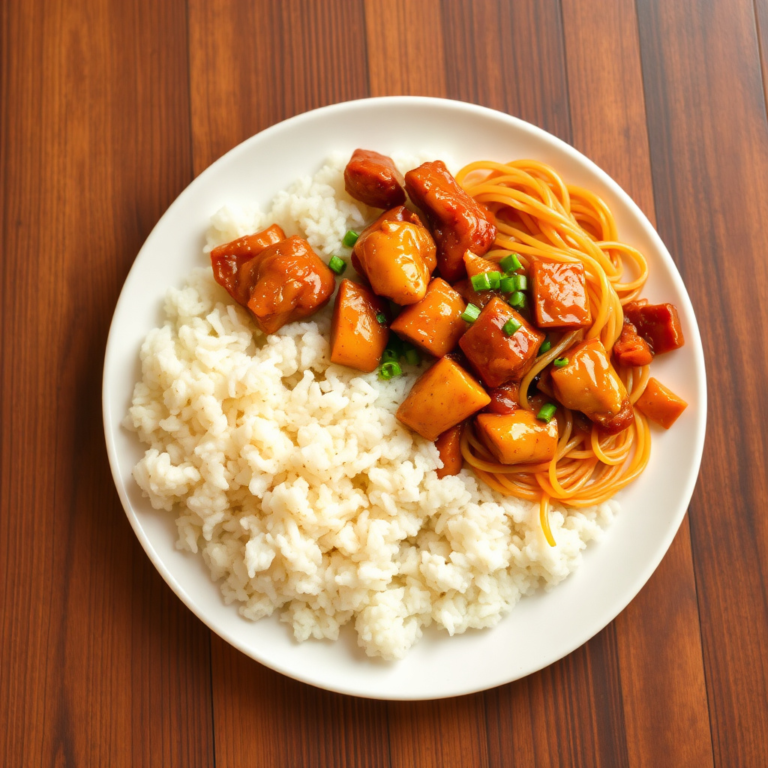
Orange chicken typically contains between 300 to 500 calories per serving, depending on the portion size and preparation method. This calorie range covers a standard restaurant portion of about one cup or 150–200 grams of orange chicken with sauce. Factors like batter thickness, frying method, and sauce amount can cause notable variations in calories.
Understanding the calorie content in orange chicken matters because it's often enjoyed as a flavorful yet indulgent dish. Knowing the calories helps balance your daily intake and make informed dietary choices when eating Chinese takeout or cooking at home. Orange chicken provides protein but can be high in sugar and fat due to its sauce and frying.
This article will explore what contributes to the calories in orange chicken, compare popular restaurant versions, explain nutritional components such as fat and carbs, and offer tips to reduce calories while keeping the taste you enjoy.
Calories in Orange Chicken: Key Components

How Protein and Batter Affect Calories
The chicken itself offers lean protein, typically around 150–200 calories per 4-ounce portion. However, the batter coating adds extra calories through flour, cornstarch, and sometimes sugar. This batter is usually deep-fried in oil, which further increases the calorie count.
Frying can add 50 to 100 calories or more depending on oil absorption. The crispiness comes at a calorie cost, and thicker batter layers absorb more oil, pushing the total calories higher compared to grilled or baked chicken options.
Sugar and Fat in the Orange Sauce
The sweet orange sauce is a significant calorie source due to added sugars like corn syrup and sugar. One serving of sauce may contain 60–120 calories, mostly from sugar, increasing carbohydrate intake substantially.
The sauce may also include some oil or butter for texture, contributing to fat calories. The combination of sugar and fat in the sauce makes even a small amount contribute a sizable portion of the total calories in orange chicken.
Comparing Orange Chicken Calories Across Popular Restaurants
Standard Restaurant Portions
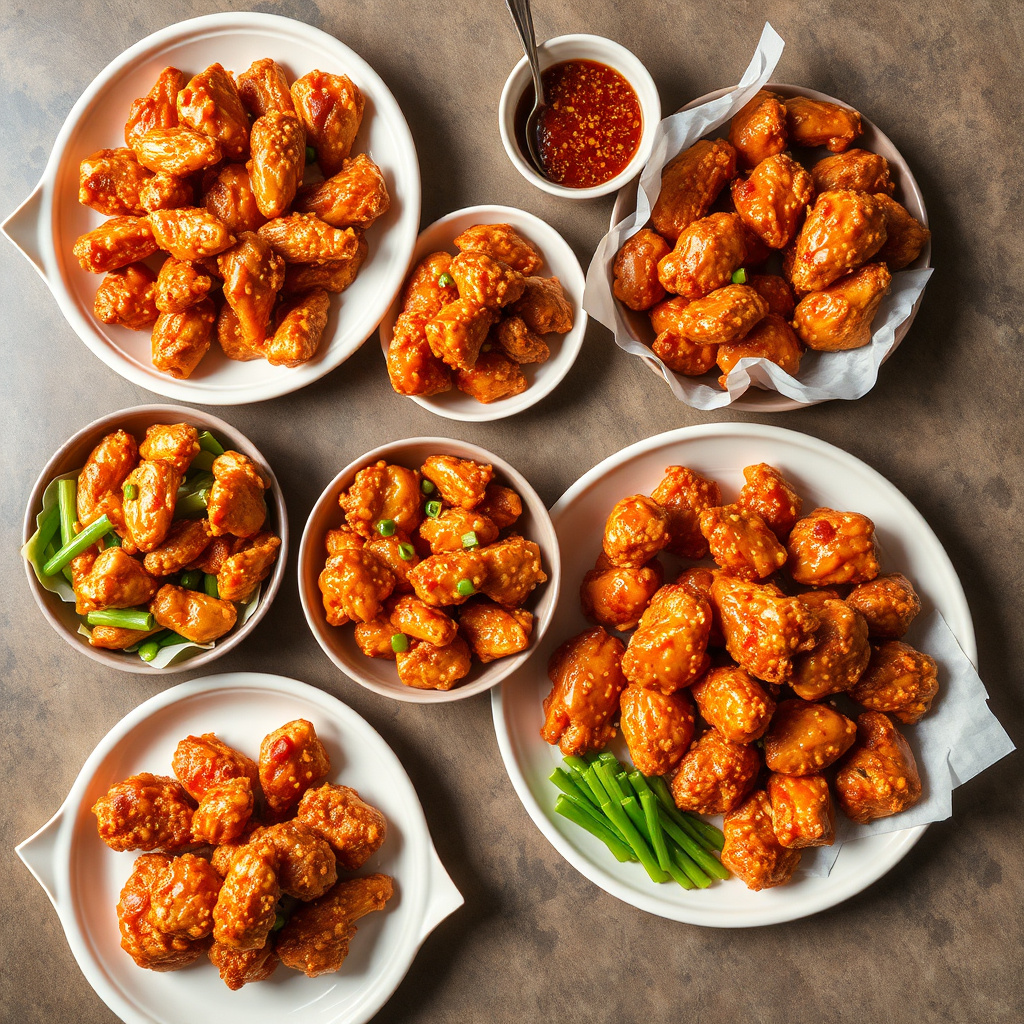
Major fast-food chains like Panda Express serve orange chicken portions around 470 calories per cup. These servings include battered, fried chicken and a generous amount of sweet sauce, reflecting typical calorie density in restaurant dishes.
Portion sizes vary widely at different restaurants, and some use sweeter or thicker sauces that add more sugar and calories, while others may lightly batter or alter frying techniques to reduce fat.
For more on this, see our related guide: How Many Calories Are in General Tso Chicken? A Nutritional Guide.
Smaller Servings and Homemade Versions
Smaller servings or homemade orange chicken recipes often reduce calories by controlling sauce quantities and baking rather than frying chicken. Homemade versions typically range from 300 to 400 calories for a similar portion if using less sugar and oil.
Choosing lean chicken breast and making sauce from fresh ingredients with limited sugar content also helps decrease calorie totals while preserving flavor.
Nutritional Breakdown: Carbs, Fat, and Protein in Orange Chicken

Protein Content
Orange chicken serves as a reasonable protein source, with about 20–25 grams per typical serving. This protein supports muscle repair and satiety but can be offset by calories from batter and sauce.
The quality of protein depends on chicken cuts used—breast meat is leaner and healthier, while thigh meat contains more fat but richer flavor.
Carbohydrates and Sugar Levels
Carbohydrates in orange chicken mainly come from batter and sweet sauce. Servings often contain 30–50 grams of carbs, including 15–25 grams of sugars from sweeteners such as high fructose corn syrup.
High sugar content can spike calorie intake quickly and impact blood sugar levels, highlighting the importance of portion control or opting for sauce with less added sugar.
How Preparation Methods Influence Orange Chicken Calories

Deep-Frying vs. Baking
Deep-frying batter-coated chicken adds substantial calories from oil absorption, often increasing total calories by 50-100 per serving over baked versions. The frying results in a crispy texture and richer flavor but adds saturated fats and calories.
Baking battered chicken reduces added fat and calories while maintaining crispness when done correctly. This method is preferred in calorie-conscious diets aiming to replicate classic orange chicken taste with fewer calories.
For more on this, see our related guide: Is Orange Chicken Healthy? A Nutritional Breakdown and Health Guide.
Sauce Quantity and Thickness
Using more sauce increases calories rapidly, given its sugar and fat content. Many restaurant servings are heavy on sauce, while home cooks can cut calories by reducing sauce volume or using recipes with less sugar and oil.
Thicker sauces also pack more calories per spoonful than light glazes, so portioning sauce carefully is key when tracking intake.
Tips to Enjoy Orange Chicken with Fewer Calories

Portion Control and Balanced Meals
To lower calorie intake, control your serving size of orange chicken and pair it with vegetables or salads instead of calorie-rich sides like fried rice or noodles. This helps create a more balanced meal while enjoying the flavor of orange chicken.
Measuring sauce amounts and dividing portions across multiple meals also reduces calories consumed in one sitting without sacrificing enjoyment.
For further nutrition details and history of orange chicken, see this Wikipedia article. orange chicken nutrition details.
Healthier Homemade Sauce and Cooking Techniques
Make your own orange sauce using fresh orange juice, low sugar substitutes, and minimal oil to significantly cut calories compared to restaurant sauces. Baking or air-frying the chicken instead of deep frying further reduces calorie content.
These methods retain the essential tangy and sweet profile of orange chicken with fewer calories and less fat, making this dish a better fit for calorie-conscious diets.
Orange Chicken Calorie and Preparation Category Comparison
This table compares different types of orange chicken based on calories, cooking method, and sauce sugar content to help you choose what fits your diet best.
| Category | Calories per Serving | Cooking Method | Sauce Sugar Content | Comments |
|---|---|---|---|---|
| Fast Food Restaurant | 470 | Deep-fried | High | Standard portion from chains like Panda Express |
| Homemade Baked | 320 | Baked | Low | Lower sugar sauce, baked chicken breast |
| Fast Food Light | 350 | Lightly Fried | Medium | Smaller portion with reduced sauce |
| Frozen Store-Bought | 400 | Fried or Baked | Medium-High | Varies by brand, pre-packaged meals |
| Restaurant Premium | 500 | Deep-fried | High | Restaurant style with thick batter and sauce |
Frequently Asked Questions
Is orange chicken high in calories?
Yes, orange chicken is moderately high in calories due to its fried batter and sugary sauce, generally ranging from 300 to 500 calories per serving depending on size and preparation.
Can orange chicken be made healthier?
Yes, by baking instead of frying and using a homemade sauce with less sugar and oil, orange chicken can be made significantly healthier while retaining its flavor.
How much sugar is in the orange sauce?
The orange sauce usually contains 15 to 25 grams of sugar per serving, contributing a large part of the dish's calories mainly from corn syrup or added sugar.
Does portion size affect calorie intake in orange chicken?
Definitely. Larger portions naturally have more calories; controlling the amount of chicken and sauce consumed is key to managing calorie intake effectively.
Is orange chicken a good protein source?
Yes, orange chicken provides around 20 to 25 grams of protein per serving, which supports nutrition needs, though it is often paired with high sugar and fat.
Key Takeaways
- Orange chicken contains 300-500 calories per typical serving depending on preparation and portion size.
- Frying and sweet orange sauce significantly increase the calorie content.
- Homemade versions with baked chicken and low-sugar sauce reduce calories effectively.
- Controlling portion sizes and pairing with vegetables helps manage calorie intake.
Conclusion
When figuring out how many calories are in orange chicken, consider both the preparation method and the amount of sweet sauce. Fried batter adds considerable calories via absorbed oil while sugary sauce boosts carbohydrate and calorie counts further. Awareness of these factors helps in making better dietary decisions when enjoying this popular dish. Balancing flavor with health concerns means understanding that orange chicken is an energy-dense meal that should be consumed thoughtfully within daily calorie goals.
For those looking to enjoy orange chicken without excess calories, homemade baked versions provide a practical option. Utilizing lean chicken breast, reducing batter thickness, and using recipes with lower sugar content in the sauce can bring calories down by 100-150 per serving or more. Fast food restaurant versions are generally higher in both fat and sugar, so portion control and limiting sauce can help moderate intake. Pairing orange chicken with steamed vegetables or brown rice instead of fried sides further supports balanced meals.
Ultimately, the best approach is to treat orange chicken as an occasional indulgence, prepared or ordered mindfully. Start by estimating your portion calories based on the source and preparation, then adjust servings and sauce quantities to fit your nutrition goals. Experiment with healthier homemade recipes or choose lighter fast food options to keep flavors intact with fewer calories. This way, you can enjoy orange chicken in a satisfying and sustainable way as part of your diet.