What Does Szechuan Peppercorn Taste Like? Exploring Its Unique Flavor Profile
Szechuan peppercorn tastes unlike any traditional pepper. Its flavor combines a sharp, citrusy brightness with a distinctive tingling or numbing sensation on the tongue and lips. This lip-tingling effect, known as 'ma,' distinguishes it from black or white pepper and adds complexity to dishes.
This unique taste is why Szechuan peppercorn is a cornerstone of Sichuan cuisine, treasured not just for heat but for its ability to create a lively mouthfeel alongside chili peppers. Its complex floral and lemony notes balance pungency with a hint of woodiness, contributing to authentic Chinese recipes.
In this article, we will explore the characteristics of Szechuan peppercorn's flavor, its culinary uses, how it differs from other spices, and tips for buying and storing it. Understanding its taste will help you add authentic depth to your cooking.
Understanding the Flavor Components of Szechuan Peppercorn

The Numbing Sensation and Its Cause
The distinctive tingling or numbing sensation from Szechuan peppercorns is caused by hydroxy-alpha-sanshool, a chemical compound unique to this spice. This compound activates nerve receptors in the mouth, creating a buzzing feeling that enhances the overall flavor experience.
This effect is not a heat or burning sensation like chili peppers; instead, it provides a cool, buzzing numbness. This adds a dynamic layer to dishes, often paired with spicy elements to balance and highlight contrasting sensations.
Citrusy and Floral Aromas in the Flavor Profile
Beyond the numbing effect, Szechuan peppercorn offers citrusy notes reminiscent of lemon peel or grapefruit zest. This brightness cuts through heavy or oily dishes, refreshing the palate.
Floral undertones give the spice a slightly sweet and aromatic character. These complex flavors contribute to its role as a key ingredient in Sichuan cooking, providing balance to rich and spicy sauces.
Comparing Szechuan Peppercorn to Other Pepper Varieties

Differences from Black and White Peppercorn
Unlike black and white peppercorns, which come from the Piper nigrum vine and provide pungent heat, Szechuan peppercorns come from the prickly ash tree and offer a numbing sensation rather than pungency.
Black and white pepper create a sharp, spicy heat, whereas Szechuan peppercorns add a citrus aroma and tingling mouthfeel without significant heat, making them complementary rather than substitutable.
How It Complements Chili Peppers in Cooking
Szechuan peppercorn is often paired with chili peppers in Sichuan cuisine to balance heat with numbing numbness. This combination, known as 'ma la,' provides a layered sensory experience.
The interplay heightens both flavors: the heat stimulates heat receptors, while the Szechuan peppercorn activates touch receptors, resulting in a complex spicy and tingling sensation beloved in many traditional dishes.
Culinary Uses and Application Techniques
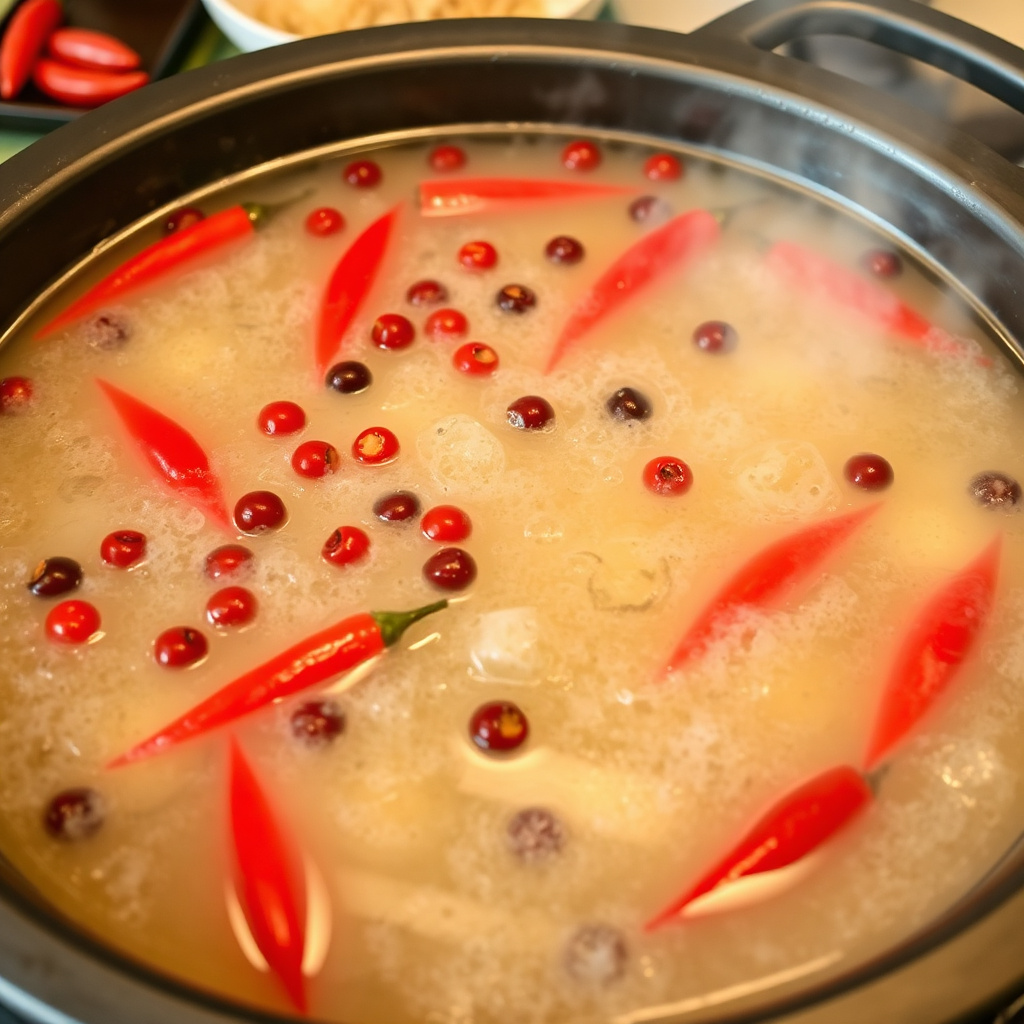
Integrating Szechuan Peppercorn into Recipes
Szechuan peppercorns are used whole, toasted, or ground to add their signature flavor and numbness to dishes such as mapo tofu, kung pao chicken, and hot pot broths.
To maximize their flavor, they are often dry-roasted to release aromatic oils before being crushed or ground. This process intensifies their floral and citrus notes, enhancing the dish's overall profile.
- Toast briefly over medium heat
- Crush or grind after roasting
- Add during cooking or as a finishing spice
For more on this, see our related guide: Kung Pao vs General Tso: Which Classic Chinese Chicken Dish Should You Choose?.
Pairing Szechuan Peppercorn with Other Ingredients
Szechuan peppercorn pairs well with garlic, ginger, soy sauce, and chili peppers, creating bold and balanced flavors characteristic of Sichuan cuisine.
When used with fatty meats like pork or duck, its citrusy brightness cuts through richness, while its numbing effect refreshes the palate between bites.
- Garlic and ginger for aroma
- Chili peppers for heat
- Soy sauce for umami
Selecting and Storing Szechuan Peppercorn

What to Look for When Buying
Choose Szechuan peppercorns that have reddish-brown husks without too many black seeds inside, as the husk contains most of the flavor and numbing compounds.
Freshness is key; they should have a fragrant citrus aroma when sniffed. Avoid old or dusty-looking peppercorns, which lose potency over time.
- Bright reddish-brown color
- Fragrant aroma
- Minimal black seeds
Proper Storage for Longevity
Store Szechuan peppercorns in an airtight container away from light and heat to preserve their flavor and numbing effect. Ground peppercorns lose potency faster than whole ones.
Use them within six months of opening for best flavor, and consider purchasing whole peppercorns to grind fresh as needed.
- Airtight containers
- Cool, dark place
- Use whole over ground when possible
Health and Safety Considerations

Potential Allergic Reactions
Though generally safe, some individuals may experience allergic reactions to Szechuan peppercorns, including itching or swelling around the mouth due to its numbing compounds.
If trying it for the first time, test a small amount first and be alert for any unusual symptoms. Consult a medical professional if adverse effects occur.
For more on this, see our related guide: Is Mapo Tofu Vegetarian? Exploring Ingredients and Variations.
Moderation in Use
Using Szechuan peppercorn in moderate amounts ensures a pleasant numbing effect without overwhelming the palate or causing discomfort.
Excessive consumption might lead to prolonged numbness or irritation. Cooking with measured quantities helps balance flavor and sensation.
Szechuan Peppercorn Flavor Profile in Global Cuisine

Traditional Chinese Culinary Roles
Szechuan peppercorn is at the heart of Sichuan cooking, creating characteristic dishes with its numbing and citrusy qualities. It is essential in spice blends like five-spice powder and dishes such as Dan Dan noodles.
Its flavor elevates sauces, broths, and marinades, providing complexity that complements chili heat and umami ingredients.
For a detailed background on Szechuan peppercorn, its botanical origins, and cultural uses, you can refer to the Sichuan pepper article on Wikipedia. Sichuan pepper article on Wikipedia.
Modern and Fusion Cuisine Applications
Chefs worldwide are incorporating Szechuan peppercorn into fusion dishes, pairing it with non-traditional proteins, desserts like chocolate, and cocktails to introduce unique tingling sensations.
Its citrus and floral tones work well beyond Chinese cuisine, inspiring creativity and novel flavor combinations.
Szechuan Peppercorn Flavor vs. Other Common Spices
Below is a comparison of Szechuan peppercorn’s taste profile alongside related spices to highlight their unique qualities.
| Spice | Flavor Notes | Sensory Effect | Common Uses |
|---|---|---|---|
| Szechuan Peppercorn | Citrusy, floral | Numbing tingling | Sichuan dishes, spice blends |
| Black Peppercorn | Pungent, sharp | Spicy heat | Global seasoning, meats |
| Chili Pepper | Spicy, smoky | Burning heat | Hot sauces, marinades |
| Pink Peppercorn | Fruity, sweet | Mild tingling | Salads, desserts |
| Long Pepper | Sweet, spicy | Warm heat | Indian dishes, pickles |
Frequently Asked Questions
Why does Szechuan peppercorn make my mouth numb?
It contains hydroxy-alpha-sanshool, a compound that activates nerve receptors causing a unique tingling or numbing sensation distinct from heat.
Can Szechuan peppercorn be substituted with regular black pepper?
No; black pepper has a different pungency and lacks the numbing quality that defines Szechuan peppercorn’s flavor profile.
How should I store Szechuan peppercorns for the best flavor?
Store them whole in an airtight container away from light and heat, ideally in a cool, dark place for up to six months.
Are there any health risks when consuming Szechuan peppercorns?
Most people tolerate them well, but some may have mild allergic reactions or irritation due to the numbing compounds.
How do I best use Szechuan peppercorn in cooking?
Toast whole peppercorns lightly, then crush or grind to release flavor; add to dishes where a citrusy, numbing effect complements spiciness.
Key Takeaways
- Szechuan peppercorn offers a unique citrusy flavor with a numbing tingling effect.
- Its distinct profile differs from black or chili peppers, adding complexity to dishes.
- Use whole peppercorns toasted and ground for best flavor and sensory impact.
- Store properly to maintain freshness and the signature numbing sensation.
Conclusion
Choosing how to incorporate Szechuan peppercorn into your culinary repertoire depends on appreciating its dual qualities: the bright citrusy aroma and the distinctive numbing sensation. Recognizing this spice’s role in modifying both flavor and mouthfeel allows for creative and authentic cooking, deepening the sensory dimension beyond mere heat.
For those exploring Sichuan cuisine or wanting to experiment with bold flavors, using toasted and ground Szechuan peppercorn in dishes like hot pots, stir-fries, or dressings delivers that classic ‘ma’ effect. Alternatively, in fusion cuisine, its citrus and floral notes can brighten protein dishes or even desserts, offering versatile uses that extend beyond traditional Chinese recipes.
If you’re curious about adding Szechuan peppercorn to your kitchen, start with small amounts to gauge your response to the numbing effect while savoring its unique citrus flavor. Buying whole peppercorns, storing them properly, and toasting before use will help you extract the full essence and make your cooking genuinely authentic.


One Comment