How to Make Moo Shu Pork: A Step-by-Step Authentic Recipe
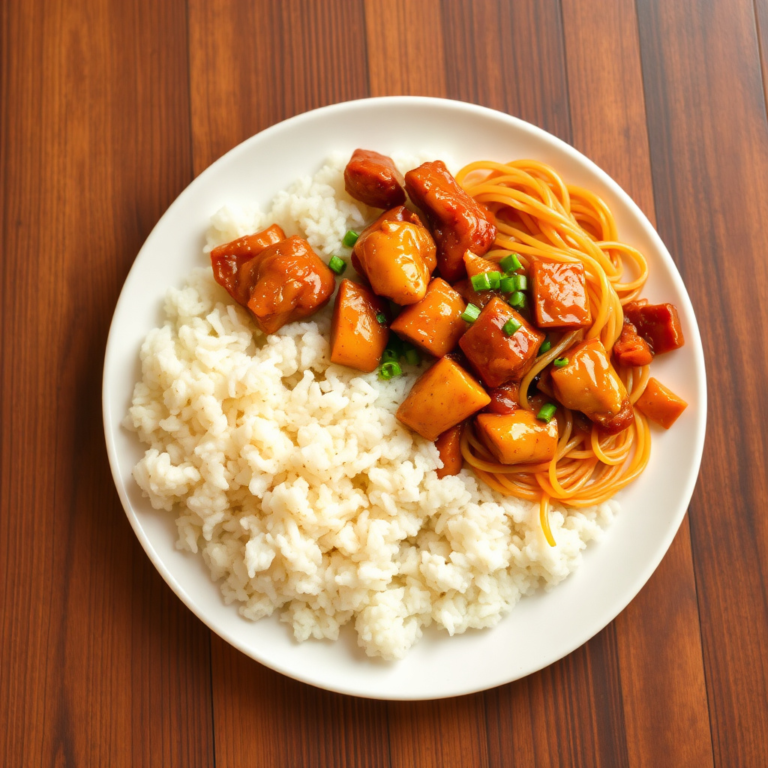
Moo shu pork is a classic Chinese dish known for its savory flavors and combination of stir-fried pork, vegetables, and a slightly sweet hoisin sauce wrapped in thin pancakes. To make moo shu pork, start by preparing thinly sliced pork tenderloin, shredded vegetables like cabbage and carrots, then stir-fry them quickly with aromatics such as garlic and ginger before mixing in hoisin sauce. Serve the mixture with warm Mandarin pancakes or thin flour tortillas for wrapping.
This dish stands out because of its balance between tender pork and crisp vegetables, enhanced by the rich yet sweet and tangy hoisin sauce. It offers a satisfying texture contrast: smooth pork, crunchy veggies, and soft wrappers. Originating in northern China, moo shu pork has become popular worldwide for its quick cooking time and customizable ingredients.
In this article, we will explore the key ingredients, preparation tips, and detailed cooking steps needed to prepare authentic moo shu pork at home. Additionally, you will learn about variations and recommended accompaniments to bring a full Chinese dining experience to your table.
Ingredients for Authentic Moo Shu Pork

Choosing the Right Pork and Vegetables
The cornerstone of moo shu pork is high-quality pork tenderloin, sliced thinly against the grain to maintain tenderness. The vegetables typically include shredded napa cabbage, julienned carrots, and wood ear mushrooms, each adding distinctive textures. Fresh garlic and ginger provide aromatic depth, essential for authentic flavor.
Selecting fresh, crisp vegetables enhances the dish’s texture contrast. Wood ear mushrooms, while optional, add a subtle earthiness and chewy bite common in traditional recipes. Avoid using overly thick cuts of pork or wilted vegetables to keep the stir-fry light and vibrant.
Sauces and Condiments
Hoisin sauce is the signature condiment that brings sweet, salty, and umami notes to moo shu pork. Look for authentic Chinese hoisin brands to replicate the true taste. Light soy sauce balances the flavor, while a touch of sesame oil adds nuttiness.
Optional additions like rice wine or black vinegar can deepen the flavor complexity. The thin Mandarin pancakes or soft flour tortillas serve as the wrapping mechanism, providing the perfect neutral base to hold the savory filling.
Preparing Ingredients for Seamless Cooking

Properly Cutting Pork and Vegetables
Begin by slicing the pork tenderloin very thinly, about 1/8 inch thick, to ensure quick, even cooking. To make slicing easier, partially freeze the pork before cutting. Vegetables like cabbage and carrots should be julienned or shredded finely to maintain a balance between texture and cooking times.
Prepare the wood ear mushrooms by soaking them in warm water until they soften, then slicing into thin strips. Mince garlic and ginger finely to blend smoothly throughout the dish without overpowering any single bite.
For more on this, see our related guide: What is Hoisin Sauce? A Complete Guide to This Flavorful Asian Condiment.
Mixing the Sauce and Setting Up Mise en Place
Combine hoisin sauce, light soy sauce, a drizzle of sesame oil, and optionally a splash of Shaoxing rice wine into a small bowl. Pre-measuring these components helps streamline cooking, allowing you to add them all at once during the final stir-fry step.
Arrange all prepared ingredients nearby before heating your wok or skillet. Having your mise en place ready reduces stress and keeps the stir-fry process efficient, ensuring the pork remains juicy and the vegetables crisp.
Cooking Techniques for Perfect Moo Shu Pork
Stir-Frying Pork for Tenderness
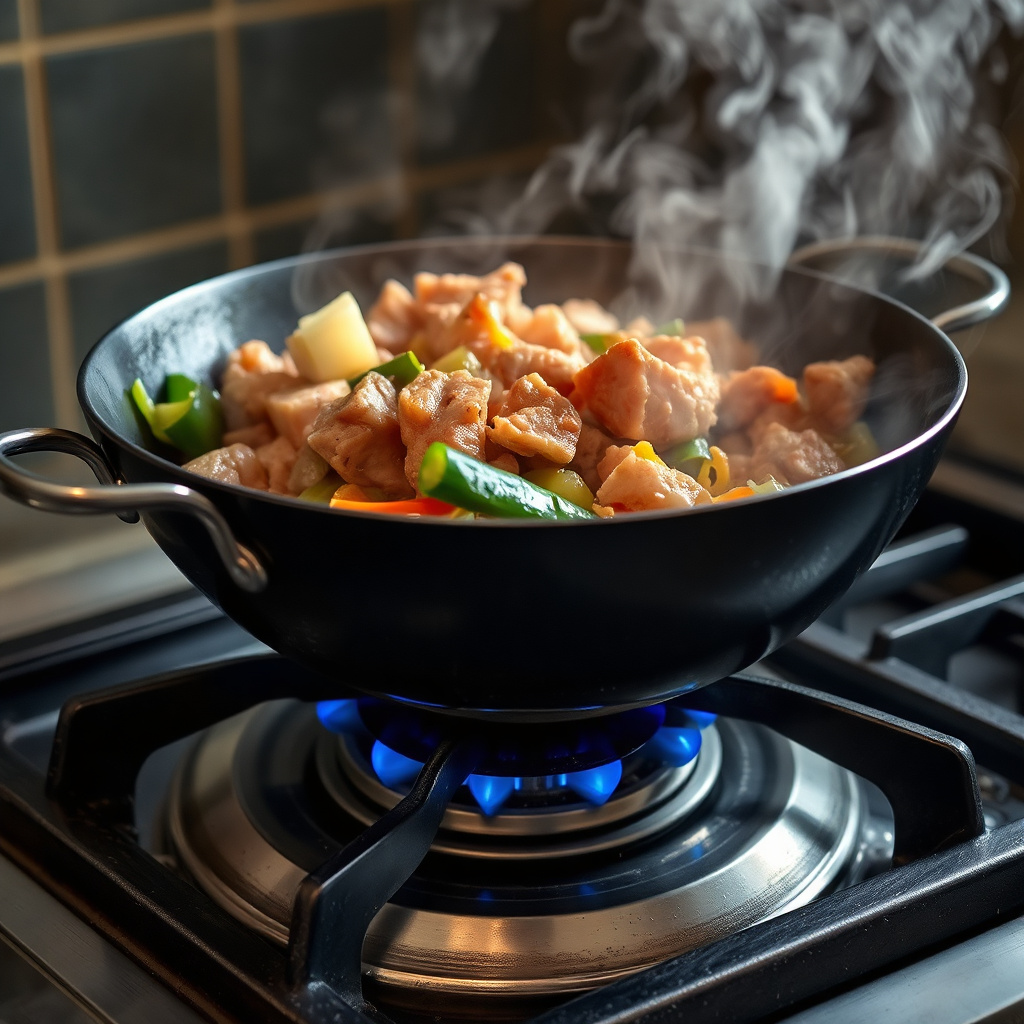
Heat a wok or large skillet over high heat until very hot, then add a small amount of neutral oil. Quickly stir-fry the pork in batches, moving constantly to prevent overcooking or drying out. Pork slices cook rapidly; aim for a light golden color and just cooked-through texture.
Removing pork from the wok and setting it aside maintains proper moisture and prevents it from stewing when vegetables are added. This separation ensures optimal tenderness in the finished dish.
Cooking Vegetables and Combining Ingredients
Add more oil to the hot wok and stir-fry garlic and ginger briefly until fragrant. Toss in shredded cabbage, carrots, and mushrooms, cooking until crisp-tender but still vibrant. Vegetables should retain some crunch to provide textural contrast against the soft pork.
Return the cooked pork to the wok, pouring in the pre-mixed sauce. Stir continuously so the hoisin sauce coats all components evenly, heating through for just a couple of minutes before removing from heat to prevent burning.
Serving Suggestions and Wrapping Moo Shu Pork
Preparing Mandarin Pancakes
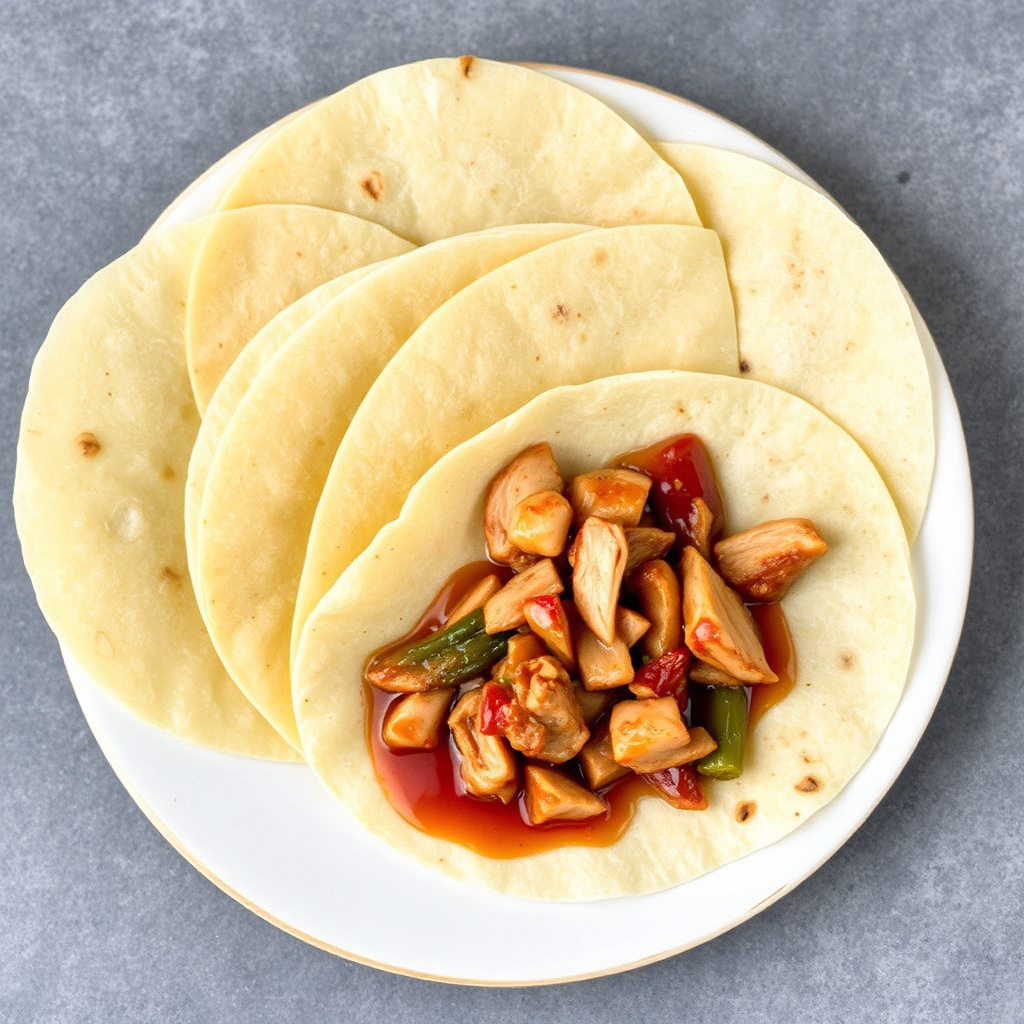
Warm the thin Mandarin pancakes according to package instructions, usually by steaming or microwaving wrapped in a damp paper towel. This ensures they stay soft and pliable, perfect for wrapping the pork and vegetable mixture.
If you cannot find Mandarin pancakes, soft flour tortillas can be a reasonable substitute, though the traditional texture and flavor differ slightly.
Assembling the Moo Shu Pork Wraps
Spoon a small amount of the pork and vegetable stir-fry onto the center of each pancake. Add an extra dab of hoisin sauce if desired, then roll or fold the pancake to enclose the filling. This hand-held format makes moo shu pork an interactive and casual meal.
Serve with side dishes like steamed rice and stir-fried greens to complete the meal. The wraps offer a satisfying balance of savory filling and tender wrapper in every bite.
Variations and Tips for Making Moo Shu Pork Your Own

Adding Extra Ingredients for Variety
To customize moo shu pork, consider including scrambled eggs, green onions, or water chestnuts to enhance flavor and texture. These add-ons also increase nutritional variety and visual appeal. Adjust vegetable quantities according to taste.
Some versions swap pork for chicken or tofu for dietary preferences while maintaining the core cooking approach, making the dish flexible for many diets.
For historical background and variations of moo shu pork, you can refer to the Moo shu pork Wikipedia page. Moo shu pork Wikipedia.
Tips for Timing and Serving
The key to success is quick cooking at high heat, so prepare all ingredients before starting. Serve moo shu pork immediately to preserve the freshness of the vegetables and the tenderness of the pork.
Leftovers can be reheated gently but are best enjoyed fresh. Consider pairing with light Chinese teas to complement the savory and slightly sweet flavor profile.
Moo Shu Pork Category Comparison
Here’s a comparison of popular moo shu pork preparation styles and ingredient variations to help you select the best fit for your taste and cooking preferences.
| Category | Protein | Vegetables Used | Wrapper Type | Flavor Profile |
|---|---|---|---|---|
| Traditional Pork | Pork tenderloin | Napa cabbage, carrots, wood ear mushrooms | Mandarin pancakes | Sweet-savory with hoisin |
| Chicken Variation | Chicken breast or thigh | Cabbage, carrots, green onions | Mandarin pancakes or tortillas | Lighter, less fatty |
| Vegetarian Style | Firm tofu or seitan | Cabbage, carrots, mushrooms, water chestnuts | Mandarin pancakes | Umami with hoisin and sesame |
| Quick Stir-Fry | Pre-sliced pork | Frozen stir-fry vegetables | Flour tortillas | Simplified, convenient |
| Restaurant Style | Pork with scrambled eggs | Cabbage, carrots, mushrooms | Mandarin pancakes | Richer with egg added |
Frequently Asked Questions
What is the best cut of pork for moo shu pork?
Pork tenderloin is best because it is lean, tender, and slices thinly, ensuring quick, even cooking and a soft texture that suits the stir-fry style.
Can I make moo shu pork without hoisin sauce?
While hoisin sauce is traditional and gives a characteristic sweet-savory flavor, you can substitute with a mix of soy sauce and a small amount of sugar or plum sauce for a similar taste.
What options do I have if I cannot find Mandarin pancakes?
Thin flour tortillas are a common substitute, though they lack the unique chewiness of Mandarin pancakes. Steamed buns can also be an alternative for serving the filling.
How do I keep the vegetables crisp in moo shu pork?
Cook vegetables briefly over high heat and avoid overcooking. Adding them after the pork and stir-frying just until tender helps preserve crunch.
Is moo shu pork a healthy dish?
Moo shu pork includes lean protein and plenty of vegetables, making it relatively healthy. Controlling the amount of oil and limiting hoisin sauce quantity can reduce calories.
Key Takeaways
- Use thinly sliced pork tenderloin for authentic tenderness.
- Fresh, crisp vegetables like napa cabbage and carrots create texture contrast.
- Hoisin sauce is essential for signature sweet-savory flavor.
- Serve moo shu pork wrapped in warm Mandarin pancakes for best experience.
Conclusion
Making moo shu pork at home hinges on balancing tender, thinly sliced pork with crisp, fresh vegetables, all coated in the distinctive sweet and tangy hoisin sauce. The dish’s appeal lies in its quick stir-fry preparation and textural contrast, delivering a flavorful meal that is both satisfying and approachable for cooks of all skill levels. Selecting the right ingredients and mastering timing during cooking ensures the pork remains juicy while vegetables retain crunch, inviting repeat enjoyment.
If aiming for traditional authenticity, opt for pork tenderloin, napa cabbage, and wood ear mushrooms served with genuine Mandarin pancakes. For adaptations like the chicken or vegetarian variants, maintain the core process but swap proteins respectfully. Quick stir-fry methods and alternative wrappers like tortillas suit busy weeknights, while richer restaurant-style versions incorporate scrambled eggs for extra creaminess. This spectrum allows tailoring moo shu pork to fit occasion, dietary needs, and available ingredients.
For your first attempt, gather all ingredients and practice precise knife skills to prepare uniform slices and julienne cuts. Follow the outlined cooking steps closely to avoid overcooking. Serve immediately with fresh pancakes and hoisin sauce on the side to adjust sweetness. From there, experiment by adding your preferred vegetables or accompaniments to create a personalized version of moo shu pork that your family and friends will enjoy time and again.