How to Make Seaweed Salad: A Simple and Refreshing Recipe
Making seaweed salad is straightforward and rewarding—you start with rehydrated dried seaweed, then toss it with a flavorful dressing made from soy sauce, rice vinegar, sesame oil, and other fresh ingredients to create a refreshing dish. This quick preparation captures the unique umami flavor and crisp texture that makes seaweed salad popular in many cuisines.
Seaweed salad matters because of its nutritional value and versatility—it’s rich in vitamins, minerals, and fiber, offering a low-calorie option that complements many meals. Understanding how to properly prepare it ensures the seaweed retains its delicate texture and flavor, while the dressing brings balance and depth.
This article will guide you through choosing the right seaweed, preparing it correctly, making a delicious seaweed salad dressing recipe, combining everything perfectly, and variations to customize your salad. Whether you want a simple side or an ingredient in sushi, you'll find clear steps to make seaweed salad effortlessly.
Choosing and Preparing Seaweed for Seaweed Salad

Types of Seaweed Suitable for Salad
Wakame is the most common seaweed used in seaweed salad due to its tender texture and mild flavor. Other options include arame, hijiki, and kelp, each bringing distinct tastes and appearances. Select dried seaweed labeled for salad use to ensure freshness and quality.
When buying seaweed, look for vibrant color—usually deep green or dark brown—without excessive dryness or dust. Seaweed packed in vacuum-sealed bags tends to stay fresh longer and avoids contamination.
- Wakame – tender, slightly sweet
- Arame – thin, mild, slightly sweet
- Hijiki – darker, stronger flavor
- Kelp – thicker, chewier texture
Proper Rehydration Techniques
Dried seaweed must be soaked in cold water for 5 to 10 minutes until it softens and expands. Avoid hot water as it can destroy nutrients and alter texture. After soaking, rinse thoroughly to remove any grit or residue.
Drain the seaweed well and gently squeeze out excess water before using it in your salad. Over-soaking may make the seaweed too slimy. If using thicker types like kelp, soak longer but check texture regularly.
- Soak in cold water 5-10 minutes
- Rinse thoroughly after soaking
- Drain and gently squeeze water
- Avoid hot water to preserve texture
Crafting the Perfect Seaweed Salad Dressing Recipe
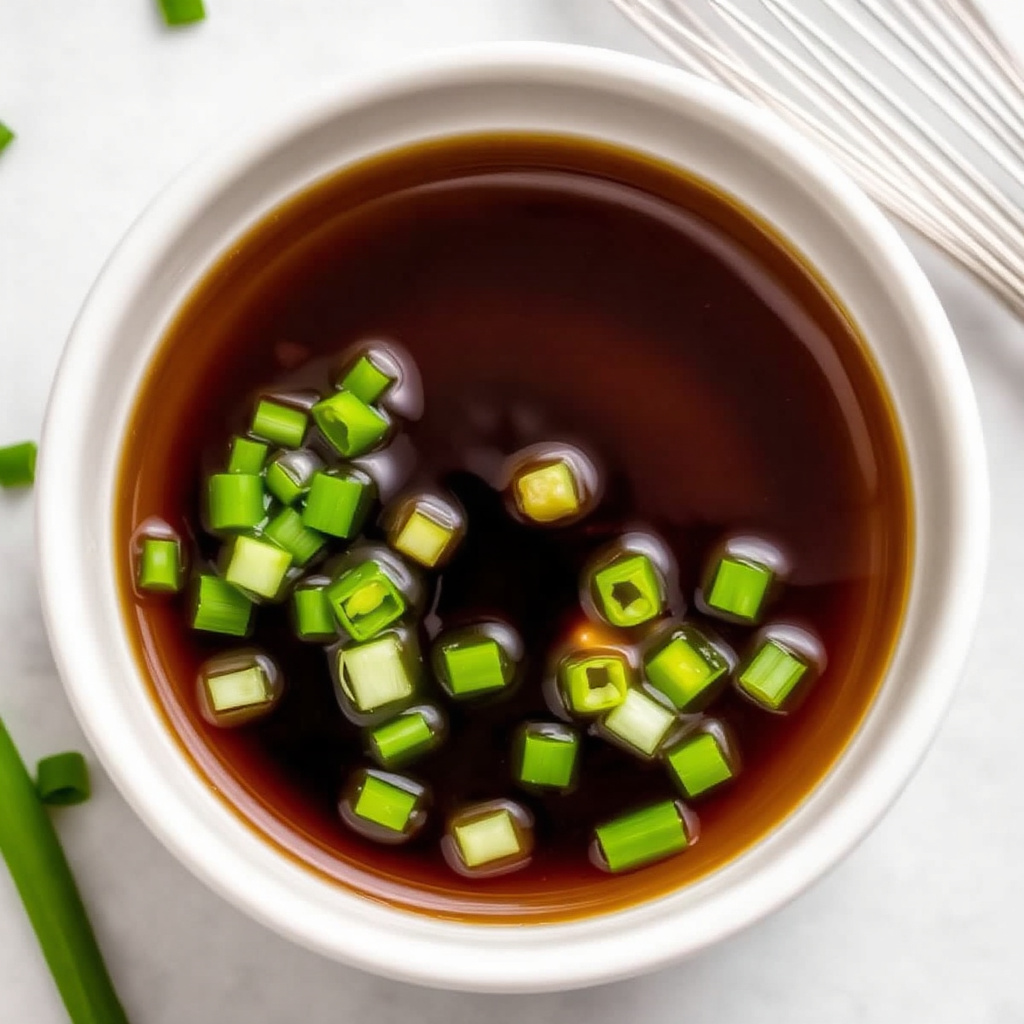
Essential Ingredients for Flavor
A classic seaweed salad dressing balances salty, tangy, and nutty notes. Typical ingredients include soy sauce for umami, rice vinegar for acidity, sesame oil for fragrance, and a touch of sugar or mirin for sweetness.
Additional additions like grated ginger, minced garlic, and a sprinkle of chili flakes can enhance the flavor profile. Freshly toasted sesame seeds add a satisfying crunch when mixed in.
- Soy sauce – salty umami base
- Rice vinegar – bright acidity
- Sesame oil – rich nuttiness
- Sugar or mirin – subtle sweetness
For more on this, see our related guide: How to Make Shrimp Tempura Roll: A Step-by-Step Guide for Sushi Lovers.
Mixing and Adjusting the Dressing
Combine all dressing ingredients in a bowl and whisk until sugar dissolves completely. Taste the mixture and adjust acidity or sweetness to suit your preference. The dressing should be balanced so it enhances but doesn’t overpower the seaweed.
Prepare the dressing fresh to keep bright flavors. If making in advance, store it refrigerated and give it a good stir before tossing with the salad. Using this seaweed salad dressing recipe guarantees a tasty and aromatic result.
- Whisk ingredients until sugar dissolves
- Taste and adjust vinegar or sweetness
- Use fresh for best flavor
- Store refrigerated if made ahead
Combining and Serving Seaweed Salad
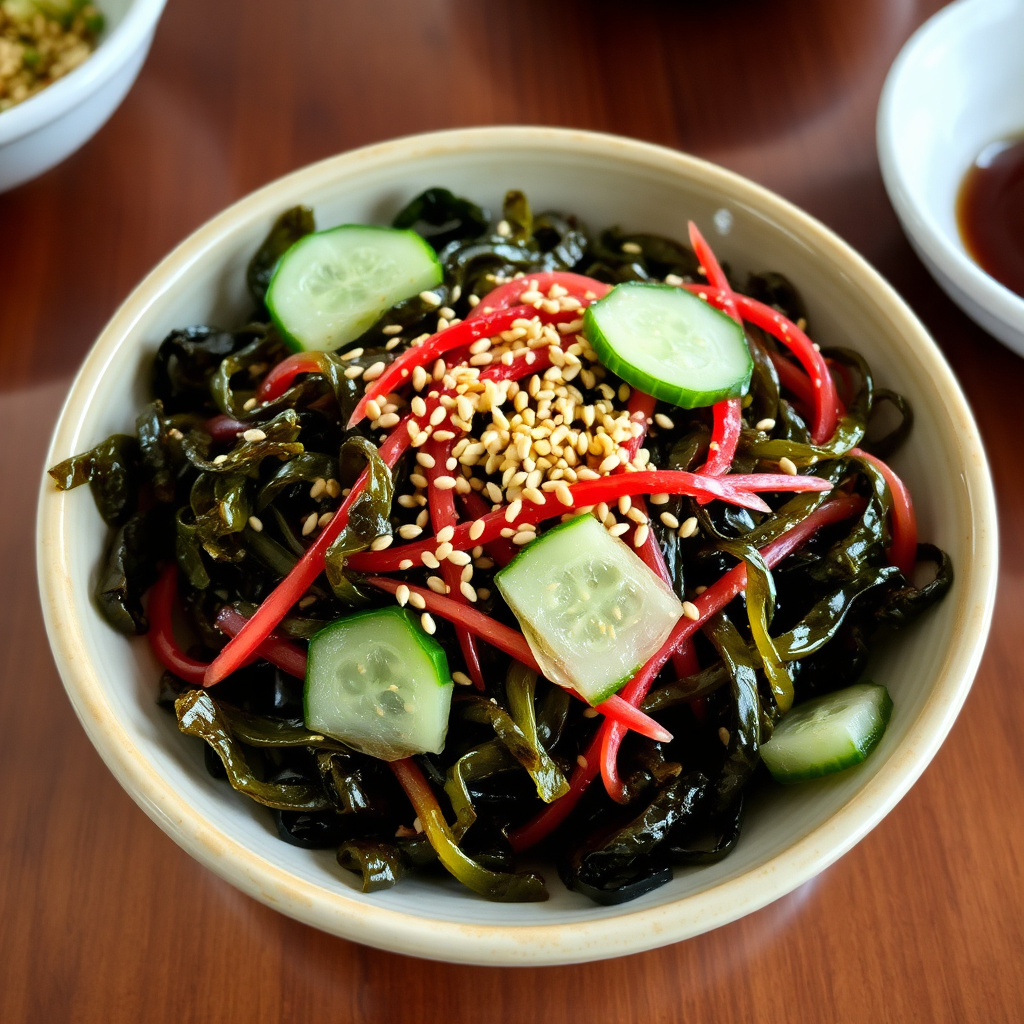
Tossing Seaweed with Dressing
Gently combine the drained seaweed with the prepared dressing so every strand is lightly coated. Over-mixing can break down the delicate seaweed texture, so stir just until the ingredients blend smoothly.
Let the salad sit for 5-10 minutes before serving; this resting time allows flavors to meld while maintaining the seaweed’s natural bite.
Serving Suggestions and Garnishes
Seaweed salad pairs well with fresh cucumber slices, shredded carrots, or thinly sliced radishes to add texture contrast. Garnishing with toasted sesame seeds or chopped scallions enhances both taste and appearance.
Serve chilled as an appetizer, side dish, or part of sushi platters. It also makes a refreshing topping for grilled fish or rice bowls.
- Cucumber, carrot, radish for crunch
- Toasted sesame seeds for garnish
- Serve chilled or room temperature
- Great with sushi or grilled fish
Variations and Customizing Your Seaweed Salad

Adding Proteins and Vegetables
For a more substantial salad, include proteins like crab meat, tofu cubes, or cooked shrimp. Vegetables such as avocado, bell peppers, or edamame add richness and texture variety.
Adjust the dressing quantity to accommodate extra ingredients so the seaweed and additions blend harmoniously without overwhelming the flavors.
- Crab meat
- Tofu
- Cooked shrimp
- Avocado
- Bell peppers
- Edamame
For more on this, see our related guide: How to Make Rainbow Roll: A Step-by-Step Sushi Guide.
Adjusting Taste Profiles
You can tweak the dressing spice level by adding wasabi or chili oil for heat. For sweeter versions, increase mirin or add honey in the seaweed salad dressing recipe while maintaining balance.
Experiment with citrus zest or juice like yuzu or lime to brighten the salad, giving a fresh twist to the traditional flavor.
- Wasabi or chili oil for spice
- Honey or extra mirin for sweetness
- Yuzu or lime for citrus brightness
Storage and Shelf Life of Seaweed Salad
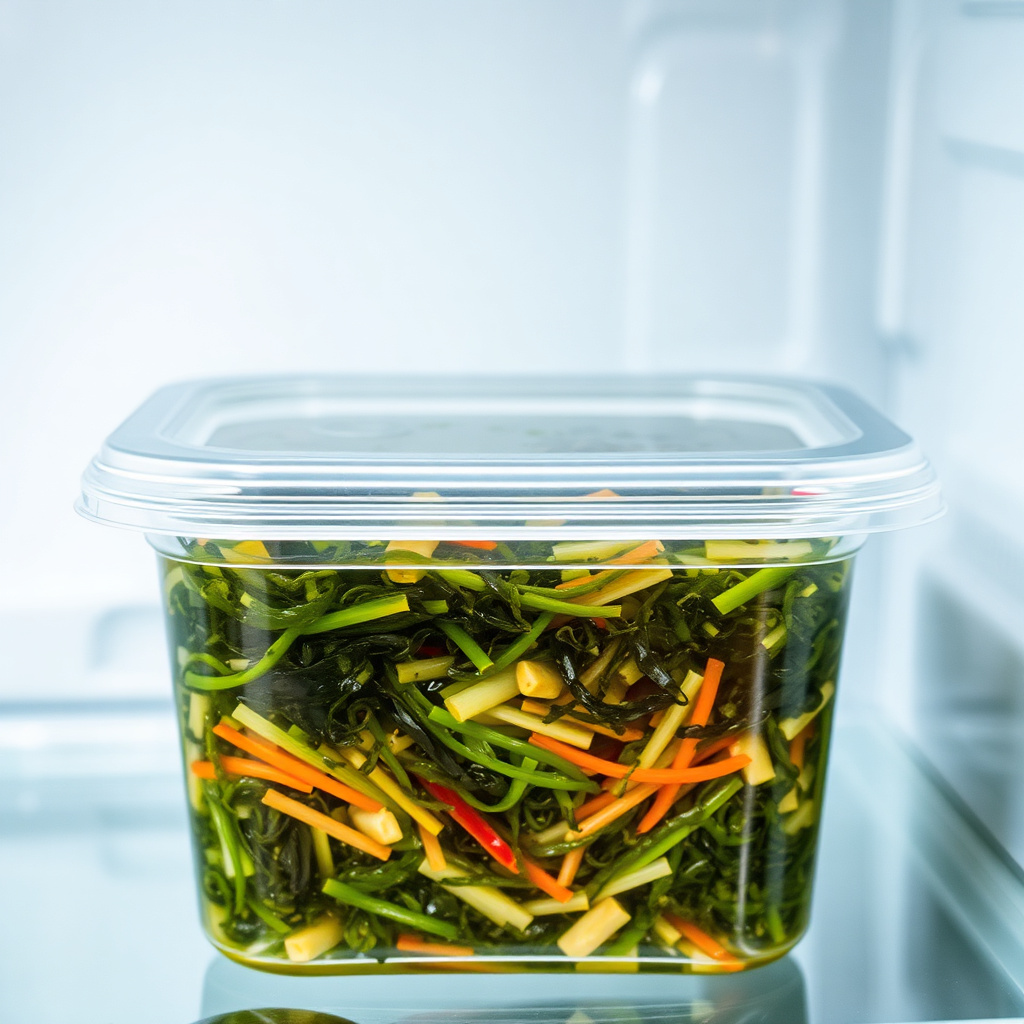
How to Store Seaweed Salad
Keep seaweed salad chilled in an airtight container to preserve freshness and prevent strong odors from spreading in the fridge. Consume within 2-3 days for best texture and taste.
Avoid freezing seaweed salad, as this alters the texture significantly and makes it watery upon thawing.
- Store in airtight container
- Refrigerate immediately
- Consume within 2-3 days
- Do not freeze
For more background on seaweed salad’s origins and varieties, visit the seaweed salad Wikipedia page. seaweed salad Wikipedia page.
Signs of Spoilage
Look for sliminess, off-odor, discoloration, or a mushy texture; these indicate the salad is past its prime and shouldn’t be eaten. Fresh seaweed salad maintains a slightly crisp, tender bite and pleasant aroma.
If you notice any mold growth or unusual appearance, discard immediately to avoid health risks.
- Slimy texture
- Off-putting odor
- Discoloration
- Mold growth
Seaweed Salad Types and Flavor Profiles Comparison
Different types of seaweed offer unique textures and flavors, making some better suited for various salad styles. The table below contrasts common seaweed varieties used in salads.
| Seaweed Type | Texture | Flavor | Best Salad Use |
|---|---|---|---|
| Wakame | Tender and smooth | Mild, slightly sweet | Classic seaweed salad |
| Arame | Thin and delicate | Mild, sweet | Light salads and garnishes |
| Hijiki | Firm and slightly coarse | Stronger, earthy | Heartier salads with richer dressings |
| Kelp | Thick and chewy | Briny, robust | Salads needing more bite and substance |
| Dulse | Soft and chewy | Salty, umami | Cold salads and snacks |
Frequently Asked Questions
Can I use fresh seaweed to make seaweed salad?
Fresh seaweed can be used, but it’s less common and sometimes harder to find. It requires thorough rinsing to remove sand and salt, and the texture can differ from dried varieties commonly used in seaweed salad recipes.
Do I need to cook dried seaweed before making the salad?
No cooking is necessary. Simply soak dried seaweed in cold water until it softens, then rinse and drain before mixing with dressing. Cooking can change the texture and reduce nutrients.
How long does homemade seaweed salad stay fresh?
Stored properly in an airtight container in the refrigerator, seaweed salad stays fresh for about 2 to 3 days. After this, the texture and flavor can degrade, so it’s best consumed promptly.
Can I make seaweed salad vegan or gluten-free?
Yes, seaweed salad is naturally vegan. To keep it gluten-free, use tamari or a gluten-free soy sauce in the dressing to avoid gluten contamination.
What does seaweed salad taste like?
Seaweed salad offers a balance of salty, slightly sweet, and nutty flavors with a fresh ocean brininess. Its texture is tender yet slightly crunchy, making it refreshing and flavorful.
Key Takeaways
- Use wakame seaweed and soak in cold water to maintain texture.
- Prepare a balanced dressing with soy sauce, rice vinegar, sesame oil, and a bit of sweetness.
- Toss gently and let the salad rest briefly to meld flavors.
- Store in an airtight container and consume fresh within a few days.
Conclusion
Choosing the right seaweed and preparing it correctly are essential to making seaweed salad that bursts with fresh, vibrant flavors. The main keyword guides the entire process—from hydrating the seaweed gently to crafting a dressing that complements rather than masks its natural taste. Paying attention to these details ensures a dish that highlights seaweed’s unique texture and nutrition.
For those new to making seaweed salad, sticking with wakame offers familiarity and ease, while trying arame or hijiki can introduce subtler variations in flavor and consistency. The seaweed salad dressing recipe provided balances saltiness, acidity, and nuttiness to enhance the salad’s appeal. Experiment with protein additions or different garnishes if you want to customize it for different occasions.
Once you’ve successfully prepared seaweed salad, consider pairing it with sushi or rice bowls for a healthy boost. Starting with the classic dressing and fresh seaweed, then adapting to your taste, makes this recipe both an approachable and impressive culinary skill. Store leftovers properly and enjoy this satisfying, nutritious dish soon after preparing.