How to Eat Pho vs Ramen: A Detailed Guide to Enjoying These Iconic Noodle Soups
Eating pho and ramen may seem straightforward, but each noodle soup has distinct cultural rituals and flavors that influence how you enjoy them. Pho is traditionally savored by mixing fresh herbs, lime, and sauces to customize a light, aromatic broth, while ramen focuses on rich, hearty broths with specific toppings eaten in a particular order. Understanding these differences will deepen your appreciation of each dish and elevate your eating experience.
Pho, a Vietnamese noodle soup, uses thin rice noodles and a clear, fragrant broth typically garnished with fresh herbs and lime. In contrast, ramen, a Japanese noodle dish, features wheat noodles in a more robust and often oily broth, commonly topped with pork, egg, and seaweed. The contrasts in preparation and presentation result in different ways to savor and combine the ingredients, making the eating style worth exploring.
This article breaks down how to eat pho vs ramen by explaining the best techniques for handling the noodles, broth, and condiments. We'll look at cultural customs, the order of eating, and tips on how to maximize flavor for each soup. Whether you are new to these dishes or want to refine your skills, you'll gain practical guidance here.
Cultural Backgrounds of Pho and Ramen
Origins and Regional Variations of Pho
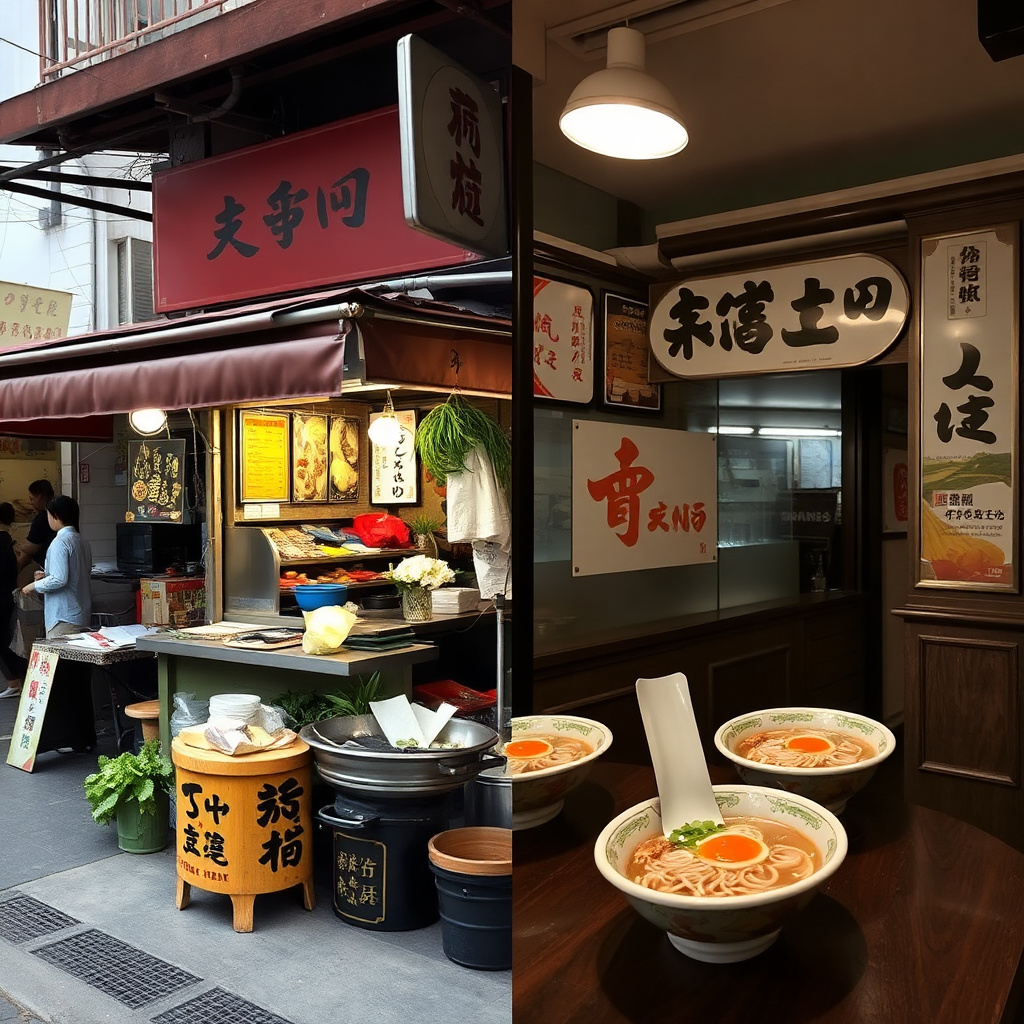
Pho originated in northern Vietnam in the early 20th century and has since spread globally. It features a light broth simmered with beef bones and spices like star anise and cinnamon. Regional variations such as Hanoi-style pho use simpler garnishes and a clearer broth, while southern Vietnamese pho includes more herbs and a sweeter broth.
Knowing the regional differences helps in understanding the typical accompaniments and the balance of flavors you’ll find in pho. It’s common to add fresh herbs like basil, bean sprouts, and lime juice to adjust the taste to your preference, reflecting pho’s customizable nature.
The Evolution and Styles of Ramen
Ramen has a more recent history, with roots in Chinese noodle soups but developed in Japan over the 20th century. It came to include a variety of broths such as shoyu (soy sauce), miso, shio (salt), and tonkotsu (pork bone), each creating a distinct flavor profile.
Regionally, ramen varies widely—from light chicken broths in Tokyo to rich, milky pork bone broths in Fukuoka. The toppings also vary, commonly including chashu pork, soft-boiled eggs, and nori seaweed, which influence how ramen is traditionally eaten.
Eating Techniques: How to Enjoy Pho

Preparing Pho with Condiments and Herbs
Pho is served with a plate of fresh herbs, lime wedges, chili, and sauces like hoisin and sriracha. Before eating, you typically add these condiments to your bowl to adjust flavor. Many prefer squeezing lime over the broth and adding basil and bean sprouts gradually as they eat.
The sauces should be used sparingly to enhance the broth’s subtle flavors rather than overpowering them. This balance is key to an authentic pho experience and helps the aromatic broth shine through.
- Add herbs and bean sprouts gradually
- Squeeze lime to brighten broth
- Use hoisin and sriracha moderately
Noodle and Broth Eating Methods
Pho uses thin rice noodles that are soft and slippery, so gentle slurping with chopsticks is recommended to fully enjoy the noodles with broth. It’s common to sip the aromatic broth between bites rather than mixing everything at once.
Avoid over-stirring the broth to maintain its clarity and fragrance. Focus on eating the noodles quickly after they are lifted to prevent them from becoming mushy.
- Use chopsticks gently to lift noodles
- Slurp softly to combine flavors
- Sip broth intermittently
Eating Techniques: How to Enjoy Ramen

Balancing Rich Broth with Toppings
Ramen broths are often thick and rich, with fat and umami flavors. It’s customary to taste the broth first to appreciate its depth, then mix in some toppings like chashu pork and egg to balance the richness with protein and texture.
Many ramen eaters combine bites of noodles, broth, and toppings in one spoonful to get a full flavor profile. Broth should be savored hot and can be mixed moderately but not overly stirred to keep the consistency.
- Taste broth before mixing
- Combine noodles and toppings strategically
- Sip broth hot for full flavor
Noodle Management and Slurping
Ramen noodles are thicker and chewier than pho’s rice noodles, so stronger, deliberate slurping is encouraged to cool the noodles and amplify the aromas. The slurping noise is culturally accepted and even appreciated in Japan.
Use the ramen spoon to catch broth and toppings while also handling noodles with chopsticks. Adjust noodle and broth ratio by occasionally sipping broth alone to keep the meal balanced.
- Slurp noodles loudly and confidently
- Use spoon to scoop broth and toppings
- Alternate noodles and broth sipping
Utensils and Table Etiquette
Chopsticks and Spoon Use in Pho
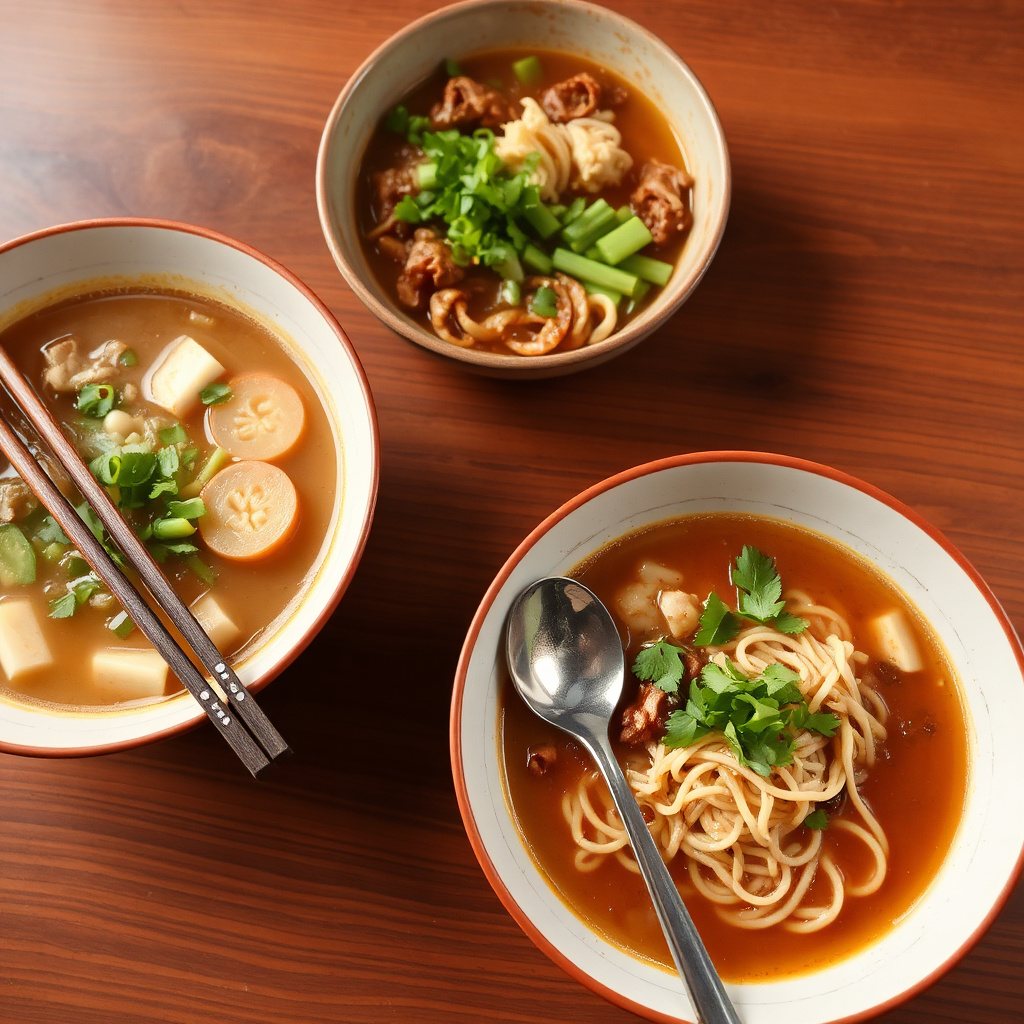
Pho is eaten primarily with chopsticks to handle the noodles and herbs, while a spoon is used for sipping the broth. The spoon is often held in the non-dominant hand, allowing you to alternate between noodles and broth easily.
It’s polite to avoid making loud noises when eating pho, given its Vietnamese dining context. Taking small manageable bites is preferred. Rest chopsticks on a chopstick holder or bowl edge when pausing.
Proper Utensil Use with Ramen
Ramen often comes with both chopsticks and a flat-bottomed ramen spoon called a renge. The renge is designed to hold hot broth and toppings, allowing you to eat the soup alongside the noodles.
Slurping loudly is common in Japan and considered a sign of enjoyment. Use chopsticks for noodles and toppings, and the spoon for broth. It’s also acceptable to drink directly from the bowl once most ingredients are finished.
Common Mistakes When Eating Pho and Ramen

Pho Eating Pitfalls to Avoid
One common error is overloading the pho broth with too much hoisin and sriracha sauce at once, which can overpower the delicate flavor. Another mistake is eating noodles slowly past the optimal softness, causing them to become soggy.
Failing to use fresh herbs or lime juice means missing out on the freshness that defines pho’s flavor. Lastly, eating pho in large mouthfuls without a spoon can be challenging due to the broth’s thin consistency.
- Avoid overusing sauces
- Eat noodles promptly before sogginess
- Add fresh herbs and lime juice
- Use spoon to sip broth
Ramen Eating Pitfalls to Avoid
Common ramen mistakes include sipping only noodles without tasting the broth, or letting noodles sit too long causing them to become soft and lose texture. Excessive stirring of the broth can dilute flavors and oiliness.
Failing to eat toppings along with noodles may lead to an unbalanced flavor. Slurping too quietly can also miss the enjoyment aspect embraced in ramen culture.
- Taste broth before noodles
- Eat noodles quickly to retain chewiness
- Mix toppings with noodles
- Embrace slurping
Enhancing the Experience: Pairings and Side Dishes

Vietnamese Side Dishes with Pho
Pho is often complemented by light and fresh side dishes such as Vietnamese spring rolls (gỏi cuốn) or bánh cuốn, which balance the soup’s warmth with crisp textures. Fresh herbs and dipping sauces included with these sides amplify pho’s herbal profile.
Drinks like iced Vietnamese coffee or jasmine tea can refresh the palate during or after the meal, making the overall dining experience more harmonious.
- Gỏi cuốn (fresh spring rolls)
- Bánh cuốn (steamed rice rolls)
- Jasmine tea or iced coffee
For more detailed background on pho and ramen, consider this comprehensive overview from Wikipedia. Pho and ramen comparison on Wikipedia.
Japanese Side Dishes with Ramen
Ramen is often enjoyed with crispy, pan-fried dumplings called gyoza, or small rice dishes like chahan (fried rice) that complement the umami-rich broth. These sides add layers of flavor and texture, enhancing the filling nature of ramen.
Green tea or barley tea are common drink choices, helping digestion and balancing ramen's richness.
- Gyoza (fried dumplings)
- Chahan (fried rice)
- Barley tea or green tea
Pho vs Ramen: Key Differences at a Glance
Here’s a side-by-side comparison highlighting the main differences between pho and ramen in terms of ingredients, broth type, and eating styles.
| Category | Pho | Ramen | Typical Broth Ingredients |
|---|---|---|---|
| Noodle Type | Thin rice noodles | Medium-thick wheat noodles | Rice flour vs wheat flour |
| Broth Style | Clear, aromatic, light | Rich, oily, strong | Beef bones and spices vs pork/chicken bones, soy, miso |
| Common Toppings | Fresh herbs, lime, bean sprouts | Chashu pork, egg, seaweed | Herbs vs cooked proteins |
| Condiments | Hoisin, sriracha, lime juice | Soy sauce, chili oil, garlic | Sweet-spicy vs savory-spicy |
| Eating Method | Gentle slurping, herbs added gradually | Loud slurping, combined bites | Slurping and mixing styles |
Frequently Asked Questions
Can I substitute noodles between pho and ramen?
While you can technically substitute noodles, pho’s rice noodles and ramen’s wheat noodles behave differently in broth and texture, so using the traditional noodles preserves the authentic experience.
Is it okay to slurp pho noodles loudly?
Pho dining etiquette generally favors gentle eating without loud slurping, which contrasts with ramen culture where loud slurping is a sign of appreciation.
Should I mix all pho condiments into the broth before eating?
It’s best to add pho condiments gradually to maintain control over flavor balance, rather than mixing everything in at once and overpowering the delicate broth.
What’s the best way to cool ramen noodles while eating?
Slurping ramen noodles helps cool them as you eat, and using the spoon to sip broth between bites also balances temperature and flavor.
Are there any specific drinks recommended with pho or ramen?
Jasmine tea complements pho’s light flavors, while green or barley tea is ideal with ramen to cut through its richness.
Key Takeaways
- Pho focuses on fresh herbs and light broth adjusted gradually with condiments.
- Ramen emphasizes rich broth and combined bites including noodles, broth, and hearty toppings.
- Slurping is polite and encouraged with ramen but more restrained with pho.
- Side dishes and drinks tailored to each soup enhance the overall experience.
Conclusion
Choosing how to eat pho vs ramen involves recognizing their distinct cultural roots and flavor profiles. Pho invites a delicate balance of fresh herbs, lime, and subtle seasonings, encouraging a slower, more gentle eating style that highlights the broth’s aromatic clarity. Ramen, by contrast, is built around a robust broth and hearty toppings, calling for bold slurping to fully enjoy its rich textures and warm flavors. Understanding these differences can transform a simple noodle soup meal into a richer culinary experience that honors each dish’s traditions.
If you prefer light, fresh, and herbaceous flavors, pho with its thin rice noodles and clear broth is a great choice that benefits from adding fresh herbs and lime directly to your bowl. For those who seek a filling and umami-packed meal, ramen offers diverse styles from shoyu to tonkotsu with chewy wheat noodles and toppings like chashu and eggs that should be eaten alongside the broth in combined bites. Both soups present opportunities to customize and make the meal your own with condiments and side dishes tailored to their flavor profiles.
To deepen your enjoyment, try visiting local Vietnamese or Japanese eateries where you can observe authentic eating methods firsthand or experiment at home by following the simple techniques and etiquette outlined here. Starting with a well-prepared bowl of pho or ramen and paying attention to broth tasting, condiment adjustments, and noodle management will enrich every spoonful. Whether you favor pho’s refreshing simplicity or ramen’s hearty complexity, understanding how to eat these noodles properly brings out the best in each iconic soup.



One Comment