How to Fry Egg Rolls: A Step-by-Step Guide for Crispy Perfection
Frying egg rolls to crispy perfection begins with the right preparation and technique. First, ensure your egg rolls are properly sealed to prevent filling leaks during frying. Heat oil to about 350°F (175°C) and cook the egg rolls in batches until they turn golden brown and crisp, usually 3 to 5 minutes. Drain excess oil on paper towels for the best texture.
Egg rolls are a popular appetizer that requires frying to achieve their signature crunch. The frying process not only cooks the filling and wrapper but also transforms the texture, bringing out a satisfying contrast between the crisp exterior and tender filling inside. Proper frying technique is key to avoiding greasy or undercooked egg rolls.
In this article, we'll cover choosing the right oil for frying egg rolls, prepping your egg rolls properly, how to heat the oil, frying temperature and timing, oil reuse tips, and safety measures. Following these steps will help you consistently make delicious crispy egg rolls at home.
Choosing the Right Oil for Frying Egg Rolls
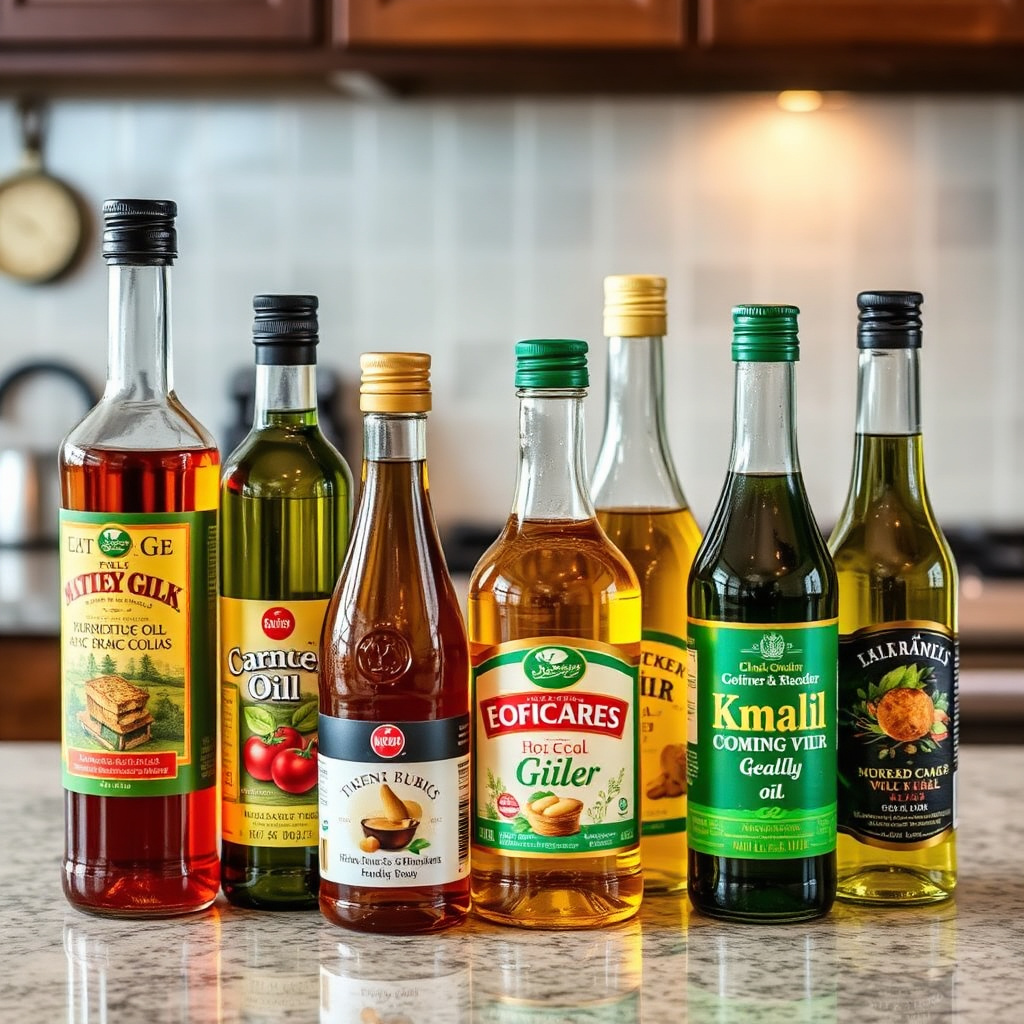
Best Oil for Frying Egg Rolls
When frying egg rolls, selecting an oil with a high smoke point is essential to avoid burning and off flavors. Common choices include peanut oil, vegetable oil, canola oil, and sunflower oil, each with smoke points above 400°F (204°C), making them ideal for deep frying.
Peanut oil is especially popular due to its neutral flavor and high heat stability, but vegetable oil and canola oil are versatile and budget-friendly options. Avoid olive oil and butter because their lower smoke points cause quick burning.
- Peanut oil: neutral flavor, high smoke point
- Vegetable oil: affordable, widely available
- Canola oil: light flavor, good heat tolerance
- Sunflower oil: mild taste, stable at high temps
Oil Preparation and Maintenance
Before frying, ensure your oil is clean and free from food particles, which can lower its smoke point. Strain used oil before storing it and keep it covered in a cool, dark place to extend usability.
Reusing frying oil multiple times is possible but monitor for discoloration, a rancid smell, or excessive smoke during heating, which indicate the oil should be discarded to maintain flavor quality and safety.
- Strain oil after cooling
- Store in airtight containers
- Discard if oil darkens or smells off
Preparing Your Egg Rolls for Frying
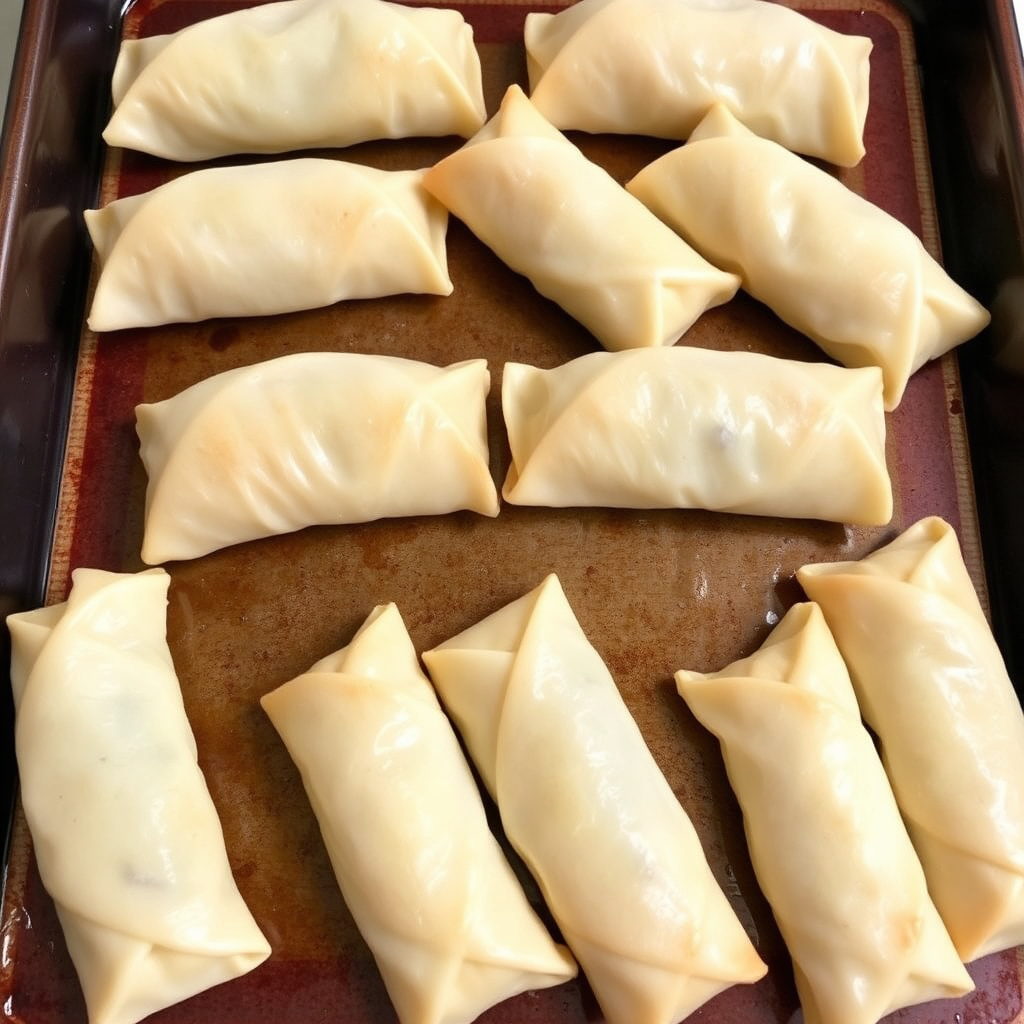
Proper Sealing Techniques
Prevent filling leaks during frying by sealing your egg rolls correctly. Moisten the edges of the egg roll wrapper with water or beaten egg before folding. Press firmly but gently to close all openings.
Using a small amount of cornstarch slurry (cornstarch mixed with water) can also act as a strong adhesive sealant to secure the wrapper edges firmly.
- Moisten edges with water or egg wash
- Press edges firmly to seal
- Use cornstarch slurry as an adhesive
For more on this, see our related guide: How to Reheat Egg Rolls for Crispy, Delicious Results Every Time.
Chilling Before Frying
After rolling and sealing, chill the egg rolls in the refrigerator for about 15-30 minutes. This step helps the wrappers firm up, reducing the chance of unraveling when frying and improving the overall texture.
Chilling also allows fillings to set slightly, which minimizes moisture loss during frying and results in crispier egg rolls.
- Refrigerate egg rolls 15-30 minutes before frying
- Helps maintain shape during oil immersion
Mastering Frying Temperature and Timing
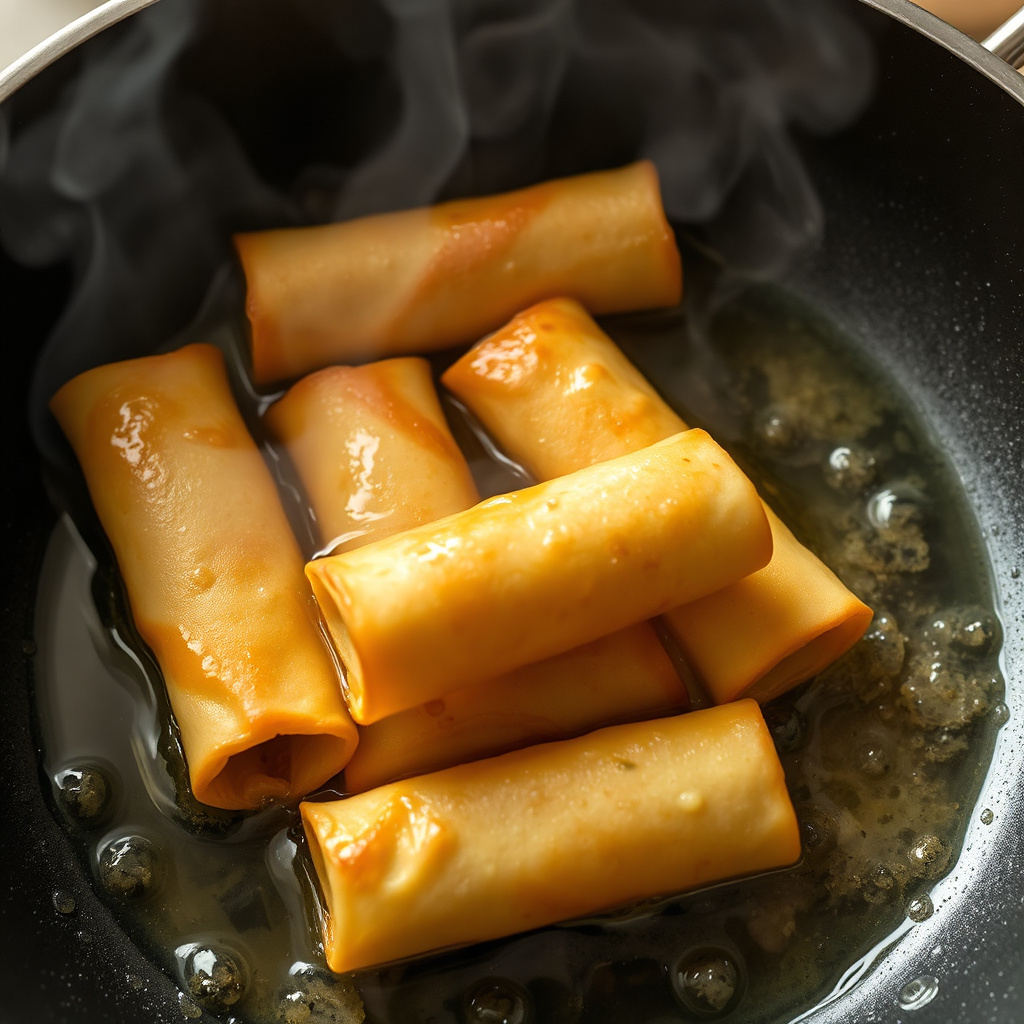
Maintaining the Correct Oil Temperature
Keeping the oil at the right temperature, around 350°F (175°C), ensures egg rolls cook evenly and become crispy. Temperatures that are too low cause soggy rolls that absorb too much oil, while too high temperatures can burn the wrapper before the filling cooks.
Use a deep-fry thermometer to monitor temperature consistently during frying. Adjust the heat source as needed to maintain steady heat.
- Ideal frying temperature: 350°F (175°C)
- Avoid temperature drops when adding egg rolls
- Use a thermometer for accuracy
Frying Duration and Batch Size
Egg rolls usually take 3-5 minutes to fry golden brown. Fry in small batches to maintain oil temperature, usually 3-4 egg rolls at a time depending on your pan size.
Overcrowding lowers the oil temperature, resulting in greasy, unevenly cooked egg rolls. Allow space for circulation and flip occasionally for all-around browning.
- Fry 3-5 minutes until golden
- Avoid overcrowding the pan
- Flip for even crisping
Oil Reuse and Cleanup Tips
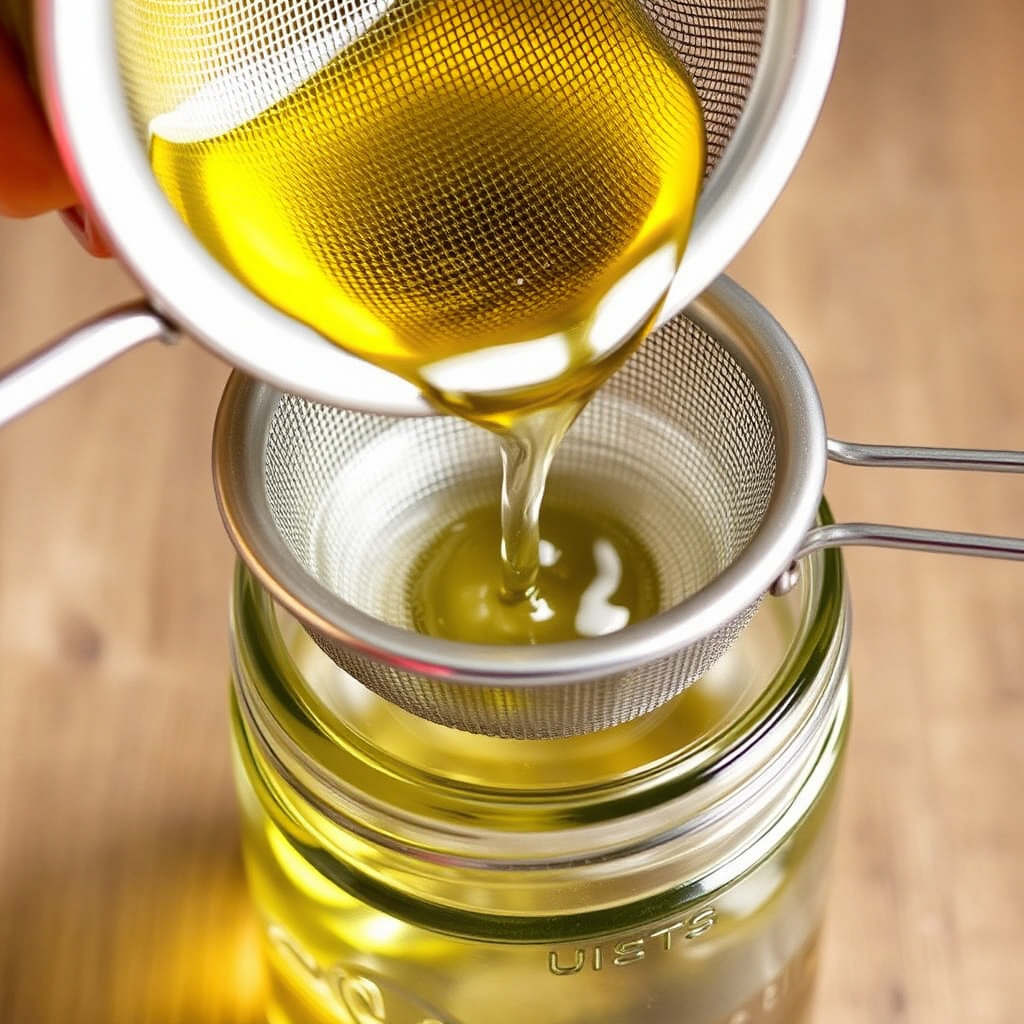
Straining and Storing Used Oil
After frying, let the oil cool to room temperature. Use a fine-mesh strainer or cheesecloth to remove food particles which accelerate oil degradation. Store the filtered oil in a clean, airtight container away from light and heat.
Reusing oil extends its life, but limit reuse cycles to preserve flavor and food safety, typically 2-3 times max depending on use.
- Cool oil completely before straining
- Use fine strainer or cheesecloth
- Store in dark, cool place
For more on this, see our related guide: How to Make Spring Rolls: A Simple Step-by-Step Guide.
Disposal of Old Frying Oil
Never pour used cooking oil down the drain as it can cause plumbing issues and environmental harm. Collect the used oil in a sealed container and dispose of it at local recycling centers or designated waste facilities.
Some communities offer cooking oil recycling programs where the oil is repurposed into biodiesel or other products.
- Do not pour oil down the drain
- Use local recycling or disposal centers
Frying Safety Measures to Follow

Preventing Oil Splatter and Burns
Use long utensils like tongs or slotted spatulas to place and remove egg rolls gently from hot oil. Avoid overcrowding and dropping food from a height to reduce dangerous oil splatter.
Dry egg roll surfaces to minimize moisture, which causes splashing. Keep a splatter screen handy if possible.
- Use long tongs or spatulas
- Dry egg rolls before frying
- Avoid overcrowding the pan
- Consider using a splatter guard
For detailed historical background and variations, see the Egg roll Wikipedia article. Egg roll Wikipedia article.
Handling Hot Oil Safely
Never leave hot oil unattended on the stove. Keep a lid nearby to smother any flames in case of a fire. Avoid adding water or throwing flour into hot oil, which can cause dangerous flare-ups.
Always have a fire extinguisher rated for grease fires within reach when frying.
- Do not leave hot oil unattended
- Keep a lid and fire extinguisher nearby
- Never add water to hot oil
- Use extinguisher rated for grease fires
Egg Roll Frying Oil Comparison
Review the differences in common oils used for frying egg rolls to decide which suits your cooking needs best.
| Oil Type | Smoke Point (°F) | Flavor Profile | Typical Cost | Reuse Capability |
|---|---|---|---|---|
| Peanut Oil | 450 | Neutral, mild | Moderate | Good for 3-4 uses |
| Vegetable Oil | 400-450 | Neutral | Low | Can be reused 2-3 times |
| Canola Oil | 400 | Light, mild | Low | Reusable 2-3 times |
| Sunflower Oil | 440 | Mild, slightly nutty | Moderate | Reusable 2-3 times |
| Olive Oil | 375 | Fruity, strong | High | Not recommended for deep frying |
Frequently Asked Questions
Can I fry egg rolls without a thermometer?
Yes, but it's tricky to maintain the right temperature. You can test oil readiness by dropping a small piece of wrapper into the oil; it should sizzle and rise immediately. However, a thermometer ensures consistent frying.
What if my egg rolls burst while frying?
Bursting usually happens if the wrapper is not sealed well or the oil is too hot. Make sure to seal edges properly and fry at 350°F (175°C) to avoid this issue.
Is it better to air fry or deep fry egg rolls?
Deep frying gives a classic crispy texture and golden color. Air frying is healthier but may result in slightly drier, less crispy skin. Choose based on your texture preference and health goals.
How long can I keep leftover fried egg rolls?
Store leftover egg rolls in an airtight container in the refrigerator for up to 2 days. Reheat in a toaster oven or air fryer to restore crispness.
What fillings work best for fried egg rolls?
Traditional fillings include cabbage, carrots, pork, shrimp, and mushrooms. Use cooked fillings that are not too watery to prevent sogginess during frying.
Key Takeaways
- Use high smoke point oils like peanut or vegetable oil for frying egg rolls.
- Seal wrappers tightly and chill egg rolls before frying to maintain shape.
- Maintain oil temperature around 350°F for even, crispy frying.
- Reuse oil carefully and dispose of it properly after use.
Conclusion
Making crispy, delicious egg rolls at home relies on a handful of critical factors: selecting an appropriate frying oil with a high smoke point, preparing the wrappers carefully to avoid leaks, and maintaining a steady frying temperature. Paying attention to these details will help you achieve golden brown, evenly cooked egg rolls with a satisfying crunch every time.
For most home cooks, vegetable oil or peanut oil provide an excellent balance of flavor neutrality and heat tolerance, making them the best oil for frying egg rolls. Chilling the rolled egg rolls before frying helps keep their shape intact, and frying in small batches at 350°F for 3 to 5 minutes yields optimal texture. Remember to strain and store your frying oil to get additional uses while maintaining quality.
Next time you want to enjoy homemade egg rolls, try following this guide closely. Get a fry thermometer if you don’t own one, prepare your rolls methodically, and monitor your oil carefully. With practice, you will find frying egg rolls easier, safer, and more rewarding — resulting in delightful appetizers that impress family and friends.


