What Is in a Dragon Roll? Exploring the Ingredients of This Popular Sushi
A Dragon Roll is a popular type of sushi roll known for its elaborate presentation and rich flavors. At its core, a Dragon Roll typically contains eel, cucumber, and avocado, wrapped in sushi rice and seaweed, often topped with thin slices of avocado to resemble dragon scales and drizzled with eel sauce for extra sweetness.
This sushi roll stands out because of its combination of cooked eel and fresh avocado, offering a contrast of smoky, sweet, and creamy textures. The careful layering and presentation make it visually striking, mimicking a dragon’s shape which adds to its appeal on sushi menus across the globe.
In this article, we will break down the classic ingredients used in a Dragon Roll, variations you might encounter, and how each component contributes to the flavor and texture. By the end, you’ll know exactly what’s in a Dragon Roll and why it’s so beloved by sushi enthusiasts.
Core Ingredients of a Dragon Roll

Eel (Unagi) – The Heart of the Dragon Roll
Unagi, or freshwater eel, is a key ingredient that gives the Dragon Roll its signature smoky and savory flavor. It is usually grilled and glazed with a sweet soy-based eel sauce, known as unagi sauce, which adds depth and richness.
The eel is cooked before being included in the roll, contrasting with the raw fish often found in other sushi varieties. This makes the Dragon Roll a great option for those who prefer cooked seafood but want to experience traditional sushi flavors.
Rice, Seaweed, and Cucumber
Sushi rice, seasoned with vinegar, sugar, and salt, forms the base of the roll, providing a slightly tangy and firm texture that holds the ingredients together. Nori seaweed wraps around the rice and fillings, adding an umami flavor that balances the roll.
Cucumber adds a refreshing crunch and lightness to the roll, offsetting the richness of the eel and avocado. It is sliced into thin strips and layered inside the roll for textural contrast.
The Role of Avocado and Presentation in Dragon Roll

Avocado – Creaminess and Visual Appeal
Thin slices of avocado are placed atop the roll, giving it a creamy texture that complements the eel’s smokiness. The green avocado also contributes to the iconic 'dragon scale' look when arranged artistically along the roll’s curve.
Besides its flavor contribution, avocado adds healthy fats and a soft mouthfeel, which balances the chewiness of the seaweed and firmness of the rice.
For more on this, see our related guide: What Is a Dragon Roll? A Complete Guide to This Popular Sushi Roll.
Eel Sauce and Garnishes
Eel sauce, a sweet and savory glaze made from soy sauce, sugar, and mirin, is drizzled generously over the top of the roll to enhance flavor and add a glossy finish. This sauce accentuates the smoky eel and smooth avocado.
Common garnishes include toasted sesame seeds and thin slices of green onion or tobiko (fish roe), which add texture, visual appeal, and bursts of additional flavor.
- Eel sauce glaze
- Toasted sesame seeds
- Tobiko or fish roe
Variations of the Classic Dragon Roll
Spicy Dragon Roll
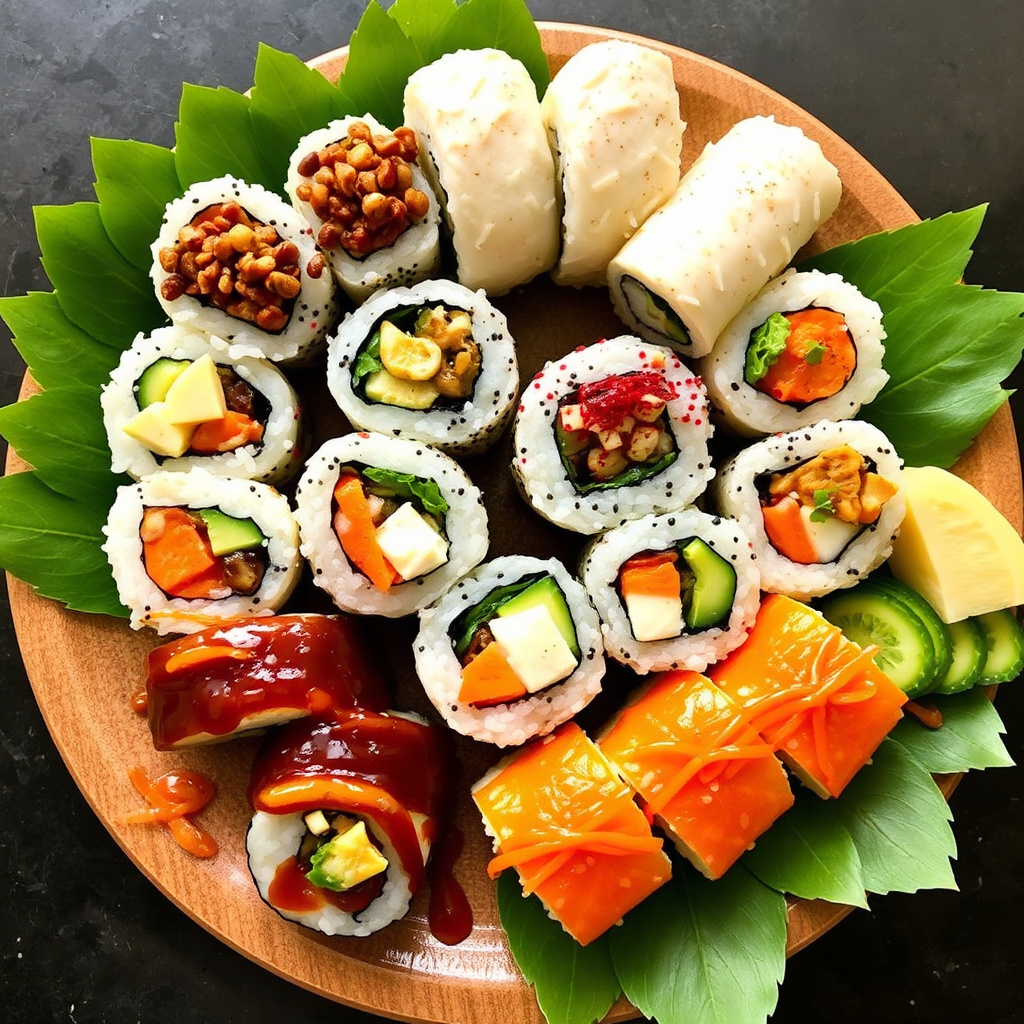
Some versions of the Dragon Roll incorporate spicy elements such as spicy mayo or sriracha mixed with fish roe. This variation delivers a heat contrast to the sweetness of eel sauce and the creaminess of avocado.
Spicy Dragon Rolls often include additional seafood like spicy tuna or crab meat inside, creating a more complex flavor profile favored by those who enjoy a little kick.
Vegetarian Dragon Roll Variants
For vegetarians, some Dragon Rolls substitute eel with grilled or marinated shiitake mushrooms, providing a smoky umami flavor that mimics eel. These rolls keep avocado and cucumber intact to maintain familiar textures.
These alternatives allow non-seafood eaters to enjoy the classic Dragon Roll experience, focusing on the visual appeal and contrasting flavors.
How to Eat and Enjoy a Dragon Roll

Best Dipping Sauces for Dragon Roll
Soy sauce pairs naturally with Dragon Rolls for added saltiness but use lightly to avoid overpowering the sweet eel sauce. Wasabi can be added in small amounts depending on your spice preference.
Some sushi chefs recommend enjoying the roll on its own or with just a light brush of eel sauce to fully appreciate the balance of flavors.
- Soy sauce
- Wasabi
- Eel sauce
For more on this, see our related guide: What Is a Spicy Tuna Roll? A Clear Guide to This Popular Sushi Dish.
Pairing Dragon Roll with Drinks
Dragon Rolls pair excellently with green tea, which helps cleanse the palate between bites. Additionally, light Japanese beers or sake complement the sweet and savory layers without overshadowing subtle flavors.
Choosing the right beverage can elevate the entire meal, making the flavorful experience even more enjoyable.
Nutritional Profile of Dragon Roll Ingredients
Caloric and Macronutrient Breakdown
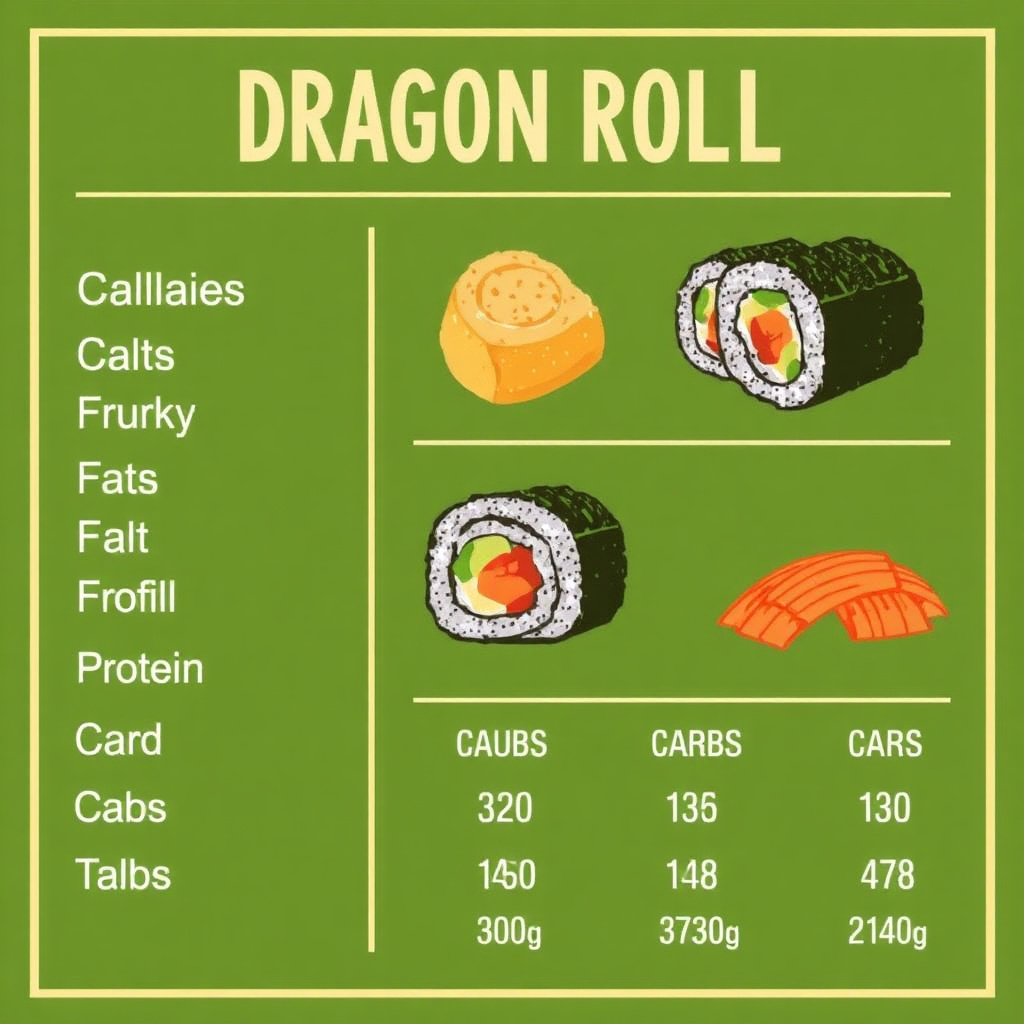
A typical Dragon Roll can range from 300 to 500 calories depending on size and sauce quantity. The balance includes protein from eel, healthy fats from avocado, and carbohydrates from sushi rice.
Eel offers omega-3 fatty acids and vitamin A, while avocado contributes monounsaturated fats and potassium. However, eel sauce adds sugar, so moderation is key.
For a thorough overview of sushi types including Dragon Rolls, see Dragon Roll sushi details on Wikipedia. Dragon Roll sushi details on Wikipedia.
Health Considerations
Because eel is cooked, it’s safer for pregnant individuals and those cautious about raw fish. However, some preparations can be high in sodium and sugar due to sauces, which may impact dietary restrictions.
For those watching caloric intake, skipping or minimizing eel sauce and choosing smaller portions can help balance enjoyment with nutritional goals.
Comparison of Dragon Roll Variations
Here’s a quick look at how different Dragon Roll styles stack up in flavor, ingredients, and dietary preferences.
| Variation | Main Protein/Filling | Heat Level | Suitability for Vegetarians | Popular Sauce |
|---|---|---|---|---|
| Classic Dragon Roll | Grilled eel (unagi) | Mild | No | Eel sauce |
| Spicy Dragon Roll | Grilled eel + spicy mayo or spicy tuna | Medium | No | Spicy mayo + eel sauce |
| Vegetarian Dragon Roll | Grilled shiitake mushrooms | Mild | Yes | Eel sauce or teriyaki |
| California Dragon Roll | Imitation crab | Mild | No | Eel sauce |
Frequently Asked Questions
Is eel cooked in a Dragon Roll?
Yes, the eel used in a Dragon Roll is typically grilled and cooked before being included in the roll, making it a great choice for those avoiding raw seafood.
Can I make a Dragon Roll at home?
Absolutely, with sushi rice, cooked eel or a substitute, avocado, cucumber, nori, and eel sauce, you can assemble a Dragon Roll at home with some practice in rolling sushi.
Does a Dragon Roll contain raw fish?
Traditionally, a Dragon Roll contains cooked eel rather than raw fish, although some variations might add raw elements like spicy tuna.
What is the eel sauce on a Dragon Roll made of?
Eel sauce is a sweet soy-based glaze made from soy sauce, sugar, and mirin, giving the roll its characteristic sweet and savory finish.
Are Dragon Rolls suitable for vegetarians?
Standard Dragon Rolls contain eel and are not vegetarian; however, vegetarian-friendly versions often substitute eel with grilled mushrooms or other plant-based ingredients.
Key Takeaways
- A Dragon Roll features grilled eel, cucumber, and avocado wrapped in sushi rice and seaweed.
- Avocado slices and eel sauce provide creamy texture and a sweet-savory finish.
- Spicy and vegetarian variations exist, catering to different tastes and diets.
- Eating Dragon Roll with light soy sauce or green tea enhances the experience.
Conclusion
Understanding what is in a Dragon Roll allows sushi lovers to appreciate both the culinary technique and the flavor balance that makes this roll a favorite. The combination of smoky grilled eel, crisp cucumber, creamy avocado, and sweet eel sauce creates an enjoyable texture and taste pairing. This mix of ingredients, along with the visually striking presentation, sets the Dragon Roll apart from other sushi offerings.
Those seeking a classic taste should embrace the standard Dragon Roll with unagi and avocado, while adventurous eaters might try spicy versions or vegetarian options that substitute eel with grilled mushrooms. These variations demonstrate the dish’s versatility, making it accessible without losing its distinctive dragon-inspired character. Each type brings unique flavors and textures reflecting the ingredients chosen.
If you want to experience the full spectrum of the Dragon Roll, start with a traditional version from a reputable sushi chef, then explore variations to find your preferred style. Making a homemade Dragon Roll can also be rewarding, as it deepens your appreciation for the balance of flavors and textures that define this iconic sushi roll.


One Comment