What Is Lo Mein Sauce Made Of? A Complete Ingredient Breakdown
Lo mein sauce is primarily made from a balanced combination of soy sauce, oyster sauce, sesame oil, sugar, and garlic, which together create its signature savory and slightly sweet flavor. These ingredients are blended to coat the noodles and vegetables perfectly, bringing out a rich and satisfying taste.
This sauce is essential in Chinese-American cooking, serving as the key binder that unites the noodles with stir-fried meats or vegetables. Understanding what lo mein sauce contains can help you replicate or customize it at home to suit your taste.
This article covers the main components of lo mein sauce, explores additional flavor enhancers, discusses variations to suit dietary preferences, and provides tips for making your own homemade lo mein sauce recipe.
Core Ingredients That Define Lo Mein Sauce

Soy Sauce: The Salty Foundation
Soy sauce is the backbone of lo mein sauce, contributing a salty and umami-rich flavor. Traditionally made from fermented soybeans, its dark color also gives lo mein its appetizing appearance.
There are varieties of soy sauce like light and dark, but most recipes prefer light soy sauce for lo mein to keep flavors balanced without overpowering other ingredients.
- Provides saltiness and umami depth
- Adds dark color to the sauce
- Available in light and dark varieties
Oyster Sauce: Adding Sweetness and Depth
Oyster sauce is a thick, savory condiment made from oyster extracts, sugar, and salt. It adds a mild sweetness and richer umami depth that complements soy sauce well.
This sauce is essential for giving lo mein its characteristic slightly sweet and complex flavor profile that distinguishes it from simpler noodle sauces.
- Offers sweetness and umami
- Enhances sauce viscosity
- Balances salty soy sauce
Flavor Enhancers and Aromatics in Lo Mein Sauce

Sesame Oil: The Nutty Aroma
Sesame oil is used sparingly in lo mein sauce but contributes an unmistakable nutty aroma that intensifies the flavor experience, especially when added at the end of cooking.
Its toasted variety is preferred to provide an earthy, deep aroma that elevates the overall taste without overwhelming the base flavors.
- Adds nutty fragrance
- Used in small amounts
- Enhances mouthfeel
Garlic and Ginger: Aromatic Accents
Fresh minced garlic and optionally ginger add pungent aromatic notes that brighten the sauce. They provide a contrast to the salty and sweet elements, making the flavor more layered and dynamic.
These aromatics are usually stir-fried briefly before adding the sauce to release their essential oils and infuse the dish.
- Introduce sharp aromatic flavors
- Balance sweetness and salt
- Typically stir-fried before mixing
Balancing Taste: The Role of Sugar and Other Sweeteners

Sugar: Sweetness to Round the Flavor
Sugar is a key ingredient that balances the saltiness of soy and oyster sauces. It rounds out the sharpness and helps create the familiar slight sweetness in lo mein sauce.
Depending on the recipe, brown sugar, white sugar, or honey can be used, with brown sugar adding a caramel-like depth.
- Balances salty and umami notes
- Used in moderate quantities
- Different sugars alter flavor subtly
For more on this, see our related guide: What is Mongolian Beef Sauce Made Of? Ingredients and Flavor Profile Explained.
Other Sweeteners and Acidic Touches
Some variations include a splash of rice wine or rice vinegar to add mild acidity that brightens the sauce and cuts through richness. This can subtly enhance overall flavor complexity.
Alternately, hoisin sauce may be added in small amounts for a sweeter, thicker sauce variation favored in certain regions.
- Rice vinegar adds brightness
- Hoisin adds sweetness and thickness
- Rice wine gives mild ferment notes
Common Variations and Dietary Modifications for Lo Mein Sauce
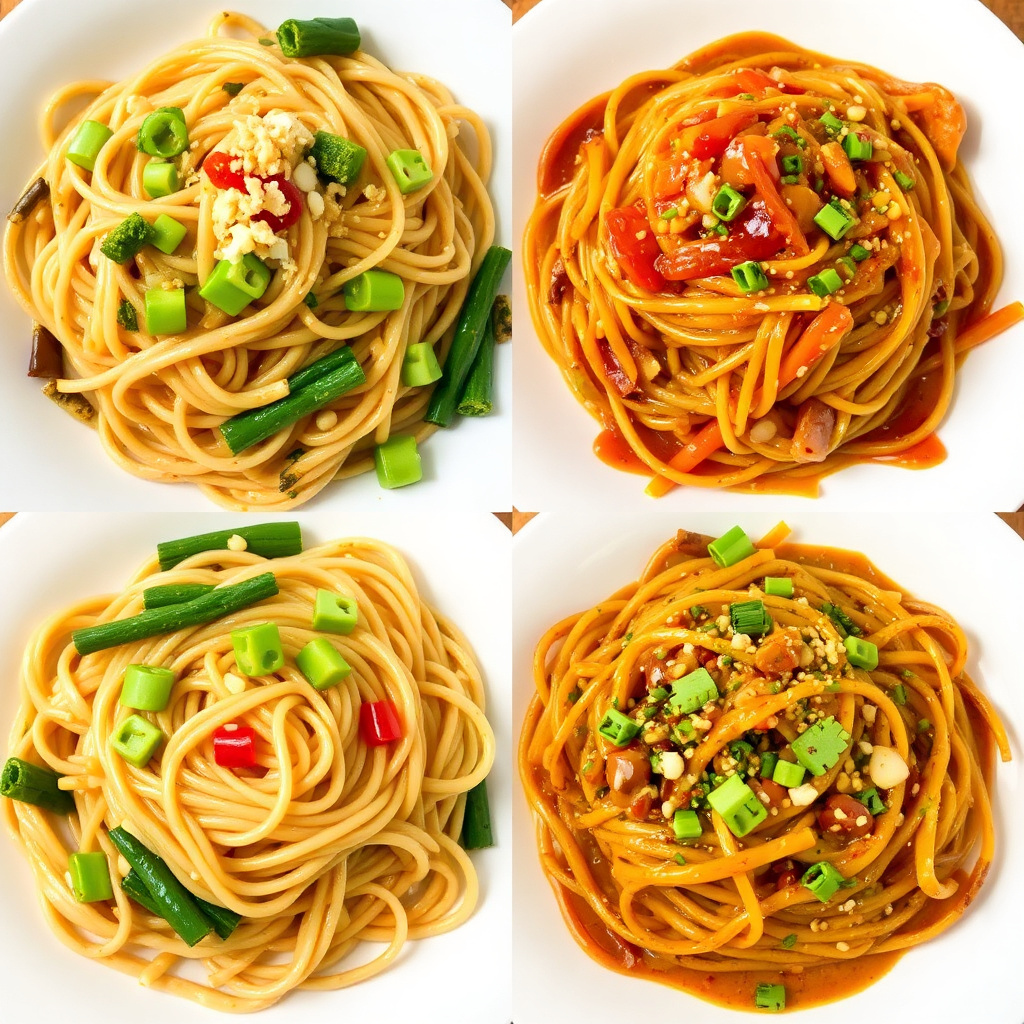
Gluten-Free Substitutes
To accommodate gluten-intolerant diets, tamari or coconut aminos can replace soy sauce without compromising the umami intensity. Oyster sauce alternatives include mushroom-based vegetarian sauces.
These substitutes help maintain a similar texture and flavor while making lo mein accessible to a wider audience.
- Tamari and coconut aminos replace soy sauce
- Mushroom oyster sauce substitutes oyster sauce
- Maintains umami and texture
Vegan and Vegetarian Adjustments
Traditional oyster sauce is animal-based, so vegans often use hoisin or mushroom soy sauces instead to keep depth of flavor.
Adding vegetable broth or a dash of soy sauce with mushroom extract enhances savoriness, creating a rich vegan lo mein sauce.
- Replace oyster sauce with vegetarian alternatives
- Use vegetable broth for added depth
- Hoisin sauce adds sweetness and thickness
How to Prepare Homemade Lo Mein Sauce

Simple Mixing Method
Combining soy sauce, oyster sauce, sugar, sesame oil, and minced garlic in a bowl creates an instant lo mein sauce. Stir thoroughly until sugar dissolves and flavors meld.
This method works well for quick weeknight meals and allows easy variation by adjusting sweetness or saltiness.
- Mix all ingredients thoroughly
- Adjust sugar to taste
- Use fresh aromatics for best flavor
For more on this, see our related guide: What is Hoisin Sauce? A Complete Guide to This Flavorful Asian Condiment.
Cooking Tips for Perfect Sauce Integration
Add the sauce towards the end of stir-frying noodles and vegetables, tossing quickly over high heat to coat everything evenly without overcooking the sauce.
Avoid prolonged heating as sugars can burn and sesame oil loses aroma. A splash of water or broth can loosen the sauce if too thick.
- Add sauce late in cooking
- Toss quickly over high heat
- Adjust consistency with liquid if needed
Serving Lo Mein and Complementary Pairings

Classic Lo Mein Serving Suggestions
Lo mein sauce best complements stir-fried noodles with vegetables like bok choy, carrots, and mushrooms, and proteins including chicken, beef, shrimp, or tofu.
Its rich flavor profile pairs with slightly crisp vegetables, chewy noodles, and tender meats to create a balanced and satisfying meal.
- Use with stir-fried noodles and vegetables
- Pairs well with chicken, beef, shrimp, tofu
- Enhances texture contrasts
For more in-depth understanding of lo mein and the origins of its sauce, you can visit the lo mein sauce detailed explanation on Wikipedia. Lo mein sauce detailed explanation on Wikipedia.
Sauce Storage and Leftover Usage
Store any leftover lo mein sauce in an airtight container in the refrigerator for up to a week. It can be used as a marinade, dipping sauce, or flavor enhancer for other stir-fries.
Reheat gently to preserve flavor and avoid burning sugar components.
- Keeps up to 1 week refrigerated
- Versatile for marinades and dips
- Reheat gently before use
Common Lo Mein Sauce Variations Comparison
Below is a comparison of popular lo mein sauce variations based on key ingredients, flavor profile, and dietary considerations.
| Variation | Soy Sauce Type | Oyster Sauce Type | Sweetener Used | Diet Suitability |
|---|---|---|---|---|
| Traditional | Light soy sauce | Regular oyster sauce | White sugar | Non-veg/regular |
| Gluten-Free | Tamari | Mushroom oyster sauce | Brown sugar | Gluten-free |
| Vegan | Light soy sauce | Hoisin sauce | Brown sugar/honey | Vegan friendly |
| Low-Sodium | Low-sodium soy sauce | Low-sodium oyster sauce | Stevia or less sugar | Low sodium |
| Sweet-Heavy | Light soy sauce | Regular oyster sauce | Brown sugar/honey (higher amount) | Regular |
Frequently Asked Questions
Does lo mein sauce always include oyster sauce?
While traditional lo mein sauce uses oyster sauce for depth and sweetness, some variations omit it for vegetarian or vegan preferences, replacing it with hoisin or mushroom-based sauces.
Can I use soy sauce alone to make lo mein sauce?
Soy sauce alone lacks the sweetness and complexity of traditional lo mein sauce, so adding ingredients like sugar, sesame oil, and oyster sauce or substitutes is recommended for authentic flavor.
Is sesame oil necessary in lo mein sauce?
Sesame oil is not strictly necessary but is highly recommended because its nutty aroma enhances the flavor profile and adds a distinctive aroma that complements other ingredients.
How sweet should lo mein sauce be?
Lo mein sauce typically has a subtle sweetness that balances the salt from soy and oyster sauces; using moderate sugar amounts ensures it tastes rich without becoming sugary.
Can I make lo mein sauce ahead of time?
Yes, lo mein sauce can be prepared ahead and stored in the refrigerator for up to a week, making it convenient to have ready for quick meals.
Key Takeaways
- Lo mein sauce mainly consists of soy sauce, oyster sauce, sesame oil, garlic, and sugar.
- Oyster sauce adds sweetness and umami depth unique to lo mein flavor.
- Variations exist to accommodate gluten-free and vegan diets using substitutes.
- Home preparation is simple by mixing ingredients and adding sauce late in cooking.
Conclusion
When deciding how to make or identify lo mein sauce, focus on its core ingredients: soy sauce, oyster sauce, garlic, sesame oil, and sugar. These components create a balance of salty, sweet, and umami flavors essential to the dish’s traditional taste. Understanding the ingredient roles can guide personalized tweaks and dietary substitutions without losing the authentic essence of lo mein.
For those seeking simplicity, the traditional version using light soy sauce and oyster sauce works well for most palates and occasions. Gluten-free eaters should consider tamari and mushroom oyster sauce alternatives, while vegans can rely on hoisin and mushroom-based sauces to maintain flavor. Adjusting sugar amounts allows flavor tailoring, and adding aromatics like fresh garlic enhances the sauce’s complexity.
Try starting with a basic homemade lo mein sauce recipe and adapt based on your ingredient availability and taste preferences. Mix the sauce fresh or store it refrigerated for easy use, adding it at the end of stir-frying noodles. This practical approach helps anyone enjoy flavorful lo mein noodles with minimal fuss and maximum satisfaction.



One Comment