How to Make Chinese Food Healthier: Simple Tips for Nutritious Cooking
To make Chinese food healthier, focus on reducing oil use, choosing lean proteins, increasing vegetables, and opting for lighter sauces. By modifying common ingredients and cooking methods, you can enjoy the flavors of classic dishes with fewer calories and less sodium.
Chinese cuisine offers a rich variety of dishes full of vibrant flavors, but some popular recipes tend to be high in fat, sugar, and salt. Adjusting traditional recipes benefits those seeking balanced meals, weight management, or heart health without sacrificing taste or authenticity.
This article will explore practical ways to improve the nutritional profile of Chinese meals, including ingredient substitutions, cooking techniques, and sauce alternatives. Whether cooking at home or ordering out, these suggestions will help you enjoy healthier Chinese food every time.
Choosing Healthier Ingredients for Chinese Food
Selecting Leaner Proteins
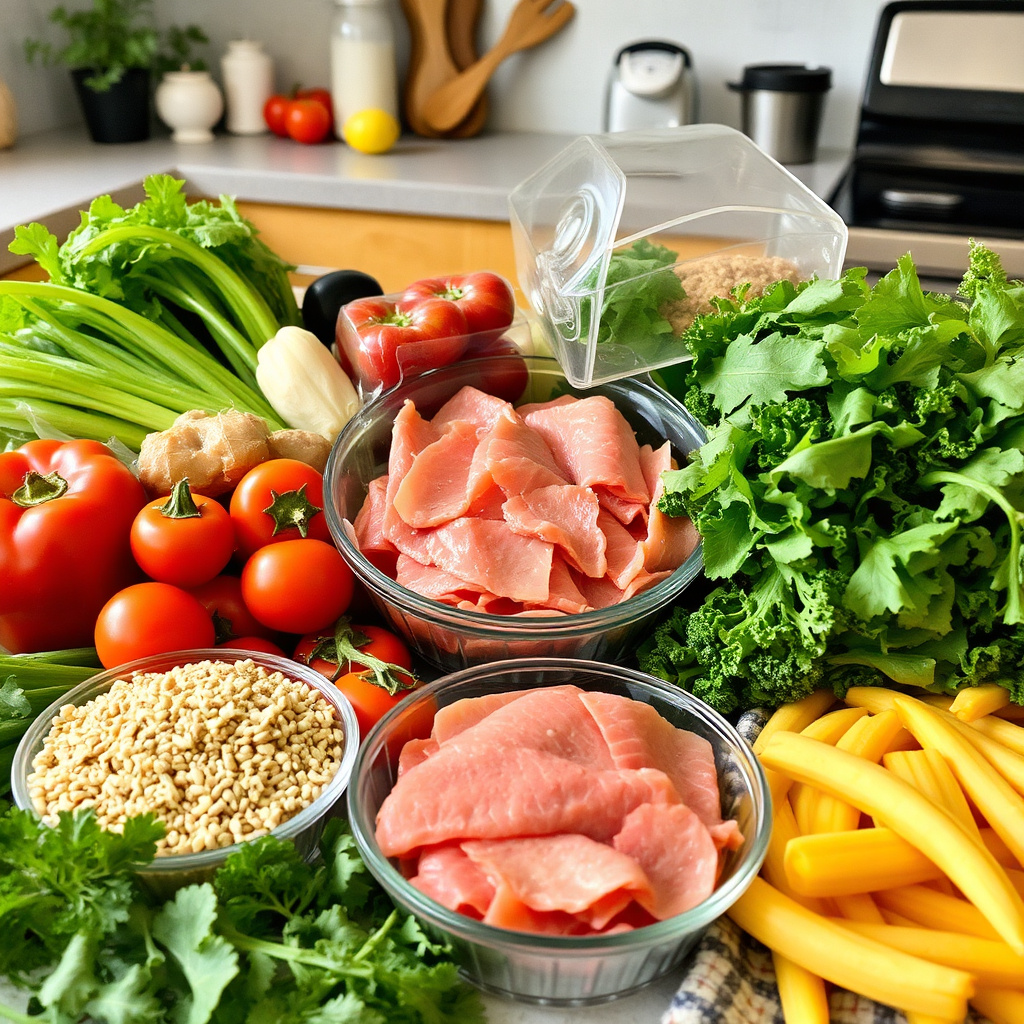
Swap traditional fatty cuts of meat like pork belly for leaner options such as skinless chicken breast, turkey, or firm tofu. These proteins provide essential nutrients without excessive saturated fat.
Seafood, including shrimp, scallops, and fish fillets, is also a heart-friendly option and pairs well with the bold flavors of Chinese cuisine.
- Chicken breast instead of fatty pork
- Tofu and tempeh as plant-based protein
- Seafood like shrimp and fish
Using More Vegetables and Whole Grains
Incorporate a variety of colorful vegetables like bok choy, broccoli, bell peppers, and snow peas to boost fiber, vitamins, and minerals. Vegetables also add texture and volume, helping you feel full with fewer calories.
Replace refined white rice with whole grains such as brown rice, quinoa, or barley to increase fiber content and improve blood sugar control.
- Add leafy greens and crunchy vegetables
- Use brown rice or quinoa instead of white rice
- Try substituting noodles with whole wheat or vegetable-based alternatives
Cooking Techniques to Reduce Fat and Calories
Steaming and Stir-Frying with Less Oil
Steaming is a nutritious cooking method that preserves nutrients and uses no oil. Perfect for vegetables, fish, and dumplings, steaming maintains the food’s natural flavors and textures.
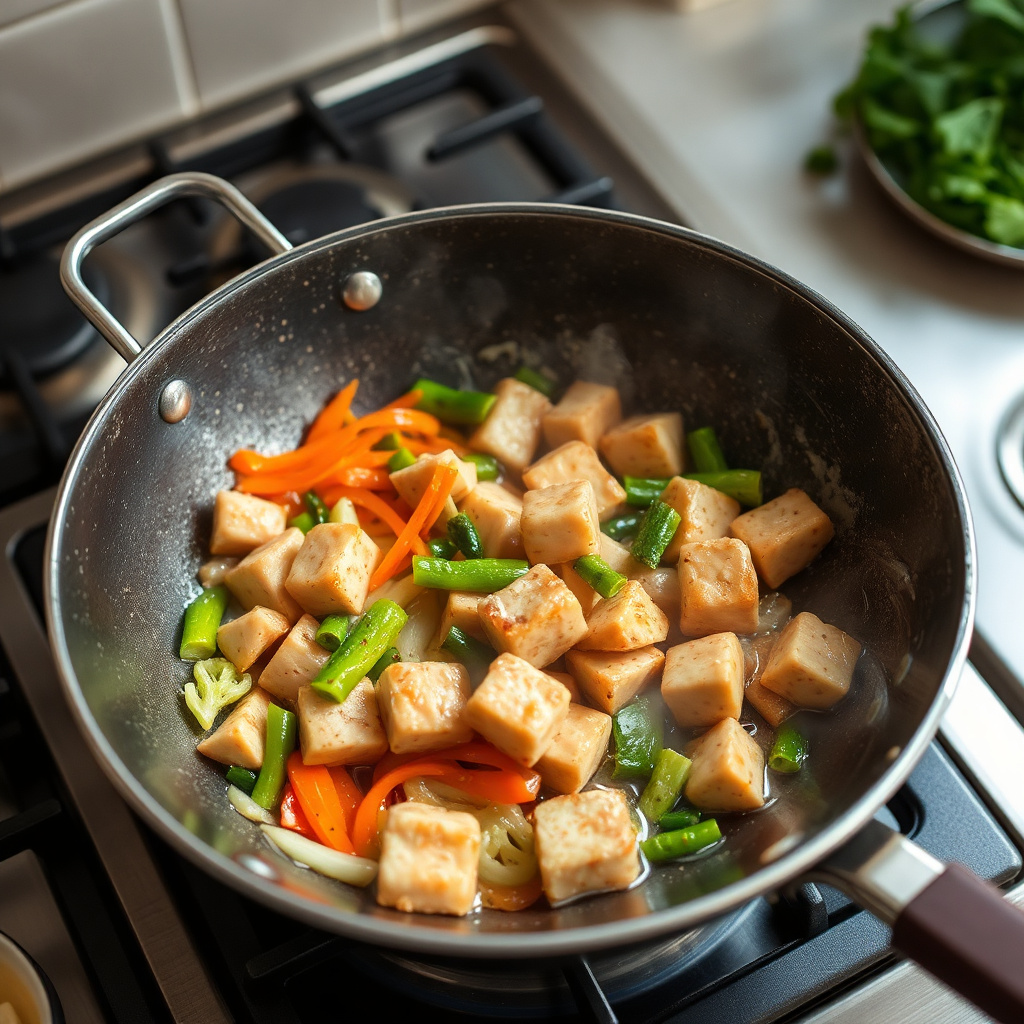
When stir-frying, use a non-stick wok and measure oil carefully to limit added fat. Using healthy oils like peanut or canola oil, sparingly, can retain authentic flavor without heaviness.
- Steam vegetables instead of deep-frying
- Use 1-2 teaspoons of healthy oil for stir-frying
- Preheat wok to reduce sticking
For more on this, see our related guide: How to Make Chinese Food Less Salty Without Losing Flavor.
Grilling and Baking Alternatives
Grilling meats and tofu allows fat to drip away, yielding a leaner dish with smoky flavor. Similarly, baking or roasting with light seasoning can substitute for pan-frying or deep-frying.
These methods reduce unnecessary oil absorption and encourage crisp textures without added calories.
- Grill chicken skewers instead of frying
- Bake spring rolls instead of frying
- Roast vegetables for a caramelized finish
Healthier Sauce Choices and Flavor Enhancements
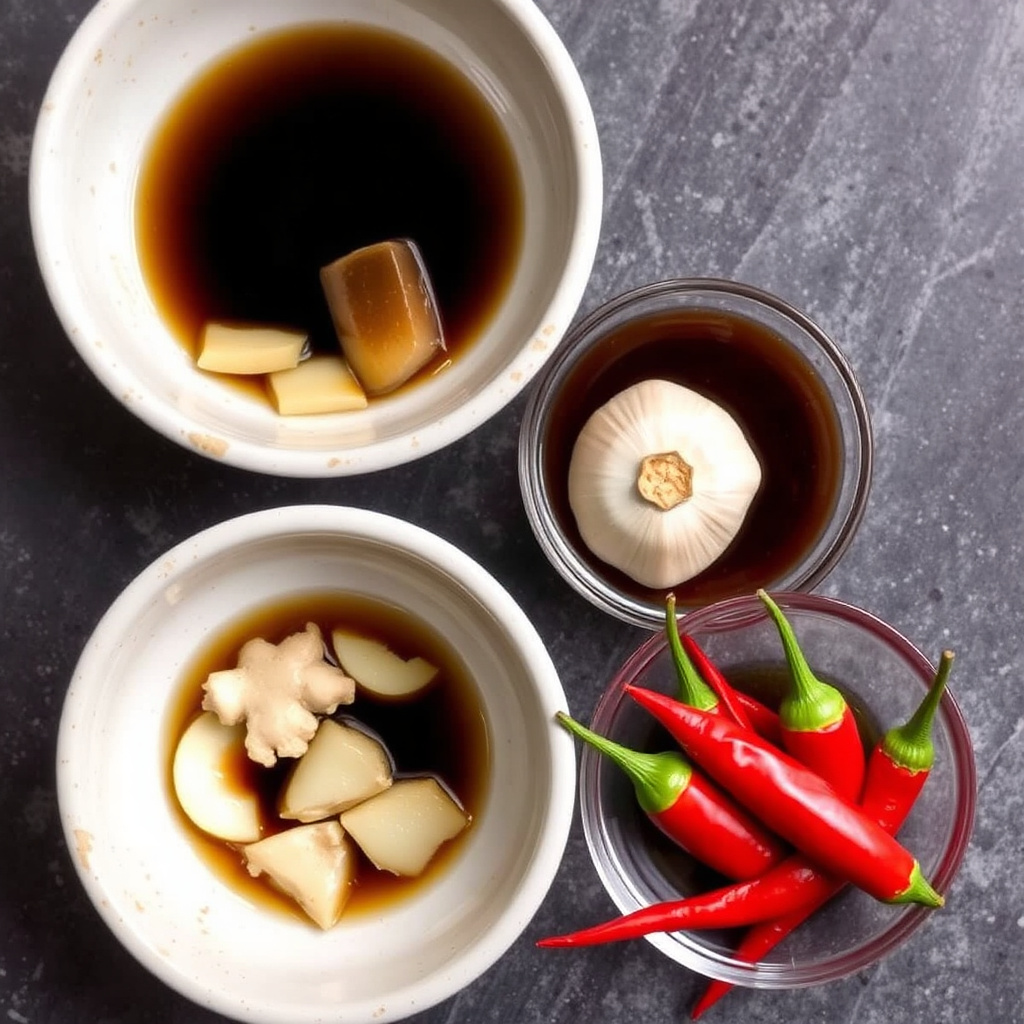
Reducing Sodium and Sugar in Sauces
Typical Chinese sauces often contain high amounts of sodium and sugar. Opting for low-sodium soy sauce or tamari reduces salt content without losing the umami flavor.
Cut back on sugar by using natural sweeteners like fresh ginger or a small amount of honey instead of processed sugars or thickened sauces.
- Use low-sodium soy sauce
- Replace sugar with fresh ginger or honey
- Dilute sauces with broth or water
Enhancing Flavor with Herbs and Aromatics
Fresh herbs such as cilantro, scallions, and Thai basil add brightness and depth to dishes without calories. Aromatics like garlic, ginger, and chili peppers contribute vibrant taste and potential health benefits.
Adding these ingredients boosts flavor complexity and reduces reliance on heavy sauces.
- Chop fresh cilantro or scallions as garnish
- Include minced garlic and grated ginger
- Add sliced chili peppers for heat
Portion Control and Balanced Meal Planning
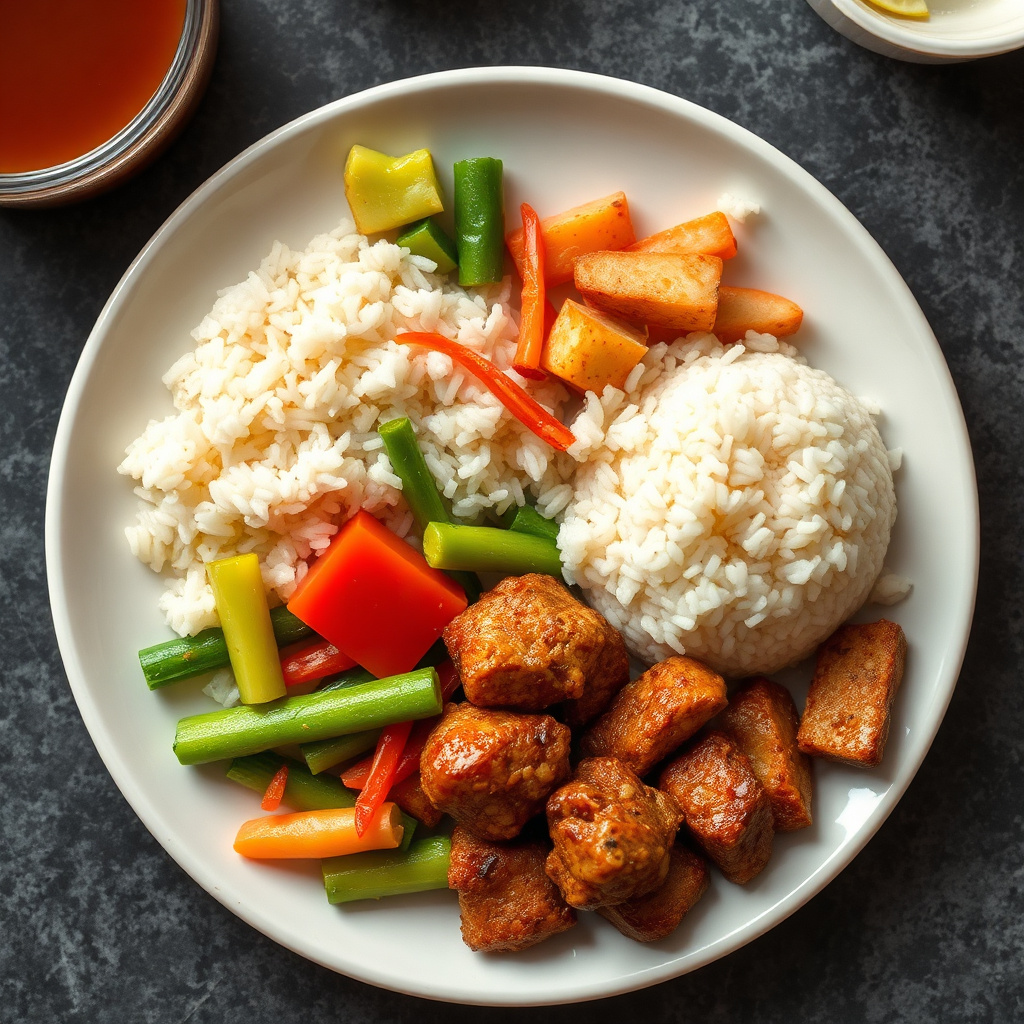
Serving Appropriate Portions
Chinese meals often feature shared dishes, making it easy to overeat. Using smaller plates and consciously controlling portion sizes helps manage calorie intake.
Balance your plate with one-quarter protein, one-quarter whole grains, and half non-starchy vegetables to maintain nutritional variety.
- Use smaller plates to control portions
- Fill half your plate with vegetables
- Avoid seconds until digestion matches hunger
For more on this, see our related guide: How to Make Honey Walnut Shrimp: A Simple Homemade Recipe.
Pairing with Healthy Sides and Soups
Accompany main dishes with light soup like clear broth with vegetables or miso to promote fullness without extra calories.
Steamed or lightly dressed salads with Asian flavors can add freshness and fiber, offsetting denser dishes.
- Choose broth-based soups over creamy ones
- Include fresh cucumber or seaweed salad
- Avoid fried appetizers as sides
Making Smarter Choices When Ordering Chinese Food
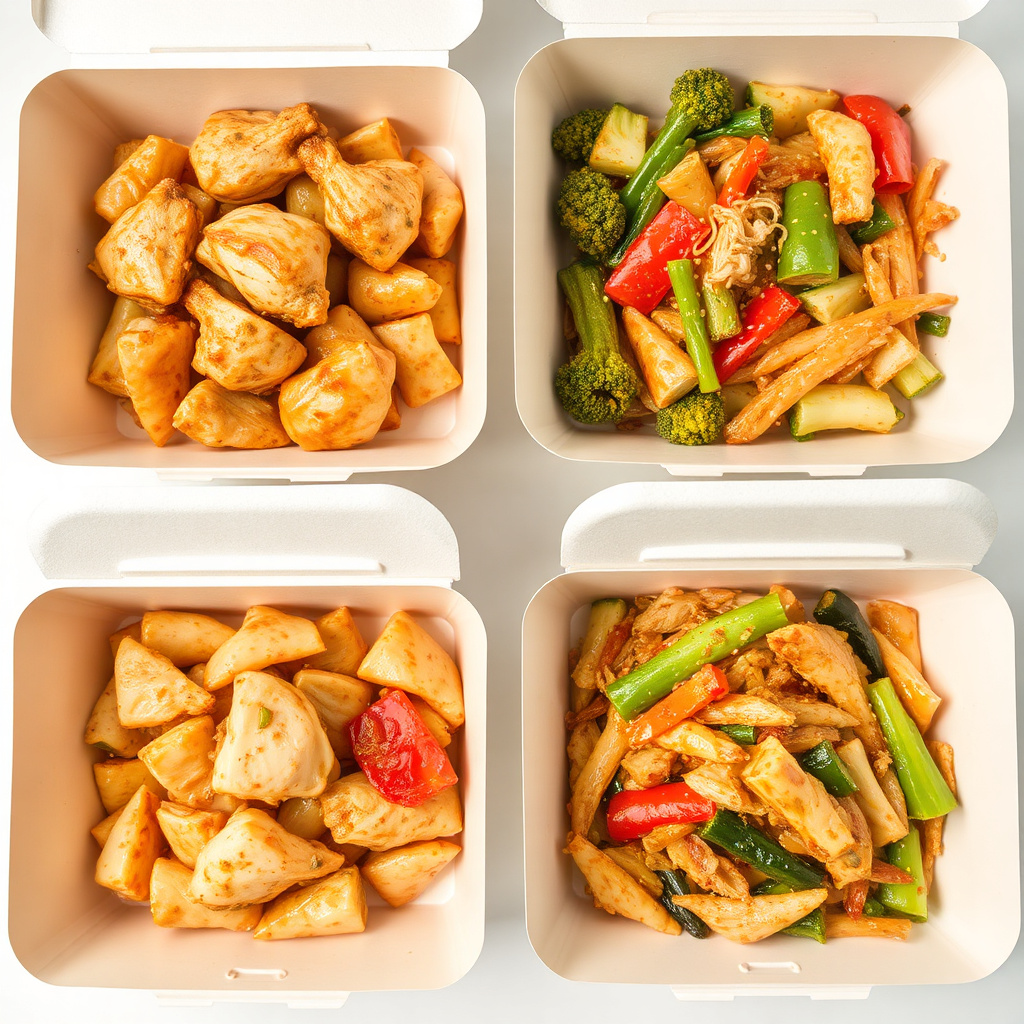
Identifying Healthier Menu Options
Look for dishes labeled steamed, boiled, or stir-fried with minimal oil. Avoid options described as crispy, deep-fried, or in heavy sauces like General Tso’s or sweet and sour pork which tend to be calorie dense.
Ask for sauces on the side to control the amount used and request less salt or oil when ordering.
- Choose steamed dumplings over fried ones
- Order clear soups or vegetable-based dishes
- Request sauce on the side
For more detailed insights on the nutritional aspects of Chinese food, visit this comprehensive overview of Chinese cuisine nutrition information. Chinese cuisine nutrition information.
Customizing Takeout for Better Nutrition
Substitute white rice for brown rice or ask if noodles can be replaced with vegetable noodles or extra veggies. Splitting dishes or sharing with a friend can help avoid overeating.
Select vegetable-forward dishes and add extra greens from appetizers or sides to increase fiber content.
- Swap white rice for whole grain options
- Request extra vegetables instead of rice or noodles
- Split portions to reduce calorie intake
Comparison of Common Chinese Food Categories for Healthiness
Here’s a quick comparison of typical Chinese dish categories highlighting their calorie content, fat, and sodium levels to guide healthier choices.
| Category | Typical Calories per Serving | Fat Content | Sodium Level | Recommended Healthier Option |
|---|---|---|---|---|
| Deep-Fried Dishes | 500-800 | High (20-40g) | High (1000-1500mg) | Choose steamed or baked instead |
| Sauce-Heavy Dishes | 400-700 | Moderate (10-20g) | Very High (1500-2000mg) | Request sauce on the side or use low-sodium sauces |
| Steamed Dishes | 250-400 | Low (5-10g) | Low to Moderate (300-700mg) | Preferred for health |
| Stir-Fried with Little Oil | 300-500 | Moderate (10-15g) | Moderate (600-900mg) | Use minimal oil and fresh vegetables |
| Vegetable-Focused Dishes | 150-300 | Low (3-7g) | Low (200-500mg) | Excellent for fiber and nutrients |
Frequently Asked Questions
Can I still enjoy traditional flavors while making Chinese food healthier?
Yes, by using fresh herbs, aromatics, and lighter sauces, you can keep authentic flavors while reducing fat and sodium content for healthier meals.
Is brown rice a good substitute for white rice in Chinese cooking?
Absolutely. Brown rice provides more fiber and nutrients, helping improve digestion and blood sugar control, while pairing well with many Chinese dishes.
What are some good low-fat cooking methods for Chinese food?
Steaming, grilling, baking, and stir-frying with a small amount of healthy oil are excellent low-fat methods that preserve flavor and texture.
How can I reduce sodium without compromising taste in Chinese sauces?
Use low-sodium soy sauce, fresh ginger, garlic, and herbs, and request sauces on the side so you control how much you add.
Are vegetable-based dishes generally healthier in Chinese cuisine?
Yes, vegetable-forward dishes tend to be lower in calories and fat and are rich in fiber and nutrients, making them great choices for a nutritious meal.
Key Takeaways
- Use lean proteins and increase vegetable content for better nutrition
- Choose cooking methods like steaming and stir-frying with less oil
- Opt for low-sodium sauces and enhance flavor with herbs and aromatics
- Practice portion control and balance meals with whole grains
Conclusion
Finding a balance between enjoying favorite Chinese dishes and eating healthily requires focusing on ingredient quality, cooking techniques, and portion sizes. Simplifying recipes by reducing oil, sugar, and salt, while adding fresh vegetables and lean proteins, creates meals that satisfy both taste and health goals. This approach allows maintaining traditional flavors while decreasing excess calories and sodium.
For practical application, steamed dishes such as steamed fish or vegetable dumplings, and stir-fries using minimal oil with plenty of greens work well for everyday meals. When ordering out, choosing steamed or lightly stir-fried options, requesting sauces on the side, and swapping white rice for brown rice can make a significant difference. Keeping portions moderate and including soups or salads add balance without extra calories.
Taking these steps gradually will lead to healthier Chinese food that matches your lifestyle without feeling restrictive. Start by experimenting with cooking methods and ingredients at home, then apply these strategies when eating out. Over time, healthier choices can become enjoyable habits that support long term well-being.