How to Make Chow Mein: Easy Steps for Delicious Homemade Chow Mein
Making chow mein at home starts with the right ingredients and technique to achieve that classic combination of crispy noodles and savory stir-fried vegetables and proteins. You’ll need cooked noodles, fresh vegetables, a flavorful sauce, and optionally a protein like chicken, beef, shrimp, or tofu. Stir-frying everything together quickly over high heat creates the signature texture and taste.
Chow mein matters because it’s a versatile, satisfying dish that you can adapt to your preferences. Whether you prefer vegetarian chow mein or want to add meat, the balance of sauce, noodles, and veggies defines the final result. Homemade chow mein also lets you control the freshness and seasoning compared to many takeout options.
In this article, you'll find step-by-step instructions for making chow mein from scratch, including noodle preparation, selecting vegetables and proteins, creating the sauce, stir-frying techniques, and tips for achieving crispy noodles. We’ll also explore common variations and troubleshooting tips to perfect your chow mein.
Choosing the Right Noodles for Chow Mein

Types of Noodles Suitable for Chow Mein
Lo mein and chow mein often use similar wheat-based egg noodles, but for authentic chow mein, thinner, somewhat firm noodles are preferred because they crisp well when stir-fried. You can find fresh or dried Chinese egg noodles, which have a springy texture essential for the dish.
Using thin, yellow wheat noodles without too much soaking or overcooking helps maintain texture, while thick or soft noodles will become gummy during stir-frying, losing the characteristic crispiness. Fresh noodles often give the best results but dried ones work if prepared correctly.
- Fresh Chinese egg noodles
- Dried wheat chow mein noodles
- Thin yellow egg noodles
- Avoid thick udon or rice noodles
Preparing Noodles Before Cooking
Cook noodles just until al dente in boiling water, usually 2-3 minutes for fresh noodles. Then rinse immediately under cold water to stop cooking and prevent sticking. Drain thoroughly to keep them separate during stir-frying.
Some prefer tossing noodles lightly in oil after draining to prevent clumping. Proper preparation ensures noodles crisp nicely in the wok or pan without becoming soggy from residual water.
- Boil noodles 2-3 minutes until just tender
- Rinse with cold water immediately
- Drain and optionally toss in a small amount of oil
Selecting and Preparing Vegetables

Ideal Vegetables for Chow Mein
Popular vegetables include bell peppers, shredded cabbage, bean sprouts, carrots, and scallions. These vegetables provide color, crunch, and freshness that balance the noodles and sauce.
Choosing crisp veggies is key to keeping texture contrast. Avoid overly watery or soft vegetables that will release moisture and make noodles soggy. Prepping vegetables uniformly ensures even cooking.
- Bell peppers
- Shredded cabbage
- Carrots
- Bean sprouts
- Scallions
For more on this, see our related guide: How to Make Lo Mein: A Simple Guide to Authentic Chinese Noodles.
Vegetable Prep Tips for Stir-Frying
Cut vegetables into thin, bite-sized pieces so they cook quickly and evenly. Wash and drain thoroughly before cooking to avoid excess moisture.
Add vegetables according to their cooking time: start with carrots and peppers first, then cabbage and scallions, adding bean sprouts last to keep their crunch.
- Slice vegetables thinly and evenly
- Dry vegetables well after washing
- Add ingredients based on cooking time
Making the Chow Mein Sauce

Common Sauce Ingredients and Their Roles
Chow mein sauce typically combines soy sauce, oyster sauce, sesame oil, sugar, and sometimes a broth or water base. Soy sauce provides saltiness and umami, oyster sauce adds depth and sweetness, and sesame oil brings a toasty aroma.
Balancing these flavors ensures the sauce complements but does not overpower the noodles and vegetables. Fresh garlic and ginger are often added for pungency and zest.
- Soy sauce: salty umami base
- Oyster sauce: sweet and savory depth
- Sesame oil: nutty aroma
- Sugar or mirin: slight sweetness
- Garlic and ginger: fresh pungency
Mixing and Adjusting the Sauce
Mix sauce ingredients in a small bowl before adding to the stir-fry, so the seasoning is even. Taste and adjust saltiness or sweetness depending on your preferences.
For gluten-free or vegetarian versions, tamari or mushroom-based sauces can substitute soy and oyster sauce respectively without losing much flavor.
- Combine ingredients in a bowl for consistent flavor
- Adjust salt or sugar to taste
- Use tamari or mushroom sauce for alternatives
Stir-Frying Techniques for Perfect Chow Mein

Achieving Crispy Noodles
Use a wok or large pan preheated on high heat, and oil sparingly to avoid sogginess. Add noodles in a thin layer and let them sit undisturbed for short bursts to develop crisp patches before tossing.
Avoid overcrowding the pan to keep ingredients hot and allow moisture to evaporate quickly, contributing to noodle crispiness.
- Preheat wok or pan thoroughly
- Add noodles in thin layers
- Let noodles crisp undisturbed briefly
- Avoid overcrowding the pan
For more on this, see our related guide: What is Chow Fun? A Complete Guide to This Classic Chinese Noodle Dish.
Timing Vegetable and Protein Addition
Stir-fry protein first if using chicken, beef, shrimp, or tofu until cooked through. Remove and set aside. Add vegetables by order of cooking time, then noodles and sauce last.
Toss everything quickly together just long enough to combine flavors without steaming ingredients. This quick cooking sequence keeps textures crisp and vibrant.
- Cook protein fully before adding vegetables
- Add vegetables in order of cooking time
- Combine noodles and sauce last with vegetables
Customizing Chow Mein to Your Taste

Protein Options for Chow Mein
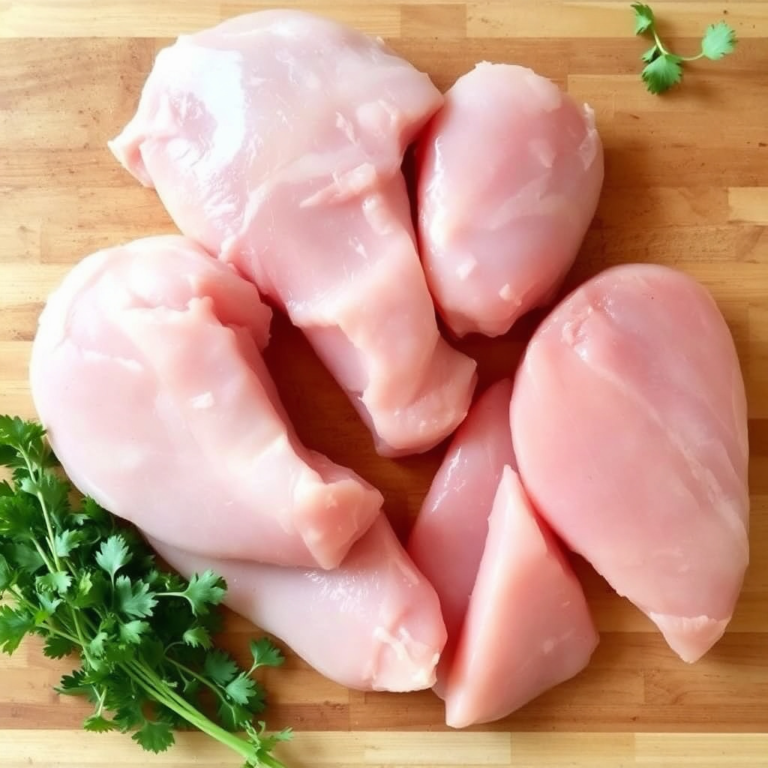
Common proteins include sliced chicken breast, beef strips, shrimp, or tofu. Marinate proteins briefly with soy sauce, cornstarch, and a touch of oil for tenderness and flavor absorption.
Alternately, leave it vegetarian with extra vegetables and mushrooms for a hearty dish.
- Chicken breast slices
- Beef strips
- Shrimp
- Firm tofu
- Portobello or shiitake mushrooms
For a deeper understanding of chow mein’s origins and cultural variations, visit the Chow Mein article on Wikipedia. Chow Mein.
Flavor Variations and Add-Ins
Add a bit of chili paste or fresh chilis for heat, or garnish with toasted sesame seeds and chopped peanuts for texture and nuttiness. Fresh herbs like cilantro or green onions can brighten flavors.
You can swap vegetables seasonally or use leftovers by adjusting cooking times accordingly to maintain balance.
- Chili paste or fresh chilis
- Toasted sesame seeds
- Chopped peanuts
- Fresh cilantro or green onions
Chow Mein Noodle Types Comparison
Here’s a comparison of popular noodle types used in chow mein showing texture, cooking time, and best uses.
| Noodle Type | Texture when Cooked | Typical Cooking Time | Best Use |
|---|---|---|---|
| Fresh Chinese egg noodles | Tender yet firm | 2-3 minutes | Classic chow mein, crisps well |
| Dried chow mein noodles | Slightly chewier | 4-5 minutes | Convenient, good crisp texture |
| Thin yellow egg noodles | Springy and smooth | 2-3 minutes | Versatile for stir-fries |
| Udon noodles | Soft and thick | 8-10 minutes | Less suitable, can be gummy |
| Rice noodles | Delicate and soft | 3-4 minutes | Not traditional, used for lo mein-style dishes |
Frequently Asked Questions
Can I use spaghetti noodles to make chow mein?
While spaghetti can substitute in a pinch, it lacks the texture and flavor of traditional chow mein noodles. It may become soft and not crisp well, so it’s best to use wheat-based egg noodles for authentic results.
How do I get my chow mein noodles crispy?
Cook noodles just until al dente, drain thoroughly, and stir-fry over high heat in a thin layer without overcrowding. Let noodles sit briefly to form crisp patches before tossing.
What vegetables are best for chow mein?
Bell peppers, shredded cabbage, carrots, bean sprouts, and scallions work well. These vegetables provide crunch and bright flavors without making the dish soggy.
Is chow mein sauce different from lo mein sauce?
Yes, chow mein sauce typically is lighter and meant to coat crisp noodles, while lo mein sauce is often thicker and richer to moisten soft noodles.
Can chow mein be made vegetarian?
Absolutely. Skip meat and use tofu or extra vegetables. Adjust sauces if necessary to keep them vegetarian-friendly by using mushroom sauce instead of oyster sauce.
Key Takeaways
- Use thin wheat-based egg noodles for authentic chow mein texture.
- Prepare vegetables and noodles properly to maintain crispness.
- Mix a balanced sauce with soy, oyster, and sesame oil.
- Stir-fry quickly over high heat to combine flavors without sogginess.
Conclusion
When making chow mein, successful results depend on selecting the right noodles, fresh vegetables, and a balanced savory-sweet sauce. Combining these with proper stir-frying techniques lets you create a dish that balances textures and flavors much like your favorite takeout, but freshly made to your preferences. Understanding these fundamental elements makes the process straightforward and enjoyable.
For those who want a crispy noodle focus, fresh or dried Chinese egg noodles are ideal, paired with a traditional sauce of soy and oyster sauces enhanced by sesame oil. Vegetables like bell peppers, carrots, and bean sprouts add color and crunch, while proteins like chicken, shrimp, or tofu can customize the dish. Alternatively, adjust sauces for vegetarian varieties or add chili paste for a spice kick.
Start by preparing your noodles and sauce ahead, then follow the cooking sequence of protein, vegetables, and noodles to keep textures intact. With some practice, you’ll have a go-to chow mein recipe ready for quick weeknight meals or special occasions. For a detailed background on chow mein and its variations, check historical and cultural notes at Wikipedia.