Omakase vs A La Carte: Understanding the Key Differences in Japanese Dining
Omakase and a la carte represent two distinct ways to enjoy Japanese cuisine, each offering unique dining experiences. Omakase, meaning 'I'll leave it up to you,' is a chef-curated tasting menu where the chef selects and prepares a sequence of dishes based on seasonal ingredients and expertise. In contrast, a la carte allows diners to choose individual dishes from a menu, customizing their meal according to personal preferences.
Understanding the difference between omakase vs a la carte matters because it shapes your interaction with the meal, the flavor journey, and how much control you have over your dining choices. Omakase often reveals the chef’s skills and offers a surprise element, while a la carte caters to specific tastes and portion control.
This article will explore the characteristics, advantages, and disadvantages of both omakase and a la carte dining. We’ll detail their ordering processes, price considerations, typical dishes, and how to decide which style fits your dining occasion best.
What Is Omakase: Chef’s Choice Experience

Definition and Origin of Omakase
Omakase literally means 'I'll leave it up to you' in Japanese and originated in sushi restaurants. It is a meal style where the chef selects each dish, often showcasing seasonal or rare ingredients. This approach highlights the chef's skills and creativity, providing a curated tasting experience that unfolds over multiple courses.
Typically, omakase meals include sushi, sashimi, cooked dishes, and palate cleansers, carefully sequenced for flavor balance. Unlike a fixed menu, the chef adapts selections based on availability and diner preferences communicated before the meal begins.
Ordering Process and Dining Atmosphere
When dining omakase, guests often sit at the sushi bar, interacting with the chef who presents each course directly. This intimate setup creates a connection between diner and chef and allows for adjustments if needed.
Because the menu is unpredictable, the experience is often more leisurely and contemplative, encouraging diners to savor each course without knowing what’s coming next.
Understanding A La Carte: Personalized Ordering

What Does A La Carte Mean in Japanese Dining?
A la carte means ordering individual dishes from a menu, allowing diners to build their meal according to taste, portion preference, and budget. This style provides full control over what and how much you eat, whether choosing a single entree or multiple dishes to share.
In Japanese restaurants, a la carte menus typically offer a variety of sushi, sashimi, cooked specialties, appetizers, and sides. These menus are often categorized by type—like nigiri, maki rolls, or tempura—to help diners navigate their options.
Benefits of A La Carte Ordering
A la carte provides flexibility and transparency in pricing since each dish has a set cost. It’s ideal for selective eaters or diners who want to try specific favorites rather than an entire tasting selection.
It also suits groups well because people can order dishes to share or individual plates according to appetite, making it more customizable for varying tastes.
Price Differences and Value Between Omakase vs A La Carte
Typical Pricing Structures
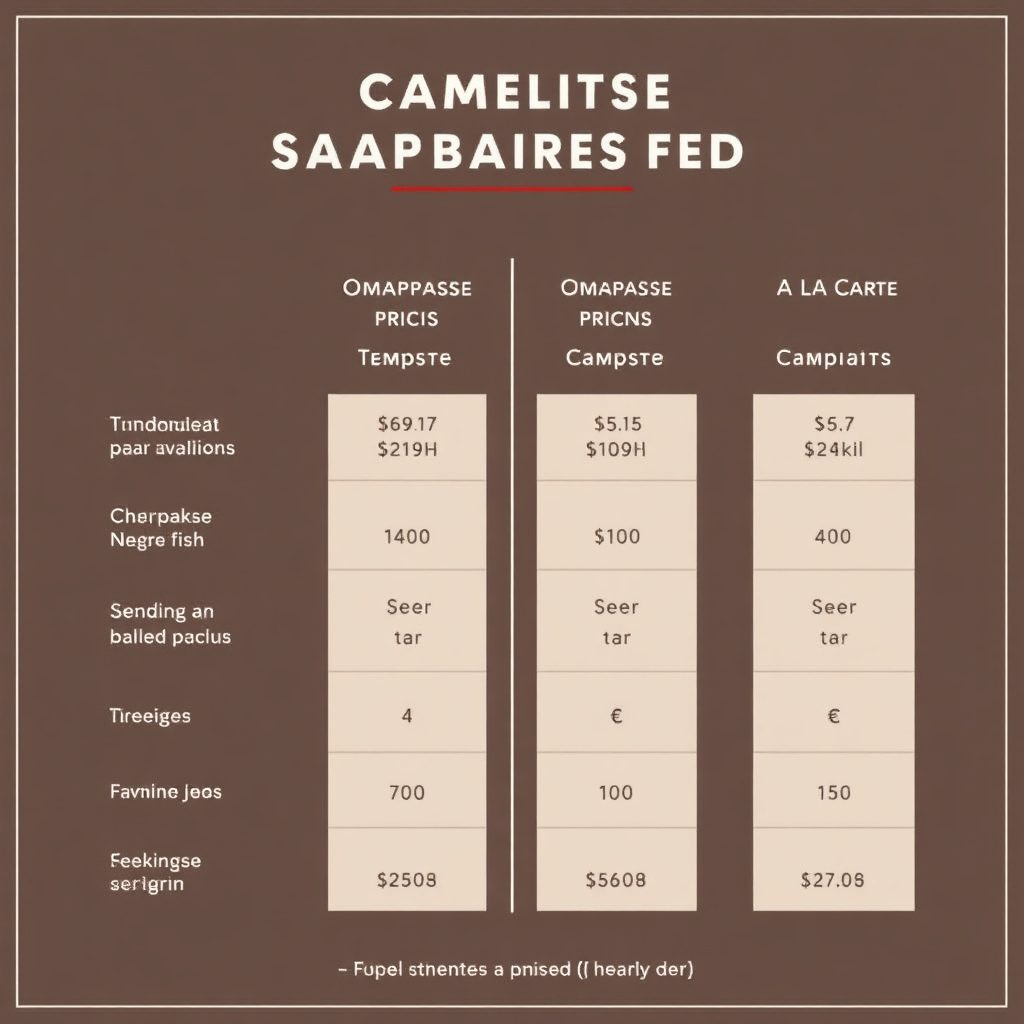
Omakase tends to have a fixed price or a set price per course, which can range from moderate to high depending on the restaurant’s prestige and ingredient quality. This upfront cost usually covers several courses and may include rare or seasonal items.
By contrast, a la carte pricing is pay-per-item, allowing diners to control their expenses but also potentially increasing the total cost depending on dish selection and quantity.
- Omakase meals often start at $75 and can exceed $200 per person
- A la carte items may range from $5 for appetizers to $30 or more for specialty sushi pieces
For more on this, see our related guide: What Is Omakase? Exploring the Art of Chef’s Choice Dining.
Evaluating Value in Each Dining Style
Omakase offers value in its exclusivity and the chef’s expertise, often providing dishes that diners might not select themselves. It emphasizes freshness, presentation, and a storytelling progression of flavors.
A la carte can offer better value for those with budget concerns or specific preferences, enabling control over portions and spending, but may lack the cohesive narrative a chef-curated meal provides.
Menu Variety and Dish Selection in Omakase vs A La Carte
Range of Dishes in Omakase Meals
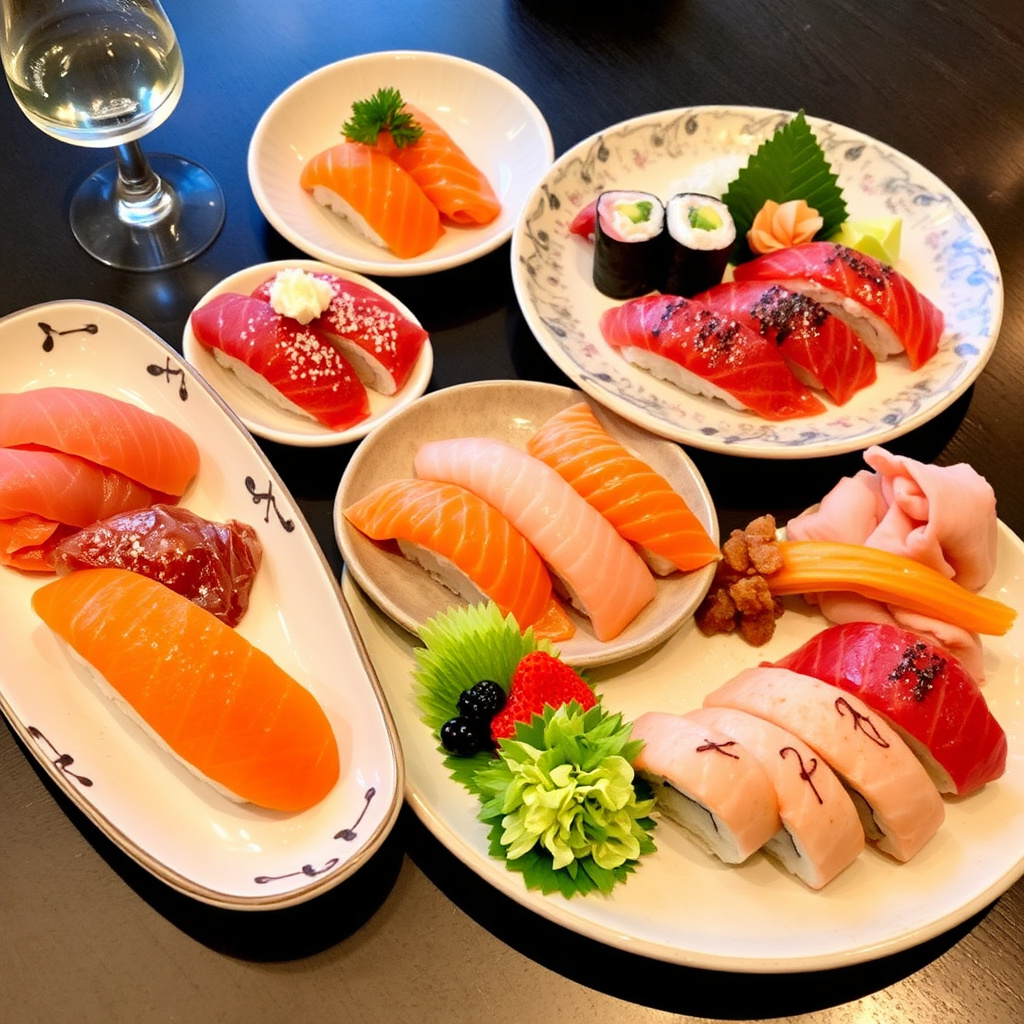
Omakase menus showcase a broad range of dishes, including signature nigiri, seasonal fish, unique cooked items, and palate cleansers. Each course is chosen for cohesiveness, often including surprises like rare fish or unexpected condiments.
This variety extends beyond sushi to include appetizers, soups, and desserts, all designed to create a balanced progression of flavors and textures.
Dish Options with A La Carte Menus
A la carte menus generally offer a wide selection of popular Japanese dishes, allowing diners to pick their favorites or experiment by ordering different preparations to share.
This choice means you may miss out on the seasonally driven specialties that only appear on an omakase menu but gain the freedom to select exactly what appeals to your palate.
Ideal Situations for Choosing Omakase or A La Carte

When to Choose Omakase
Omakase is perfect for special occasions, food enthusiasts seeking new flavors, or those open to a chef-led tasting journey. It suits diners who enjoy surprises and trust the chef’s craftsmanship.
It also works well if you want to experience the highest quality, freshest ingredients and dishes not commonly found on standard a la carte menus.
When A La Carte Is Preferable
A la carte is ideal for casual meals, diners with dietary restrictions, or when specific favorites are desired. It’s suitable for groups with diverse tastes wanting to mix and match dishes.
This option also fits those watching their budget or who prefer to pace their meal by ordering as they go.
Cultural and Experiential Differences Between Omakase and A La Carte

The Cultural Significance of Omakase
Omakase dining is deeply rooted in Japanese tradition, symbolizing trust between diner and chef. Meals become personal, almost ceremonial experiences, highlighting artisan skill and seasonal bounty.
It is also a way for chefs to express their artistry and connect with guests, emphasizing the harmony of food presentation and taste.
For deeper historical and cultural context about omakase, you can visit the Omakase page on Wikipedia. Omakase on Wikipedia.
A La Carte and Dining Flexibility
A la carte dining emphasizes convenience, choice, and accessibility. It fits a wider range of dining styles and budgets, allowing people to engage with Japanese cuisine at their own pace.
Although less ritualistic, it opens opportunities for exploring specific dishes repeatedly or accommodating different dietary needs.
Omakase vs A La Carte Category Comparison
Below is a comparison highlighting key differences between omakase and a la carte dining styles to help inform your choice.
| Feature | Omakase | A La Carte |
|---|---|---|
| Ordering Style | Chef-selected multi-course tasting menu | Choose individual dishes from the menu |
| Diner Control | Minimal—chef decides dishes and sequence | High—diners pick specific items and quantities |
| Price Structure | Fixed price or per course | Pay per item |
| Menu Variety | Seasonal, often rare ingredients | Wider dish selection but no surprises |
| Dining Pace | Usually slower, savoring each course | Flexible, order at your own pace |
| Ideal For | Food adventurers and special occasions | Casual dining and personalized preferences |
Frequently Asked Questions
Is omakase more expensive than a la carte?
Generally, omakase meals are pricier due to the use of premium, seasonal ingredients and the chef’s craftsmanship, while a la carte lets you manage costs by selecting dishes within your budget.
Can dietary restrictions be accommodated in omakase?
Many chefs can adjust omakase menus to accommodate allergies or dietary preferences if informed in advance, but flexibility is more limited than with a la carte ordering.
Do I need to be experienced with Japanese food to enjoy omakase?
No, omakase is suitable for both newcomers and aficionados as it offers a guided tasting experience led by the chef, though adventurous eaters may enjoy it more.
Is it better to eat omakase alone or with a group?
Omakase dining is often intimate and suits solo diners or small groups, while a la carte can be better for larger groups wanting varied dishes.
How long does an omakase meal usually take?
An omakase experience typically lasts 60 to 90 minutes, depending on the number of courses and the pacing set by the chef and diner.
Key Takeaways
- Omakase offers a chef-driven, multi-course tasting experience with seasonal and rare dishes.
- A la carte allows full control over dish selection and portion size.
- Pricing varies: omakase is usually fixed-price and higher, while a la carte is pay-per-item.
- Choose omakase for special occasions and trust in the chef; choose a la carte for flexibility and personal preferences.
Conclusion
Deciding between omakase vs a la carte depends on your dining goals, budget, and openness to new culinary experiences. Omakase is a journey curated by the chef, ideal for those seeking discovery and high-quality, seasonally driven dishes. On the other hand, a la carte offers flexibility and familiarity, letting you tailor your meal exactly to your preferences and appetite. Consider how much control you want over your dining choices versus craving an immersive, thoughtfully constructed meal.
If you’re celebrating a special event or eager to try the chef’s signature creations, omakase presents an engaging experience that highlights artistry and freshness. For casual outings, dietary concerns, or if you prefer classic favorites, a la carte menus serve well and accommodate diverse tastes. Many top Japanese restaurants excel at both styles, giving you options to match your occasion and mood.
To choose your ideal dining style, reflect on the atmosphere you desire and your openness to surprises. Booking omakase often requires advance reservation and trust in the chef’s selections. For flexibility, visiting with friends to share a la carte dishes can create a relaxed, social setting. Whichever you pick, enjoying authentic Japanese flavors and craftsmanship is guaranteed.