How to Make Lo Mein: A Simple Guide to Authentic Chinese Noodles
Making lo mein at home is straightforward and rewarding: it involves stir-frying cooked egg noodles with vegetables, protein, and a savory sauce until everything is perfectly combined. The key is the right noodle texture and a flavorful soy-based sauce that brings all the ingredients together.
Lo mein stands apart from similar dishes because it uses soft boiled noodles tossed in a rich sauce rather than deep-fried or crispy noodles. Its stir-fry technique preserves the noodles’ tenderness while infusing them with aromatic seasonings and fresh ingredients. This makes lo mein a popular choice for home cooks seeking quick, satisfying meals.
This guide will walk you through the essential ingredients, cooking techniques for noodles and sauce, and tips to customize your lo mein. Additionally, we’ll cover cooking proteins and vegetables that complement this classic dish and common troubleshooting advice to help you master homemade lo mein.
Choosing the Right Noodles for Lo Mein
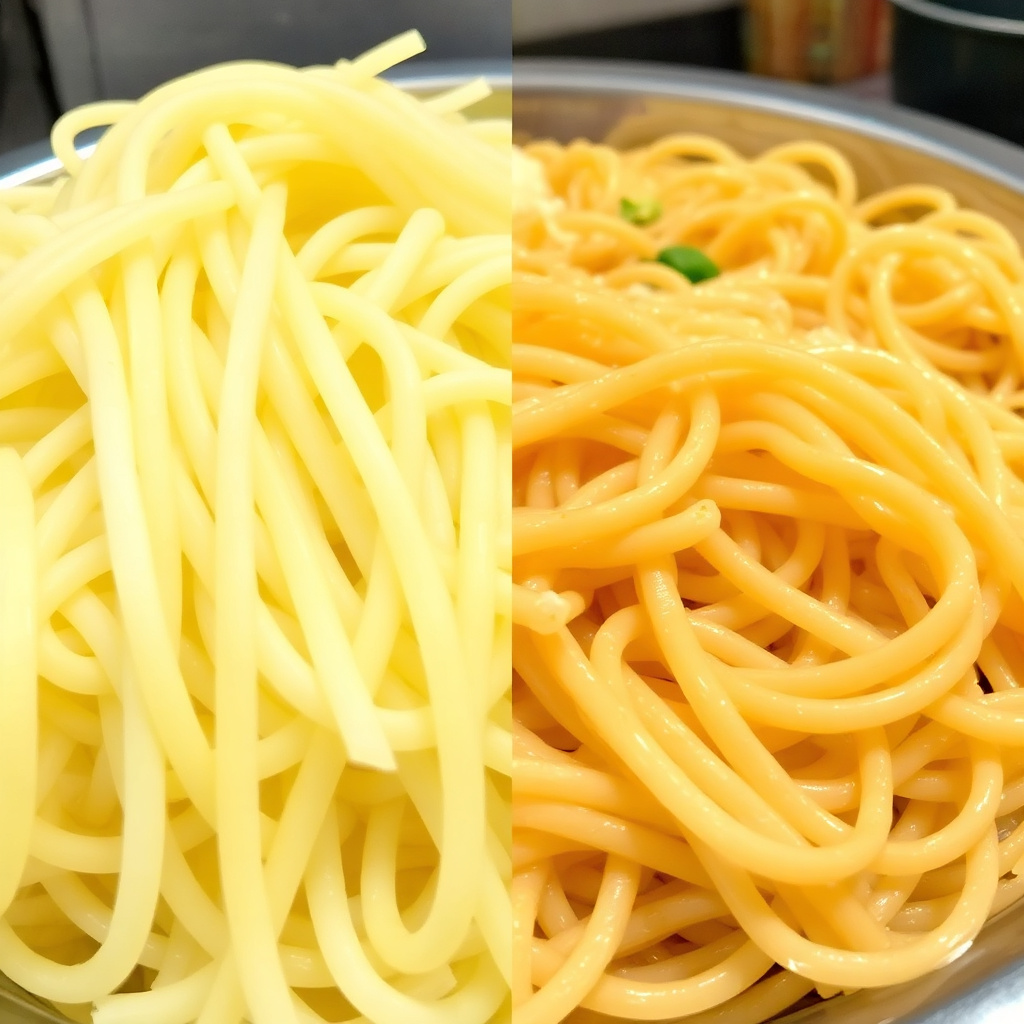
Types of Noodles Used in Lo Mein
Lo mein typically uses soft egg noodles that are about 2 to 3 mm in thickness. Fresh egg noodles are ideal for their texture and flavor, but dried egg noodles can substitute and produce similar results if cooked properly.
Avoid spaghetti or other wheat pastas because their texture and shape do not hold up to stir-frying with sauce. Wheat-based egg noodles absorb the sauce better and stay tender without becoming mushy.
- Fresh egg noodles (most authentic)
- Dried egg noodles (widely available)
- Avoid spaghetti or ramen noodles
Cooking and Preparing Noodles
Cook the noodles just until tender, usually 3 to 5 minutes, depending on the noodle type. Overcooked noodles become mushy after stir-frying. After boiling, drain well and rinse under cold water to stop cooking and remove excess starch.
Toss the noodles with a small amount of oil to keep them from sticking during stir-frying. This step preserves the noodles’ structure and ensures they absorb the sauce evenly.
- Boil noodles 3-5 minutes
- Rinse in cold water
- Toss with a teaspoon of oil
Crafting the Sauce for Lo Mein

Essential Sauce Ingredients
A classic lo mein sauce combines soy sauce, oyster sauce, a bit of sugar, sesame oil, and garlic. This blend delivers savory, sweet, and nutty notes that coat the noodles beautifully. Adjust the ratios depending on your taste preferences for saltiness and sweetness.
Some versions add Shaoxing wine or rice vinegar to add complexity. Freshly minced garlic or ginger enhances aroma and depth of flavor, elevating the sauce beyond basic soy sauce mixtures.
- Soy sauce (light or dark)
- Oyster sauce
- Sesame oil
- Sugar
- Garlic or ginger
Mixing and Adjusting the Sauce
Combine all sauce ingredients in a bowl and taste before cooking. It should be balanced, neither too salty nor too sweet. If it tastes too salty, add a splash of water or a pinch of sugar.
Keep the sauce aside until stir-frying begins to add it gradually. This allows better control over flavor absorption and ensures the noodles stay glossy and flavorful.
Selecting and Preparing Vegetables for Lo Mein
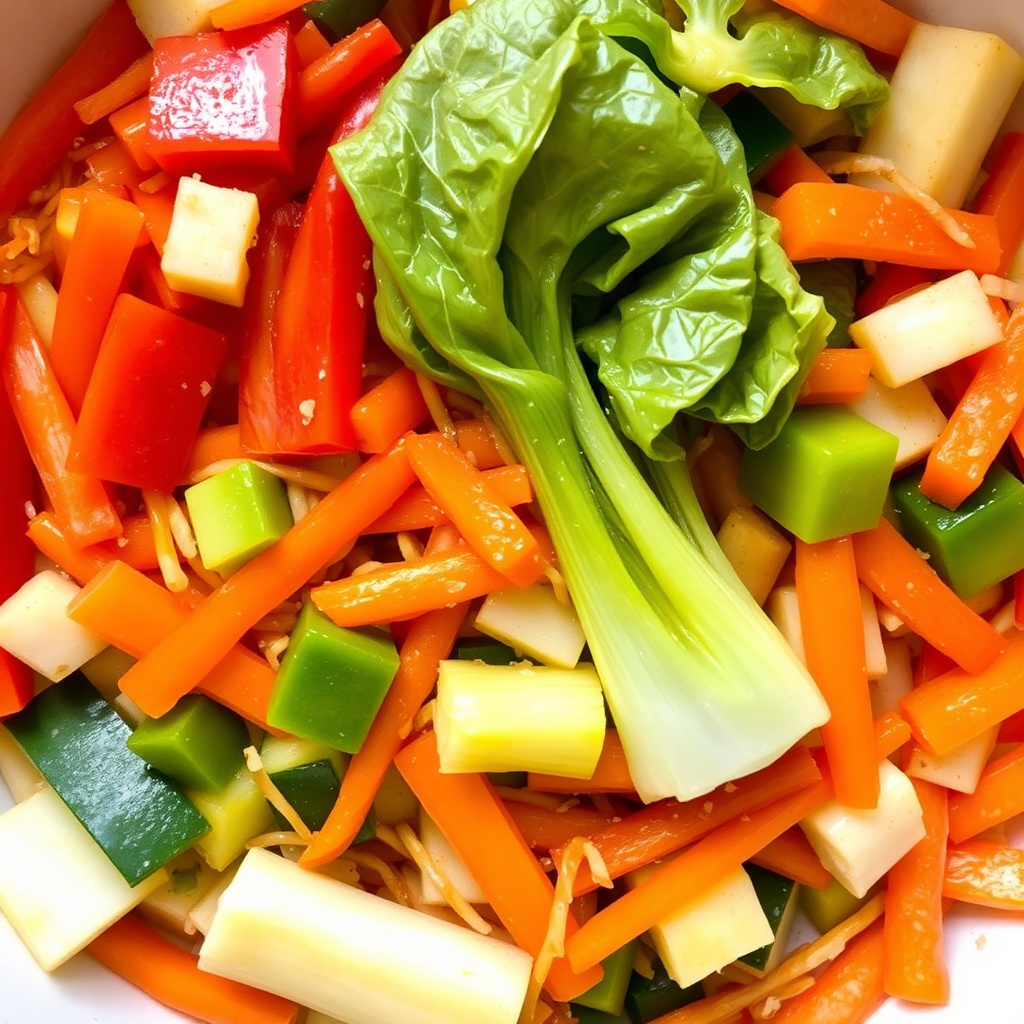
Popular Vegetables in Lo Mein
Traditional lo mein includes vegetables with varying textures like crisp bell peppers, crunchy carrots, tender mushrooms, onions, and leafy greens such as bok choy or spinach. These add color, nutrition, and contrast to the soft noodles.
Feel free to customize with what’s fresh or preferred. Snap peas, bean sprouts, and shredded cabbage are excellent alternatives. The key is slicing vegetables uniformly so they cook evenly during the quick stir-fry.
- Bell peppers
- Carrots
- Mushrooms
- Bok choy
- Onions
For more on this, see our related guide: What Is Lo Mein Sauce Made Of? A Complete Ingredient Breakdown.
Preparation Tips for Vegetables
Wash and dry vegetables thoroughly to prevent excess moisture that could dilute the sauce. Cut vegetables into bite-sized pieces or thin strips to speed cooking.
Add firmer vegetables like carrots and bell peppers first, followed by softer greens near the end. This layering keeps the vegetables crisp and vibrant.
- Dry vegetables completely
- Slice vegetables thinly
- Add hard vegetables first in stir-fry
Adding Protein to Your Lo Mein

Popular Proteins for Lo Mein
Chicken, shrimp, beef, and pork are common choices that soak up the sauce while adding substance to the dish. For vegetarians, extra firm tofu or seitan are excellent protein sources that hold texture in stir-fry.
When using meat, thin slices or bite-sized pieces ensure quick and even cooking. Marinating the protein briefly in a bit of soy sauce enhances flavor and tenderness.
- Chicken breast or thigh
- Shrimp
- Beef strips
- Pork tenderloin
- Firm tofu
Cooking Protein for Lo Mein
Pre-cook proteins separately until just done and set aside before stir-frying noodles. This prevents overcooking during the final assembly. Shrimp cook fastest, taking only a few minutes, while chicken and beef benefit from quick high-heat searing.
Add protein back to the wok near the end along with vegetables and noodles, stirring gently to combine and coat everything evenly with sauce.
Stir-Frying Techniques for Perfect Lo Mein

Equipment and Heat Control
A large wok is ideal for lo mein, allowing quick tossing over high heat to evenly cook and blend flavors. If unavailable, use a wide non-stick skillet. Preheat until very hot to get that characteristic slight char and aroma.
Managing heat is vital: keep it high but avoid burning ingredients. Work quickly and keep everything ready to add in sequence for smooth cooking.
- Use a wok or large skillet
- Preheat until very hot
- Maintain high heat while cooking
For more on this, see our related guide: What Is Chow Mein? A Complete Guide to the Popular Chinese Noodle Dish.
Sequence of Adding Ingredients
Start by stir-frying garlic and aromatics to release fragrance. Add proteins first to sear, then vegetables according to cooking times. Finally, toss in the noodles and pour sauce evenly to coat.
Use tongs or chopsticks to gently mix ingredients without breaking noodles. Cook just until heated through to retain texture and vibrancy.
- Aromatics (garlic, ginger) first
- Proteins next
- Vegetables by hardness
- Noodles and sauce last
Customizing and Serving Lo Mein

Adding Garnishes and Extras
Finishing touches can elevate your lo mein, such as a sprinkle of toasted sesame seeds, chopped scallions, or fresh cilantro. A drizzle of chili oil or a squeeze of lime can add brightness and heat to suit your taste.
Customize further by mixing in crushed peanuts or crispy fried shallots for texture contrast.
- Toasted sesame seeds
- Chopped scallions
- Chili oil or fresh lime
- Cilantro or crushed peanuts
For more detailed background on lo mein, you can visit the Lo Mein entry on Wikipedia. Lo Mein on Wikipedia.
Serving Suggestions
Serve lo mein hot as a standalone meal or alongside other Chinese dishes like dumplings, hot and sour soup, or steamed veggies. It pairs well with jasmine or brown rice for added substance.
Leftovers keep well refrigerated and reheat easily in a hot pan or microwave with a splash of water or soy sauce.
Lo Mein Noodle Types Comparison
Here’s a quick comparison of noodle types to help you decide which works best for homemade lo mein.
| Noodle Type | Texture | Cooking Time | Availability | Best For |
|---|---|---|---|---|
| Fresh egg noodles | Soft and tender | 3-4 minutes | Asian markets, specialty stores | Most authentic lo mein |
| Dried egg noodles | Slightly firmer once cooked | 5-6 minutes | Supermarkets, Asian aisle | Affordable substitute |
| Spaghetti | Firm, non-absorbent | 8-10 minutes | Supermarkets | Not recommended |
| Ramen noodles | Chewy, springy | 2-3 minutes | Specialty stores | Different texture, not ideal |
Frequently Asked Questions
Can I use spaghetti instead of egg noodles for lo mein?
Spaghetti can be used in a pinch, but it lacks the softness and sauce absorption of egg noodles, resulting in a less authentic texture and flavor.
How do I prevent my lo mein noodles from sticking?
After cooking, rinse noodles under cold water and toss them with a small amount of oil to create a non-stick coating before stir-frying.
Is it necessary to marinate the meat before cooking lo mein?
Marinating is optional but helps tenderize the meat and enhances flavor, especially for beef and chicken slices.
Can I make lo mein gluten-free?
Yes, by using gluten-free noodles and tamari or gluten-free soy sauce, you can prepare a gluten-free lo mein.
How long can I store leftover lo mein?
Store leftovers in an airtight container in the refrigerator for up to 3 days. Reheat thoroughly before eating.
Key Takeaways
- Use soft egg noodles boiled just until tender for best lo mein texture.
- Combine soy sauce, oyster sauce, and sesame oil for an authentic sauce base.
- Cook proteins and vegetables separately before stir-frying with noodles.
- Stir-fry quickly over high heat to preserve texture and flavor.
Conclusion
Creating lo mein at home is an achievable culinary project that rewards with a delicious, comforting dish. The main challenge lies in balancing noodle texture, sauce flavor, and cooking timing. Focusing on the quality of egg noodles and preparing a well-balanced soy-based sauce will significantly enhance your final result. Managing cooking order ensures vegetables remain crisp, meat is tender, and noodles absorb flavor without becoming soggy.
If you're after traditional comfort, fresh egg noodles with chicken and bok choy deliver classic lo mein. For quicker preparations, dried noodles with shrimp and mixed vegetables make a convenient yet tasty meal. Vegetarians can swap proteins for tofu or extra greens and still achieve satisfying lo mein. Experimenting with garnish additions like toasted sesame or chili oil can also personalize the dish to your palate.
As a practical next step, gather fresh egg noodles and assemble your preferred vegetables and proteins. Test your sauce balance beforehand and approach the stir-fry with prepared mise en place to streamline cooking. With practice, your homemade lo mein will become a flavorful go-to dish that rivals restaurant versions and delights every time.



4 Comments