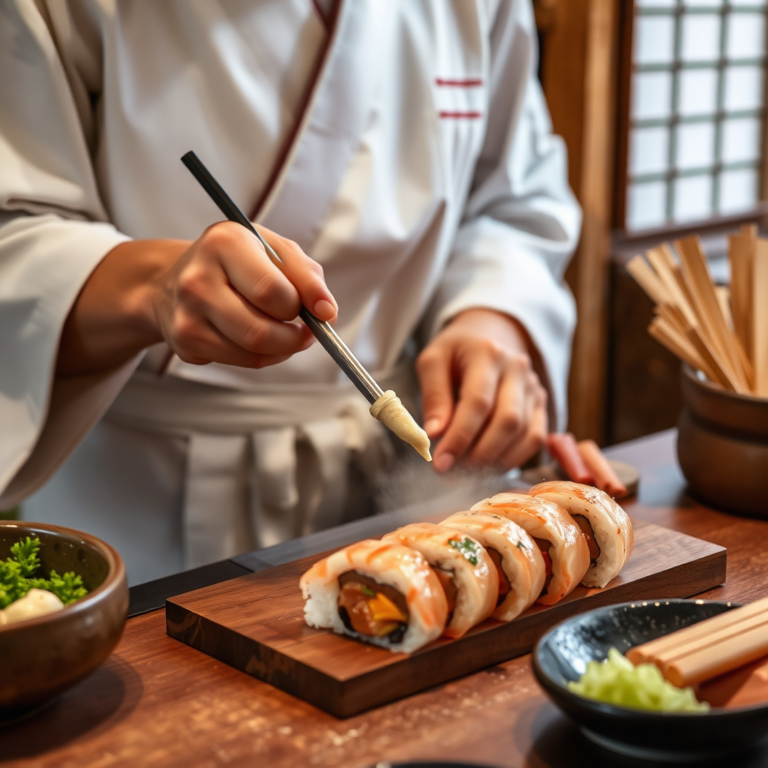
How to Make Nigiri: Step-by-Step Guide to Perfect Sushi at Home
Making nigiri at home is straightforward once you understand the basics of preparing sushi rice and slicing fresh fish properly. Nigiri consists of hand-pressed sushi rice topped with a slice of raw or cooked fish, offering a delicate balance of flavors and textures. To make nigiri successfully, precise rice seasoning, shaping, and fish preparation are key.
Preparing sushi rice with the right seasoning—vinegar, sugar, and salt—is the foundation of good nigiri. Freshness and quality of fish also elevate the taste experience. Crafting nigiri is an age-old Japanese technique, and homemade nigiri allows you to appreciate its simplicity and elegance without needing advanced sushi chef training.
This article covers how to prepare sushi rice perfectly, choose and slice fish like a pro, assemble nigiri to look authentic, and suggests tips on serving and storing your creations. Whether you want to impress guests or enjoy sushi night at home, these methods will bring satisfying results.
Preparing the Sushi Rice for Nigiri

Washing and Cooking Sushi Rice
Start by rinsing Japanese short-grain rice under cold water until the water runs clear to remove excess starch. This prevents the rice from becoming overly sticky. Use a rice cooker or pot with a tight lid and cook the rice according to the package instructions, usually a 1:1.1 rice-to-water ratio.
After cooking, let the rice rest covered for 10-15 minutes to firm up. This allows excess moisture to redistribute evenly, making the rice texture ideal for nigiri shaping.
- Rinse rice 3-4 times until water runs clear
- Cook with precise rice-to-water ratio
- Rest rice after cooking before seasoning
Seasoning Sushi Rice
While the rice is still warm, gently fold in a mixture of rice vinegar, sugar, and salt. This seasoning mixture gives sushi rice its distinctive tangy and slightly sweet flavor essential for nigiri.
Use a wooden spatula and fan the rice simultaneously to cool it quickly and evenly without crushing the grains. Properly seasoned and cooled rice forms a slightly sticky base that holds shape but doesn't become mushy.
- Mix 5 tbsp rice vinegar, 2 tbsp sugar, and 1 tsp salt for 2 cups uncooked rice
- Fold seasoning in gently with wooden spatula
- Fan rice to cool quickly and retain texture
Selecting and Preparing Fish for Nigiri

Choosing the Best Fish for Nigiri
High-quality, sashimi-grade fish is best for nigiri since you'll be consuming it raw. Popular choices include tuna, salmon, yellowtail, and snapper. The fish should be fresh, cleaned, and free of any off-smells, indicating quality.
If raw fish isn't available or preferred, cooked options like shrimp or eel work well too. Selecting fish based on availability and freshness at reputable sources ensures both safety and taste.
- Look for sashimi-grade labeling
- Check for firm texture and bright color
- Avoid fish with fishy or ammonia smell
For more on this, see our related guide: What Is Nigiri? A Complete Guide to This Classic Japanese Sushi.
Slicing Fish Properly for Nigiri
Use a very sharp knife to slice fish into thin, uniform pieces roughly 2 to 3 inches long and about a quarter-inch thick. Angled slicing helps maximize the surface area and improves bite texture.
Cut the fish against the grain to maintain tenderness. Keep slices cool on ice or in the refrigerator until assembly to maintain freshness and ease of handling.
- Use a sharp, long-bladed knife
- Slice at a 45-degree angle against the grain
- Keep fish chilled until use
Shaping Nigiri Sushi

Forming the Rice Base
Wet your hands lightly with water mixed with a little rice vinegar to prevent sticking, then take about two tablespoons of sushi rice. Press and shape it gently into a compact oval shape, ensuring it holds together but is not too tightly packed.
Avoid compressing too much to maintain a light and airy texture inside. The rice form should be firm enough to support the fish topping without falling apart.
- Use lightly wet hands to handle rice
- Shape rice into an oblong oval, about 2 inches long
- Avoid over-compressing the rice
Adding the Fish Topping
Lay each fish slice over the rice base, gently pressing it to adhere without squashing the rice. Optional small dab of wasabi between rice and fish adds flavor and traditional balance.
Ensure the fish overhangs slightly on both sides for an elegant appearance. Serve immediately or lightly cover to keep fresh until serving.
- Optional dab of wasabi between fish and rice
- Place fish gently on rice, allowing slight overhang
- Serve promptly for best texture
Additional Ingredients and Techniques for Nigiri

Using Wasabi and Garnishes
Traditional nigiri often incorporates a small amount of wasabi either between the fish and rice or served alongside. It adds a spicy kick that complements the mild flavor of the fish and rice.
Garnishes such as thinly sliced scallion, shiso leaf, or a brush of soy sauce can enhance flavor profiles and presentation.
- Apply sparse wasabi for subtle heat
- Use garnishes like scallions or shiso for aroma
- Consider a light soy sauce brush for serving
For more on this, see our related guide: What Is Sushi Rice Made Of? Ingredients and Preparation Explained.
Handling and Storage Tips
Nigiri is best eaten fresh but can be stored briefly in the refrigerator covered with plastic wrap to prevent drying out. Avoid keeping more than a few hours to preserve texture and flavor.
Keep rice cool but not cold; excessive chilling ruins texture. Fish should be kept chilled until assembly to maintain safety and quality.
- Consume nigiri soon after making
- Store covered in fridge for short periods only
- Keep fish chilled separately until assembly
Serving Nigiri and Presentation

Presentation Techniques
Arrange nigiri pieces neatly on a clean plate or sushi board, keeping similar fish types together for visual harmony. Minimalist plating enhances the elegant simplicity of nigiri.
Add small decorative touches like pickled ginger mounds or a sprinkling of toasted sesame seeds for color contrast and palate cleansing.
- Group nigiri by fish type for aesthetic appeal
- Use minimal, fresh garnishes
- Serve with dipping sauces on the side
For more detailed historical background and variations on nigiri sushi, see Nigiri sushi details on Wikipedia. Nigiri sushi details on Wikipedia.
Pairing Nigiri with Condiments and Drinks
Traditional soy sauce is the staple dip, applied sparingly to avoid overpowering the fish. Wasabi can be mixed into soy sauce or added directly to nigiri.
Nigiri pairs well with green tea, sake, or light beers. Mild beverages complement nigiri’s delicate flavors without masking them.
- Use light soy sauce dips
- Enjoy with green tea or sake
- Avoid heavy or strongly flavored drinks
Nigiri Fish Types Comparison
Below is a comparison of popular fish types used for nigiri, highlighting flavor, texture, and best uses.
| Fish Type | Flavor Profile | Texture | Best Served |
|---|---|---|---|
| Tuna (Maguro) | Mild, slightly sweet | Firm yet tender | Raw, sometimes seared |
| Salmon (Sake) | Rich, buttery | Soft and oily | Raw, lightly cured |
| Yellowtail (Hamachi) | Mildly sweet, rich | Firm and slightly oily | Raw, with soy or ponzu |
| Snapper (Tai) | Delicate, clean | Firm and lean | Raw, with light seasonings |
| Eel (Unagi) | Sweet, smoky (cooked) | Soft with glaze | Grilled, sauced |
| Shrimp (Ebi) | Sweet, mild (cooked) | Firm and slightly springy | Boiled or steamed |
Frequently Asked Questions
Can I use regular raw fish from the supermarket for nigiri?
Only use fish labeled sashimi-grade or sushi-grade from reputable sellers to ensure it's safe for raw consumption. Regular raw fish often isn't processed to the same safety standards.
How much wasabi should I put on nigiri?
A tiny dab of wasabi between the rice and fish is typical — enough to complement but not overpower the fish’s flavor.
Is it necessary to have a sushi knife to make nigiri?
While a sushi or sashimi knife helps create clean cuts, a very sharp chef’s knife can suffice when careful slicing is practiced.
How long can homemade nigiri be stored before serving?
It's best enjoyed fresh immediately but can be covered and refrigerated for up to 2-3 hours without losing much texture or flavor.
Can I make nigiri with cooked fish?
Yes, cooked items like grilled eel or boiled shrimp are common nigiri toppings and offer alternatives for those avoiding raw fish.
Key Takeaways
- Perfect sushi rice seasoning and texture are essential for nigiri
- Use fresh, sashimi-grade fish for best raw nigiri results
- Shape rice gently and slice fish thinly at an angle
- Serve nigiri immediately for ideal flavor and texture
Conclusion
Understanding how to make nigiri involves mastering a few precise techniques focused on rice preparation, fish selection, and shaping. The sushi rice must be carefully cooked, seasoned, and cooled to achieve the ideal slightly sticky but fluffy texture necessary for proper form. Equally, selecting high-quality fish, slicing it with care, and assembling the nigiri delicately ensures both safety and appetizing presentation. Approaching these steps methodically turns homemade nigiri into an enjoyable culinary craft rather than a challenge.
For those interested in exploring nigiri variety, beginner-friendly options like salmon and cooked shrimp nigiri offer great starting points before progressing to more delicate fish like yellowtail or snapper. Accurate rice seasoning and learning simple garnishing elevate the final dish visually and flavor-wise. Home cooks with access to quality ingredients can replicate authentic nigiri and impress family or guests with their handmade sushi skills.
Once comfortable with these fundamentals, experiment with different seasonal fish, presentation styles, and pairings such as light soy sauce or sake. Practicing shaping and slicing techniques will build confidence. Starting with small batches is recommended to preserve freshness and enjoy the art of nigiri making without waste.