How to Make Mapo Tofu: Authentic Recipe and Step-by-Step Guide
Making Mapo Tofu at home is all about balancing spicy, numbing Sichuan flavors with soft tofu and savory ground meat. This classic dish combines Sichuan peppercorns, chili bean paste, garlic, and sometimes ground pork to create a rich, mouth-tingling experience that’s surprisingly easy to prepare.
The appeal of Mapo Tofu lies in its mix of textures and its distinctive bold flavors. Many home cooks shy away from it because of the spices, but once you understand the ingredients and steps, it becomes approachable and rewarding. It’s a perfect dish to impress friends or enjoy on a typical weeknight.
This guide will walk you through selecting key ingredients, preparing the spicy sauce, cooking the tofu just right, and tips for adjusting heat levels. You'll also discover variations and serving suggestions for making the best Mapo Tofu recipe tailored to your taste.
Ingredients: Building Blocks of Mapo Tofu
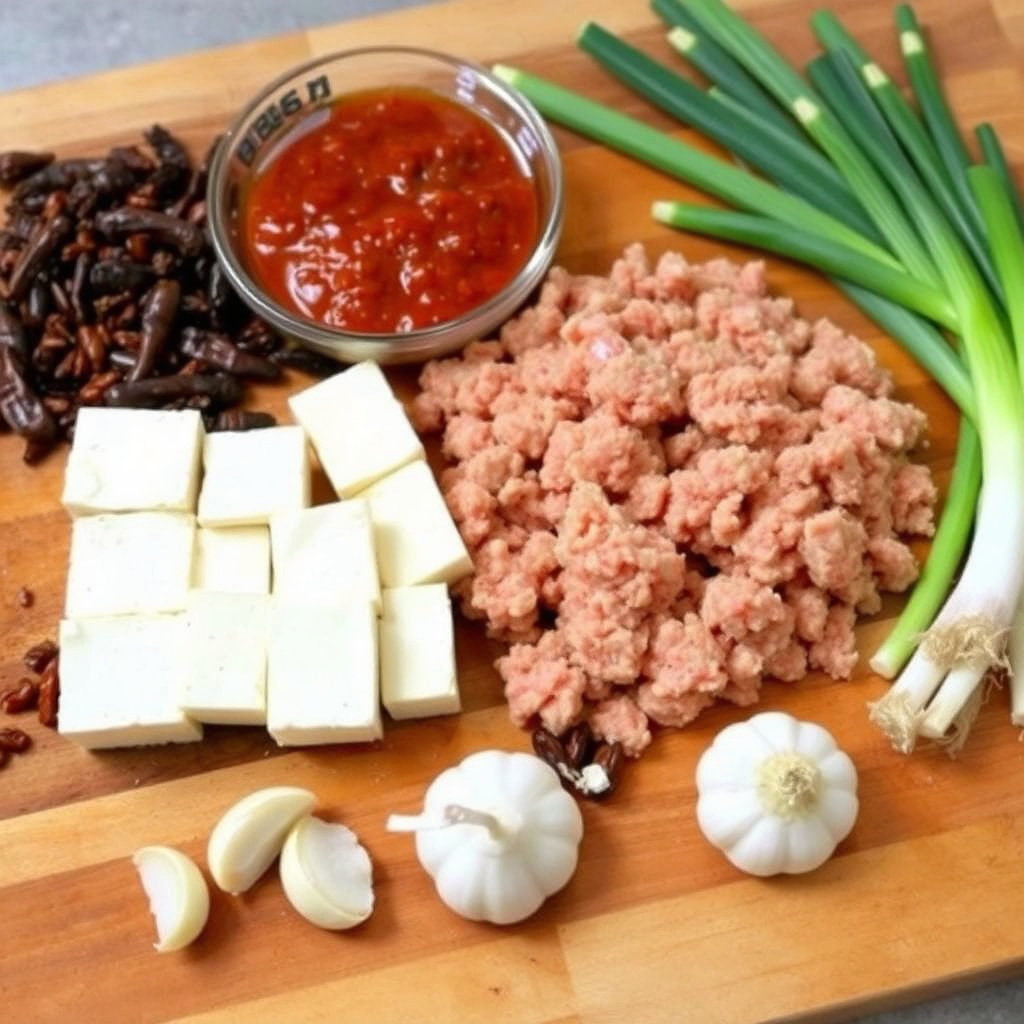
Choosing the Right Tofu and Meat
Silken or soft tofu with a delicate texture is preferred for authentic Mapo Tofu, as it absorbs the sauce well without falling apart. Many recipes use ground pork for its rich flavor and fatty texture, but ground beef or even a meatless substitute can also work well.
Freshness is key: select tofu with a smooth surface and no cracks, and choose meat that is finely ground and not too lean. This combination ensures your final dish has both creamy texture and savory depth.
- Silken or soft tofu (about 400g)
- Ground pork or beef (150-200g)
Essential Spices and Sauces
The sauce relies heavily on Doubanjiang (fermented chili bean paste), which provides a spicy and salty base. Sichuan peppercorns add a signature numbing sensation unique to Sichuan cuisine. Garlic and ginger bring aroma, while soy sauce and a touch of sugar balance the flavor.
For those new to Sichuan spices, quality Doubanjiang can be found in Asian markets. Freshly toasted Sichuan peppercorns ground just before use enhance complexity dramatically compared to pre-ground versions.
- Doubanjiang (chili bean paste)
- Sichuan peppercorns
- Fresh garlic and ginger
- Light soy sauce
- Sugar
Preparing the Sauce: The Heart of Mapo Tofu
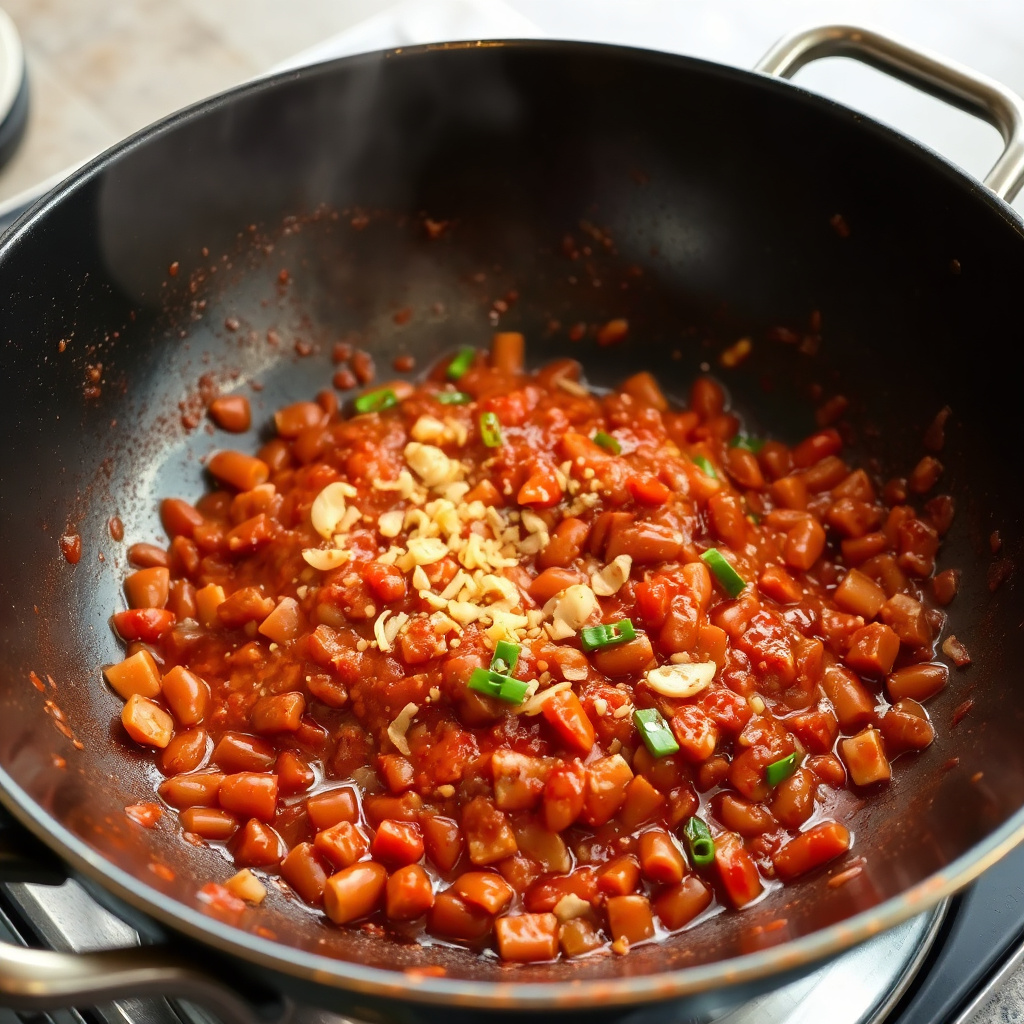
Stir-Frying Aromatics and Chili Bean Paste
Start by heating oil in a wok or deep pan on medium heat. Add finely chopped garlic and ginger to release their fragrance before introducing Doubanjiang. Stir-fry the paste until the oil turns bright red and aromatic—about 1-2 minutes—this step unlocks its full flavor potential.
Be careful not to burn the paste as it can turn bitter. The stir-fried aromatics combined with chili bean paste create the essential spicy, savory foundation of Mapo Tofu sauce.
- Use moderate heat to avoid burning
- Stir constantly to evenly cook paste
- Wait for red oil to appear before proceeding
Seasoning and Balancing Flavors
Once the chili bean paste is fragrant, add ground meat and cook until no longer pink. Incorporate light soy sauce and a pinch of sugar to balance saltiness. Add water or stock to form a sauce base—adjust consistency depending on preference: thicker for sticking to tofu, thinner for a soupy dish.
Finally, gently stir in ground Sichuan peppercorns to achieve the classic numbing effect. Adding them at this stage preserves their bright flavor and aroma.
- Add stock or water gradually
- Adjust sweetness to counter chili heat
- Mix in Sichuan peppercorns last
Cooking the Tofu: Techniques for Perfect Texture

Preparing and Handling Tofu
Silken tofu is fragile so handle it gently to avoid breakage. Drain excess water and cut into 1-2 inch cubes. Some cooks blanch tofu cubes briefly in hot water to firm them up slightly and remove any bean taste, but this is optional depending on tofu quality.
Place tofu cubes into the simmering sauce gently. Avoid vigorous stirring; instead, carefully spoon sauce over tofu to help it absorb flavor while keeping its shape intact.
- Cut tofu into uniform cubes
- Optional blanching to firm texture
- Add tofu gently to sauce
For more on this, see our related guide: What Is Mapo Tofu Sauce Made Of? Ingredients & Flavor Profile Explained.
Simmering and Final Touches
Simmer tofu in sauce for 3 to 5 minutes on low heat to allow flavors to meld without breaking tofu apart. After simmering, finish with a drizzle of sesame oil and finely chopped scallions for freshness. For extra richness, add a splash of Chinese cooking wine mid-simmer if desired.
Taste and adjust seasoning—more chili bean paste for heat, sugar if too salty, or a pinch of salt to enhance flavors. Mapo Tofu benefits from layering simple adjustments after cooking.
- Simmer gently 3-5 minutes
- Add sesame oil and scallions last
- Adjust seasoning before serving
Variations and Serving Suggestions for Mapo Tofu

Spice Level Adjustments and Ingredient Swaps
Modify heat by controlling Doubanjiang quantity and Sichuan peppercorns. For milder versions, reduce chili bean paste and omit extra chili oil. Vegans can replace ground meat with chopped shiitake mushrooms or plant-based crumbles for umami depth.
For those wanting a thicker sauce, cornstarch slurry added near the end creates a glossy finish. Conversely, adding more broth yields a thinner, stew-like consistency perfect for spooning over rice.
- Reduce Doubanjiang for less spice
- Substitute meat with mushrooms for vegetarian
- Use cornstarch for thicker sauce
Pairing Mapo Tofu with Traditional Sides
Mapo Tofu is traditionally served with plain steamed rice to balance its bold flavors and provide a filling base. Complement it with simple stir-fried greens or pickled vegetables to add brightness and texture contrast.
Include extras like Chinese steamed buns or cold cucumber salad to refresh the palate between spicy bites. This combination makes for a satisfying Sichuan meal experience.
- Steamed jasmine or short-grain rice
- Stir-fried or pickled vegetables
- Optional buns or cucumber salad
Tips for Authentic Flavor and Texture

Using Fresh Sichuan Peppercorns
Grinding Sichuan peppercorns fresh unlocks their vibrant aroma and the signature tingly numbing sensation key to authentic Mapo Tofu. Pre-ground powders lose freshness quickly, dulling the dish’s character.
Toast peppercorns lightly in a dry pan, then grind using a mortar and pestle or spice grinder for best results. Add them just before serving to preserve their aromatic oils.
- Toast peppercorns lightly
- Grind fresh before use
- Add late in cooking process
For more on this, see our related guide: What is Mapo Tofu? Understanding this Iconic Sichuan Dish.
Balancing Heat and Numbing Sensations
True Mapo Tofu balances the chili heat with the numbing effect of peppercorns, not relying solely on spice. Overloading on chili can overwhelm flavors, so temper chili bean paste quantity with sugar and soy sauce for harmony.
Taste regularly during cooking and adjust incrementally. Remember that the dish will deepen flavors after resting a few minutes off heat.
- Balance chili and numbing peppercorns
- Add sweetness and salt gradually
- Rest before serving to enhance flavors
Storing and Reheating Mapo Tofu

Proper Storage for Leftovers
Store Mapo Tofu in an airtight container in the refrigerator within two hours of cooking. Consume leftovers within 2-3 days to maintain freshness and prevent spoilage since tofu and ground meat can go bad quickly.
Avoid freezing if possible as the texture of silken tofu becomes grainy after thawing. Instead, refrigerate and reheat gently.
- Use airtight container
- Consume within 3 days
- Avoid freezer for silken tofu
For more detailed cultural background and history of this iconic dish, refer to the Mapo Tofu Wikipedia article. Mapo Tofu Wikipedia article.
Reheating Tips for Best Texture
Reheat Mapo Tofu gently over low heat to prevent tofu from breaking apart. Adding a splash of water or broth helps maintain sauce moisture. Stir occasionally without vigorous mixing.
Microwaving is possible but use short intervals and cover loosely to avoid drying. Stir between intervals to heat evenly.
- Reheat on low heat with added moisture
- Avoid vigorous stirring
- Microwave in short bursts if needed
Mapo Tofu Recipe Variations Comparison
Here’s a comparison of popular Mapo Tofu variations to help you choose the style that suits your taste and dietary preferences.
| Variation | Meat Type | Spice Level | Sauce Consistency | Best For |
|---|---|---|---|---|
| Traditional Mapo Tofu | Ground Pork | Medium to High | Thick and oily | Authentic Sichuan flavor lovers |
| Vegetarian Mapo Tofu | Mushrooms or Plant-based | Medium | Moderate thickness | Vegetarians and vegans |
| Milder Mapo Tofu | Ground Pork or Beef | Low to Medium | Thinner sauce | Sensitive to spice |
| Extra Spicy Mapo Tofu | Ground Pork | High | Thick and oily | Spice enthusiasts |
| Mapo Tofu Soup Style | Ground Beef | Medium | Soupy, broth-heavy | Comfort food seekers |
Frequently Asked Questions
Can I use firm tofu instead of silken tofu?
Yes, firm tofu can be used if you prefer a sturdier texture, but it won’t absorb the sauce as well and will change the traditional mouthfeel of Mapo Tofu.
What if I can’t find Doubanjiang?
Doubanjiang is essential for authentic flavor, but you can substitute with a mix of chili paste and fermented soybeans if necessary, though flavor will differ slightly.
How can I reduce the numbing effect if it’s too strong?
Reduce the amount of Sichuan peppercorns and add more sugar or soy sauce to balance the numbing sensation and chili heat.
Is Mapo Tofu gluten-free?
Traditional soy sauces contain gluten, so substitute with gluten-free soy sauce or tamari to make a gluten-free Mapo Tofu.
Can I freeze Mapo Tofu leftovers?
Freezing is not recommended because silken tofu’s texture degrades, becoming grainy and watery upon thawing.
Key Takeaways
- Use silken tofu and fresh ground pork for authentic texture and flavor.
- Chili bean paste and freshly ground Sichuan peppercorns define the distinctive taste.
- Handle tofu gently to maintain its shape during cooking.
- Adjust spice levels by controlling chili paste and peppercorn amounts.
Conclusion
When making Mapo Tofu, the key is balancing spicy, numbing, and savory flavors with the contrast of soft tofu and savory meat. By carefully selecting ingredients and controlling the cooking process, you can create a dish that captures the essence of Sichuan cuisine without overwhelming heat or bitterness. The interplay of Doubanjiang, fresh aromatics, and Sichuan peppercorns defines the rich complexity that makes this dish so beloved worldwide.
Depending on your preferences and dietary needs, you might try the traditional Mapo Tofu with ground pork for an authentic experience, a vegetarian version with mushrooms for a plant-based option, or adjust spice levels to suit your taste. Using freshly ground peppercorns and balancing the chili paste with sugar and soy sauce ensures that each bite delivers harmony rather than just heat. Serving with steamed rice and simple sides enhances the overall meal.
For your first attempt, gather quality ingredients from an Asian market, carefully follow the cooking steps, and taste along the way to adjust flavors. This practical, flexible recipe invites customization so you can enjoy Mapo Tofu that fits your palate perfectly. Once comfortable, you'll find it rewarding to experiment with variations, making the dish a staple in your home cooking.


One Comment