Is Sushi Raw Fish? Understanding What Sushi Really Means
Sushi is often associated with raw fish, but it isn't always made with raw fish. The term "sushi" actually refers to vinegared rice combined with various ingredients, which can include raw fish, cooked seafood, vegetables, or even egg. So while many types of sushi feature raw fish, not all sushi contains it.
This matters because the misconception that sushi equals raw fish can lead to misunderstandings about what you're ordering or eating. Sushi chefs use a variety of fillings and toppings, some of which are cooked or prepared differently to appeal to a wide range of tastes and dietary preferences.
This article will explore the role of raw fish in sushi, distinguishing the term sushi from sashimi, discussing common sushi ingredients, and explaining how sushi is prepared and served. It will also highlight popular types of sushi with and without raw fish.
What Defines Sushi: Beyond Raw Fish

The Core Ingredient: Vinegared Rice
Sushi’s defining component is vinegared rice, which gives it a distinctive tangy flavor. This rice is prepared with a mixture of rice vinegar, sugar, and salt to create its signature taste and texture. Everything else—raw fish, cooked seafood, or vegetables—is added to this rice base.
Understanding that sushi centers on rice rather than fish helps clarify why not all sushi includes raw fish, and why it can accommodate a wide array of ingredients beyond seafood.
Sushi vs. Sashimi: What’s the Difference?
Sashimi is often confused with sushi, but sashimi refers solely to thinly sliced raw fish or seafood served without rice. On the other hand, sushi always involves rice and other components in combination. Thus, sashimi is raw fish alone, whereas sushi can include raw fish or a range of other toppings.
This distinction is key for understanding menus and ordering at Japanese restaurants—expect sashimi to be raw, but sushi may or may not be.
Common Types of Sushi With Raw Fish

Nigiri: Rice Topped with Raw Fish
Nigiri sushi features a small mound of vinegared rice topped with a slice of raw fish or seafood. Typical options include tuna, salmon, yellowtail, and eel, although eel is usually cooked. These pieces showcase the flavor and quality of the fish while balancing it with subtly seasoned rice.
Because nigiri highlights the raw fish, freshness and preparation matter greatly, making it a staple choice for those seeking sushi with raw fish.
- Fresh tuna (maguro)
- Salmon (sake)
- Yellowtail (hamachi)
Sashimi-Style Sushi Rolls
Certain sushi rolls prioritize raw fish as the main ingredient inside the roll. Examples include spicy tuna rolls or salmon rolls where raw fish combines with rice and seaweed. These rolls mix textures and flavors while still relying heavily on raw fish.
They differ from cooked rolls that include ingredients like tempura or grilled eel, highlighting the range sushi offers in raw fish content.
Sushi Options Without Raw Fish
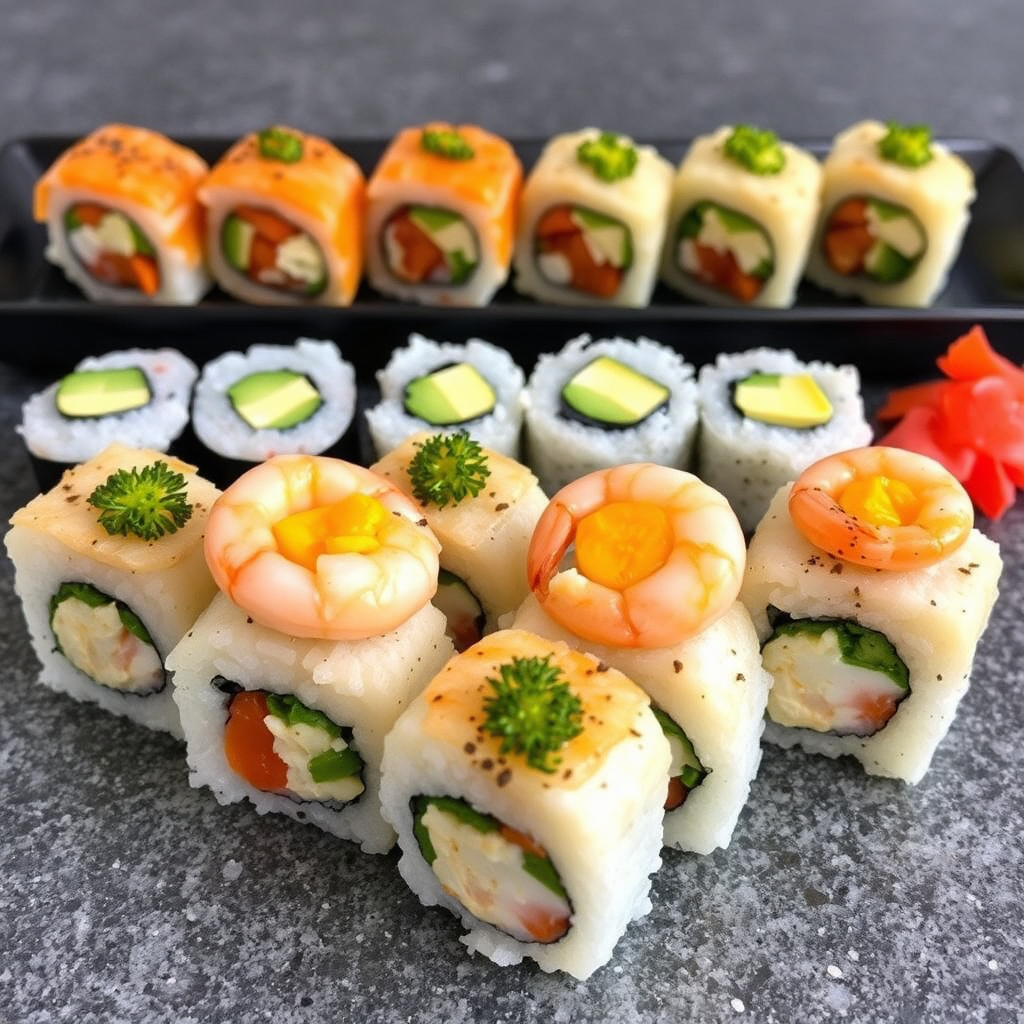
Vegetarian and Cooked Sushi
Sushi without raw fish is widely available and often features cooked or vegetarian ingredients such as cucumber, avocado, tamago (sweet egg omelet), or cooked shrimp. These options provide flavorful choices for those who do not eat raw fish or prefer milder flavors.
Versatility and accommodation for different dietary needs make sushi a popular option beyond just raw fish lovers.
- Cucumber rolls (kappa maki)
- Avocado rolls
- Cooked shrimp nigiri
- Tamago sushi
For more on this, see our related guide: What Is Sushi Grade Fish? Understanding Quality Standards for Safe Raw Consumption.
Cooked Seafood Sushi
Some sushi incorporates cooked fish or seafood, like eel (unagi), grilled salmon, or tempura shrimp. These sushi types deliver rich taste and texture without requiring raw fish. This category is helpful to those wary of raw seafood or seeking a different flavor.
Many sushi restaurants offer extensive cooked options to appeal to a wider clientele.
How Sushi Is Prepared to Include Raw Fish Safely

Selecting and Handling Fresh Fish
Sushi chefs select fish from reputable suppliers, ensuring it is fresh and labeled safe for raw consumption. Proper cold storage and hygiene during preparation are essential to minimize health risks associated with raw fish.
Fish intended for sushi-grade use must meet stringent standards to avoid parasites and bacteria, often undergoing freezing processes to ensure safety.
Preparing the Fish for Sushi
After selection, the fish is filleted carefully using clean, sterilized knives. Slices for nigiri and rolls are cut with precision to achieve the ideal thickness and texture. This skillful preparation impacts taste and mouthfeel.
Thorough training in fish preparation distinguishes professional sushi chefs and guarantees quality sushi that includes raw fish.
Cultural Context and Popularity of Raw Fish in Sushi

Historical Roots of Raw Fish in Sushi
Raw fish has been used in sushi for centuries in Japan, initially as a method of preserving fish through fermentation. Over time, this evolved into the fresh raw fish sushi styles known today, reflecting regional preferences and techniques.
This history enriches the culinary experience and appreciation behind why raw fish plays a prominent role in traditional sushi.
For more on this, see our related guide: Is Sushi Healthy? Exploring the Nutritional Benefits and Risks.
Modern Sushi Trends Involving Raw Fish
Global demand for sushi has introduced many variations, blending cooked and raw elements. Raw fish remains popular but is integrated flexibly with other ingredients to cater to international tastes.
Health trends and sustainable sourcing also influence how raw fish is used and offered in sushi menus worldwide.
Nutrition and Health Considerations of Raw Fish in Sushi
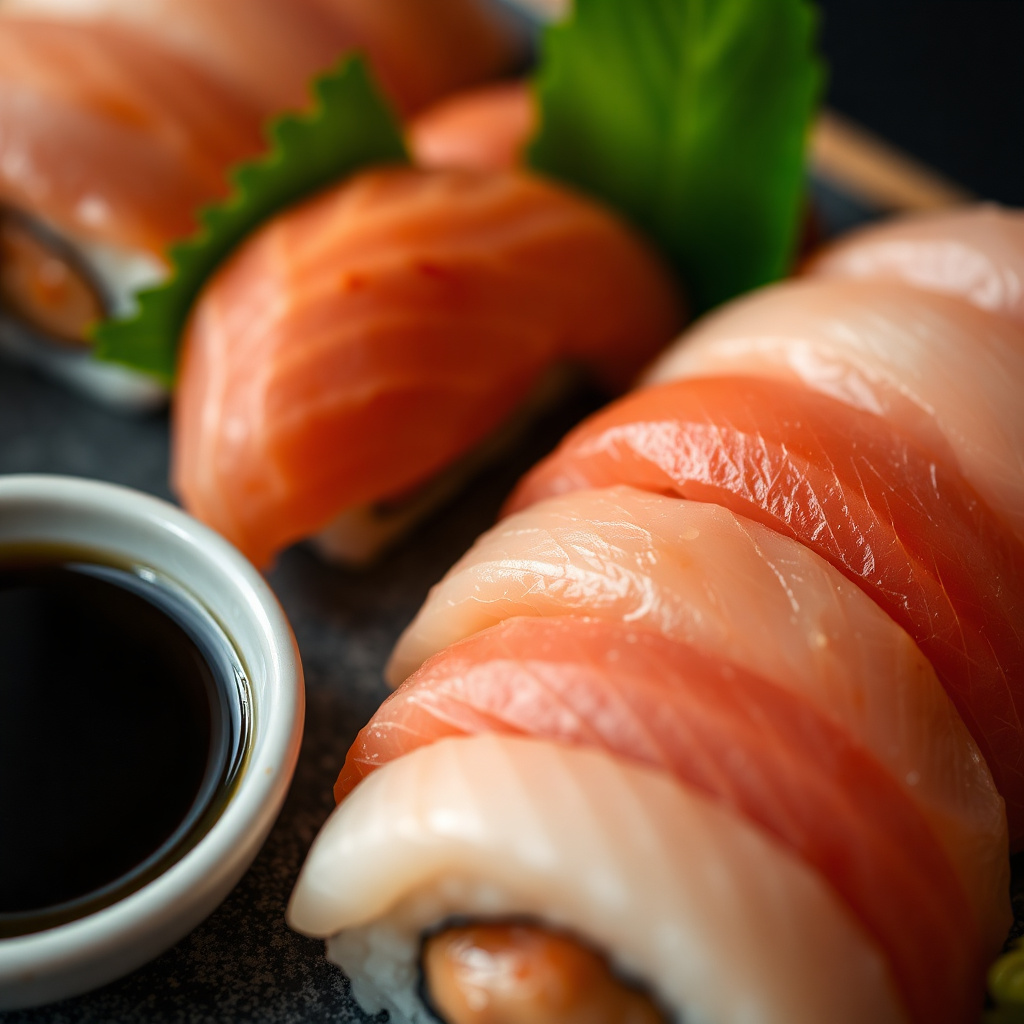
Nutritional Benefits of Raw Fish in Sushi
Raw fish in sushi provides lean protein, omega-3 fatty acids, and essential minerals. These nutrients contribute to heart health, brain function, and overall well-being. Sushi combines these benefits with other nutritious ingredients like seaweed and vegetables.
Eating raw fish sushi in moderation can be a healthful part of a balanced diet when sourced and prepared properly.
For a thorough background on sushi varieties and history, refer to the well-documented Sushi page on Wikipedia. Sushi on Wikipedia.
Potential Risks and How to Minimize Them
Consumption of raw fish carries minor risks such as exposure to bacteria or parasites. Choosing sushi from reputable establishments and consuming it fresh lowers these risks significantly.
Vulnerable groups, including pregnant individuals and those with weakened immune systems, should consult health advice before consuming raw fish.
Types of Sushi Category Comparison
This table compares popular sushi categories highlighting their ingredients, preparation methods, and raw fish content.
| Category | Typical Ingredients | Raw Fish Content | Preparation Style |
|---|---|---|---|
| Nigiri | Vinegared rice topped with raw or cooked fish | Usually includes raw fish | Hand-pressed with toppings |
| Maki Rolls | Rice and fillings wrapped in seaweed | Can contain raw fish or cooked/vegetarian | Rolled and sliced |
| Sashimi | Thin slices of raw fish or seafood | Always raw fish | Served without rice |
| Vegetarian Sushi | Rice with vegetables or egg | No raw fish | Rolled or hand-pressed |
| Cooked Seafood Sushi | Rice with cooked eel, shrimp, or egg | No raw fish | Varied, sometimes grilled or fried |
Frequently Asked Questions
Is all sushi made with raw fish?
No, sushi refers to vinegared rice combined with various ingredients, which can include raw fish, cooked seafood, vegetables, or egg. Many sushi types do not include raw fish.
What is the difference between sushi and sashimi?
Sashimi is thinly sliced raw fish served without rice while sushi always involves vinegared rice. Sushi may or may not include raw fish, but sashimi always consists of raw fish alone.
Is eating raw fish in sushi safe?
Eating raw fish sushi is generally safe when sourced from reputable sushi chefs who follow hygiene standards and use sushi-grade fish. However, some health risks exist for vulnerable groups.
Can people who don't like raw fish enjoy sushi?
Absolutely, many sushi options feature cooked seafood, egg, or vegetables, allowing those who avoid raw fish to enjoy sushi variety and flavors.
Does sushi always include seafood?
While sushi often includes seafood, it can also be made with vegetarian ingredients like cucumbers, avocado, and egg, making it a diverse dish beyond just seafood.
Key Takeaways
- Sushi is defined by vinegared rice and can include raw fish, cooked seafood, or vegetarian ingredients.
- Not all sushi contains raw fish; sashimi specifically means raw fish without rice.
- Raw fish sushi offers nutritional benefits but requires careful sourcing and preparation.
- There are many sushi varieties suitable for those who avoid raw fish or seafood.
Conclusion
Deciding if sushi contains raw fish requires understanding how sushi differs from similar dishes and what ingredients it may feature. Sushi is centered on vinegared rice, with a diverse selection of toppings including raw fish, cooked seafood, and vegetables. Knowing this distinction clarifies much confusion around sushi and helps with ordering confidently.
For those who enjoy raw fish, types like nigiri and sashimi-style rolls offer a traditional experience highlighting fresh seafood flavors. Meanwhile, cooked seafood sushi and vegetarian rolls provide satisfying choices for people avoiding raw foods. Understanding the sushi ingredients explained in this article allows selecting options that fit dietary preferences and taste.
If you want to try sushi but are unsure about raw fish, starting with cooked or vegetable rolls is a great introduction. Exploring different sushi types can expand your palate and appreciation for this versatile cuisine. Always choose trusted sushi establishments to enjoy safe, fresh sushi experiences.


