How to Make Clay Pot Tofu: A Step-by-Step Authentic Recipe
Making clay pot tofu is straightforward: start by choosing fresh tofu, cut it into cubes, prepare a savory sauce with soy and aromatics, then cook everything gently in a clay pot to retain flavors and create a silky texture. The gentle heat from the clay pot allows the tofu to absorb the sauce richly while maintaining its smooth consistency.
Clay pot tofu is a staple in many East Asian cuisines, prized for its ability to deliver tender tofu infused with deep flavors. The porous nature of clay pots retains heat evenly and intensifies the aromas of the ingredients without burning or drying out the tofu. Knowing how to use the clay pot properly enhances the taste and texture of this dish significantly.
This article will guide you through each step of preparing clay pot tofu, including selecting the right tofu, preparing the sauce, managing cooking times, and cleaning your clay pot. Additionally, it will cover variations and tips to customize the dish and advise on choosing the best clay pot for tofu to get the best results.
Choosing the Right Ingredients for Clay Pot Tofu
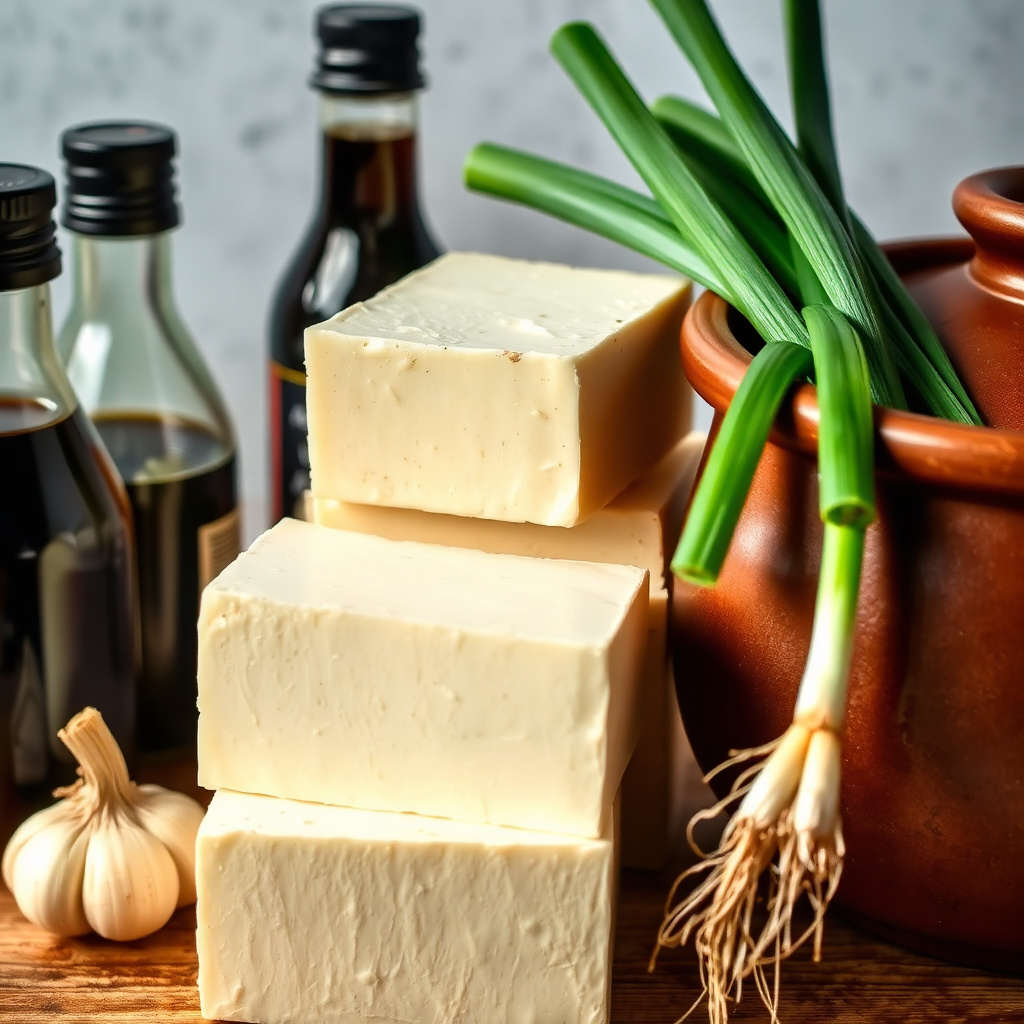
Selecting Fresh Tofu
For clay pot tofu, silken or soft tofu varieties work best because their delicate texture absorbs the flavors well while remaining tender. Firm tofu can be used but the dish’s signature silkiness diminishes. Fresh, high-quality tofu typically comes refrigerated and should be handled gently to avoid crumbling.
Avoid overly watery tofu, as excess moisture dilutes the sauce and harms the dish’s overall texture. Pressing firm tofu lightly to remove moisture is helpful if you opt for that type.
- Silken tofu recommended for smooth texture
- Firm tofu can be pressed if preferred
- Avoid tofu past its freshness date
- Keep tofu refrigerated until use
Essential Sauce Ingredients
A clay pot tofu sauce typically involves soy sauce for saltiness, a touch of sugar for balance, fresh garlic and ginger for aromatic depth, and green onions for freshness. Additional ingredients like sesame oil or fermented bean paste can deepen the flavor profile.
Preparing the sauce in advance allows the flavors to meld, which enhances the tofu’s taste after simmering. The sauce should complement but never overpower the mild tofu.
- Light soy sauce as base
- Fresh minced garlic and ginger
- Optional: sesame oil, chili flakes
- Sugar or honey for subtle sweetness
Preparing Your Clay Pot for Cooking

Soaking and Seasoning the Clay Pot
Before first use, soak your new clay pot in water for at least 30 minutes to prevent cracking during cooking. Regular soaking before each use reduces the chance of damage from rapid temperature changes.
Seasoning the clay pot involves heating it gently with some oil and garlic. This builds a natural non-stick layer and reduces odors from previous uses.
- Soak pot fully before first use
- Avoid sudden temperature changes to prevent cracking
- Season with oil and aromatics regularly
Proper Heating Techniques
Clay pots require gradual heating over low to medium heat. Avoid placing a cold pot directly on high heat because the material is sensitive and can crack. Start with a low burner setting and increase heat after the pot becomes warm to the touch.
Using a heat diffuser under the pot can help distribute heat evenly and protect the pot from hotspots.
- Heat clay pot gradually
- Use a heat diffuser when possible
- Keep moisture in the pot to prevent scorching
Cooking Clay Pot Tofu: Step-by-Step Guide

Layering Ingredients in the Clay Pot
Start by lightly oiling the base of the clay pot to prevent sticking. Add ginger slices and garlic first as a flavor base. Gently arrange tofu cubes without breaking them and pour the prepared sauce evenly over the tofu.
Topping with chopped green onions and thin chili slices adds color and freshness. Avoid overcrowding the pot, which affects even cooking and sauce absorption.
- Oil pot base lightly
- Layer aromatics before tofu
- Do not overcrowd tofu cubes
- Pour sauce evenly over tofu
Simmering and Finishing the Dish
Cover the pot with its lid and simmer on low heat for about 10-15 minutes. This slow simmer allows tofu to absorb the sauce gently and prevents the sauce from reducing too quickly.
Once done, turn off the heat and let the tofu sit covered for 5 minutes. Garnish with fresh herbs or toasted sesame seeds if desired before serving.
- Simmer on low heat for 10-15 minutes
- Avoid aggressive boiling to keep tofu intact
- Rest before serving for flavor melding
Variations and Customizations for Clay Pot Tofu
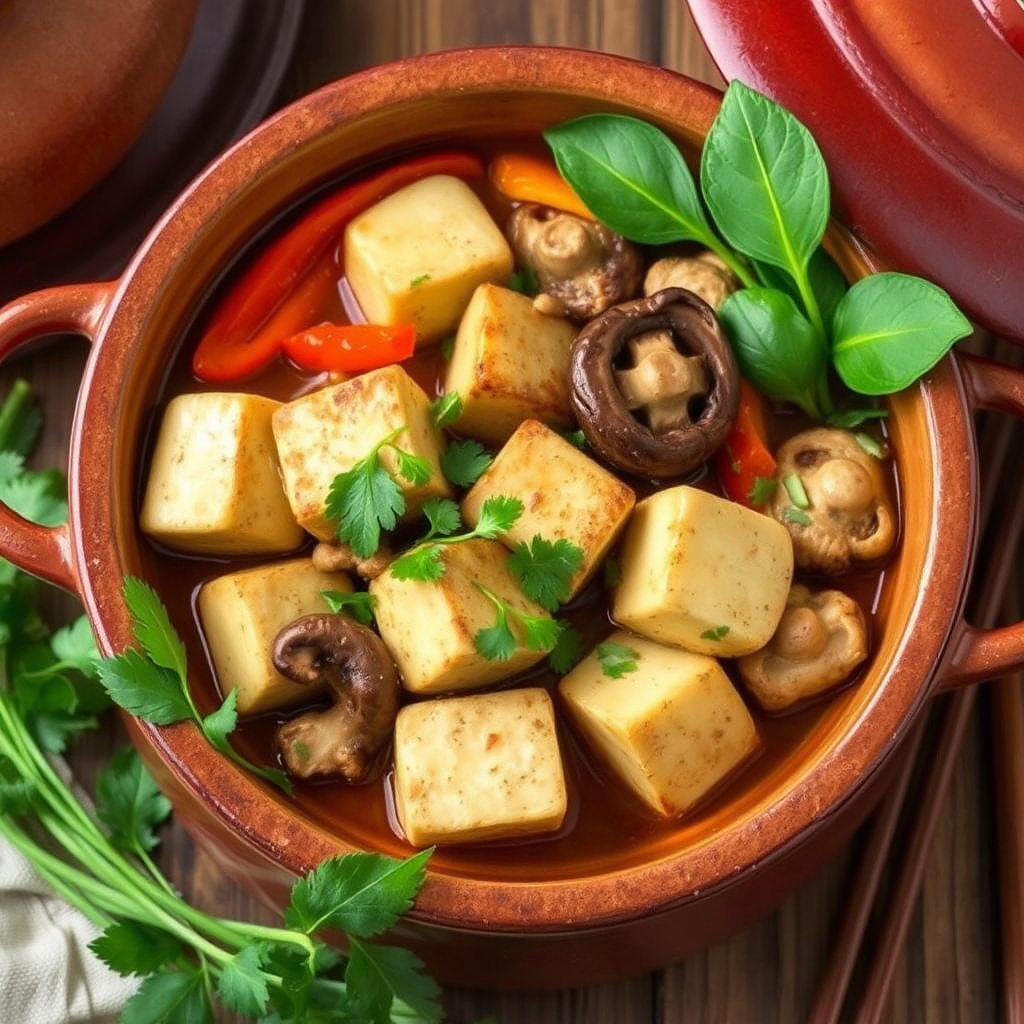
Adding Vegetables and Proteins
Enhance clay pot tofu by adding shiitake mushrooms, bok choy, or bell peppers directly into the pot. These ingredients complement the tofu’s flavors and add texture variety.
Some recipes incorporate thin slices of pork or small shrimp to boost protein richness, though this transforms the dish into a meat-inclusive version.
- Mushrooms and greens add umami and crunch
- Seafood adds subtle briny flavor
- Adjust cooking times slightly when adding proteins
- Maintain tofu as the main ingredient
Spice Level and Flavor Adjustments
Tailor your clay pot tofu’s heat by incorporating fresh chili peppers, chili oil, or ground Sichuan peppercorns. These elevate the dish’s warmth and introduce a distinctive numbing effect.
Alternatively, for a milder profile, increase sesame oil and use mild aromatics to maximize fragrance without heaviness.
- Chili oil or fresh chilies for heat
- Sichuan peppercorns for numbing spice
- Sesame oil to boost aroma without spiciness
- Sugar balance to adjust flavor depth
Cleaning and Maintaining Your Clay Pot
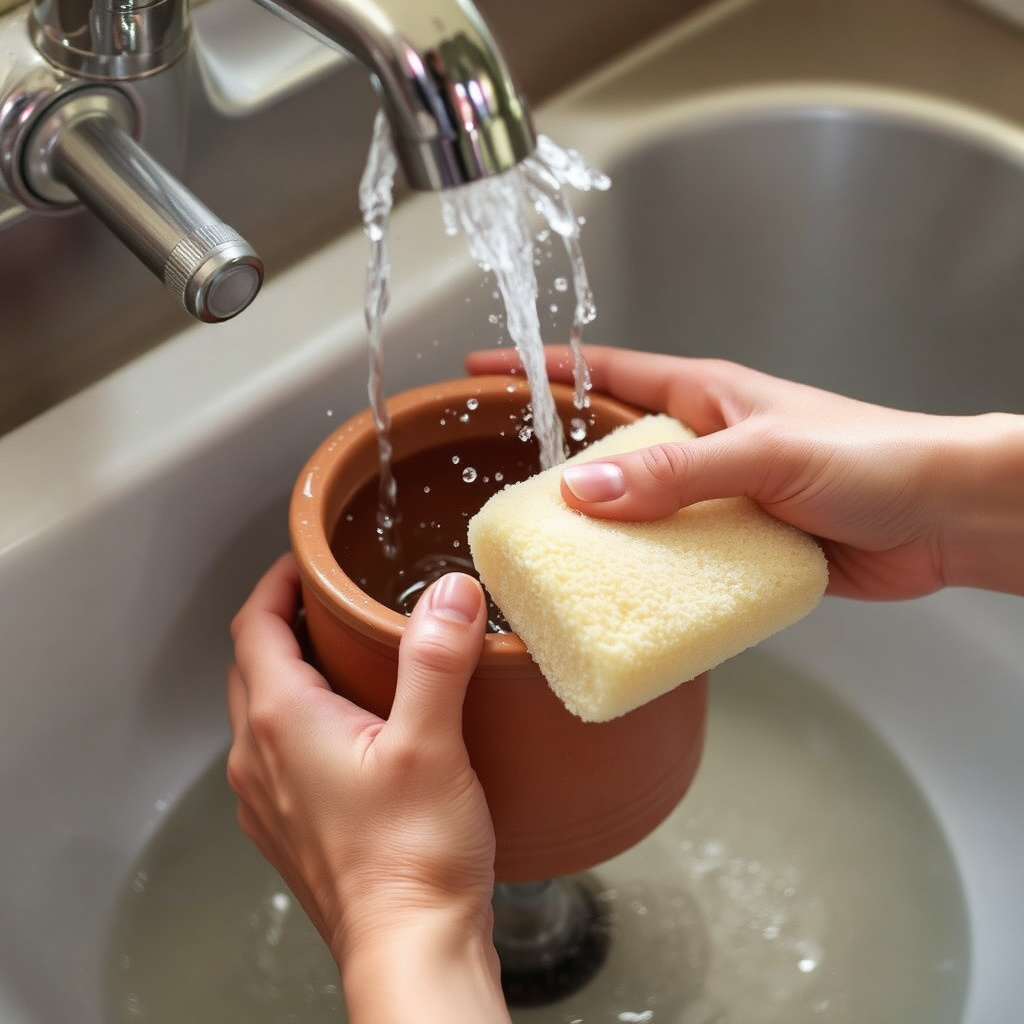
Proper Cleaning Techniques
Avoid harsh detergents or metal scrubbers when cleaning the clay pot. Use warm water and a soft brush or sponge to preserve the pot’s porous surface and seasoning layer.
Dry the pot thoroughly after washing to prevent mold growth and store it in a dry place.
- Use mild soap sparingly, if at all
- Avoid soaking clay pots long-term after cooking
- Dry completely to prevent moisture retention
For more details on the history and uses of clay pot cooking worldwide, refer to this comprehensive overview. clay pot cooking.
Extending Clay Pot Lifespan
Repeatedly seasoning your clay pot prolongs its usability by creating a natural patina that enhances non-stick qualities and prevents cracking. Regularly inspect for cracks and avoid high-temperature flames which accelerate damage.
Proper handling during cooking and storage safeguards your investment and enables many flavorful clay pot tofu sessions.
- Season regularly with oil and aromatics
- Avoid sudden temperature changes
- Handle pot carefully to prevent impact cracks
Clay Pot Types for Making Tofu: Comparison
Explore the differences between common clay pots used in cooking tofu, summarized here by material, heat retention, and care requirements.
| Clay Pot Type | Material | Heat Retention | Care Difficulty | Price Range |
|---|---|---|---|---|
| Unglazed Earthenware | Natural clay, porous | High, slow to cool | Moderate – season regularly | $25-$50 |
| Glazed Ceramic | Clay with glazed surface | Moderate, resists stains | Easier – less seasoning | $30-$70 |
| Chinese Sand Pot (Shāguō) | Specialized fired clay | High, retains moisture | Moderate – gentle handling | $40-$80 |
| Cast Iron with Clay Lining | Cast iron with clay interior | Very high heat retention | High – avoid rust/mishandling | $60-$100 |
Frequently Asked Questions
Can I use firm tofu instead of silken tofu for clay pot tofu?
Yes, firm tofu can be used but the dish will be less silky and more chewy. Pressing firm tofu helps reduce moisture and improves texture, but silken tofu remains preferred for authentic softness.
Do I need to soak the clay pot before each use?
Soaking the clay pot in water before each cooking session helps prevent cracking by moderating temperature changes, which is especially important for unglazed or earthenware pots.
How long should I simmer tofu in the clay pot?
Simmer the tofu gently for 10 to 15 minutes on low heat. This allows the tofu to absorb the sauce fully while maintaining its structure without breaking apart.
Can I make clay pot tofu without a clay pot?
While a clay pot provides authentic heat distribution and flavor, a heavy-bottomed ceramic or cast iron pot can substitute, though texture and cooking results may slightly differ.
Is it necessary to season a new clay pot before first use?
Yes, seasoning helps create a protective non-stick layer and removes any residual odors from manufacturing. This step improves the pot’s durability and cooking performance.
Key Takeaways
- Silken tofu delivers the best texture for clay pot tofu dishes.
- Properly prepared sauce and gentle simmering bring out rich flavors.
- Soaking and seasoning your clay pot prevent damage and improve cooking.
- Clay pot type influences heat retention and care requirements significantly.
Conclusion
Understanding how to make clay pot tofu well starts with selecting the right ingredients and respecting the unique properties of the clay pot. The gradual heat transfer and ability to trap moisture create a delicate balance that results in tender tofu infused with complex soy-based sauce. Being mindful about ingredient freshness, especially the tofu’s texture, helps ensure a dish with appealing consistency and flavor. The method hinges on gentle cooking, which prevents the tofu from crumbling while allowing full absorption of aromatics.
If you want a simple, comforting meal, using silken tofu with a flavorful mix of soy sauce, garlic, and ginger is ideal. For those interested in richer or varied meals, incorporating vegetables such as mushrooms or bell peppers and adjusting spice levels with fresh chilies creates customized versions of clay pot tofu. Among options for cooking vessels, unglazed earthenware and Chinese sand pots bring the most traditional appeal, though glazed ceramics suit casual cooks looking for easier maintenance. Each choice affects how your tofu cooks and tastes.
To start making your own clay pot tofu, invest in a quality clay pot suited for your cooking style and remember to soak and season it as described. Experiment with sauce ingredients and additions gradually until you discover your perfect balance. This hands-on approach leads to mastering clay pot tofu, a dish that delights with minimal fuss yet full flavor. Your next step is to prepare fresh tofu and gather your aromatics to bring this rustic East Asian recipe to life.



One Comment