How to Make Sesame Chicken: A Step-by-Step Homemade Recipe
Making sesame chicken at home is straightforward and rewarding. This recipe delivers crispy chicken pieces coated in a sweet and savory sesame sauce, letting you enjoy a restaurant favorite right from your kitchen. You'll achieve a perfect balance of texture and flavor using simple ingredients and clear steps.
Sesame chicken is a beloved dish known for its crunchy exterior and sticky glaze, served often in Chinese-American restaurants. Preparing it yourself means controlling the ingredients, avoiding preservatives, and customizing the sweetness or spiciness to your preference. Plus, cooking freshly gives you a fresher taste and more satisfying experience.
This article explains how to prepare the chicken, make the sesame sauce from scratch, and assemble the dish. We'll cover details like battering, frying, sauce consistency, and garnish ideas. By the end, you'll have a comprehensive guide to creating your own delicious sesame chicken at home.
Choosing and Preparing the Chicken for Sesame Chicken

Selecting the Right Chicken Cuts
Breast meat is preferred for sesame chicken because it is lean and tender. Opt for skinless, boneless chicken breasts to make the coating and frying process easier and cleaner. Cut the chicken into even bite-sized pieces, about 1 to 1.5 inches, so they cook uniformly and quickly.
Some recipes use thigh meat for extra juiciness, but breast meat offers a consistent texture that crisps nicely. Avoid overly large chunks because they can remain undercooked or soggy inside. Proper preparation ensures a crispy exterior with tender inside.
Marinating for Flavor and Texture
Before battering, marinate the chicken in a mix that typically includes soy sauce, rice wine or sherry, minced garlic, and a bit of ginger. This infusion not only enhances flavor but also tenderizes the meat slightly.
Marinate for at least 20 minutes or up to an hour in the fridge. Proper marination allows the chicken to absorb savory undertones, achieving depth in the final dish without overpowering the sesame sauce.
- Soy sauce for umami
- Minced garlic for aromatics
- Fresh ginger or paste
- Rice wine or dry sherry
Crafting the Batter and Frying Technique

Making the Perfect Batter
A crispy batter is key to sesame chicken’s signature crunch. The batter usually combines cornstarch and all-purpose flour with cold water or egg. Some variations include baking powder for extra puffiness.
Keep the batter consistency thick enough to coat but not too runny to avoid sogginess. Cold liquid helps achieve crispness after frying. Mixing the batter just before coating helps maintain optimal texture.
- Cornstarch for crispiness
- Flour for structure
- Cold water or egg for binding
- Optional baking powder
Frying for Golden Crunch
Deep frying in hot oil (around 350°F or 175°C) yields the ideal crunch. Carefully lower battered chicken pieces one at a time to prevent temperature drops.
Fry until golden brown, about 4-6 minutes depending on piece size, then drain excess oil on paper towels. Maintaining consistent oil temperature prevents greasy or undercooked chicken.
- Use neutral oil with high smoke point (canola, peanut)
- Maintain oil temp near 350°F
- Don’t overcrowd the fryer or pan
Preparing the Sesame Sauce

Key Ingredients for the Sauce
The sauce is a balance of sweet, salty, and nutty flavors. Key ingredients include soy sauce, sugar or honey, rice vinegar for brightness, and toasted sesame oil for that characteristic aroma.
Adding cornstarch to a mixture of these liquids allows creation of a glossy sauce with slightly thickened consistency, perfect for coating crispy chicken. Toasted sesame seeds are added for texture and taste.
- Soy sauce as base
- Honey or sugar for sweetness
- Rice vinegar for tang
- Sesame oil for fragrance
- Cornstarch slurry for thickness
- Toasted sesame seeds
For more on this, see our related guide: How to Make Orange Chicken: A Simple Homemade Recipe.
Cooking and Adjusting the Sauce
Simmer the combined ingredients in a pan, stirring constantly until it thickens. The sauce should be thick enough to coat the back of a spoon but not overly syrupy.
Taste the sauce and tweak: add more sweetness if desired, vinegar to brighten, or sesame oil for extra nuttiness. This control allows you to customize it perfectly to your palate.
Combining and Finishing Sesame Chicken

Tossing Chicken in Sauce
Once the sauce is ready and the chicken is fried, quickly toss the crispy pieces in the buttery glaze to coat evenly. Work fast so the crust remains crisp and the chicken doesn’t become soggy.
Use a large bowl or pan to gently fold the sauce in. The warmth of the sauce slightly softens the exterior without sacrificing texture. This step creates the iconic balance between crunch and sauciness.
Garnishing and Serving Suggestions
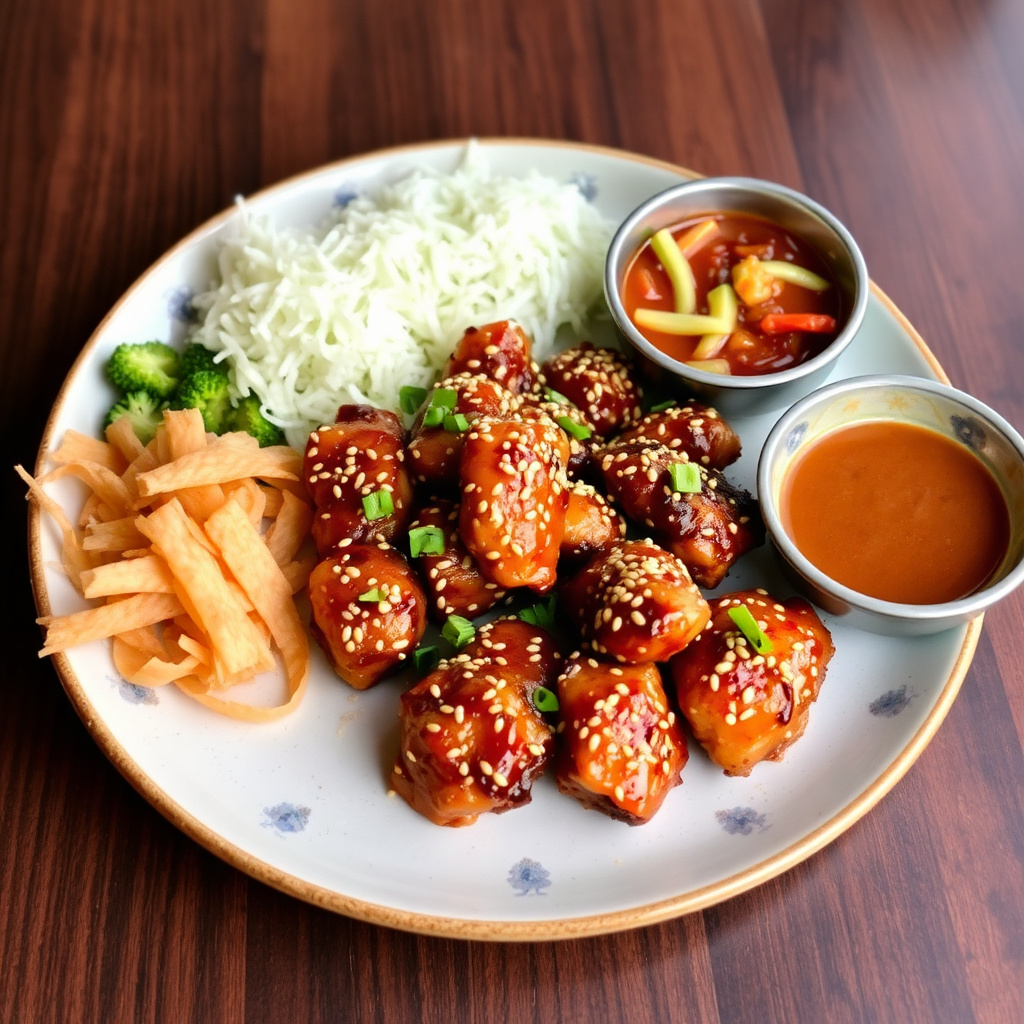
Sprinkle a generous amount of toasted sesame seeds and sliced green onions on top for flavor, texture, and visual appeal. Optionally, add a light drizzle of chili flakes or serve with steamed rice and steamed broccoli.
Serve immediately for best texture. Leftovers can lose their crunch and require reheating in an oven or air fryer.
- Toasted white or black sesame seeds
- Chopped green onions
- Optional chili flakes
- Steamed white rice or jasmine rice
- Steamed or stir-fried vegetables
Tips and Variations for Better Sesame Chicken
Healthier Alternatives
For a lighter version, bake the battered chicken pieces or air fry them instead of deep frying. Adjust cooking times to maintain crispness.
Use low-sodium soy sauce to reduce salt content, and substitute honey with natural sweeteners like maple syrup if preferred.
For more on this, see our related guide: How to Make Sweet and Sour Pork: A Step-by-Step Guide.
Flavor Variations
Add garlic powder or chili paste to the sauce for spice, or incorporate hoisin sauce for extra sweetness and depth. Some cooks mix in pineapple juice for tangy sweetness.
Try mixing black and white sesame seeds for a visual twist, or top with crushed peanuts for crunch variation.
Serving and Storing Sesame Chicken

Best Serving Practices
Serve sesame chicken hot alongside steamed rice or noodles and fresh vegetables. It pairs well with simple stir-fried greens or a crisp cucumber salad to balance richness.
Portion appropriately as a main dish or part of a larger meal with multiple Asian-style dishes.
For additional information and history about sesame chicken, check out the sesame chicken page on Wikipedia. Sesame chicken on Wikipedia.
Storing and Reheating Tips
Store leftover sesame chicken in an airtight container in the fridge for up to three days. To revive crispness, reheat in an air fryer or oven instead of a microwave.
Note that the sauce may thicken during storage; loosen with a splash of water or broth when reheating if needed.
Sesame Chicken Preparation Methods Comparison
This table compares popular cooking techniques and variations for sesame chicken to help you decide which suits your kitchen and taste.
| Method | Crispiness Level | Health Impact | Preparation Time | Flavor Intensity |
|---|---|---|---|---|
| Deep Frying | Very High | Higher Fat | 30-40 mins | Classic Rich Flavor |
| Air Frying | High | Lower Fat | 30-35 mins | Slightly Lighter Flavor |
| Baking | Medium | Lower Fat | 40-45 mins | Milder Flavor |
| Stir Frying (No Batter) | Low | Healthiest | 20-25 mins | Less Crispy, Fresh |
| Frozen Pre-made Kits | Varies | Unknown | 15-20 mins | Pre-seasoned |
Frequently Asked Questions
Can I use chicken thighs instead of breasts for sesame chicken?
Yes, chicken thighs can be used and provide more juiciness. However, they may have more fat and a different texture, so adjust cooking time accordingly to ensure thorough cooking and crispness.
How do I prevent the batter from getting soggy after frying?
Drain excess oil immediately on a wire rack or paper towels and toss in sauce just before serving. Maintaining hot oil temperature during frying also helps keep the batter crisp.
Is it necessary to use cornstarch in the batter and sauce?
Cornstarch is key for a crispy coating and to thicken the sauce. You can experiment with flour alone, but the texture and thickness will be less characteristic of traditional sesame chicken.
Can I make the sesame sauce ahead of time?
Yes, the sauce can be prepared in advance and refrigerated. Gently reheat before tossing with chicken. Stir well as the sauce may thicken or separate when chilled.
What is the best oil for frying sesame chicken?
Use high smoke point oils like peanut, canola, or vegetable oil. These oils tolerate high temperatures without burning and produce a neutral flavor that won’t overpower the dish.
Key Takeaways
- Use bite-sized, skinless chicken breast pieces for the best texture.
- A cornstarch-based batter provides signature crispiness.
- Sesame sauce balances sweet, salty, and nutty flavors with soy and sesame oil.
- Toss chicken in sauce quickly to maintain crunch before serving.
Conclusion
When making sesame chicken, the decision-making centers on balancing texture and flavor through proper chicken preparation, batter consistency, and sauce formulation. Beginning with well-cut breast meat and marinating sets a flavorful base. The coating process using cornstarch leads to the crunchiness that defines the dish, while carefully fried chicken pieces provide a golden exterior. Making the sesame sauce from scratch offers control over sweetness and richness, distinguishing homemade variations from commercial ones. Throughout, attention to timing during frying and saucing preserves the characteristic crispness.
For home cooks, deep frying combined with this batter method produces the classic crisp sesame chicken, while air frying presents a lighter alternative that still maintains good texture. Baking works as a less oily choice but sacrifices crispness. Flavor adjustments like increasing honey or adding chili can personalize the sauce. Serving with steamed jasmine rice and garnished with toasted sesame seeds elevates presentation and taste. These options cater to a range of preferences and available kitchen tools, allowing flexibility without compromising the essential elements of sesame chicken.
The best next step is to gather fresh ingredients and attempt the recipe step-by-step, focusing on timing and sauce thickness for your personal taste. Experiment with cooking techniques from the comparisons presented to find what fits your style and dietary needs. Homemade sesame chicken rewards patience with a dish that tastes fresh, comforting, and satisfying any day of the week.




One Comment