Hot and Sour Soup vs Wonton Soup: Which One Suits Your Taste Best?
When deciding between hot and sour soup and wonton soup, the key difference lies in their flavor profiles and main ingredients. Hot and sour soup is known for its spicy, tangy broth with mushrooms, tofu, and bamboo shoots, while wonton soup features delicate pork or shrimp-filled dumplings in a clear, savory broth. Both are comforting but offer distinct culinary experiences.
These two soups reflect different regional influences and appeal to diverse palates. Hot and sour soup comes from Sichuan cuisine, prized for bold tastes that awaken the senses. Wonton soup, originating in Cantonese tradition, offers a subtler, comforting flavor with the satisfying texture of soft dumplings. Understanding their characteristics helps when choosing which soup suits your mood or meal plan.
This article will explore the differences between hot and sour soup and wonton soup, covering ingredients, cooking methods, nutritional profiles, cultural significance, and how to enjoy them. By the end, you'll be able to pick the best Asian soup to try based on your preferences.
Flavor Profiles of Hot and Sour Soup vs Wonton Soup

Distinctive Taste Elements of Hot and Sour Soup
Hot and sour soup features a complex taste: the heat mainly comes from white pepper or chili paste, balanced by the sourness of vinegar. This interplay creates a bold, stimulating profile that highlights earthiness from shiitake mushrooms and the firmness of tofu cubes.
Additional ingredients like bamboo shoots, wood ear fungus, and sometimes pork contribute texture variety. The broth often uses chicken or pork base enhanced with soy sauce and sesame oil, providing a savory backbone beneath the fiery tang.
Subtle Savory Notes in Wonton Soup
Wonton soup is celebrated for its gentle yet delicious flavor. The clear broth is often made from chicken or pork bones simmered for hours, resulting in a light but flavorful base. It rarely includes strong spices, appealing to those who prefer subtlety.
The star component, wontons, are small dumplings filled typically with seasoned ground pork, shrimp, or a combination. Their soft, silky wrappers and tender filling create a pleasant bite that absorbs the broth’s delicate essence.
Key Ingredients Compared

Important Ingredients in Hot and Sour Soup
The main components of hot and sour soup include tofu for protein, wood ear mushrooms for texture, bamboo shoots for crunch, and often pork strips for heartiness. White pepper and vinegar shape the soup’s signature hot and sour taste.
These ingredients collectively not only define the flavor but also contribute to the soup’s thickened consistency, often achieved with cornstarch added near the end of cooking.
- Tofu: soft or firm
- Wood ear fungus
- Bamboo shoots
- White pepper and vinegar
Core Ingredients in Wonton Soup
Wonton soup’s focus is the wonton dumplings made from thin wheat wrappers and fillings like seasoned pork or shrimp. The broth is typically a clear stock made with chicken, pork bones, dried shrimp, or shiitake mushrooms for subtle umami.
Optional garnishes include chopped green onions or bok choy, enhancing both flavor and presentation without overpowering the soup’s delicate balance.
- Wonton dumplings (pork or shrimp filling)
- Clear chicken or pork broth
- Green onions or bok choy
Nutritional Considerations

Nutritional Benefits of Hot and Sour Soup
Hot and sour soup tends to be lower in calories than creamy soups but contains moderate sodium levels because of soy sauce and vinegar. Its tofu adds plant-based protein, and mushrooms provide antioxidants and dietary fiber.
However, the ingredients like bamboo shoots and added cornstarch can impact sodium and carbohydrate types. For those watching sodium intake, portion control is advisable.
For more on this, see our related guide: How Many Calories Are in Wonton Soup? A Detailed Nutritional Guide.
Nutritional Profile of Wonton Soup
Wonton soup offers protein primarily from its meat or shrimp-filled dumplings. Its clear broth is generally lower in calories and fat compared to richer soups, making it a lighter option.
However, the wheat wrappers add carbohydrates, and depending on preparation, sodium content might be moderate to high. It is a reasonable choice for balanced meals if eaten with vegetables.
Cooking and Preparation Methods

How Hot and Sour Soup Is Made
Hot and sour soup requires preparing a stock base first, then adding tofu, mushrooms, bamboo shoots, and pork strips if used. The soup is thickened with a cornstarch slurry and seasoned with white pepper and vinegar last to preserve sharpness.
Cooking balance is critical: the vinegar must not overpower, and the soup needs to maintain a harmonious heat level without overwhelming spice.
Making Wonton Soup from Scratch
Wonton soup preparation starts with making or buying wonton wrappers and filling them with seasoned ground meat or shrimp. The filled dumplings are boiled until tender in a flavorful, clear broth simmered with bones and aromatics.
The process requires skill in folding wontons quickly and ensuring broth clarity through careful straining.
Cultural Significance and Serving Traditions
Hot and Sour Soup in Chinese Cuisine
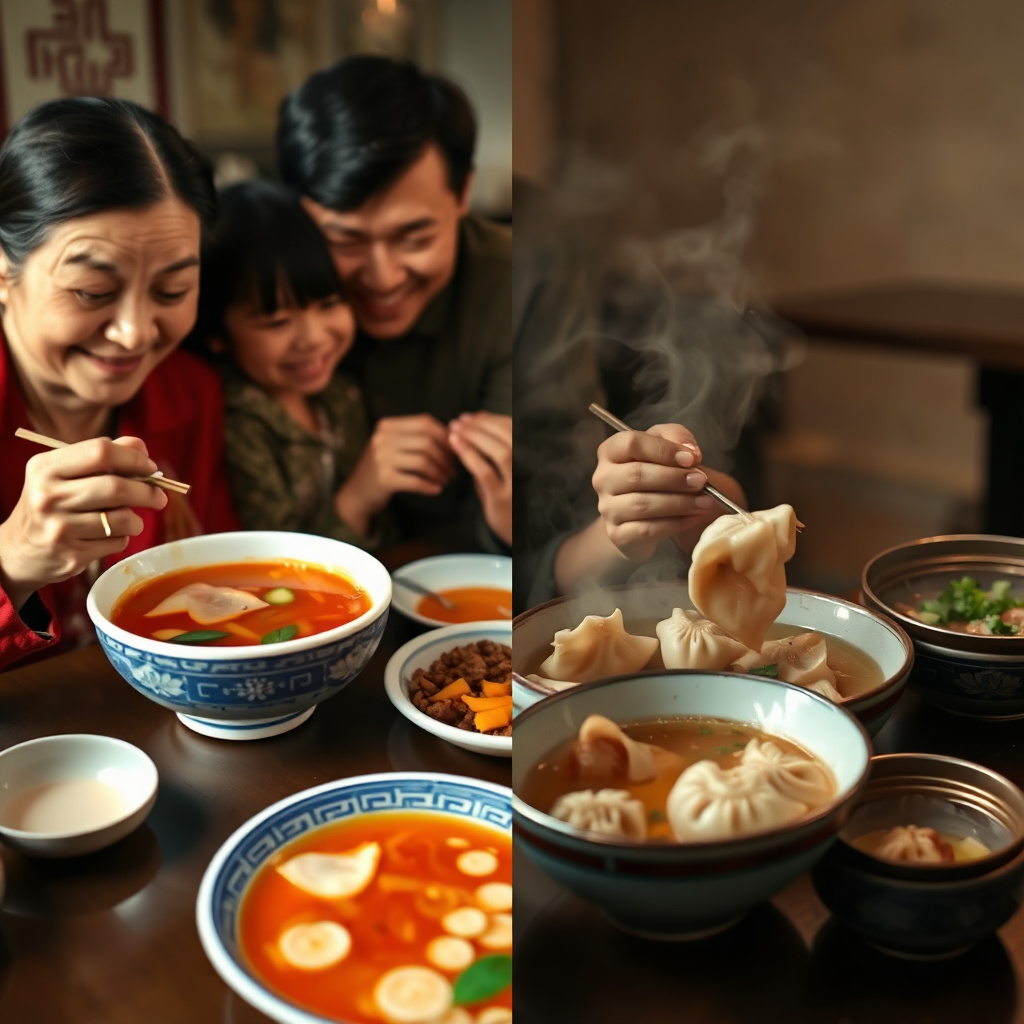
Hot and sour soup is a staple in Sichuan cuisine, often served as a starter due to its invigorating flavor. It represents the balance of yin and yang flavors — hot from spices and sour from vinegar.
It’s commonly enjoyed during colder months or when a palate-refreshing dish is desired before richer entrees.
For more on this, see our related guide: How to Eat Healthy at a Chinese Restaurant Without Sacrificing Flavor.
Wonton Soup’s Place in Tradition
Wonton soup is a common dish across southern China, integral to Cantonese dining and dim sum culture. It is served both casually and on special occasions, symbolizing warmth and family togetherness.
The simplicity of the soup makes it a comfort food for many while showcasing skilled craftsmanship in dumpling making.
When to Choose Hot and Sour Soup or Wonton Soup

Ideal Occasions for Hot and Sour Soup
Opt for hot and sour soup when you desire a bold, spicy starter to awaken your appetite or enjoy a dish that can help clear the sinuses on chilly days. Its filling ingredients also allow it to serve as a light main course.
This soup pairs well with plain rice or steamed buns to balance its strong flavors.
For further reading on these and other traditional Chinese soups, you can visit the comprehensive Chinese soups page on Wikipedia. Chinese soups on Wikipedia.
Best Situations for Wonton Soup
Choose wonton soup when you want a soothing, mild soup that complements a variety of dishes without overwhelming your palate. It’s a great choice for light lunches or when sharing multiple dim sum items.
Because of its soft texture and rich protein, it suits diners seeking comfort without heaviness.
Hot and Sour Soup vs Wonton Soup Category Comparison
Explore the main differences between hot and sour soup and wonton soup across flavor, ingredients, nutrition, and preparation to find which suits your preference.
| Category | Hot and Sour Soup | Wonton Soup |
|---|---|---|
| Flavor Profile | Spicy, tangy, bold | Mild, savory, delicate |
| Primary Ingredients | Tofu, mushrooms, bamboo shoots, vinegar, white pepper | Wontons filled with pork/shrimp, clear chicken or pork broth |
| Nutritional Highlights | Moderate protein, moderate sodium, low fat | Protein from dumplings, lighter broth, moderate carbs |
| Typical Serving Temperature | Hot, thickened broth | Hot, clear soup |
| Cultural Origin | Sichuan cuisine | Cantonese cuisine |
| Occasion | Appetizer or light main, especially in cold weather | Light meal or dim sum accompaniment |
Frequently Asked Questions
Is hot and sour soup spicy for everyone?
Hot and sour soup typically has a moderate spice level from white pepper or chili, but it can be adjusted to taste. Some versions are mild, making it suitable for most palates.
Are wontons in wonton soup always made with pork?
No, wontons can be filled with various ingredients including pork, shrimp, chicken, or vegetarian mixtures, depending on the recipe and regional variations.
Can I find vegan versions of hot and sour soup?
Yes, vegan versions use vegetable broth and omit meat, featuring tofu, mushrooms, and bamboo shoots to maintain traditional flavors.
Which soup is lower in calories: hot and sour or wonton?
Wonton soup generally contains fewer calories due to its clear broth and lighter ingredients, while hot and sour soup’s thickened broth and tofu make it moderately higher.
How long does it take to prepare wonton soup at home?
Preparing wonton soup from scratch, including making filling and folding wontons, typically takes about 45 minutes to an hour, depending on cooking skill.
Key Takeaways
- Hot and sour soup delivers a bold, tangy, and spicy flavor with tofu and mushrooms.
- Wonton soup features delicate dumplings in a clear, mild, savory broth.
- Nutritionally, wonton soup is lighter, while hot and sour provides more robust protein and spice.
- Both soups reflect distinct Chinese regional traditions and suit different dining occasions.
Conclusion
Choosing between hot and sour soup and wonton soup revolves around your flavor preferences and dining context. Hot and sour soup caters to those who enjoy a lively blend of spice and acidity combined with hearty textures. In contrast, wonton soup appeals to people seeking a subtle, comforting meal highlighting tender dumplings and a clear broth. Recognizing these differences helps in matching the soup to the meal occasion and individual taste.
If you prefer excitement in your meal with a mix of pungent and sour notes, hot and sour soup is ideal for cold days or as a stimulating appetizer. For occasions when lighter fare is preferred, especially alongside dim sum or plain rice dishes, wonton soup fits perfectly. Both soups represent the best Asian soups to try for diversifying your culinary experience, showcasing unique regional flavors and cooking techniques.
To explore these soups yourself, start with a tried-and-true recipe or visit a reputable Chinese restaurant that serves authentic versions. Sampling both can deepen your appreciation of traditional Chinese cooking styles. Whether warming up with spicy hot and sour soup or savoring the tender simplicity of wonton soup, each offers a satisfying taste journey.