How to Make Unagi: Authentic Japanese Grilled Eel Recipe
Unagi, or grilled freshwater eel, is a beloved Japanese delicacy known for its rich flavor and tender texture. Making unagi at home involves a precise grilling technique combined with a luscious sweet soy-based sauce called tare. You can replicate the iconic taste by preparing fresh or frozen eel and mastering the sauce in your kitchen.
Unagi holds an esteemed place in Japanese cuisine as both a celebratory dish and a summer stamina food. The delicate balance between smoky char from charcoal grilling and the soy-sweet tare glaze gives unagi its signature taste and aroma. Replicating this at home offers a rewarding cooking experience with a delicious result.
This article breaks down how to make unagi from start to finish: preparing and filleting eel, crafting the tare sauce, grilling tips, and serving ideas. Additionally, we’ll explore variations and key equipment to help you create restaurant-quality unagi yourself.
Choosing and Preparing Eel for Unagi
Selecting Fresh or Frozen Eel
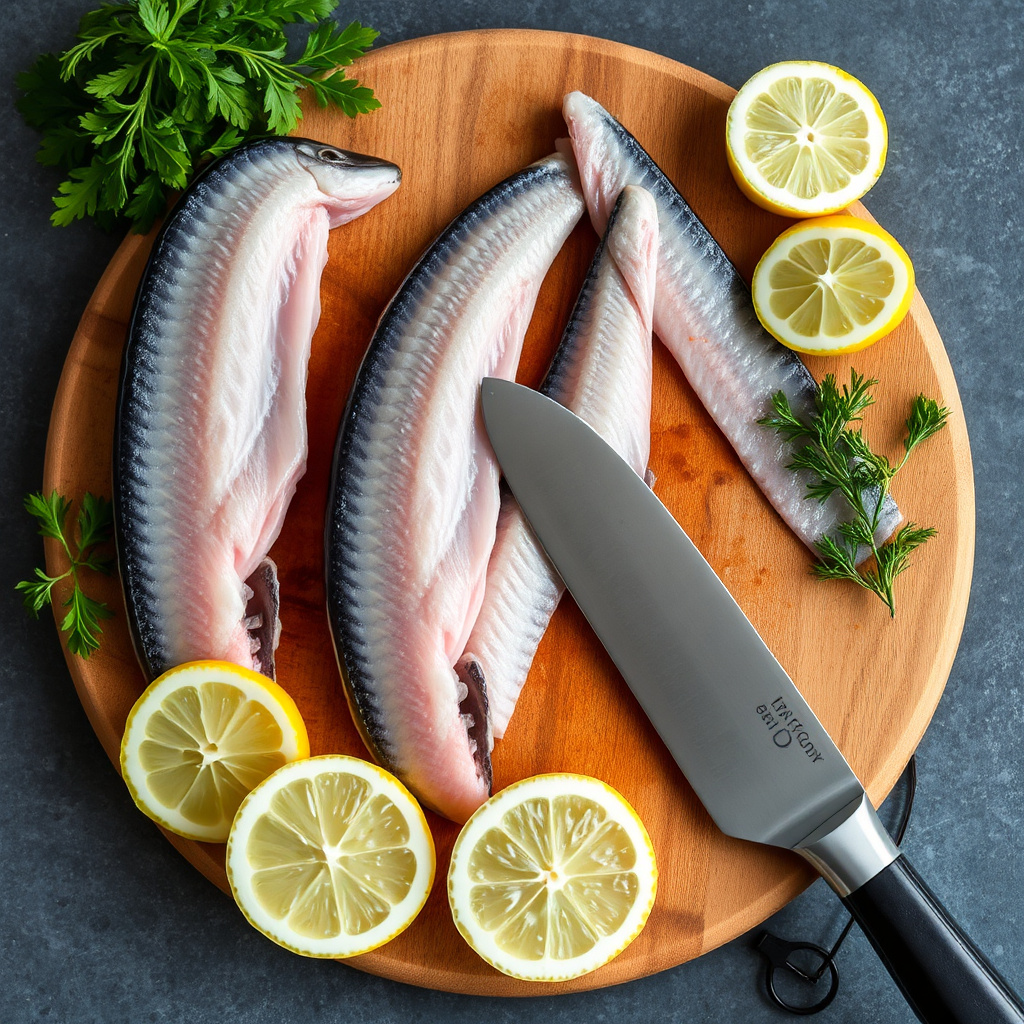
High-quality eel is fundamental for authentic unagi. Choose freshwater eel marked for culinary use, which is often sold frozen outside Japan due to short shelf life. Frozen eel fillets are convenient and widely available, retaining flavor with proper thawing.
Fresh eel offers superior texture but can be harder to find and requires skill to clean. When buying fresh or frozen, look for firm flesh without discoloration or odor. Proper thawing of frozen eel in the refrigerator overnight preserves quality.
- Fresh eel: firmer texture, ideal if available
- Frozen eel: convenient, widely sold
- Avoid any fishy smell or discoloration
Cleaning and Filleting Eel
If starting from whole eel, it must be cleaned and filleted properly. Begin by stunning and skinning the eel carefully. Traditionally, the eel is butterflied by slicing along the backbone while avoiding cutting through the tail.
Removing bones and excess fat enhances eating comfort. After filleting, rinse the eel and pat dry before cooking. Pre-cut fillets are common in stores and simplify this step.
- Use a sharp knife for precision
- Remove head and innards
- Butterfly cut along backbone
- Remove pin bones carefully
Making the Traditional Unagi Sauce (Tare)

Ingredients for Classic Tare Sauce
Unagi tare sauce is a thick, glossy mixture of soy sauce, mirin, sugar, and sake. These balance sweetness and umami, complementing the eel’s rich flavor. Adjusting sugar and mirin proportions modifies sweetness and consistency.
Every chef has subtle variation, but generally equal parts soy sauce and mirin with slightly less sugar and sake create a flavorful glaze that caramelizes evenly while grilling.
- Soy sauce: adds savoriness
- Mirin: sweet cooking rice wine
- Sugar: sweetens and thickens
- Sake: enhances depth and aroma
For more on this, see our related guide: How to Make Dragon Roll Sushi at Home: A Step-by-Step Guide.
Cooking and Storing the Sauce
Simmer ingredients over low heat, stirring until sugar dissolves and sauce reduces by about half to a syrupy consistency. Avoid boiling vigorously to prevent bitterness. Cool after cooking and store in the refrigerator.
Tare sauce improves with a day of rest for flavors to meld. It can last for up to two weeks refrigerated sealed, ready for multiple batches of grilled eel.
- Simmer gently to reduce
- Cool before refrigerating
- Store in airtight container
- Use within two weeks
Techniques for Grilling Unagi

Preparing the Grill and Skewering Eel
Traditional unagi is grilled over charcoal to infuse a subtle smoky flavor. Heat charcoals to medium-high and use a grilling rack or skewers to hold fillets flat for even cooking.
Skewering prevents curling and helps apply sauce layers. Bamboo or metal skewers can be used, but ensure the eel is securely fastened and spaced for proper heat circulation.
- Use medium-high charcoal heat
- Skewer fillets flat to grill evenly
- Allow space for smoke circulation
- Avoid direct flame to prevent burning
Applying Sauce and Cooking Time
Grill the eel skin-side down for 4-5 minutes until slightly crispy. Brush a generous layer of tare sauce, flip, and grill the flesh side briefly. Apply 2-3 coats of sauce during cooking to build flavor.
Cook until caramelized glaze forms, but avoid charring which imparts bitterness. Finished unagi should be tender, shiny, and aromatic.
- Grill skin-side down first
- Brush multiple layers of tare
- Avoid excessive charring
- Cooking time: 8-10 minutes total
Serving Suggestions and Presentation

Traditional Unagi Presentation
Unagi is commonly served over steamed Japanese rice, called unadon or unaju when served in a lacquered box. The sauce drips into the rice, creating a harmonious flavor blend.
Garnishes like sansho pepper add a mild citrusy spice that brightens the dish. Pickled vegetables or miso soup complete a classic meal.
- Serve over steamed short-grain rice
- Sprinkle with sansho pepper
- Accompany with pickled side dishes
- Use a shallow lacquered box for presentation
For more on this, see our related guide: How to Make Nigiri: Step-by-Step Guide to Perfect Sushi at Home.
Variations and Modern Twists
Some recipes layer grilled unagi in sushi rolls or combine with avocado and cucumber for fusion dishes. Unagi donburi bowls with assorted vegetables provide a colorful, nutritious meal.
Creative chefs may add a touch of wasabi or use tamago (sweet omelet) as a base, offering a new take while respecting the core grilled eel flavor.
- Unagi sushi rolls with avocado
- Unagi donburi with vegetables
- Incorporating tamago layers
- Adding wasabi for heat
Essential Equipment for Making Unagi at Home

Grilling Tools and Utensils
A charcoal grill provides authentic flavor but an electric or gas grill works as well. Bamboo or metal skewers hold the eel fillets securely. Long brushes help apply tare sauce evenly while cooking.
A wire mesh grilling rack can help maintain even heat distribution and prevent sticking. Use tongs designed for grilling for safe handling.
- Charcoal or gas grill
- Bamboo/metal skewers
- Long-handled sauce brush
- Wire mesh grilling rack
For additional cultural and culinary history about unagi, refer to this detailed Wikipedia article. Unagi on Wikipedia.
Knives and Cookware for Preparation
A sharp, flexible filleting knife is ideal for cleaning and butterflying eel with precision. A small saucepan is needed for simmering the tare sauce. Chopsticks and rice paddle are useful for serving.
A cutting board dedicated to fish preparation reduces cross-contamination risks.
- Filleting knife
- Small saucepan for sauce
- Dedicated cutting board
- Chopsticks and rice paddle
Unagi Preparation Method Comparison
Here’s a comparison of popular unagi preparation methods, highlighting key characteristics to help choose what suits your cooking style and equipment.
| Method | Flavor Profile | Ease of Preparation | Required Equipment |
|---|---|---|---|
| Charcoal Grilling | Smoky, authentic | Moderate | Charcoal grill, skewers |
| Gas or Electric Grilling | Milder, less smoky | Easy | Gas/electric grill, skewers |
| Pan-Frying | Less smoky, crisp skin | Easy | Nonstick skillet |
| Broiling in Oven | Balanced, convenient | Easy | Oven with broiler function |
Frequently Asked Questions
Can I use frozen eel to make unagi?
Yes, frozen eel fillets are widely used and work well for unagi recipes. Thaw them slowly in the refrigerator to maintain texture and flavor before grilling.
What is the difference between unagi tare and teriyaki sauce?
Unagi tare is thicker and sweeter with a distinct balance of soy sauce, mirin, sugar, and sake, specifically designed to glaze grilled eel. Teriyaki is similar but often less sweet and used on various meats.
How do I prevent the eel from sticking to the grill?
Oil the grill rack lightly and ensure it is preheated properly. Also, use skewers to keep fillets flat and avoid excessive flipping, which can cause sticking.
Is there a vegetarian alternative to unagi?
While there is no direct substitute for eel’s texture and flavor, grilled shiitake mushrooms with tare sauce can provide a similar umami-rich experience.
Key Takeaways
- Fresh or properly thawed frozen eel is essential for making unagi.
- Unagi tare sauce is key to authentic flavor and must be simmered gently.
- Charcoal grilling imparts the iconic smoky aroma prized in unagi dishes.
- Unagi is traditionally served over steamed rice with garnishes like sansho pepper.
Conclusion
Preparing unagi at home requires attention to the quality of the eel and the process from cleaning to grilling. The main goal is balancing the tender, fatty texture of the eel with the glaze of the sweet soy-based tare sauce. Choosing the right grilling method—whether charcoal for authenticity or gas for convenience—affects the final flavor profile. Understanding the preparation steps helps demystify this traditional Japanese dish and enables you to recreate it with confidence.
For those seeking the authentic experience, grilled unagi over charcoal combined with home-made tare sauce yields the best results. Beginners may prefer using pre-cut frozen fillets and gas grills for simplicity, while experimenting with variations like unagi donburi or sushi rolls offers delicious diversity. Every step, from filleting to layering sauce, influences the depth and harmony of flavors, allowing you to adjust to your taste and equipment.
Starting with high-quality eel and a reliable recipe is the first step to making unagi at home. Follow the detailed instructions here and don't hesitate to try different grilling setups and sauce adjustments. With practice, you’ll bring a cherished Japanese specialty onto your table, elevating your cooking and dining experience.