How to Roll Sushi: Step-by-Step Guide for Perfect Sushi Rolls
Rolling sushi is a straightforward process that anyone can master with a bit of practice. The basic idea is to evenly spread sushi rice and fillings onto a sheet of nori, then carefully roll it into a tight cylinder using a bamboo mat.
Mastering how to roll sushi unlocks new possibilities for homemade meals and impressing friends with fresh, vibrant rolls customized to your taste. It's not just about taste—it’s also about the visual appeal and texture that a well-rolled sushi offers.
This article will guide you through each step of rolling sushi, covering the essential tools, rice preparation, selecting fillings, rolling techniques, and cutting methods. You'll be equipped to make a variety of sushi rolls comfortably at home.
Essential Tools for Sushi Rolling

Bamboo Mat and Knife
A bamboo sushi rolling mat, or makisu, is key to shaping and tightening your sushi rolls evenly without damaging the nori. Choose one that is flexible and sturdy, with thin bamboo slats tied with cotton string.
A sharp, long-edged knife with a smooth blade is necessary for cleanly slicing sushi rolls without crushing or tearing. A traditional Japanese-style yanagiba knife is ideal, but a well-maintained chef’s knife can work.
- Bamboo mat (makisu)
- Sharp sushi or chef’s knife
- Bowl of water for moistening hands and knife
- Rice paddle (shamoji) for spreading rice
Rice Preparation Tools
Cooking perfect sushi rice requires a non-stick rice cooker or pot, a wooden or plastic rice paddle to gently fold the seasoning, and a large flat bowl or hangiri for cooling the rice.
Keeping these tools clean and dedicated to sushi helps maintain rice texture and prevents sticking issues.
- Rice cooker or heavy pot with lid
- Hangiri (wooden cooling tub)
- Rice paddle for mixing
How to Prepare Sushi Rice
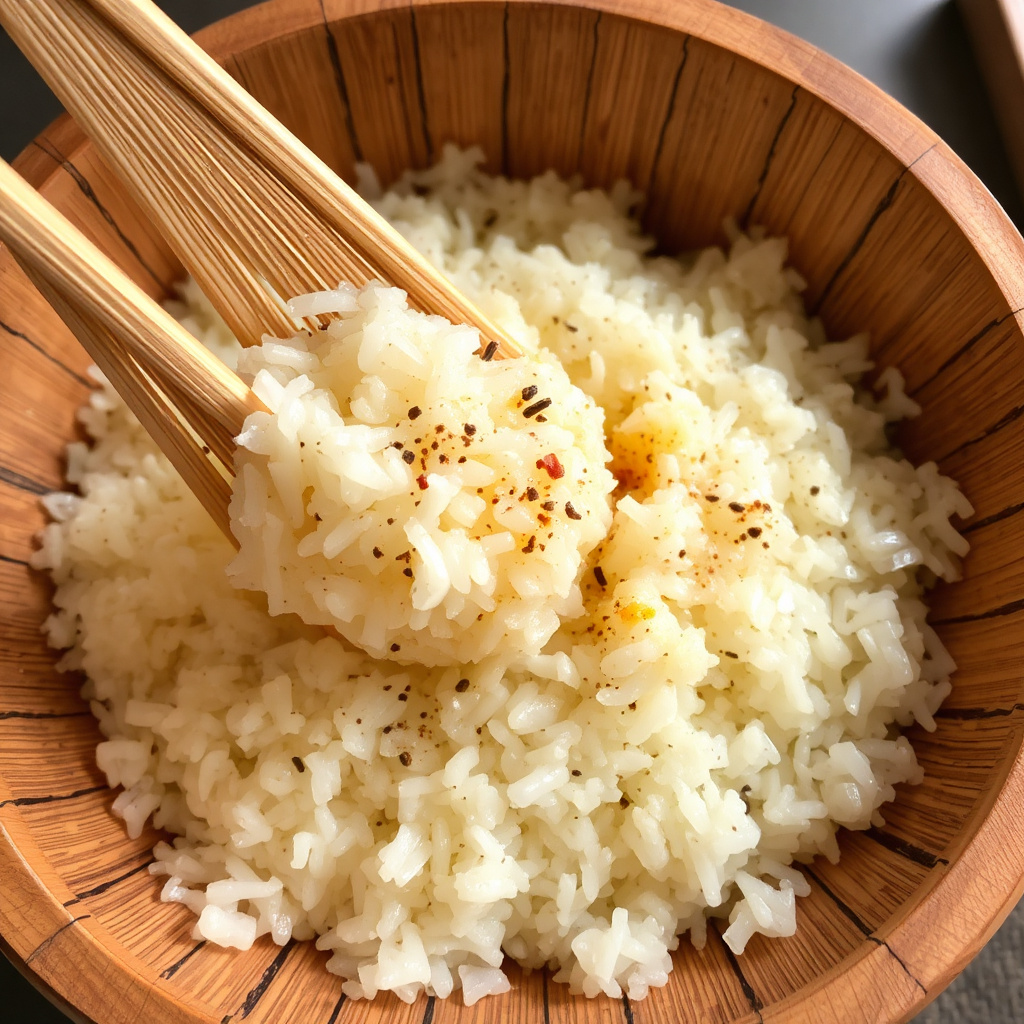
Cooking the Rice
Rinse sushi rice thoroughly under cold water until the water runs clear to remove excess starch. This prevents sticky, mushy rice after cooking.
Cook the rice with the right amount of water, generally one to one ratio, using a rice cooker or stovetop for the best texture.
- Rinse rice 3-4 times
- Use filtered water if possible
- Cook rice immediately after rinsing
Seasoning the Rice
Prepare sushi vinegar by mixing rice vinegar, sugar, and salt until dissolved. Pour this over the hot rice and gently fold to coat evenly without mashing the grains.
Cool the rice to room temperature by spreading it thinly and fanning it, which helps give the characteristic shiny look and slightly sticky texture essential for rolling sushi.
- Mix: 1/4 cup rice vinegar, 2 tbsp sugar, 1 tsp salt (per 2 cups uncooked rice)
- Fold vinegar gently into rice
- Fan rice while mixing to cool
Choosing Ingredients and Fillings

Common Sushi Fillings
Traditional sushi fillings include fresh fish like salmon, tuna, crab, and cooked ingredients such as shrimp tempura or eel. Vegetables such as cucumber, avocado, and pickled radish provide texture and flavor contrast.
Selecting fresh, high-quality ingredients makes all the difference in taste and safety when rolling sushi at home.
- Fresh fish (salmon, tuna)
- Crab sticks or imitation crab
- Vegetables (cucumber, avocado, carrot)
For more on this, see our related guide: How to Make Temaki Hand Roll: Step-by-Step Guide for Perfect Sushi Rolls.
Preparing Fillings Properly
Slice fillings into long, thin strips to make rolling easier and ensure each bite has a balanced filling-to-rice ratio.
Cook any seafood or vegetables that require it beforehand and pat dry to prevent soggy rolls.
- Cut into uniform, thin strips
- Pre-cook tempura or eel fillings
- Drain wet ingredients thoroughly
Step-by-Step Sushi Rolling Process

Spreading Rice on Nori
Place a sheet of nori shiny side down on the bamboo mat. Wet your hands lightly to prevent sticking, then take a handful of sushi rice and spread it thinly and evenly over the nori, leaving about an inch bare at the top edge.
Keep the rice layer uniform to help the roll hold its shape and avoid uneven texture.
Adding Fillings and Rolling
Place your chosen fillings in a horizontal line near the bottom edge of the rice-covered nori sheet. Using the bamboo mat, carefully lift the edge closest to you and roll it over the fillings, then continue rolling firmly but gently until sealed.
Apply slight pressure while rolling to create a tight, cohesive sushi roll without squeezing too hard and crushing the ingredients.
Cutting and Serving Sushi Rolls

Slicing Sushi Rolls
Dip your sharp knife in water between cuts to prevent rice sticking. Slice the roll into six to eight even pieces using a gentle sawing motion to keep the roll intact without squashing.
Clean and re-wet the knife between slices for the cleanest cuts, especially with sticky rice and soft fillings.
For more on this, see our related guide: How to Make Shrimp Tempura Roll: A Step-by-Step Guide for Sushi Lovers.
Plating and Serving
Arrange your sushi pieces on a serving plate with garnishes like wasabi, pickled ginger, and soy sauce on the side for dipping.
Serve immediately for the best texture and flavor, although short refrigeration can be done if necessary.
- Wasabi and pickled ginger
- Soy sauce for dipping
- Optional: sesame seeds, thinly sliced green onions
Advanced Techniques and Troubleshooting

Inside-Out (Uramaki) Rolls
For inside-out rolls, spread the sushi rice directly on the bamboo mat, then place a sheet of plastic wrap and flip the nori and rice upside down before adding fillings.
This technique exposes the rice on the outside and often includes toppings like sesame seeds or tobiko (fish roe). It requires practice to roll tightly without tearing.
For further reading on the history and varieties of sushi, visit Sushi on Wikipedia. Sushi on Wikipedia.
Fixing Common Rolling Problems
If your roll falls apart or is too loose, focus on applying consistent pressure with the bamboo mat and spreading rice evenly.
Sticky hands and a wet knife help avoid tearing and mess during rolling and slicing.
- Apply even pressure when rolling
- Use just enough rice to cover the nori
- Keep hands and knife moist to prevent sticking
Sushi Roll Types Comparison
Here's a comparison of popular sushi roll types with common ingredients and difficulty levels to help you decide which to try.
| Roll Type | Nori Position | Common Fillings | Difficulty Level | Meal Occasion |
|---|---|---|---|---|
| Maki Roll | Outside | Fish, cucumber, avocado | Easy | Lunch or casual meal |
| Uramaki (Inside-Out) | Inside | Crab, avocado, mayo | Intermediate | Party or special event |
| Temaki (Hand Roll) | Nori cone-shaped | Tuna, vegetables | Easy | Snack or light meal |
| Futomaki | Outside | Mixed vegetables, egg, fish | Intermediate | Celebrations or dinner |
| Nigiri | No roll, fish over rice | Raw fish slice | Advanced | Formal dining |
Frequently Asked Questions
Can I use sushi rice substitutes for rolling sushi?
Sushi rice has unique stickiness and texture essential for sushi rolls. While short-grain rice varieties can be used, long-grain or regular rice won't provide the proper cohesion needed for rolling.
How do I keep the nori from becoming soggy?
Avoid overwetting the nori sheet when spreading rice and assemble sushi just before eating. Keeping fillings dry and serving immediately helps preserve nori crispness.
Is it necessary to use raw fish for sushi rolls?
No. Many sushi rolls use cooked or vegetarian fillings like crab sticks, grilled eel, or avocado, making it accessible for all preferences.
What is the best way to store leftover sushi rolls?
Wrap leftover sushi rolls tightly in plastic wrap and refrigerate. Consume within 24 hours for best texture, as rice tends to harden and nori softens over time.
Can I make sushi rolls without a bamboo rolling mat?
Yes, but a bamboo rolling mat helps achieve an even, tight roll. A clean kitchen towel or plastic wrap can be used as a substitute with practice.
Key Takeaways
- Use a bamboo mat and sharp knife for best results
- Prepare and season sushi rice carefully for texture
- Slice fillings thinly and evenly for balanced rolls
- Apply consistent pressure when rolling for tight sushi
Conclusion
Knowing how to roll sushi begins with mastering the basics: preparing perfect sushi rice, having the right tools, and understanding the rolling technique. By focusing on rice texture and even spreading on the nori, you can create attractive, delicious sushi that holds together well. Rolling tight but gentle helps avoid breaks, while skillful cutting ensures clean slices. This process, practiced consistently, can elevate your homemade sushi experience.
For different occasions, choose simple maki rolls when starting out, as they are easier and satisfy most tastes. Once comfortable, try inside-out rolls like uramaki, which present a polished look and allow more creative toppings. For casual snacking, hand rolls or temaki offer a relaxed option without requiring precise rolling. Each style brings its own flair and challenges, giving you variety to explore.
As a next step, invest in good quality sushi rice and a bamboo rolling mat, try recipes with various fillings, and take your time in each stage. Skilled sushi rolling is accessible with practice, rewarding you with fresh-made rolls perfectly tailored to your preferences, whether enjoying a quiet dinner at home or impressing guests with your sushi-making skill.


