What Is Pickled Ginger? A Complete Guide to Its Uses and Benefits
Pickled ginger is thinly sliced young ginger root that has been marinated in a solution of vinegar and sugar, sometimes with added salt or beet juice for color. It's widely recognized for its distinctive pale pink hue and sharp, sweet, and slightly spicy flavor profile. This condiment is a staple in Japanese cuisine, commonly served alongside sushi to cleanse the palate between different pieces of fish.
The pickling process not only softens the ginger's fibrous texture but also tames its natural pungency, making it milder and more refreshing. This versatile ingredient is valued not just for its flavor, but for its digestive properties, often aiding in settling the stomach after meals rich in seafood or oily foods. Its unique taste and texture contribute to enhancing the overall dining experience by balancing flavors.
This article will explore how pickled ginger is made, why it’s paired with certain foods, its health benefits, different varieties available, culinary uses beyond sushi, and tips for storage and selection. Whether you’re curious about adding it to your kitchen or want to understand its cultural significance, this guide provides thorough insights into pickled ginger.
Understanding Pickled Ginger: Origin and Production

The Origins of Pickled Ginger in Japanese Cuisine
Pickled ginger, known as 'gari' in Japan, has its roots in traditional sushi dining, where it is served to cleanse the palate between bites. The practice started as a way to refresh the taste buds to fully appreciate the nuanced flavors of different fish. Over time, it became a customary side addition to sushi meals.
Originally, pickled ginger involved young ginger harvested before it matured fully, which naturally has a less fibrous and milder flavor. This allowed the sharpness to mellow when soaked in sweet vinegar, creating the signature taste associated with gari.
How Pickled Ginger Is Made
The process of making pickled ginger involves peeling the young ginger and slicing it thinly. The slices are then briefly boiled, and soaked in a vinegar solution mixed with sugar and salt. Some traditional recipes add beet juice or a natural coloring to produce the characteristic pink tint.
This method softens the ginger slices while preserving a crisp bite and a balance of sweetness and acidity that complements savory dishes. Commercial manufacturing further standardizes the pickling cycle and pasteurization to extend shelf life.
- Peel and thinly slice young ginger
- Boil slices briefly to soften
- Soak in vinegar, sugar, and salt solution
- Optional beet juice for coloring
- Package and pasteurize for longer shelf life
Culinary Uses and Pairings of Pickled Ginger
Traditional Use with Sushi
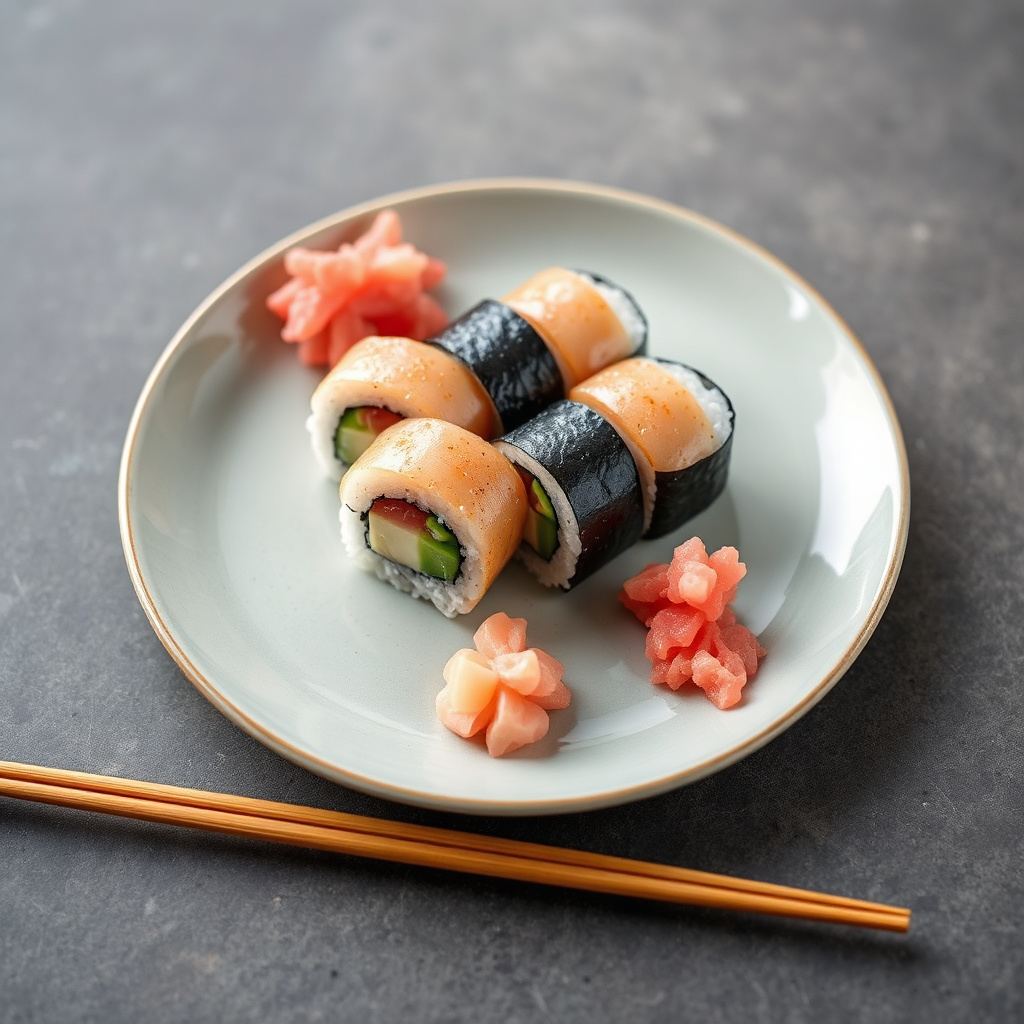
Pickled ginger is most famously used alongside sushi to enhance the dining experience. Its sharp acidity and mild sweetness help cleanse the palate of lingering flavors from previous bites. This allows sushi eaters to enjoy each piece of fish distinctly without overlapping tastes.
Because sushi flavors are subtle, the sharp zing of pickled ginger refreshes the mouth and can also aid digestion, preventing heaviness after seafood. It’s typically eaten between different types of nigiri or sashimi but is not meant to be eaten with the sushi itself.
Other Culinary Applications
Beyond traditional sushi, pickled ginger can be used creatively in various dishes. It adds brightness to salads, complements grilled seafood dishes, or can be chopped finely to dress rice bowls or tacos. Chefs sometimes incorporate it into sauces or marinades to inject a sharp acidity balanced with sweetness.
In Western cuisines, pickled ginger pairs with charcuterie boards or is used as a garnish for cocktails. Its versatile flavor profile can blend well with other pickled or fresh ingredients, providing an unexpected twist that livens up many plates and drinks.
Health Benefits and Nutritional Aspects of Pickled Ginger
Digestive Aid Properties
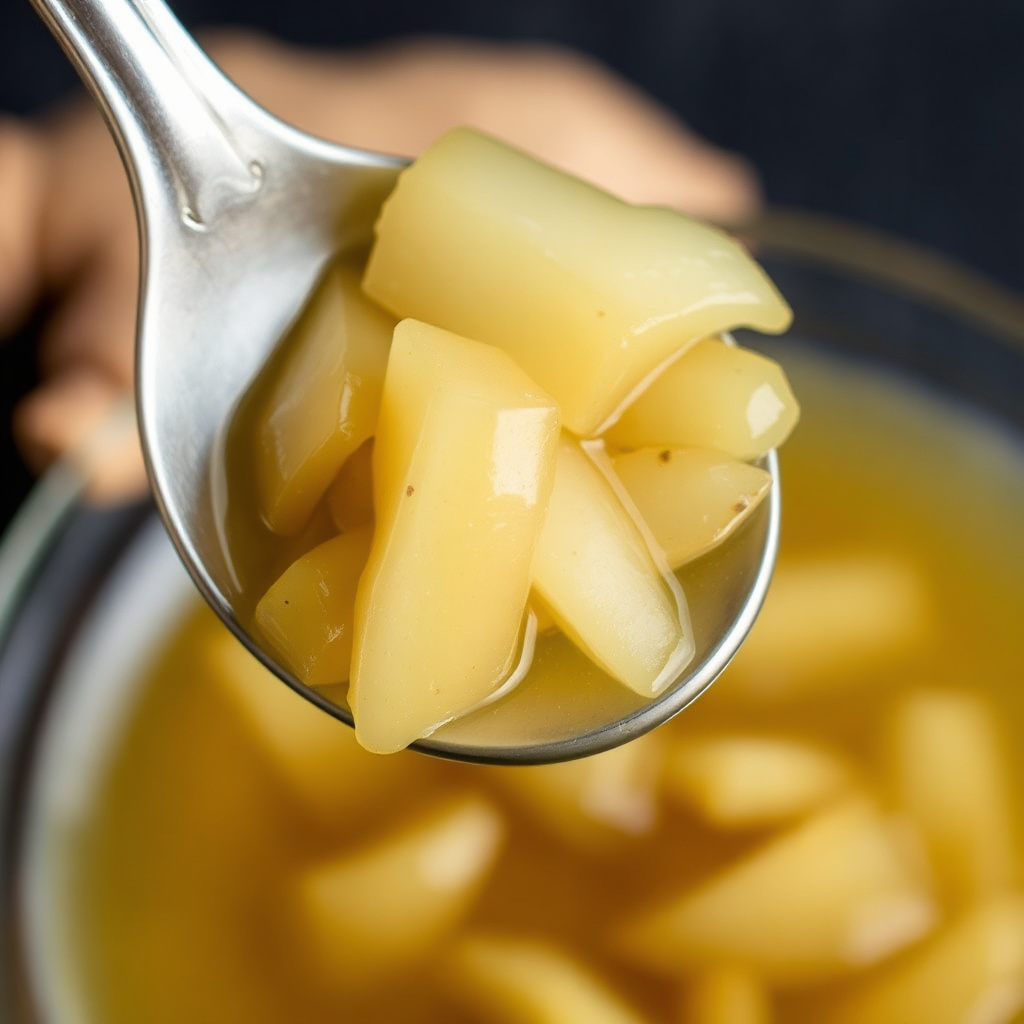
Pickled ginger retains many of the digestive benefits found in fresh ginger. It can help reduce nausea, stimulate digestion, and soothe the stomach lining. Its mild anti-inflammatory properties may aid in relieving gastrointestinal discomfort after meals.
Eating pickled ginger with rich or oily food can help break down fats more efficiently, reducing bloating or indigestion. These qualities make it a favored condiment not just for flavor, but also for promoting digestive wellness.
For more on this, see our related guide: What Is Teriyaki? Understanding the Flavor and Uses of Teriyaki Sauce.
Nutritional Content and Considerations
While pickled ginger contains small amounts of vitamins and minerals such as vitamin C, magnesium, and potassium, its nutritional profile is modest due to the small consumption quantities. The vinegar and sugar used in pickling add acidity and sweetness but also calories and sodium.
People monitoring their sodium or sugar intake should consume pickled ginger in moderation. However, its low calorie content allows it to be included in a variety of diets without significant impact.
- Low in calories
- Contains small amounts of vitamins and minerals
- Moderate sodium due to pickling brine
- May contain added sugar
Different Types and Varieties of Pickled Ginger
Common Commercial Varieties
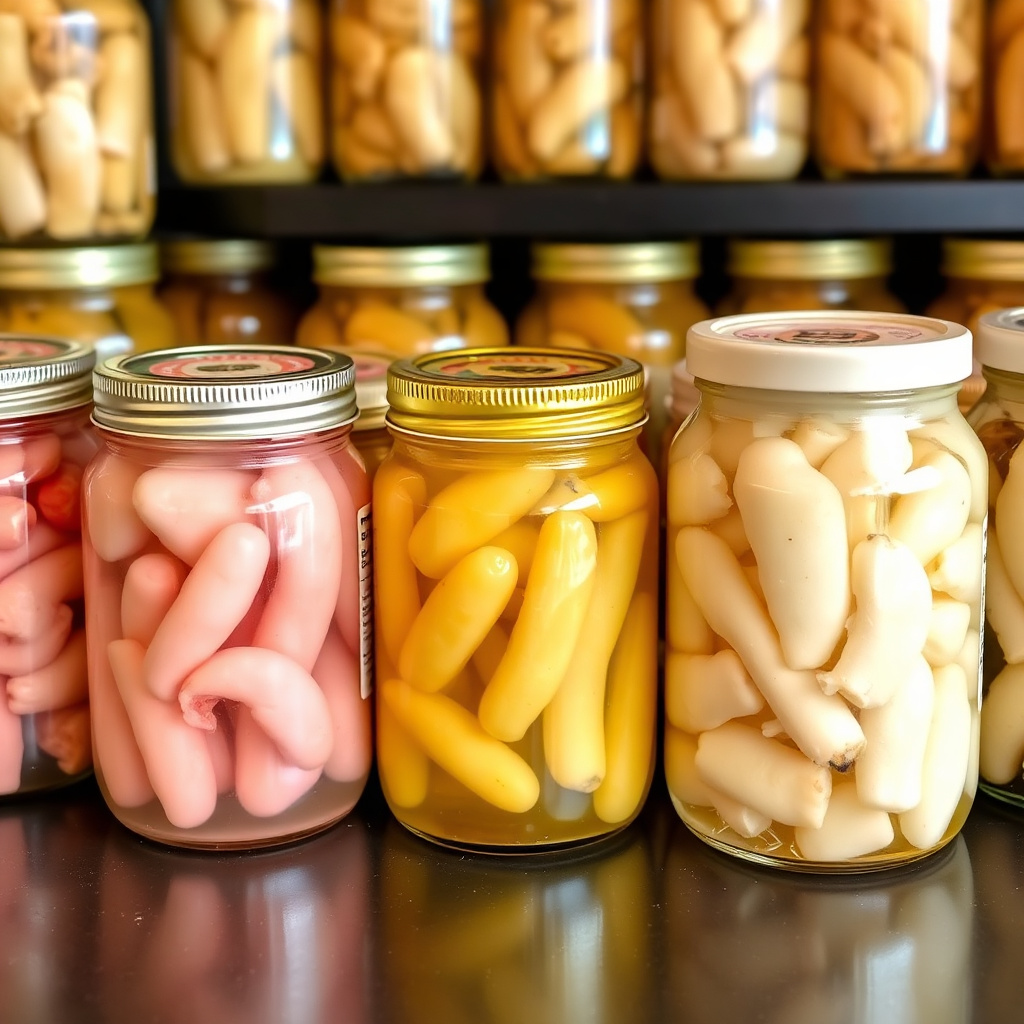
The most widely recognized variety of pickled ginger is pink-gari, which is young ginger pickled with sweet vinegar and often colored slightly pink either naturally or with beet juice. It is the standard in most sushi restaurants internationally.
There are also white pickled ginger varieties that are uncolored, offering a more subtle appearance but similar flavor profile. Some brands may add flavor nuances such as additional spices or use different types of vinegar to alter taste.
Regional and Specialty Variants
Beyond Japan, variations of pickled ginger appear in other Asian cuisines, such as Chinese and Korean, where the flavorings might include chili, soy, or other local seasonings. These versions may differ in texture and sharpness.
Specialty artisan producers sometimes slow-cure ginger in aged vinegar solutions or with organic ingredients for a premium quality product. These offer unique taste experiences and can showcase ginger’s complexity beyond mass-produced options.
Selecting, Storing, and Using Pickled Ginger at Home

Choosing Quality Pickled Ginger
When selecting pickled ginger, look for products with a natural pink color or a pale translucent hue, indicating young ginger. Avoid brands with overly artificial coloring or excess syrup, which can indicate lower quality ingredients. Checking the ingredient list for minimal additives is advisable.
Freshness matters since pickled ginger loses its crispness over time. Opt for unopened jars from reputable brands, or buy from specialty stores that turnover inventory regularly to ensure product quality.
- Look for natural colors (pink or pale)
- Check ingredient list for minimal additives
- Avoid overly sweet or artificial-tasting products
- Buy from trusted suppliers
For more on this, see our related guide: What Is Unagi? Understanding This Unique Ingredient.
Proper Storage and Serving Tips
Once opened, keep pickled ginger refrigerated in an airtight container to maintain its texture and flavor. It generally stays good for several weeks. Avoid cross-contamination with utensils and keep the brine covering the slices to prevent drying out.
Serve pickled ginger chilled or at room temperature as appropriate. It pairs well as a side condiment, but also experiment with using it in salad dressings or mixed into dips for added zing.
How Pickled Ginger Enhances Culinary Experiences

Palate Cleansing and Taste Balancing
The sharp acidity and mild sweetness of pickled ginger effectively cleanse the palate of lingering flavors. This resets the taste buds, allowing diners to fully appreciate each new food or sushi bite with clarity. It acts like a flavor reset button.
This balancing effect complements rich or oily flavors, preventing taste fatigue and maintaining interest throughout a multi-course meal.
For more detailed historical and cultural information, visit the Pickled ginger page on Wikipedia. Pickled ginger on Wikipedia.
Adding Texture and Color Contrast
Pickled ginger provides a crisp but tender texture contrast in dishes where softness or chewiness dominates, such as with raw fish or sticky rice. Its subtle pink color also brightens presentation, making dishes visually appealing alongside more muted tones.
This creates dining that engages multiple senses, enhancing overall satisfaction.
Comparison of Pickled Ginger Types and Uses
Here is a comparison of various pickled ginger categories, focusing on flavor, appearance, common uses, and storage considerations.
| Type | Flavor Profile | Typical Use | Color | Shelf Life |
|---|---|---|---|---|
| Pink Gari | Sweet, mild, slightly spicy | Sushi, palate cleanser | Pale pink | Several months refrigerated |
| White Pickled Ginger | Milder vinegar taste, less sweet | Sushi, subtle garnish | White to translucent | Several months refrigerated |
| Korean Style Pickled Ginger | Spicy, tangy, sometimes salty | Side dishes, kimchi accompaniments | Varies, often reddish | Weeks refrigerated |
| Chinese Pickled Ginger | Sour, slightly sweet with soy flavor | Condiment for rice/meat dishes | Light brownish | Weeks refrigerated |
| Artisan Aged Ginger | Complex, sharp, balanced acidity | Gourmet applications | Natural pink or red | Longer shelf life if sealed |
Frequently Asked Questions
Is pickled ginger the same as fresh ginger?
No, pickled ginger is young ginger that has been thinly sliced and marinated in vinegar and sugar, which softens its flavor and texture, making it milder and sweeter than fresh ginger.
Can pickled ginger help with digestion?
Yes, pickled ginger shares digestive benefits similar to fresh ginger, such as soothing the stomach and aiding digestion, making it helpful especially after rich or oily meals.
Why is pickled ginger often pink?
Pickled ginger is naturally pale pink when young ginger ages or is marinated, and some producers add beet juice to enhance the color for aesthetic appeal.
Can I make pickled ginger at home?
Absolutely, homemade pickled ginger involves slicing young ginger thinly and soaking it in a sweet vinegar solution. It’s easy to customize for flavor and freshness.
How should pickled ginger be stored after opening?
Once opened, store pickled ginger in an airtight container in the refrigerator, keeping the slices submerged in the pickling juice to maintain texture and flavor.
Key Takeaways
- Pickled ginger is young ginger marinated in vinegar and sugar, commonly served with sushi.
- Its mild sweetness and acidity cleanse the palate and aid digestion.
- Different varieties exist, with pink gari being the most popular internationally.
- Proper storage in the fridge preserves its freshness and flavor after opening.
Conclusion
Deciding what pickled ginger is and how it fits into your kitchen involves understanding its origin, preparation, and culinary role. This condiment transforms sharp fresh ginger into a milder, palate-refreshing addition that has become essential in sushi culture worldwide. Recognizing its flavor and digestive benefits helps when choosing suitable varieties and pairings to enhance meals.
For those seeking the classic experience, pink gari is the preferred choice, delivering the familiar balance of sweet, sour, and slightly spicy notes alongside sushi. If you appreciate subtlety, white pickled ginger offers a gentler flavor. For adventurous palates, regional styles like Korean or artisan aged pickled ginger provide exciting twisted flavors. Each version has distinct storage needs and uses, fitting different culinary contexts.
Try incorporating pickled ginger by purchasing good quality jars from trusted providers or experimenting with making it at home using young ginger and vinegar solutions. Whether used as a palate cleanser or a creative ingredient, pickled ginger offers both taste and health benefits, making it a valuable addition to any food lover’s pantry.