Is Edamame Healthy? A Nutritional Guide to This Popular Snack
Edamame is indeed healthy, packed with protein, fiber, vitamins, and minerals that support overall wellness. Eating edamame regularly can contribute to improved heart health, better digestion, and balanced blood sugar levels.
These immature soybeans are a popular snack in many cultures due to their satisfying texture and nutritional profile. Unlike other processed snacks, edamame offers plant-based protein and antioxidants, which can help reduce inflammation and promote bodily functions.
This article will explore what makes edamame nutritious, compare it to similar snacks, discuss its potential health benefits and risks, and offer practical tips on how to include it in your diet for maximum benefit.
Nutritional Composition of Edamame
Macronutrient Profile
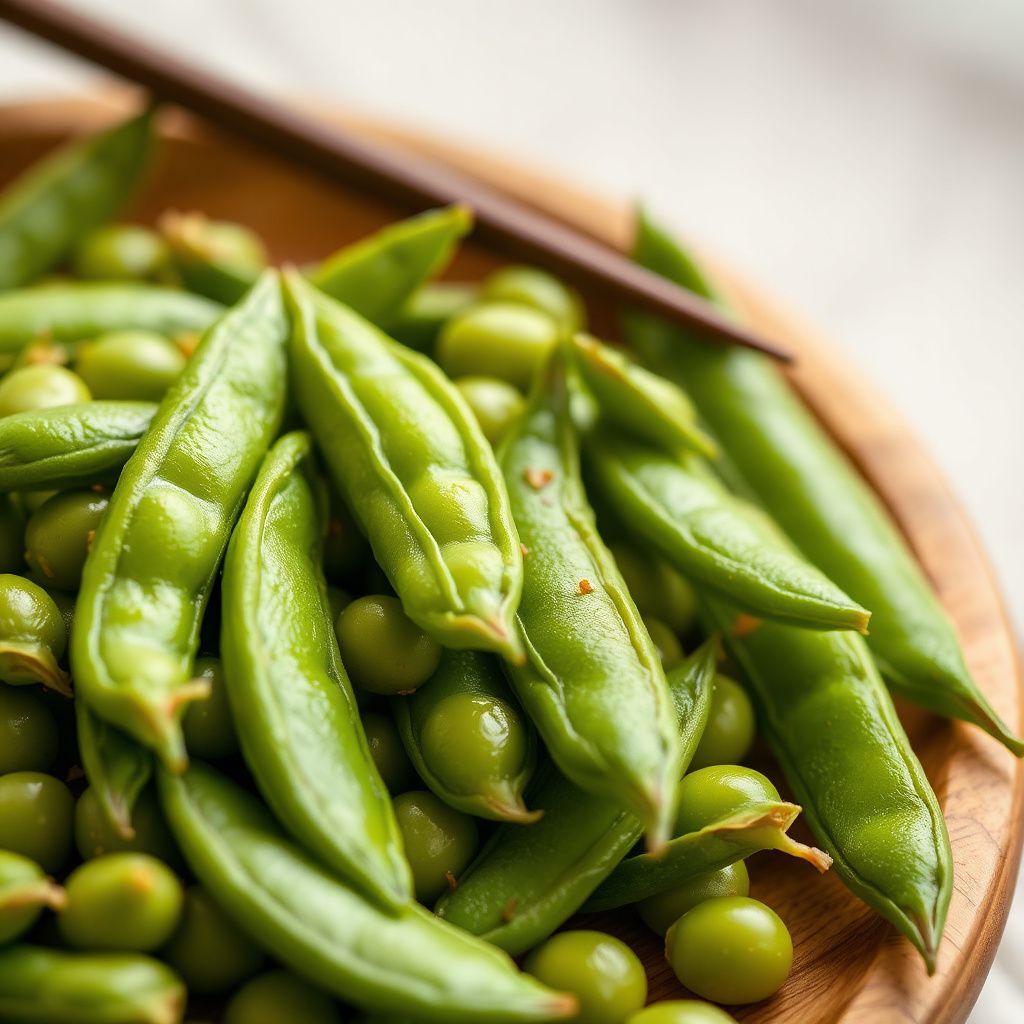
Edamame provides a rich source of plant-based protein, with about 18 grams per cup, making it a great option for vegetarians and vegans. It also contains dietary fiber which supports digestive health and helps maintain feelings of fullness.
Beyond protein and fiber, edamame contains healthy fats, primarily polyunsaturated fats including omega-3 fatty acids, which are beneficial for heart and brain health.
- Approximately 18g protein per cup
- 8g dietary fiber per cup
- Rich in polyunsaturated fats
Vitamins and Minerals
Edamame is rich in vitamins such as vitamin K, which supports blood clotting and bone health, and folate, which is essential for cell function and tissue growth. It also supplies minerals like iron, magnesium, and potassium.
These micronutrients are crucial for energy production, muscle function, and maintaining a healthy nervous system, adding to the overall health benefits of edamame.
- High in vitamin K and folate
- Good source of iron, magnesium, potassium
Health Benefits of Edamame

Heart Health Support
The isoflavones and unsaturated fats in edamame contribute to lowering LDL cholesterol and improving blood vessel function. Regular consumption is linked to reduced risk of cardiovascular disease.
Moreover, potassium helps regulate blood pressure, while fiber aids in maintaining healthy cholesterol levels, together supporting heart health.
For more on this, see our related guide: How to Eat Healthy at a Sushi Restaurant Without Sacrificing Flavor.
Bone and Hormonal Health
Soy isoflavones in edamame mimic estrogen, which can benefit bone density, particularly in postmenopausal women. This hormone-like effect supports bone strength and may reduce osteoporosis risk.
In addition, vitamin K plays an essential role in bone metabolism and blood clotting, enhancing edamame's profile as a bone-friendly food.
Potential Drawbacks and Considerations

Soy Allergies and Sensitivities
Some individuals may be allergic or sensitive to soy proteins, experiencing reactions ranging from mild digestive upset to severe allergic responses. It is important to identify any intolerance before increasing edamame intake.
Those with thyroid conditions should consult healthcare providers, as soy can interfere with thyroid hormone absorption when consumed excessively.
Processing and Preparation
Edamame sold fresh or frozen is generally healthy, but options with added salt or seasoning may increase sodium intake. Boiling or steaming are healthier preparation methods compared to frying or adding heavy sauces.
Choosing organic or non-GMO edamame can also reduce exposure to pesticides or genetically modified organisms for those concerned.
Comparing Edamame to Other Snacks

Edamame versus Roasted Chickpeas
Both are plant-based, protein-rich snacks with fiber benefits. Edamame typically has a smoother texture and lower calorie count per serving, while roasted chickpeas offer more crunch and variety in flavor options.
Edamame's soy isoflavones provide unique hormonal benefits absent in chickpeas, making it a distinct health choice.
For more on this, see our related guide: How to Eat Edamame: A Simple Guide for Beginners.
Edamame versus Salted Nuts
Nuts often contain higher amounts of fats, including healthy monounsaturated fats, but also more calories. Edamame is lower in calories and saturated fats but provides soy protein, which nuts lack.
Edamame’s lower fat content paired with high fiber and protein content make it an excellent choice for those seeking a lighter, nutrient-dense snack.
How to Incorporate Edamame into Your Diet

Quick Snack Ideas
Steamed edamame pods sprinkled with sea salt make a simple, protein-packed snack when served warm or cold. Shelled edamame can be added to salads, bowls, or dips for texture and nutrition.
Prepared edamame can replace less healthy snack options, offering satiety without excessive calories.
- Steamed with sea salt
- Added to salads or grain bowls
- Blended into hummus or dips
For detailed nutritional information on edamame, you may want to check the Edamame nutrition facts provided by the World's Healthiest Foods. Edamame nutrition facts.
Meal Integrations
Incorporate edamame into stir-fries, soups, or pasta dishes for extra protein and crunch. Its mild flavor pairs well with soy sauce, garlic, ginger, and sesame oil.
Try it mashed as a spread on toast or mixed into veggie patties to boost nutrient content effortlessly.
- Stir-fries and soups
- Mixed into pasta dishes
- Mashed as a spread or patty base
Edamame Snack Options Comparison
This table compares popular plant-based snacks including edamame, focusing on nutritional value and health impact.
| Snack | Protein (per 1 cup) | Calories (per 1 cup) | Fiber (per 1 cup) | Unique Benefit |
|---|---|---|---|---|
| Edamame | 18g | 190 | 8g | Rich in soy isoflavones |
| Roasted Chickpeas | 15g | 210 | 12g | High fiber and variety of flavors |
| Salted Almonds | 20g | 530 | 12g | High monounsaturated fats |
| Pumpkin Seeds | 12g | 150 | 2g | Rich in magnesium and zinc |
Frequently Asked Questions
Is edamame a good source of protein?
Yes, edamame offers high-quality plant protein, providing about 18 grams per cup, making it a great alternative to animal proteins.
Can eating edamame help with weight loss?
Due to its high protein and fiber content, edamame can increase feelings of fullness and help control appetite, supporting weight management.
Are there any risks associated with eating edamame?
People with soy allergies or thyroid issues should moderate intake, as edamame contains compounds that may affect these conditions.
Is frozen edamame as healthy as fresh?
Yes, frozen edamame retains most nutrients if cooked properly and usually offers convenience without compromising health benefits.
How should edamame be cooked for best nutrition?
Steaming or boiling edamame without heavy additives preserves its nutrients and provides a healthy, low-calorie snack option.
Key Takeaways
- Edamame is a nutrient-dense source of plant protein and fiber.
- It supports heart and bone health thanks to isoflavones and vitamins.
- People with soy allergies or thyroid issues should exercise caution.
- Simple steaming keeps edamame a healthy and delicious snack.
Conclusion
Deciding if edamame is healthy comes down to understanding its rich nutrient profile alongside any personal health considerations such as allergies or thyroid sensitivity. It offers substantial protein and fiber benefits while supplying important vitamins and minerals that support cardiovascular and bone health. Keeping preparation simple helps retain these healthful qualities, making edamame a wholesome addition to the diet.
For individuals seeking heart health support or bone density benefits, regularly including edamame can be an effective dietary choice. Compared to other plant-based snacks, edamame's unique soy isoflavones provide distinct advantages. Options like steamed pods or shelled beans in salads and meals add flavor and nutrients without excess calories or fats. However, those with soy allergies or hormonal sensitivities might choose alternatives like roasted chickpeas or nuts for protein.
If you want to try edamame, start with frozen shelled or in-pod varieties steamed with minimal seasoning. Incorporate it as a snack or part of meals to appreciate its texture and flavor while benefiting from its nutritional components. Exploring different recipes and serving methods can help you enjoy this healthy legume regularly and nutritionally.