Is Mapo Tofu Vegetarian? Exploring Ingredients and Variations
Mapo tofu is traditionally not vegetarian, as it features ground pork or beef blended into a spicy, savory sauce along with tofu. The dish originates from Sichuan cuisine, known for its bold flavors and characteristic use of both chili and Sichuan peppercorns, often incorporating meat for depth. However, vegetarian versions that substitute meat with mushrooms or textured vegetable protein are increasingly popular, especially in international or modern adaptations.
The meat content in classic mapo tofu is a key element that contributes to the dish’s rich umami flavor and texture. For vegetarians, this means the traditional recipe doesn’t fit a meat-free diet without modification. Many restaurants and home cooks now offer meatless options by using plant-based ingredients to replicate the heartiness, ensuring the dish remains flavorful and satisfying without animal products. Understanding these variations helps you make an informed choice whether dining out or cooking at home.
This article breaks down the traditional ingredients in mapo tofu, identifies which ingredients conflict with vegetarian diets, explores common vegetarian substitutions, and includes tips on preparing or ordering vegetarian mapo tofu that doesn’t sacrifice taste. By the end, you’ll know how to enjoy this spicy staple whether you follow a strict vegetarian lifestyle or just want to try a meat-free alternative.
Traditional Ingredients of Mapo Tofu and Their Vegetarian Suitability
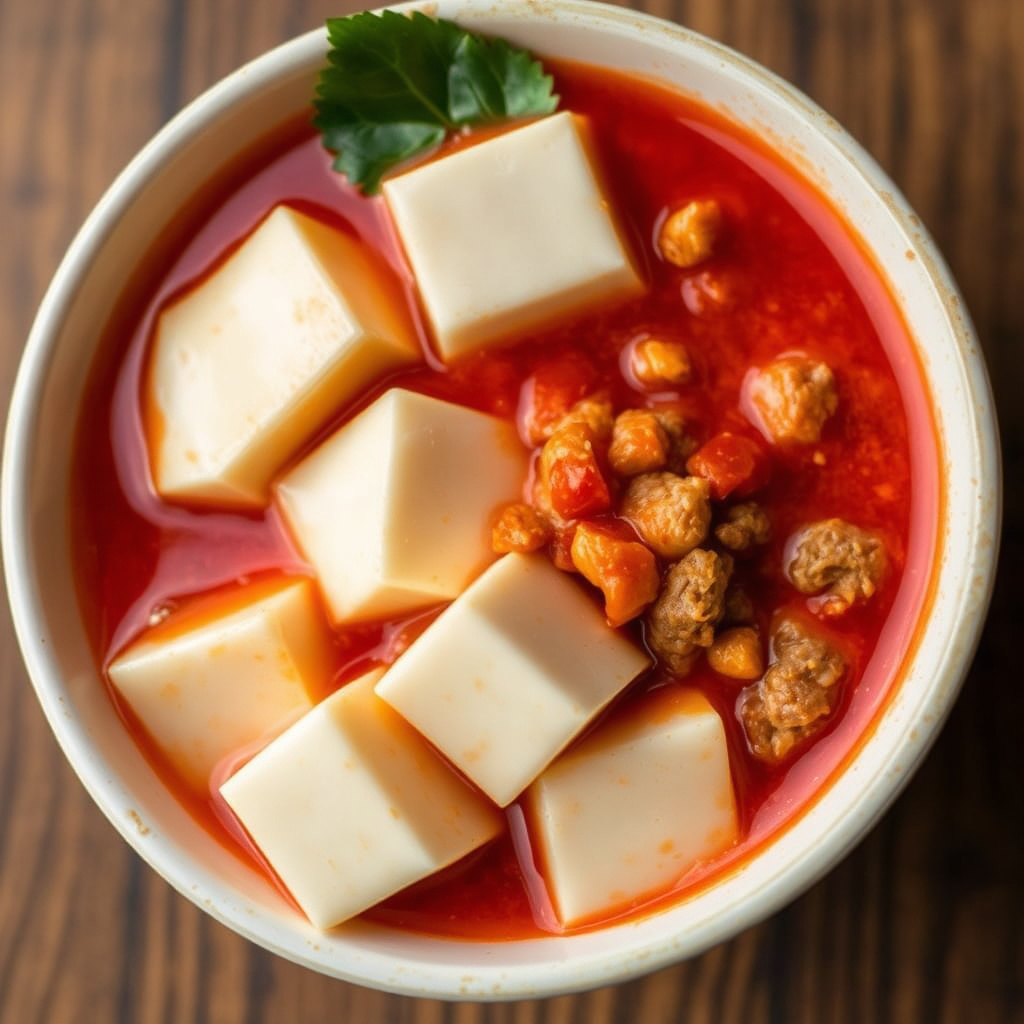
Core Components of Classic Mapo Tofu
The primary ingredients in traditional mapo tofu include soft tofu, ground pork or beef, fermented broad bean paste (doubanjiang), chili oil, garlic, ginger, green onions, and Sichuan peppercorns. The ground meat provides both texture and a savory backbone, while doubanjiang adds a complex umami and spicy flavor. These combined make the dish robust and distinctly fiery.
Soybean products like tofu are vegetarian, but the incorporation of minced meat disqualifies classic mapo tofu from vegetarian menus. Adding small amounts of meat broth or animal-based seasonings common in some recipes also affects whether the dish is suitable for vegetarians.
Common Non-Vegetarian Elements to Watch
In addition to ground meat, some recipes use chicken broth or pork fat as a flavor base, which are not vegetarian. Fermented sauces usually are vegetarian, but always double-check as store-bought versions can sometimes contain fish products. Sichuan peppercorns and chili-based ingredients are naturally plant-derived and safe for vegetarians.
When ordering out, ask specifically about meat or animal broth usage to avoid hidden non-vegetarian ingredients. Restaurants offering vegetarian mapo tofu typically highlight the omission of meat and use vegetable broth or plant-based oils.
- Ground pork or beef
- Animal-based broths
- Pork fat or lard
- Possible fish-containing condiments
Vegetarian Mapo Tofu: Ingredients and Preparation Methods

Popular Meat Substitutes in Vegetarian Mapo Tofu
Mushrooms, especially shiitake or king oyster, are commonly used to replace the meat texture in vegetarian mapo tofu. They add a rich, umami flavor and satisfy the mouthfeel that the minced meat traditionally provides. Textured vegetable protein or crumbled tofu can also serve as meat substitutes.
These ingredients absorb the spicy sauce and complement the soft tofu’s texture. Using plant-based alternatives allows the dish to retain its signature boldness and warming heat without animal additives.
- Shiitake mushrooms
- King oyster mushrooms
- Textured vegetable protein (TVP)
- Crumbled firm tofu
Adjusting the Sauce for Vegetarian Versions
Vegetarian mapo tofu recipes typically swap meat broth with vegetable broth or water, and use plant oils like sesame or peanut oil instead of animal fats. The spicy fermented bean paste remains the flavor centerpiece. Some cooks add soy sauce or mushroom soy sauce to deepen the savory notes without using meat products.
Maintaining the sauce’s complex, fiery profile is key to an authentic experience. Balancing the chili and numbing Sichuan peppercorn heat ensures the vegetarian version is just as satisfying as the original.
Cultural and Regional Variations Affecting Vegetarian Options

Sichuan Origins and Traditional Cooking Styles
Originating in Sichuan province, the original mapo tofu is steeped in local culinary traditions emphasizing spicy, numbing flavors. The use of pork is pervasive, as it complements local taste preferences and ingredients readily available in the region. This means traditional versions rarely omit meat.
The name “mapo” refers to the pockmarked face of the dish’s creator, a woman famous for her spicy and salty tofu dish with minced pork. This historical context shapes the authentic recipe, which is mostly non-vegetarian.
For more on this, see our related guide: How to Make Mapo Tofu: Authentic Recipe and Step-by-Step Guide.
Adaptations for Global Vegetarian Diets
Outside China, especially in the West, many adapt mapo tofu to vegetarian or vegan diets by removing meat and broth from animal sources. These versions have flourished due to growing demand for plant-based recipes and the dish’s popularity.
Restaurants in vegetarian-friendly cities often modify regional dishes to exclude animal ingredients while keeping traditional flavors by substituting broth, meat, and fats with plant-based options.
Nutritional Comparison Between Traditional and Vegetarian Mapo Tofu

Calories and Protein Content
Traditional mapo tofu tends to have higher protein content due to the inclusion of ground meat, providing essential amino acids. However, the calorie count may also be higher depending on fat content from meat and animal oils.
Vegetarian substitutions like mushrooms and textured vegetable protein offer moderate protein but usually lower fat, which can reduce calories. Tofu remains the primary protein source in both versions.
- Traditional: higher protein, higher fat
- Vegetarian: moderate protein, lower fat
Sodium and Other Micronutrients
Both versions rely heavily on fermented bean pastes and soy sauces, which contribute to significant sodium levels. This is an important consideration for individuals managing sodium intake for health reasons.
Vegetarian versions may have a slight nutritional edge if made with fresh vegetable broth and less oil, but careful selection of condiments is necessary to maintain balanced sodium.
Ordering Vegetarian Mapo Tofu at Restaurants and Cooking Tips

What to Ask When Ordering Out
Requesting vegetarian mapo tofu means specifying no meat, animal broth, or lard. Clarify that you want the sauce based only on vegetable broth and plant oils. Some restaurants have a vegetarian or vegan version on the menu; others can customize on request.
Asking about the ingredients in the chili paste or fermented sauces can help avoid hidden animal-based products and ensure the dish meets vegetarian standards.
- Confirm absence of meat and animal broth
- Verify sauces are vegetarian-friendly
- Request use of vegetable oils
For more on this, see our related guide: What Is Mapo Tofu Sauce Made Of? Ingredients & Flavor Profile Explained.
Making Vegetarian Mapo Tofu at Home
Homemade vegetarian mapo tofu allows control over each ingredient. Use soft tofu, substitute meat with mushrooms or TVP, and prepare sauce from doubanjiang, Sichuan peppercorns, garlic, ginger, and vegetable broth. Adjust spice levels to preference for authentic heat.
Finish with a splash of sesame oil and garnish with green onions for aroma and color. This approach replicates the original’s flavor complexity while keeping it meat-free and fresh.
Health and Dietary Considerations for Vegetarians

Benefits of Choosing Vegetarian Mapo Tofu
Opting for vegetarian mapo tofu reduces intake of saturated fats and cholesterol found in pork or beef. The plant-based version is also suitable for those avoiding red meat or seeking lower-calorie meals without sacrificing robust flavors.
The tofu provides plant protein and calcium, while mushrooms add fiber and antioxidants, contributing to a nutritious, balanced meal.
For detailed history and variations of mapo tofu, the Mapo tofu article on Wikipedia offers comprehensive information. Mapo tofu article on Wikipedia.
Potential Allergens and Dietary Restrictions
Vegetarians should still check for soy allergies due to tofu and soy-based sauces. Fermented bean pastes may contain gluten, and some chili sauces include non-vegetarian flavorings or seafood extracts. Reading labels or inquiring about ingredients is advised to avoid allergens or animal products.
Adapting the sauce to gluten-free or vegan preferences requires choosing specific condiments accordingly.
Mapo Tofu Variations Category Comparison
Here is a comparison of different types of mapo tofu focusing on meat presence, protein sources, and suitability for vegetarians.
| Type | Contains Meat | Protein Source | Spice Level | Vegetarian Friendly |
|---|---|---|---|---|
| Traditional Sichuan | Yes (pork/beef) | Ground meat and tofu | High | No |
| Vegetarian Mushroom | No | Mushrooms and tofu | High | Yes |
| TVP Substitute | No | Textured vegetable protein and tofu | Medium-High | Yes |
| Vegan Adaptation | No | Tofu and mushrooms | Medium | Yes |
| Western Fusion | Optional meat | Varies, often vegetarian options | Variable | Depends |
Frequently Asked Questions
Can traditional mapo tofu be made vegetarian?
Yes, by replacing ground meat with mushrooms or textured vegetable protein and using vegetable broth instead of animal-based broths, traditional mapo tofu can be adapted to a vegetarian version.
Is the chili paste used in mapo tofu vegetarian?
Most fermented chili bean pastes are vegetarian, but some brands may include fish or animal products, so it is important to check the label or ask before using.
Does vegetarian mapo tofu taste different from the traditional version?
Vegetarian mapo tofu can have a slightly different texture and flavor but, with careful seasoning and quality substitutes like mushrooms, it retains the spicy, numbing character of the original.
Is tofu the main protein in vegetarian mapo tofu?
Yes, tofu is the primary protein source in vegetarian mapo tofu, often supplemented with mushrooms or TVP to add texture and flavor.
Can mapo tofu be made vegan as well as vegetarian?
Absolutely. Using plant-based broths, avoiding animal-derived condiments, and omitting meat still fits vegan criteria while maintaining the dish’s spicy essence.
Key Takeaways
- Traditional mapo tofu contains ground meat and is not vegetarian.
- Vegetarian versions use mushrooms or textured vegetable protein as meat substitutes.
- Fermented chili bean paste and spices are generally vegetarian but verify ingredients.
- You can enjoy similar flavors with vegetarian or vegan mapo tofu by adjusting broths and sauces.
Conclusion
Determining whether mapo tofu is vegetarian centers mainly on the presence of ground meat and animal-based broths, which are essential in classic recipes. For those avoiding animal products, examining ingredient lists or asking about preparation methods can clarify whether the dish fits dietary requirements. Knowing the distinction between traditional and meat-free versions helps navigate menus and recipes effectively while keeping your diet consistent.
Vegetarian mapo tofu offers a hearty, flavorful alternative with ingredients like mushrooms or textured vegetable protein substituting the meat, combined with vegetable broth and the signature spicy sauce. These versions preserve the distinct Szechuan numbness and heat without relying on animal products, making them ideal for vegetarians, vegans, or anyone seeking to reduce meat consumption without giving up bold flavors.
For someone curious about trying vegetarian mapo tofu, starting with an established vegetarian recipe or ordering from a restaurant that explicitly offers a meat-free version is advisable. Experimenting at home with simple meat substitutes and authentic sauces allows control over spice and ingredients. With these options, mapo tofu can be enjoyed inclusively, satisfying both the palate and dietary needs.