Is Tempura Healthy? Exploring the Nutritional Facts and Health Impact
Tempura, a popular Japanese dish featuring battered and deep-fried seafood or vegetables, is often questioned for its healthiness. The short answer is that tempura can be enjoyed as part of a balanced diet but is not inherently healthy due to its frying method, which increases calorie and fat content. However, its impact depends on ingredients, portion size, and frying technique.
Understanding whether tempura is healthy matters because it combines nutrient-rich ingredients like vegetables and seafood with a deep-fried coating that adds oils and calories. Its nutritional value can vary widely: while vegetables retain some vitamins and minerals, the batter and oil introduce fats that may affect heart health. Therefore, knowing how tempura fits into your diet helps you make better eating decisions.
This article will examine the nutritional value of tempura, compare it with other Japanese dishes, discuss health pros and cons, and offer tips on how to enjoy tempura mindfully. You'll learn how different ingredients and cooking methods affect its health profile and practical advice to balance taste and nutrition.
Understanding the Nutritional Components of Tempura

Ingredients and Their Nutrient Contributions
Tempura primarily uses seafood like shrimp, white fish, or vegetables such as sweet potato, bell peppers, and green beans. These ingredients offer vitamins, minerals, and protein essential to a balanced diet. For example, shrimp provides lean protein and omega-3 fatty acids, while vegetables contribute dietary fiber, antioxidants, and various micronutrients.
The batter is made from wheat flour, egg, and cold water, which add carbohydrates and some protein. However, the batter mostly serves to protect the ingredients during frying and provides a crispy texture rather than significant nutritional value.
Impact of Deep Frying on Nutritional Value
Deep frying tempura significantly increases its calorie and fat content due to oil absorption. While tempura is fried quickly in hot oil, some oil still permeates the batter, adding saturated and unsaturated fats. The type of oil used affects the healthiness; oils high in unsaturated fats, like canola or sunflower oil, are better choices than those rich in saturated fats.
Frying also slightly reduces the water-soluble vitamins in vegetables, such as vitamin C and some B vitamins. However, fat-soluble vitamins like A and E are less affected. Despite these changes, the quick frying method helps retain texture and some nutritional value compared to longer frying times.
- Increases calorie content
- Adds fat from oil absorption
- May reduce some water-soluble vitamins
- Retains fat-soluble vitamins
Health Benefits Associated with Eating Tempura

Provision of Essential Nutrients
Despite being fried, tempura supplies essential nutrients from its main ingredients. Seafood tempura is an excellent source of high-quality protein and important minerals like selenium and iodine. Vegetable tempura offers fiber, vitamins A and C, and antioxidants which support immune function and overall health.
The variety of vegetables used means tempura can introduce different micronutrients depending on the recipe. By including diverse ingredients, tempura can contribute to a well-rounded nutrient intake when consumed in moderation.
- High-quality protein from seafood
- Vitamins A, C, and antioxidants from vegetables
- Minerals like selenium and iodine
Potential Role in a Balanced Diet
Tempura, when eaten occasionally and in appropriate portions, can fit within a balanced diet without adverse effects. Its combination of vegetables and seafood means it offers more nutrients than many fried foods, especially if paired with minimally processed side dishes like rice or salad.
Choosing tempura prepared with healthier oils and avoiding overeating helps manage its fat and calorie intake. Incorporating it alongside fresh vegetables and lean proteins aids nutritional balance and satisfies cravings for fried textures in a healthier way.
Drawbacks and Health Concerns of Consuming Tempura
High Fat and Calorie Content
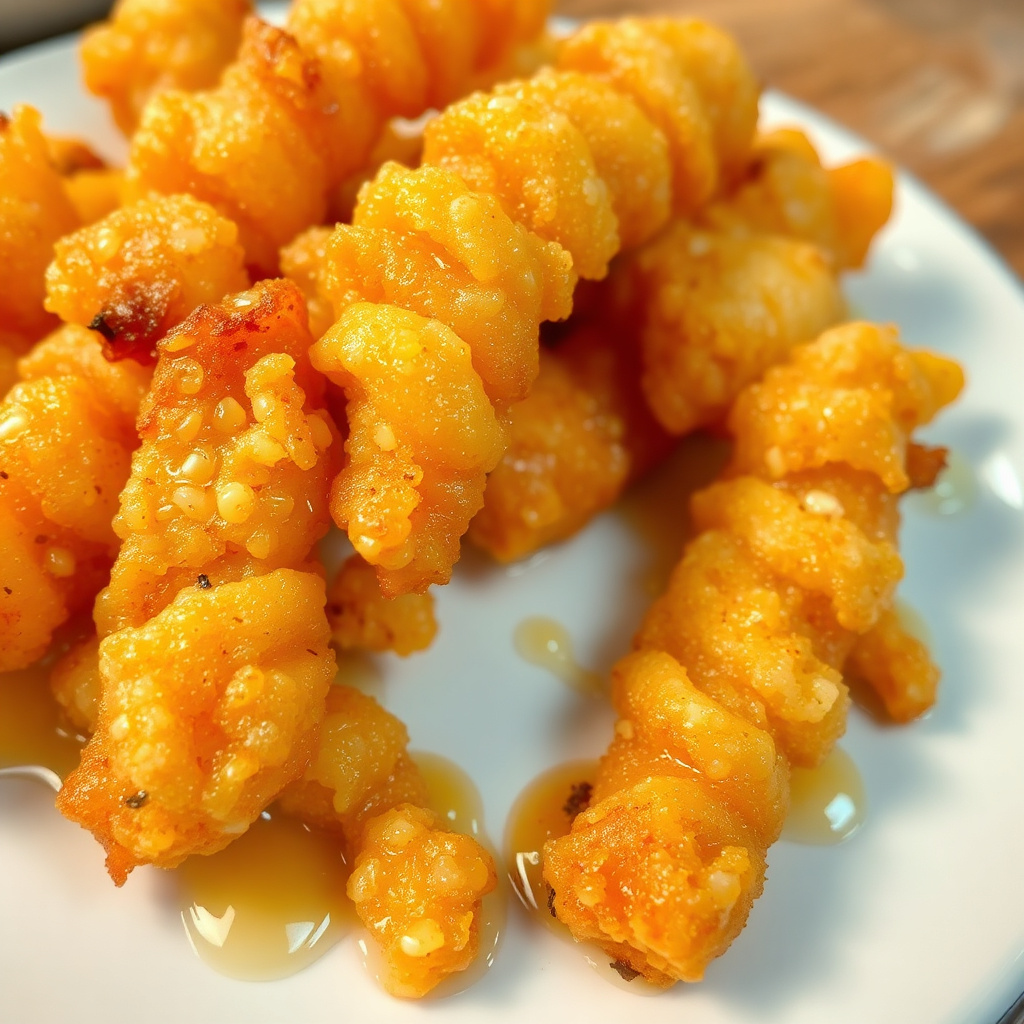
Deep-fried foods like tempura are calorie-dense due to absorbed oils, often containing high levels of fat, including saturated and sometimes trans fats depending on frying conditions. Regular consumption can lead to excessive calorie intake, contributing to weight gain and related health problems such as heart disease and type 2 diabetes.
The batter absorbs oil which adds to the overall caloric load without significant nutritional benefit, making tempura less ideal for frequent consumption if managing weight or reducing fat intake is a priority.
- Increases daily calorie intake
- Adds unhealthy saturated and trans fats
- Can contribute to cardiovascular risks
For more on this, see our related guide: Is California Roll Healthy? A Nutritional Breakdown and Guide.
Sodium Levels and Added Sauces
Tempura is often served with dipping sauces like tentsuyu, which can be high in sodium, increasing salt intake beyond recommended limits. Excess sodium is linked to high blood pressure and cardiovascular issues.
Additional condiments or eating tempura with soy sauce also add to sodium levels. People watching their salt intake should moderate how much sauce they use or select low-sodium alternatives.
- Dipping sauces increase sodium intake
- Excessive salt harms heart health
- Opt for low-sodium sauces when possible
Comparing Tempura to Other Japanese Dishes

Tempura vs. Sushi: Nutritional Differences
Sushi, typically made from raw or cooked fish with vinegared rice, tends to be lower in calories and fat compared to tempura. Sushi provides lean protein, healthy omega-3 fats, and carbohydrates from rice without added oils.
Tempura offers a fried texture and richer taste but comes with higher calories and fat content from the batter and frying oil, making sushi generally a lighter choice nutritionally.
Tempura vs. Grilled or Steamed Japanese Foods
Grilled or steamed dishes, like yakizakana (grilled fish) or chawanmushi (steamed egg custard), provide a clean, less oily way to enjoy seafood and vegetables. These cooking methods preserve nutrients and reduce fat intake compared to tempura's frying.
While tempura delivers crunch and flavor from frying, grilled or steamed options are more nutrient-dense and suit heart-healthy diets better, especially for daily consumption.
Tips for Healthier Tempura Choices

Choosing Ingredients Wisely
Selecting fresh vegetables high in fiber and nutrients, such as broccoli, sweet potato, or bell peppers, will enhance the nutritional profile of your tempura. Using seafood options rich in omega-3 fatty acids, like shrimp or white fish, adds protein and health benefits.
Avoid using heavily processed or starchy vegetables that add empty calories. Portion control is key; sticking to moderate servings keeps fat and calorie consumption in check.
- Use fresh vegetables rich in nutrients
- Pick seafood high in omega-3 fatty acids
- Avoid overly starchy or processed ingredients
- Limit portion sizes
For more on this, see our related guide: Is Sushi Healthy? Exploring the Nutritional Benefits and Risks.
Healthier Frying Techniques and Oils
Frying tempura in oils with high smoke points and healthy fat profiles, like canola, sunflower, or rice bran oil, minimizes harmful fat formation. Maintaining oil temperature between 350-375°F reduces oil absorption and keeps batter crisp without excessive grease.
Consider oven-baked or air-fried tempura as alternatives to traditional deep frying; these methods drastically cut fat content while still delivering a crispy texture.
- Use oils with high smoke points and healthy fats
- Keep frying oil temperature consistent
- Try oven or air frying alternative methods
Balancing Tempura in Your Diet

Pairing Tempura with Nutritious Sides
Serving tempura with steamed rice, miso soup, and fresh vegetable salads helps balance its higher fat and calorie content. These sides provide fiber, vitamins, and hydration that counteract the richness of fried food, enhancing overall meal nutrition.
Incorporating pickled vegetables or seaweed dishes increases micronutrient intake while keeping sodium moderate. This balance supports digestive health and satiety.
- Serve with steamed rice for carbohydrates
- Include miso soup or clear broth
- Add fresh salads or pickled vegetables
- Limit additional fried or salty sides
For a detailed background and traditional preparation of tempura, refer to the comprehensive article on tempura on Wikipedia. tempura on Wikipedia.
Moderation and Frequency of Consumption
Eating tempura occasionally rather than as a daily staple minimizes its negative health impacts while allowing enjoyment of its flavors. Portion control and mindful eating help avoid overconsumption of fats and calories inherent in fried foods.
Balancing tempura meals with exercise and nutrient-rich foods supports heart health and weight management over time.
- Limit tempura to occasional meals
- Control portion size during serving
- Pair with a balanced diet and physical activity
Tempura vs Other Fried Foods Category Comparison
Here's an overview comparing tempura to other common fried food categories based on key nutritional factors.
| Category | Average Calories (per 100g) | Fat Content (g per 100g) | Typical Sodium (mg per serving) | Nutrient Density |
|---|---|---|---|---|
| Tempura (seafood & vegetables) | 250-300 | 15-20 | 300-500 | Moderate (due to seafood and vegetables) |
| French Fries | 312 | 15 | 210 | Low (mostly carbs, minimal micronutrients) |
| Fried Chicken | 320-400 | 20-25 | 600-900 | Moderate (protein but high fat and sodium) |
| Onion Rings | 390 | 20 | 500-700 | Low (mostly carbs and fats) |
| Fried Fish Nuggets | 280-350 | 18-22 | 400-600 | Moderate (protein-rich but high in fat) |
Frequently Asked Questions
Is tempura healthier than other fried foods?
Tempura is somewhat healthier than many fried foods because it often includes vegetables and seafood, which provide nutrients. However, it still has high fat and calories due to deep frying, so it should be eaten in moderation.
Can tempura fit into a weight loss diet?
Tempura can fit into a weight loss diet if consumed occasionally and in small portions. Pairing it with nutrient-rich, low-calorie sides and paying attention to overall daily calorie intake is important.
Does the type of oil used to fry tempura matter?
Yes, the frying oil affects tempura's healthiness. Oils high in unsaturated fats and with high smoke points, like canola or sunflower oil, are healthier choices compared to saturated or reused oils.
How does tempura impact heart health?
Frequent consumption of fried tempura can increase intake of unhealthy fats, raising risks for heart disease. Moderation and using healthier oils help reduce heart health risks.
Is baked or air-fried tempura a good alternative?
Baked or air-fried tempura significantly reduces fat and calorie content while keeping a crispy texture, making them healthier alternatives to traditional deep frying.
Key Takeaways
- Tempura offers nutrients from seafood and vegetables but is high in fats due to frying
- Deep frying adds calories and can reduce some vitamins in vegetables
- Choosing fresh ingredients and healthier oils improves tempura's nutrition
- Moderation and balanced meal pairing help integrate tempura into a healthy diet
Conclusion
Evaluating whether tempura is healthy requires looking beyond its fried nature to the ingredients and eating habits around it. The main challenge is its elevated fat and calorie content from deep frying, which can negatively impact heart health and weight if eaten frequently. However, because tempura also includes nutrient-rich seafood and vegetables, it is not devoid of nutritional value. The key lies in balancing enjoyment with mindful intake, considering frying oil types, portion sizes, and frequency. Integrating tempura as an occasional treat rather than a staple can prevent excessive intake of fats and sodium while still allowing you to savor its unique textures and flavors.
For those prioritizing health, seafood and vegetable tempura made with oils high in unsaturated fats offer better nutritional balance than similarly fried foods like fried chicken or onion rings. Pairing tempura with steamed rice, miso soup, and fresh vegetable dishes adds fiber and nutrients missing from the fried portion. Alternative cooking techniques, such as air frying or baking, further improve tempura's health profile by reducing oil absorption. Understanding the nutritional value of tempura helps you select the best versions and accompaniments within the broader Japanese cuisine spectrum, meeting both taste and wellness goals.
If you want to enjoy tempura while maintaining a healthy diet, start by opting for smaller portions and balanced meals rather than large fried servings. When cooking at home, use healthier oils and keep frying temperatures controlled. Experiment with baking or air frying as guilt-free ways to get the tempura crunch. Finally, diversify your meals with grilled or steamed dishes to complement occasional tempura indulgences. This thoughtful approach lets you appreciate tempura's delicious appeal without compromising long-term health.