Why Do Chinese Restaurants Use MSG? Exploring Its Role and Impact
Chinese restaurants use MSG primarily to enhance the umami taste in their dishes, boosting overall flavor without adding saltiness or bitterness. It helps in accentuating the natural tastes of ingredients, making meals more savory and satisfying.
MSG, or monosodium glutamate, is a flavor enhancer that mimics the umami taste, one of the five basic tastes alongside sweet, sour, salty, and bitter. Its use in Chinese cuisine dates back to the early 20th century and became popular due to its ability to create a balanced, rich flavor profile that many diners enjoy.
This article will review the reasons behind MSG’s popularity in Chinese restaurants, explore its safety perceptions, and explain how it works as a seasoning. You’ll also learn about alternatives to MSG and how it fits into traditional and modern culinary practices.
The Science Behind MSG and Umami

What Is MSG Chemically?
Monosodium glutamate (MSG) is the sodium salt of glutamic acid, a naturally occurring amino acid found in many foods, including tomatoes, cheese, and mushrooms. When dissolved in food, MSG releases glutamate ions that stimulate umami receptors on the tongue.
This stimulation triggers a savory taste sensation that enhances the perception of richness and depth in food, making dishes more delicious without relying on excessive salt or fat.
Understanding Umami Flavor Enhancer
Umami is recognized as the fifth basic taste and describes a savory or meaty flavor. MSG acts as an umami flavor enhancer, elevating the overall taste experience by complementing natural flavors in protein-rich ingredients often used in Chinese cooking.
This is why dishes like broths, stir-fries, and sauces become more flavorful and balanced when MSG is added, highlighting subtle taste notes that might otherwise be missed.
Reasons Chinese Restaurants Use MSG

Enhancing Flavor Economically
MSG allows restaurants to enrich the taste of their dishes without using large amounts of expensive ingredients like meat or soy sauce. It provides a cost-effective method to boost flavor intensity, which is especially useful in commercial kitchens managing food budgets.
By using MSG, they can maintain consistent taste quality and deliver rich, savory flavor profiles that customers expect from authentic Chinese cuisine without raising prices significantly.
- Reduces need for excess salt and fat
- Amplifies natural ingredient flavors
- Keeps dishes flavorful and affordable
Consistency and Culinary Tradition
Many Chinese chefs use MSG because it helps ensure dishes have consistent flavor, especially across multiple batches prepared throughout busy service hours. MSG acts as a reliable ingredient that enhances flavor without unpredictability.
Additionally, its use is a traditional practice in many regions in China, linked to the culinary tradition of umami-rich cooking that dates back decades, solidifying MSG as a familiar seasoning in Chinese-style food preparation.
Addressing Health Concerns and Safety

Research on MSG Safety
Scientific studies have established that MSG is generally safe for consumption when used in typical culinary amounts. Regulatory agencies like the FDA classify MSG as GRAS (Generally Recognized As Safe), dismissing past controversies about harmful effects.
Reported adverse reactions are rare and typically involve high doses beyond normal dietary intake. MSG intolerance symptoms, often called 'Chinese Restaurant Syndrome,' have not been conclusively linked to MSG according to modern research.
For more on this, see our related guide: Is MSG in Chinese Food? Understanding Its Use and Safety.
Common Misconceptions Debunked
Despite reputation for causing headaches or allergic reactions, extensive reviews have found no consistent evidence that MSG causes severe health problems. Many negative claims come from anecdotal sources or outdated studies lacking rigorous controls.
Understanding these facts helps reduce stigma and encourages informed decisions regarding flavor enhancers in food, including how MSG is perceived by consumers.
How MSG Is Used in Chinese Cooking
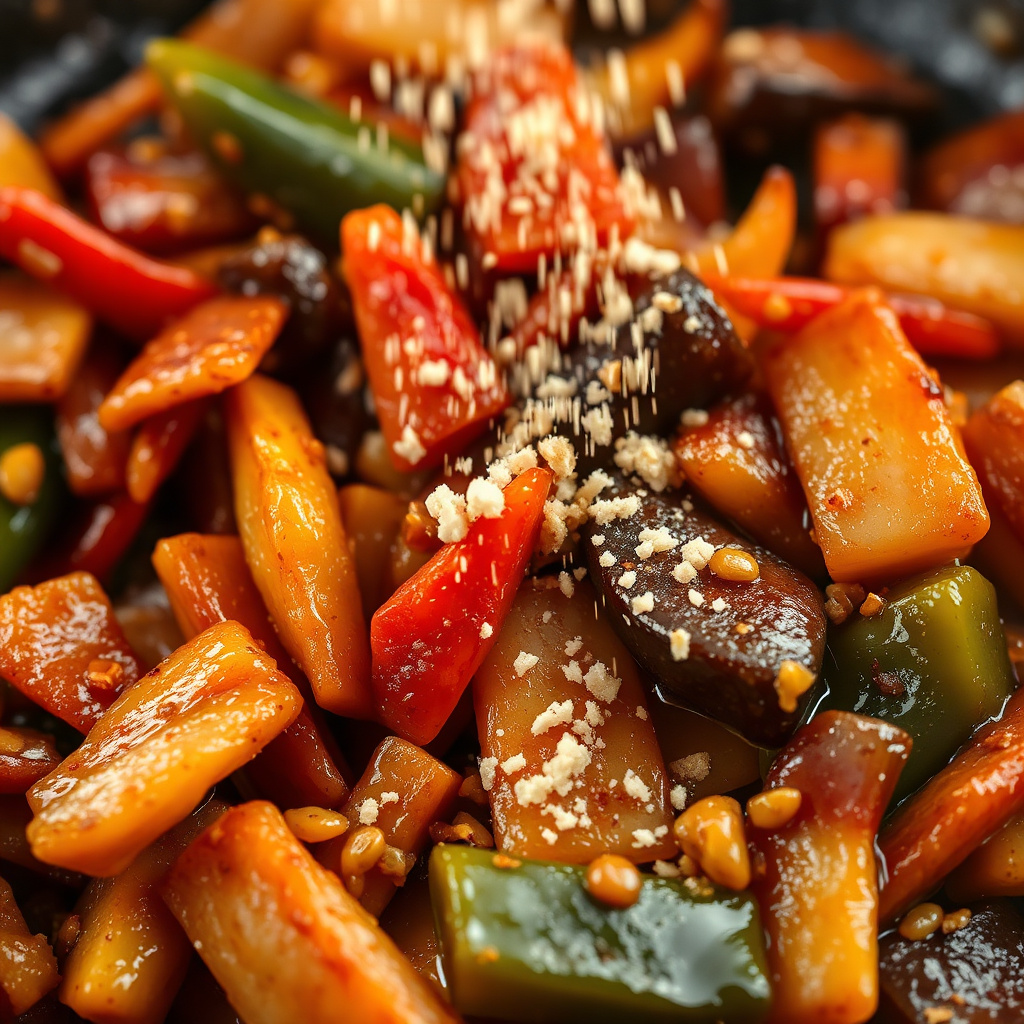
Common Dishes That Include MSG
MSG is commonly sprinkled into soups, noodle dishes, stir-fried vegetables, and meat sauces to intensify their savory appeal. It blends seamlessly with soy sauce, oyster sauce, and other seasonings to round out complex flavor layers.
Chefs often add MSG in small quantities early during cooking or at the end, depending on the dish, to maximize taste without overpowering natural ingredient flavors.
- Hot and sour soup
- Egg drop soup
- Beef and broccoli stir-fry
- Kung pao chicken
Tips for Cooking With MSG at Home
Start with a small pinch of MSG and gradually adjust to taste to avoid overuse. It works best combined with other seasonings rather than as a sole flavoring agent.
Use it in dishes rich with natural glutamates, like mushrooms or aged cheeses, to boost umami effortlessly. MSG dissolves quickly, so add it at steps where it can blend evenly with sauces or broths.
Alternatives to MSG in Flavor Enhancement

Natural Ingredients Providing Umami
Ingredients like dried shiitake mushrooms, seaweed (kombu), aged soy sauce, and fermented bean pastes naturally contain glutamates, serving as flavorful alternatives to MSG.
These can enhance umami taste in homemade recipes or restaurants preferring to avoid direct MSG usage while still achieving rich, savory profiles.
- Shiitake mushrooms
- Kombu (kelp)
- Fermented soy products
- Aged cheeses
For more on this, see our related guide: Is Orange Chicken Healthy? A Nutritional Breakdown and Health Guide.
Flavor Enhancer Substitutes
Some chefs use yeast extracts, nutritional yeast, or mushroom powders as substitutes, mimicking MSG’s umami-enhancing properties through natural fermentation or drying processes.
These alternatives can add complexity especially in vegetarian or vegan dishes, though they vary in potency and should be adjusted carefully.
Cultural Importance of MSG in Chinese Cuisine

Evolution of MSG Use in China
MSG was first isolated in Japan in the early 1900s but quickly integrated into Chinese cooking to replicate the depth of flavors in historic recipes. Its widespread use helped modernize cooking techniques while maintaining rich umami taste.
Today, MSG remains a staple in many Chinese kitchens, balancing traditional methods with contemporary food science.
For more detailed scientific background and historical context about MSG, see Monosodium glutamate on Wikipedia. Monosodium glutamate on Wikipedia.
Global Perception and Adaptation
As Chinese cuisine spread globally, MSG became both popular and controversial in foreign markets. However, awareness about its safety and function has increased acceptance in many international culinary circles.
Many Chinese restaurants abroad still rely on MSG to maintain authentic flavors demanded by their customers.
Comparison of MSG and Natural Umami Flavor Enhancers
This table summarizes characteristics of MSG alongside natural umami sources used in Chinese cooking to highlight differences and benefits.
| Flavor Enhancer | Source | Cost | Flavor Potency | Usage Ease |
|---|---|---|---|---|
| MSG | Synthetic additive based on glutamate | Low | High | Very easy to use, blends quickly |
| Shiitake Mushrooms | Natural fungus | Moderate | Moderate | Requires soaking and prep |
| Kombu Seaweed | Natural sea vegetable | Moderate | Moderate to high | Needs simmering for flavor extraction |
| Fermented Soy Sauce | Soybean fermentation | Variable | Moderate | Ready to use, liquid form |
| Yeast Extract | Processed yeast | Moderate to high | High | Easy to use, powdered form |
Frequently Asked Questions
Is MSG safe to eat in Chinese restaurants?
Yes, MSG is generally safe in normal culinary amounts. Regulatory agencies worldwide recognize it as safe for consumption based on numerous studies.
Does MSG cause allergic reactions?
Most people do not have allergic reactions to MSG. Some report mild symptoms after large doses, but such cases are rare and not conclusively linked to MSG.
Can I cook Chinese dishes without MSG?
You can achieve similar umami flavor using natural ingredients like mushrooms, soy sauce, or seaweed, though results may vary compared to MSG.
Why does MSG make food taste better?
MSG enhances umami taste by stimulating specific taste receptors, making food taste richer and more savory.
Is MSG used only in Chinese cooking?
No, MSG is used worldwide in many cuisines and processed foods to enhance flavor beyond Chinese dishes.
Key Takeaways
- MSG boosts umami flavor in Chinese dishes, making them richer and more savory.
- It is a cost-effective way for restaurants to enhance taste without adding excessive salt or fat.
- Scientific evidence supports that MSG is safe for general consumption in typical amounts.
- Natural ingredients like mushrooms and seaweed provide alternative sources of umami.
Conclusion
Understanding why Chinese restaurants use MSG helps demystify common culinary practices tied to enhancing food flavor with umami. MSG offers a reliable and economical way to amplify savory tastes authentically cherished in Chinese recipes, supporting chefs in delivering satisfying dishes consistently. Its role bridges traditional cooking and modern flavor science seamlessly.
When deciding whether to consume or use MSG, consider context and preferences. Restaurants often employ it alongside natural ingredients like shiitake mushrooms or soy sauce to maintain a balanced flavor. Home cooks aiming for umami can experiment with MSG or its natural alternatives based on dietary choices and taste goals, adjusting accordingly for the best results.
Ultimately, informed choices about MSG can enhance your dining experience or cooking style without fear of misleading health concerns. Next time you enjoy Chinese food, recognize the role MSG plays in providing rich, savory depth and consider trying small amounts yourself to appreciate its culinary contribution first-hand.


