Why Is It Called Mapo Tofu? The Story Behind the Name
Mapo tofu gets its name from traditional Chinese roots, combining the word 'Mapo' with 'tofu' to describe this spicy Sichuan dish. 'Mapo' refers to the pockmarked face of the elderly woman credited with popularizing the dish, while 'tofu' is the main ingredient used.
The name isn't arbitrary; it carries rich cultural and historical significance. 'Ma' means 'pockmarked,' and 'po' means 'old woman' or 'grandmother,' together referring to the signature look of the dish’s creator. Over time, the term 'Mapo tofu' evolved into a staple name recognized worldwide.
This article will explain the origin of Mapo tofu, the story behind its name, and how this dish symbolizes Sichuan cuisine’s bold flavors. You'll also learn about its place in culinary history and why the name resonates beyond just the ingredients.
The Historical Origin of Mapo Tofu

The Legend of the Pockmarked Woman
Mapo tofu is traditionally attributed to a woman named Chen Mapo who lived in Chengdu during the late 19th century. She ran a small restaurant where she served a unique spicy tofu dish that became popular among locals.
Her nickname 'Mapo' literally means 'pockmarked old woman,' describing her facial scars. Her tofu recipe combined soft tofu with a vibrant chili and pepper sauce, reflecting Sichuan’s characteristic bold seasoning.
Cultural Context in Sichuan Cuisine
Sichuan cuisine is known for its bold approach to spice and flavor, heavily relying on chili peppers and Sichuan peppercorns. Mapo tofu embodies this culinary style perfectly, mixing heat with a numbing sensation.
The dish became symbolic of local food culture, celebrating both regional ingredients and an inspiring figure whose name became synonymous with the dish itself.
Breaking Down the Name 'Mapo Tofu'
Meaning of 'Mapo' in Chinese
'Ma' translates to 'pockmarked' and 'Po' means 'old woman' or 'granny' in Mandarin. When combined, they describe an elderly woman with facial scars, referencing the dish’s originator.
This naming convention highlights respect and affection for the woman and her culinary contribution, rather than just referencing the food alone.
For more on this, see our related guide: Where Did Mapo Tofu Come From? Tracing Its Origins and History.
Why 'Tofu' Is Central to the Dish’s Identity
Tofu serves as the main ingredient, valued for its soft texture and ability to absorb the fiery sauce. Its use is what differentiates Mapo tofu from other spicy dishes.
The simplicity of tofu contrasts with the complex layering of flavors, making the name straightforward yet deeply meaningful in Chinese culinary tradition.
Ingredients and Preparation That Define Mapo Tofu

Key Ingredients in Mapo Tofu
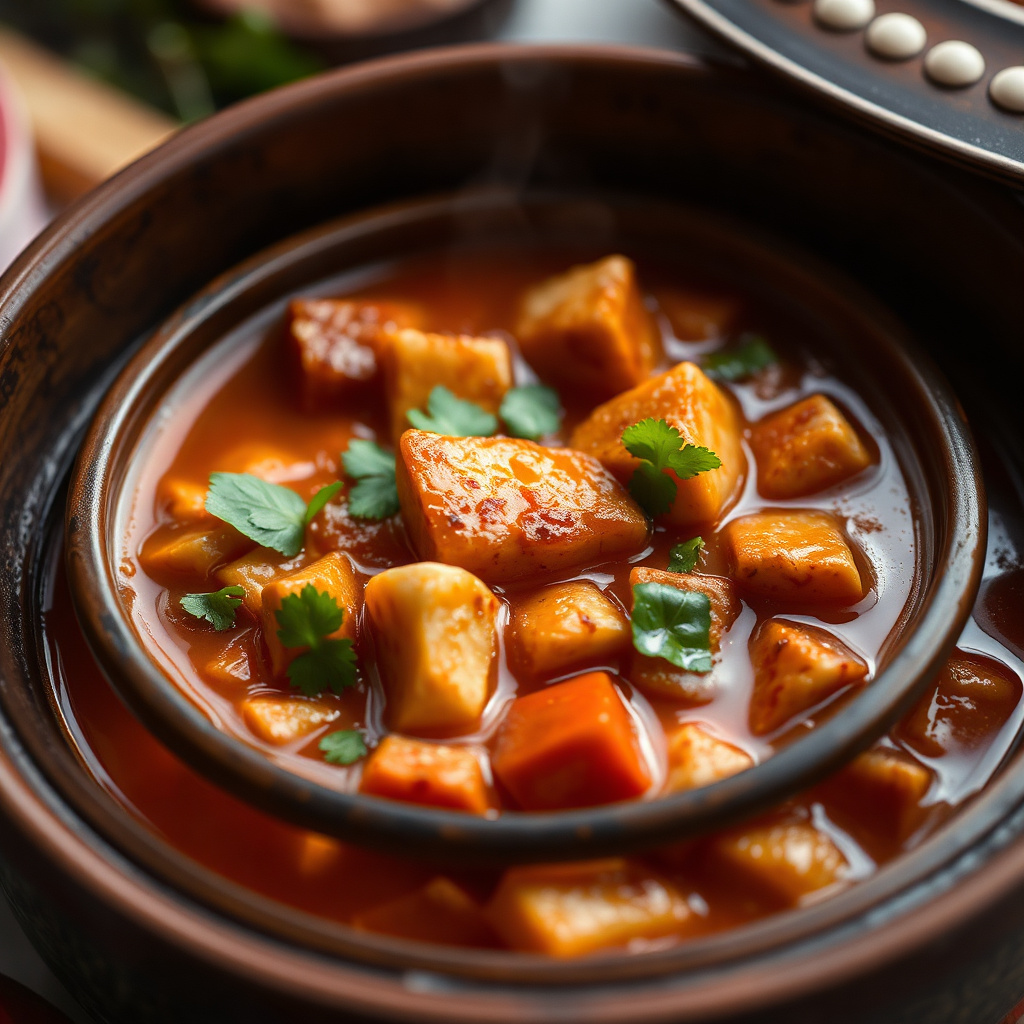
The fundamental ingredients include soft tofu, ground pork or beef, fermented broad bean paste (doubanjiang), chili oil, Sichuan peppercorns, garlic, and ginger. Each adds a specific layer of flavor and texture.
These ingredients come together to produce the dish’s signature hot, numbing, and savory profile that defines Sichuan cooking.
- Soft silken tofu
- Ground pork or beef
- Doubanjiang (fermented chili bean paste)
- Sichuan peppercorns
- Garlic and ginger
Traditional Method of Cooking Mapo Tofu
The process starts by frying the ground meat with garlic and ginger until fragrant, then adding the chili bean paste and chili oil to develop the sauce base. Soft tofu cubes are carefully added and gently stirred to absorb flavors without breaking apart.
Finally, freshly ground Sichuan peppercorns are sprinkled on top to introduce the characteristic numbing sensation that complements the heat, a hallmark of mapo tofu.
Mapo Tofu in Modern Cuisine

Global Adaptations of Mapo Tofu
Outside China, Mapo tofu has been adapted to different palates, often toned down in spiciness or made vegetarian by omitting meat. Some chefs incorporate local ingredients to create variations while maintaining the essential flavors.
These adaptations reflect how the dish’s strong identity has crossed cultural boundaries, making it a favorite in many international Chinese restaurants.
For more on this, see our related guide: What Is Miso Soup? A Complete Guide to This Traditional Japanese Dish.
Preserving Authenticity in Preparation
To retain its authentic flavor, using proper Sichuan peppercorns and fermented bean paste is critical. These ingredients maintain the dish’s signature heat and unique mouthfeel that sets it apart from other tofu dishes.
Traditional cooking techniques like simmering rather than boiling prevent tofu from disintegrating, ensuring an ideal texture that food lovers expect.
The Cultural Impact of Mapo Tofu's Name
Respect and Storytelling Through Food
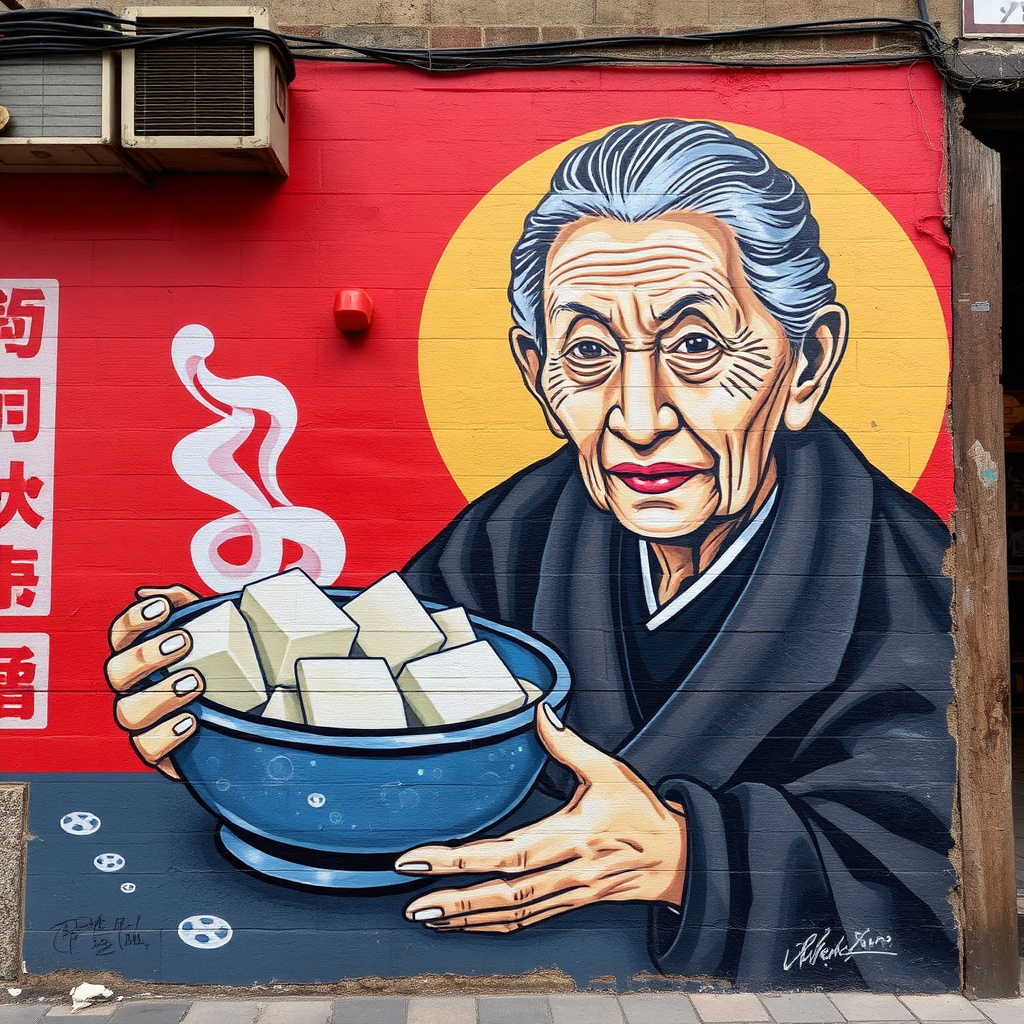
Naming the dish after the woman reflects the Chinese cultural practice of honoring individuals who make meaningful contributions with a distinctive legacy. Mapo tofu keeps Chen Mapo’s story alive through everyday dining.
This personal connection humanizes cuisine, giving diners a narrative that enriches the eating experience beyond flavor alone.
To learn more about the dish’s history and variations, visit the Mapo tofu Wikipedia page. Mapo tofu on Wikipedia.
Mapo Tofu as a Symbol of Sichuan Identity
The dish and its name have become emblematic of Sichuan province’s culinary character, representing its spicy, bold profile and community heritage.
Mapo tofu serves as a culinary ambassador, introducing the world to regional flavors while carrying with it a historical identity.
Mapo Tofu Variations Category Comparison
This table compares different traditional and modern versions of Mapo tofu by ingredients, spiciness, and preparation style.
| Variation | Main Protein | Spiciness Level | Texture | Popularity |
|---|---|---|---|---|
| Classic Sichuan Mapo Tofu | Ground pork | High | Silken soft tofu | Very high |
| Vegetarian Mapo Tofu | No meat | Medium | Silken soft tofu | High |
| Japanese Style Mapo Tofu | Ground beef | Mild | Firm tofu | Moderate |
| Spicy Vegan Mapo Tofu | Tofu only | High | Silken soft tofu | Moderate |
| American Adaptation | Ground turkey | Low | Firm tofu | Common |
Frequently Asked Questions
Who invented Mapo tofu?
Mapo tofu is traditionally credited to an elderly woman named Chen Mapo in Chengdu, Sichuan during the late 1800s. She popularized the spicy tofu dish that bears her nickname.
What does 'Mapo' mean in Mapo tofu?
'Mapo' means 'pockmarked old woman' in Chinese, referring to the woman who originally created the dish. It highlights both her appearance and respect for her legacy.
Is Mapo tofu always spicy?
Yes, authentic Mapo tofu is known for its spicy heat combined with the numbing sensation from Sichuan peppercorns. Though milder versions exist, the original is distinctly fiery.
Can Mapo tofu be made vegetarian?
Absolutely. Many vegetarian versions omit meat entirely using mushrooms or textured vegetable protein while maintaining the spicy chili and peppercorn flavor.
Why is tofu used in Mapo tofu?
Tofu provides a soft and smooth texture that balances the spicy, oily sauce, acting as a neutral base that soaks up bold flavors uniquely.
Key Takeaways
- Mapo tofu’s name honors Chen Mapo, the pockmarked old woman who created it.
- The dish combines soft tofu with spicy chili bean paste and Sichuan peppercorns.
- Its name reflects both the creator’s identity and the dish’s main ingredient.
- Mapo tofu is a cultural icon of Sichuan cuisine with many modern adaptations.
Conclusion
When deciding why Mapo tofu is called so, understanding the cultural and historical context is essential. The name directly ties to the woman who invented the dish and the unforgettable flavors associated with it. This connection of person and product makes the name not just a label, but a tribute within Chinese culinary history. Such meaningful origins enrich the experience of enjoying this dish beyond simple taste.
Depending on your culinary goals, you might choose the traditional Sichuan Mapo tofu with its characteristic fiery hit and tender tofu, or opt for vegetarian or milder variations designed for different palates. Each version carries the essence of the original name while catering to diverse diners. Recognizing the story behind the name allows a deeper appreciation of its place in both regional and global cuisines.
To truly grasp the appeal of Mapo tofu, try making or tasting an authentic recipe that includes the staple ingredients like Sichuan peppercorns and broad bean paste. Let the name remind you of the legacy it carries and savor each bite knowing it connects you to a rich cultural past. Exploring Mapo tofu’s origins is a delicious journey to the heart of Sichuan’s vibrant food traditions.