What Does Mapo Tofu Taste Like? Exploring the Unique Flavors of Mapo Tofu
Mapo Tofu tastes like an exciting balance of bold spiciness, mouth-tingling numbness, and rich umami all wrapped in a silky-soft texture. This famous Sichuan dish combines tender tofu cubes with spicy chili bean paste and Sichuan peppercorns, resulting in a flavorful punch that stimulates your taste buds in several layers.
The distinctive fiery heat paired with the numbing sensation from Sichuan peppercorns makes Mapo Tofu stand out among other spicy dishes. The sauce, often made with fermented black beans and savory ground pork or beef, rounds out the profile with deep savory notes and slight tanginess. Its smooth tofu provides a cooling contrast to this complex flavor mix.
This article will dig into the main taste elements of Mapo Tofu, including its spiciness, numbing sensation, umami depth, and texture. We'll also explore how ingredients and regional variations influence its flavor, guiding you to understand why it’s so beloved in Sichuan cuisine.
The Core Taste Profile of Mapo Tofu

Spicy Heat from Chili Bean Paste
The dominant taste in Mapo Tofu comes from doubanjiang, or spicy fermented chili bean paste. It delivers a deep, robust heat that's not sharp but more earthy and complex. The chili paste is balanced to create a lingering warmth rather than overwhelming burn.
This chili heat integrates smoothly with other ingredients, combining with the sauce's oily texture to coat the tofu cubes subtly, ensuring every bite has a gentle yet persistent spiciness.
Numbing Sensation from Sichuan Peppercorns
Sichuan peppercorns create a unique tingling warmth and light numbing effect called mala. This sensation counterbalances the chili heat and adds another sensory layer. It’s sometimes described as a citrusy, slightly floral flavor paired with a prickly mouth feeling.
The peppercorns are often toasted and ground before added, enhancing their aroma and how they interact with the sauce and tofu. This numbing quality is emblematic of many Sichuan dishes.
Umami Depth and Savory Components

Richness from Fermented Ingredients
Fermented black beans and soy sauce add layers of umami to Mapo Tofu. These ingredients bring a salty, slightly tangy note that deepens the overall flavor, making the sauce hearty and rich rather than just spicy.
The fermentation process enhances complexity in flavor, adding mild bitterness and sweetness that blend well with spicy and numbing notes.
Meaty Savory Elements
Often, small amounts of ground pork or beef are included, contributing a savory, meaty depth to the dish. This protein softens the sharpness of the chili and balances the dish’s overall taste while adding texture contrast.
The meat is usually stir-fried first to develop a caramelized flavor before being added to the sauce, enriching the dish with its hearty aroma.
The Texture Experience: Silky Tofu and Sauce

Silken Tofu’s Role
Soft, silken tofu is key to the dish’s signature texture. It absorbs the spicy sauce while maintaining a smooth, delicate feel that contrasts with the bold flavors. The tofu’s creaminess helps moderate the chili’s intensity in each bite.
Because tofu is mild on its own, it acts as a neutral base so that the complex sauce flavors truly shine without overwhelming.
For more on this, see our related guide: What Does Szechuan Peppercorn Taste Like? Exploring Its Unique Flavor Profile.
Sauce Consistency and Mouthfeel
The sauce is typically thickened slightly with cornstarch, giving it a glossy finish that clings well to tofu. This balance makes it rich without being greasy, allowing the heat and numbness to linger evenly on the palate.
The oily chili-infused sauce also carries the aroma of fermented spices and peppercorns, enhancing the overall sensory experience.
Variations That Affect Mapo Tofu Taste

Regional Differences in Spice Levels
Mapo Tofu varies by region, with authentic Sichuan versions packing more heat and mala flavor. Some milder home-style or Western adaptations tone down the chili and peppercorns to suit different palates, leading to gentler spicing but retaining savory umami.
Adjusting spice levels affects how dominant the fiery and numbing qualities are, shifting the overall balance of the dish’s taste.
Ingredient Variations Impacting Flavor
Some versions swap ground meat for mushrooms or omit it for a vegetarian alternative, which changes the umami source. Different brands or homemade chili bean paste also influence the sauce’s flavor depth and heat intensity.
Additional flavorings like garlic, ginger, or green onions added in varying amounts personalize the taste profile further.
How to Enjoy Mapo Tofu for the Best Taste
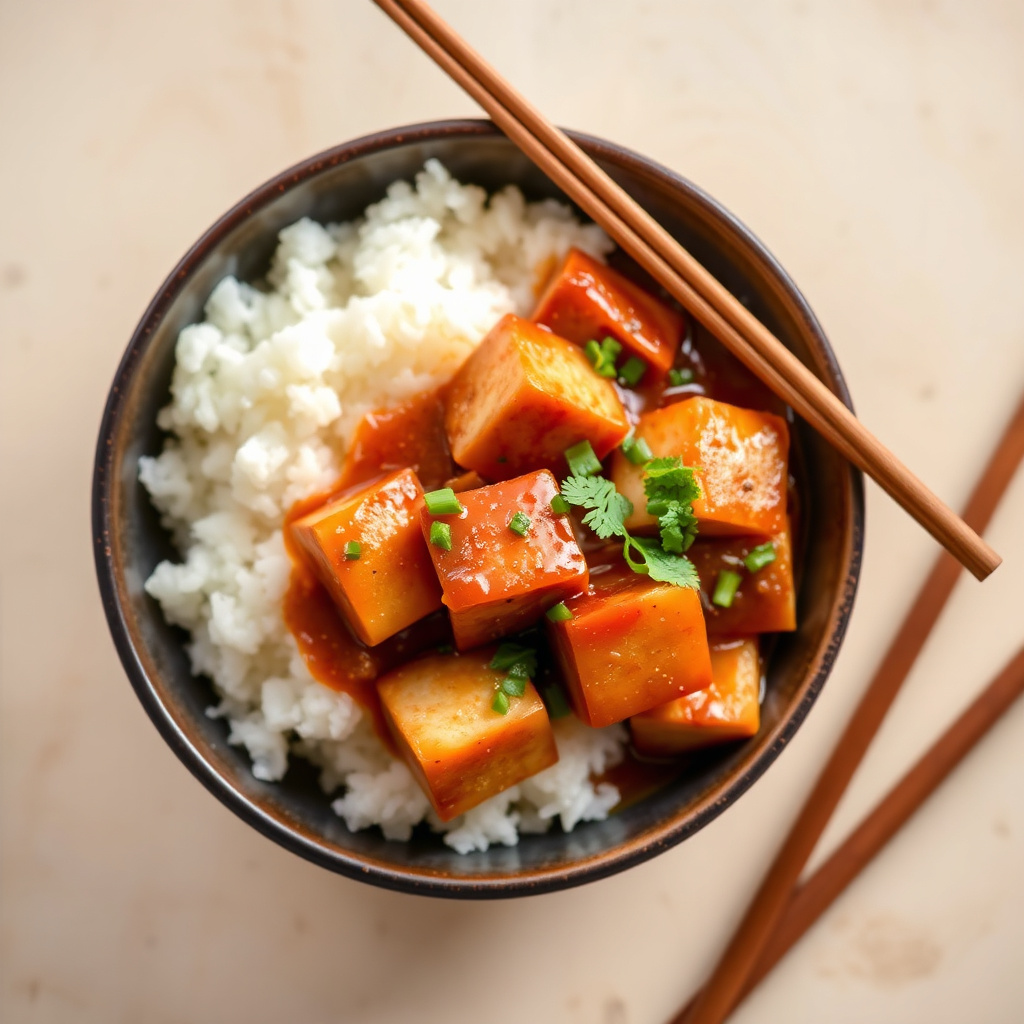
Pairing with Rice and Side Dishes
Mapo Tofu is traditionally paired with plain steamed white rice, which soaks up the sauce and balances the spiciness. The starchiness of rice tempers the heat while complementing the tofu’s creaminess.
Simple vegetable sides or stir-fried greens offer freshness that contrasts with the intense flavors, creating a more rounded meal.
For more on this, see our related guide: Why Is It Called Mapo Tofu? The Story Behind the Name.
Serving Temperature and Presentation
Serving Mapo Tofu piping hot enhances its aromatic and spicy impact. The heat helps release the oiliness of the chili paste and amplifies the numbing sensation.
Garnishing with fresh scallions or a sprinkle of extra ground Sichuan peppercorns adds brightness and a final flavor kick.
Understanding Mapo Tofu in Sichuan Cuisine

Historical Background Influencing Flavor
Mapo Tofu originated in Sichuan province and reflects the region's love for spicy and numbing flavors. Its signature taste is a result of local ingredients like doubanjiang and Sichuan peppercorns that define Sichuan cuisine's flavor profile.
The dish’s complex layering of tastes tells a story of Sichuan’s culinary tradition, balancing spice, aroma, and texture to stimulate multiple senses.
For more insights on the flavors that define Mapo Tofu, the Sichuan cuisine article on Wikipedia offers detailed background and cultural context. Sichuan cuisine on Wikipedia.
Cultural Significance and Popularity
Mapo Tofu is widely loved throughout China and internationally, symbolizing Sichuan’s bold culinary reputation. It often serves as an introduction to Sichuan cuisine’s distinctive spicy and numbing flavors for many food enthusiasts.
Its popularity has inspired countless adaptations and also sparked interest in exploring other mala-flavored dishes within Chinese food culture.
Mapo Tofu Variations Flavor Comparison
Here’s a comparison of several common Mapo Tofu styles based on spice level, numbing intensity, meat content, and overall flavor richness.
| Variation | Spice Level | Numbing Sensation | Meat Content | Flavor Richness |
|---|---|---|---|---|
| Traditional Sichuan | High | High | Ground Pork | Very Rich and Complex |
| Milder Home Style | Medium | Medium | Optional | Moderate and Balanced |
| Vegetarian Version | Medium | Medium | None | Umami from Mushrooms |
| Western Adaptation | Low | Low | Often None | Simplified and Mild |
| Spicy Hot Pot Style | Very High | Very High | Varied Meats | Extremely Bold |
Frequently Asked Questions
What makes Mapo Tofu taste spicy and numbing?
Mapo Tofu’s spiciness comes from doubanjiang chili bean paste, while its numbing effect is due to ground Sichuan peppercorns. Together, they create the signature spicy and tingling mouthfeel.
Is Mapo Tofu always made with meat?
Traditionally, Mapo Tofu includes ground pork or beef for savory depth, but vegetarian versions using mushrooms or omitting meat altogether are popular and still flavorful.
Can Mapo Tofu be mild instead of spicy?
Yes, many adaptations reduce chili and Sichuan peppercorn quantities to create a milder dish while retaining essential flavors and texture.
What texture should the tofu have in Mapo Tofu?
Silken or soft tofu with a smooth and delicate texture is preferred; it soaks up the sauce and contrasts the bold, spicy flavors.
What is the best way to serve Mapo Tofu?
Mapo Tofu is best served hot over plain steamed white rice to balance its rich and spicy sauce, often garnished with fresh scallions.
Key Takeaways
- Mapo Tofu features a unique blend of spicy chili heat and numbing Sichuan peppercorn sensation.
- Its umami-rich sauce is deepened by fermented black beans and often contains ground meat for added savoriness.
- Silken tofu’s smooth texture balances the bold flavors and absorbs the spicy sauce beautifully.
- Regional and ingredient variations influence spice levels and flavor complexity, offering diverse Mapo Tofu experiences.
Conclusion
Understanding what Mapo Tofu tastes like revolves around recognizing the harmony of its layered flavors: fiery chili paste heat, a distinctive numbing bite from Sichuan peppercorns, and a rich umami base supported by fermented ingredients and sometimes meat. The silky tofu serves as both a textural anchor and a mild buffer, allowing these intense flavors to stand out with balance and depth. Approaching this dish with appreciation for the interplay of spicy, numbing, savory, and smooth elements helps grasp why it remains a classic favorite in Sichuan cuisine and beyond.
When deciding which Mapo Tofu to try or make, consider variations based on your tolerance for spice and preference for meat. Traditional Sichuan versions are bold with high spice and numbing sensations, ideal for those seeking authentic fiery flavor. Milder home-style or vegetarian adaptations offer gentler experiences with retained umami complexity. Even Westernized versions capture the essence of the dish with simpler and less intense profiles for broader appeal. Each variation showcases the signature taste components in different measures to suit different preferences.
If you want to experience Mapo Tofu’s flavor firsthand, start with a well-reviewed authentic Sichuan restaurant dish or try cooking a recipe that emphasizes its core ingredients like doubanjiang and fresh Sichuan peppercorns. Pairing it with steamed white rice and fresh scallions will highlight its rich sauce and layered taste profile. Tasting Mapo Tofu is as much about savoring its complex flavor symphony as enjoying the cultural heritage it represents in Sichuan cuisine.




One Comment