What Is Hot and Sour Soup? A Complete Guide to Its Flavor and Origins
Hot and sour soup is a flavorful Chinese soup known for its bold combination of spicy heat and tangy acidity. Traditionally made with ingredients like tofu, mushrooms, bamboo shoots, and vinegar, it delivers a balanced taste that can be both hearty and refreshing.
This soup stands out because of its unique blend of hot and sour flavors, which are created by chili peppers or white pepper for heat and Chinese black vinegar for sourness. Variations exist across regions and recipes, often incorporating pork, chicken, or seafood to deepen the taste.
In this article, we'll explore the history of hot and sour soup, discuss its key ingredients, variations, preparation methods, and tips on how to enjoy or make an authentic traditional hot and sour soup recipe at home.
Origins and Cultural Significance of Hot and Sour Soup

Historical Background
Hot and sour soup dates back centuries in Chinese cuisine, with roots in both northern and southern China. Its balance of spicy and sour flavors reflects a Chinese culinary philosophy that combines contrasting tastes to achieve harmony in a dish.
Originally, the soup was enjoyed for its warming qualities during cold seasons and as a digestive aid, thanks to vinegar and spices. Over time, it became a popular item served in restaurants worldwide, adapting to local tastes.
Regional Variations Across China
Different regions in China have developed their distinct versions of hot and sour soup. The Sichuan style leans towards spicier heat and numbing peppercorns, while the Cantonese approach features a milder, sour taste with fresh seafood.
These variations highlight the soup’s versatile nature, allowing it to be customized while respecting the core hot and sour profile that defines the dish.
Key Ingredients That Define Hot and Sour Soup
Foundational Components
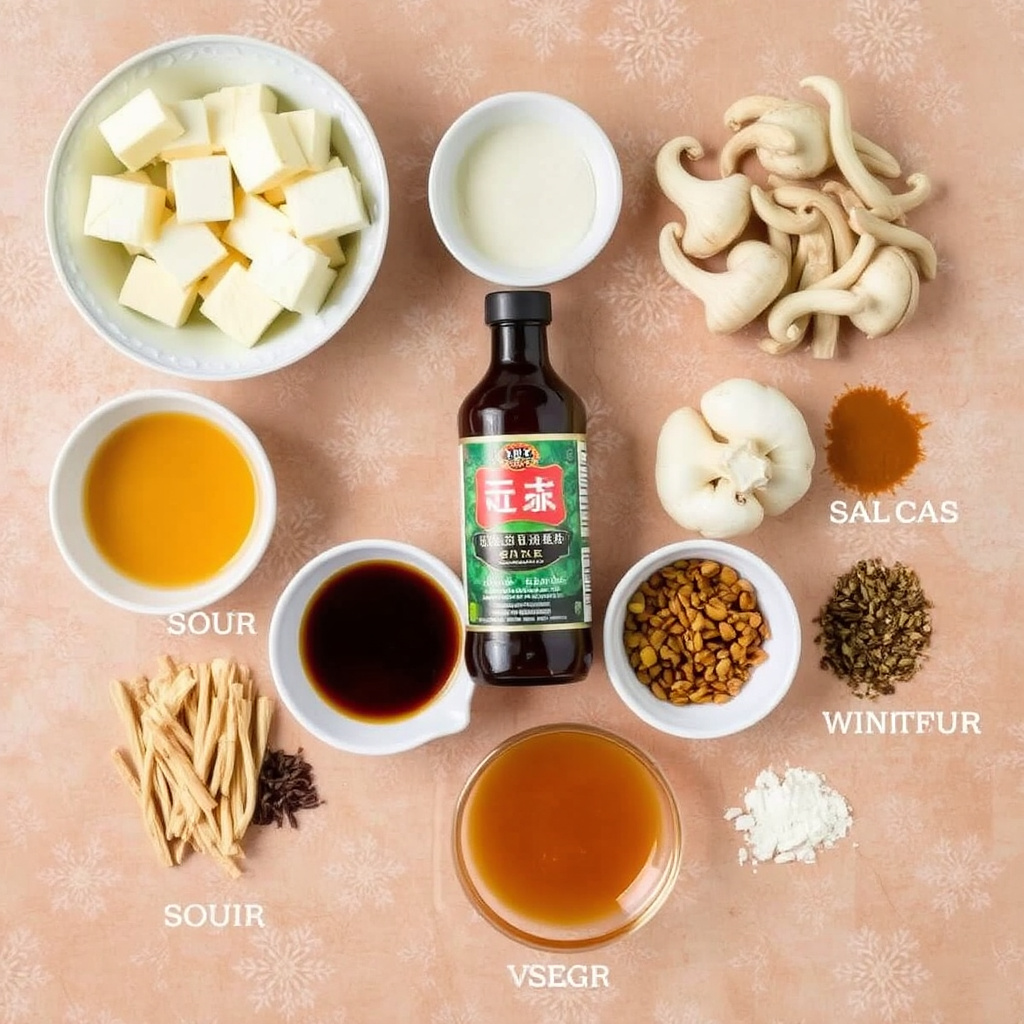
At its core, hot and sour soup contains tofu, wood ear mushrooms, and bamboo shoots, which provide texture and substance. These vegetarian-friendly ingredients absorb the flavors of the broth, making each spoonful delightfully complex.
The broth is typically made from chicken or pork stock, but vegetable stock can be used for a lighter version. Vinegar, usually Chinese black vinegar, adds the hallmark sour note, which is balanced by white pepper or chili for heat.
- Silken or firm tofu
- Wood ear mushrooms
- Bamboo shoots
- Clear broth base
- Chinese black vinegar
- White pepper or chili flakes
For more on this, see our related guide: What is Mapo Tofu? Understanding this Iconic Sichuan Dish.
Optional Proteins and Seasonings
Beyond the foundational ingredients, many recipes include thin slices of pork, chicken, or shrimp to add richness. Other seasonings like soy sauce, sesame oil, and garlic deepen the umami and aromatic profile.
Cornstarch is commonly used as a thickener to give the soup a slightly silky texture, which helps suspend the ingredients evenly, enhancing mouthfeel.
- Sliced pork or chicken
- Shrimp or seafood
- Soy sauce
- Sesame oil
- Garlic
- Cornstarch for thickening
How to Make Traditional Hot and Sour Soup

Preparation of Ingredients
Begin by soaking dried wood ear mushrooms until softened, then slice. Next, julienne bamboo shoots and cube tofu into bite-sized pieces. If using meat, thinly slice pork or chicken. Prepare aromatics like minced garlic and ginger to flavor the broth.
Having all ingredients prepped in advance speeds up the cooking process and ensures ingredients retain their texture and flavor when added to the hot broth.
Cooking Steps and Tips
Simmer the broth and add vinegar and white pepper carefully, tasting as you go to balance the hot and sour profile. Add mushrooms, bamboo shoots, tofu, and meat, cooking just until tender. Finish by slowly stirring in a cornstarch slurry to thicken slightly.
Avoid overcooking tofu and vegetables to maintain texture. Adjust vinegar and pepper to personal preference, as some enjoy a more sour soup while others prefer more spiciness.
Health Benefits and Nutritional Profile

Low-Calorie, High-Protein Option
Hot and sour soup offers a low-calorie meal option rich in protein, especially when made with tofu and lean meats. The mushrooms provide antioxidants, fiber, and vitamins, contributing to overall wellness.
Its broth base is hydrating and can soothe digestion, while vinegar promotes metabolism and may aid in maintaining blood sugar levels.
For more on this, see our related guide: What is Chow Fun? A Complete Guide to This Classic Chinese Noodle Dish.
Considerations for Dietary Restrictions
Gluten can be a concern if soy sauce containing wheat is used, but there are gluten-free alternatives suitable for sensitive individuals. Vegetarian and vegan versions are easily made by substituting broth and omitting meat.
Sodium content may be high in restaurant versions, so homemade soup allows control over salt levels for those monitoring intake.
Serving Suggestions and Pairing Hot and Sour Soup

Traditional Serving Styles
Hot and sour soup is commonly served as an appetizer in a multi-course meal or paired with rice and stir-fried dishes. Its bold flavors help stimulate the palate and complement milder main courses.
Garnishing with sliced scallions or fresh cilantro adds freshness and visual appeal, while chili oil on top can enhance heat for spice lovers.
For additional background and variations, refer to the Hot and sour soup Wikipedia article. Hot and sour soup Wikipedia article.
Modern Twists and Global Influences
Contemporary cooks sometimes incorporate ingredients like shiitake mushrooms or different types of vinegar for varied taste profiles. Fusion versions might add noodles or unconventional proteins to cater to wider palates.
Serving hot and sour soup alongside dim sum or Asian-inspired salads can create a balanced fusion meal highlighting texture and flavor contrasts.
Hot and Sour Soup Style Comparison
Here is a quick overview comparing popular hot and sour soup styles based on flavor intensity, ingredients, and typical proteins.
| Style | Heat Level | Sourness Level | Common Proteins | Region |
|---|---|---|---|---|
| Sichuan | High | Medium | Pork, Tofu | Southwest China |
| Cantonese | Medium | High | Seafood, Chicken | Southern China |
| Vegetarian | Medium | Medium | Tofu, Mushrooms | Various |
| American-Chinese | Mild | Medium | Pork, Tofu | United States |
| Fusion | Variable | Variable | Varies | Global |
Frequently Asked Questions
Is hot and sour soup usually spicy?
Hot and sour soup has a spicy kick, typically from white pepper or chili, but the heat level can vary widely depending on the recipe and region.
Can hot and sour soup be made vegetarian?
Yes, by using vegetable broth and omitting any meat or seafood, hot and sour soup can be made completely vegetarian without losing its classic flavors.
What gives hot and sour soup its sour flavor?
The sourness primarily comes from Chinese black vinegar, which provides a sharp, tangy taste essential to the soup’s balanced flavor profile.
Is hot and sour soup healthy?
Hot and sour soup can be a nutritious choice, offering protein, antioxidants from mushrooms, and a low-calorie broth, though sodium content should be watched.
Can I freeze hot and sour soup?
Freezing is possible but may affect the texture of tofu and vegetables. It’s best to freeze the broth separately if planning to store for longer periods.
Key Takeaways
- Hot and sour soup balances spicy heat with tangy vinegar for a distinctive flavor.
- Core ingredients include tofu, mushrooms, bamboo shoots, and black vinegar.
- Variations exist across regions, adapting heat and sour levels.
- Homemade soup allows control over ingredients and dietary needs.
Conclusion
Understanding what hot and sour soup is involves appreciating its harmonious blend of spicy and sour flavors crafted through a combination of specific ingredients like black vinegar, white pepper, tofu, and mushrooms. This dish is not just a soup but a reflection of Chinese culinary culture emphasizing balance and robust taste profiles. When deciding to try or make hot and sour soup, consider the core elements that define its character along with personal taste preferences for heat and sourness.
If you favor a robust spicy punch, Sichuan-style hot and sour soup with pork and fiery peppers suits well. For lighter, tangier options, the Cantonese version with seafood presents a delicate yet flavor-rich alternative. Vegetarian recipes emphasize mushrooms and tofu, maintaining the essence of the soup without animal proteins. American-Chinese styles offer a milder, approachable version suitable for those new to the dish.
For a practical next step, experiment with a traditional hot and sour soup recipe that matches your flavor preference. Adjust vinegar and heat levels gradually to align with your taste. By preparing the soup at home, you not only enjoy fresh ingredients but control texture and nutritional aspects. Serving this soup as an appetizer or light meal will add a satisfying burst of flavor to your culinary repertoire.



One Comment