Spicy Tuna Roll vs California Roll: Which Sushi Roll Suits Your Taste?
When picking between a spicy tuna roll and a California roll, the primary difference lies in their ingredients and flavor profiles. A spicy tuna roll features raw tuna mixed with spicy mayo or chili sauce, offering a bold, zesty taste with some heat. In contrast, a California roll is quieter in flavor, made with cooked crab or imitation crab, cucumber, and avocado, wrapped inside-out with rice on the outside. This difference influences not just taste but texture and appeal to different eaters.
Understanding how these two popular sushi rolls differ helps sushi lovers and novices alike decide what fits their mood and palate. The spicy tuna roll appeals to those who enjoy a bit of spice and the freshness of raw fish, while the California roll offers a milder, creamier option ideal for those new to sushi or who prefer cooked seafood.
This article will explore the differences in ingredients, nutritional content, taste, texture, cultural origins, and common variations of the spicy tuna roll vs California roll. We will also cover which options cater better to different dietary preferences or sushi experience levels.
Difference in Ingredients and Preparation

Spicy Tuna Roll Ingredients
The spicy tuna roll typically includes raw tuna, spicy mayo (made from mayonnaise and chili sauce), sushi rice, nori seaweed, and sometimes scallions or sesame seeds. The tuna is diced finely and mixed with the spicy sauce to infuse heat and flavor evenly throughout the roll. The roll is traditionally wrapped in nori on the inside, with the sushi rice on the outside.
Preparation emphasizes freshness of the tuna and balance in the spice level. The heat from the chili complements the richness of the fish, making this a popular choice for those who enjoy bold flavors.
California Roll Ingredients
A California roll uses cooked crab meat or imitation crab, creamy avocado, and crunchy cucumber, combined with sushi rice and nori. This roll is an 'inside-out' style, where the sushi rice is on the outside and sprinkled with toasted sesame seeds or tobiko (flying fish roe) to add a slight crunch and flavor complexity.
Unlike the spicy tuna roll, the California roll contains no raw fish, making it approachable for sushi beginners or people cautious about consuming raw seafood.
Flavor Profiles and Texture Comparison

Taste and Spice Level of Spicy Tuna Roll
Spicy tuna rolls deliver a pronounced umami flavor coupled with a spicy kick from the chili-infused mayo. The addition of scallions or sesame seeds can add subtle nutty or fresh notes. Texture-wise, the raw tuna is smooth and tender, contrasting with slightly chewy nori and soft sushi rice.
The spice intensity varies by restaurant but generally elevates the roll's flavor, making it popular among sushi enthusiasts who seek a stronger taste experience.
Mild and Creamy Flavor of California Roll
California rolls offer a mild, creamy taste thanks to the avocado's buttery texture paired with the lightly sweet crab and crisp cucumber. The absence of spice makes it a more neutral sushi option. The rice provides softness, and the cucumber adds a crunchy element, which together create a balanced texture and gentle palate experience.
This roll is often favored by those new to sushi or who prefer subtle flavors over intense ones.
Nutritional Content and Dietary Considerations

Nutrition in Spicy Tuna Rolls
Spicy tuna rolls are a good source of lean protein and omega-3 fatty acids from the raw tuna, which support heart health. However, the spicy mayo adds calories and fat, including some saturated fat, so portion control is wise. Sodium content may also be higher due to added sauces.
Those watching calorie intake or fat consumption should consider these factors but still find the roll a nutritious seafood option when eaten occasionally.
For more on this, see our related guide: Rainbow Roll vs Dragon Roll: Which Sushi Roll Should You Pick?.
Nutrition in California Rolls
California rolls contain fewer calories and less fat than spicy tuna rolls because they lack spicy sauce and raw fish. The avocado adds healthy monounsaturated fats and fiber, while the crab or imitation crab provides protein, though the latter is sometimes processed and may contain additives.
This roll is often safer for those with seafood allergies when made with imitation crab, and its lower fat content might appeal to those seeking a lighter meal.
Origin and Cultural Significance

History of the Spicy Tuna Roll
The spicy tuna roll originated in the United States in the late 20th century as part of the evolution of sushi adapted for American tastes. It combines traditional Japanese ingredients with the American love of spicy condiments, showcasing sushi's international fusion.
Its creation symbolizes sushi's globalization and experimentation beyond Japan's culinary traditions, becoming a ubiquitous choice in many sushi restaurants worldwide.
Cultural Roots of the California Roll
The California roll is credited to sushi chefs in Los Angeles during the 1960s and 70s who sought to popularize sushi among Americans reluctant to eat raw fish. Using cooked crab and avocado in an inside-out roll made sushi approachable and fashionable.
This roll played a significant role in introducing western audiences to sushi, helping the cuisine gain lasting popularity across the US and beyond.
Variations and Customizations

Spicy Tuna Roll Variations
Restaurants often customize spicy tuna rolls by adjusting spice levels or adding ingredients like tempura flakes for crunch or additional vegetables such as cucumber or avocado. Some variations swap traditional spicy mayo for sriracha or add eel sauce for a sweet finish.
These adaptations cater to individual tastes and regional preferences, keeping the roll fresh and exciting.
- Extra spicy versions
- Tempura crunchy spicy tuna
- Avocado added
- Different spicy sauces
For more on this, see our related guide: California Roll vs Rainbow Roll: Key Differences and Which Sushi to Choose.
California Roll Alterations
California roll variations might include substituting crab with shrimp or salmon, adding cream cheese or spicy mayo for richness, or topping with tobiko or masago for texture. Some feature cucumber wrapped inside with rice outside or add mango for a fruity twist.
These subtle changes help tailor this classic roll to diverse palates while preserving its mild character.
- Shrimp or salmon substitute
- Cream cheese added
- Tobiko topping
- Mango twist
Choosing Between Spicy Tuna Roll and California Roll
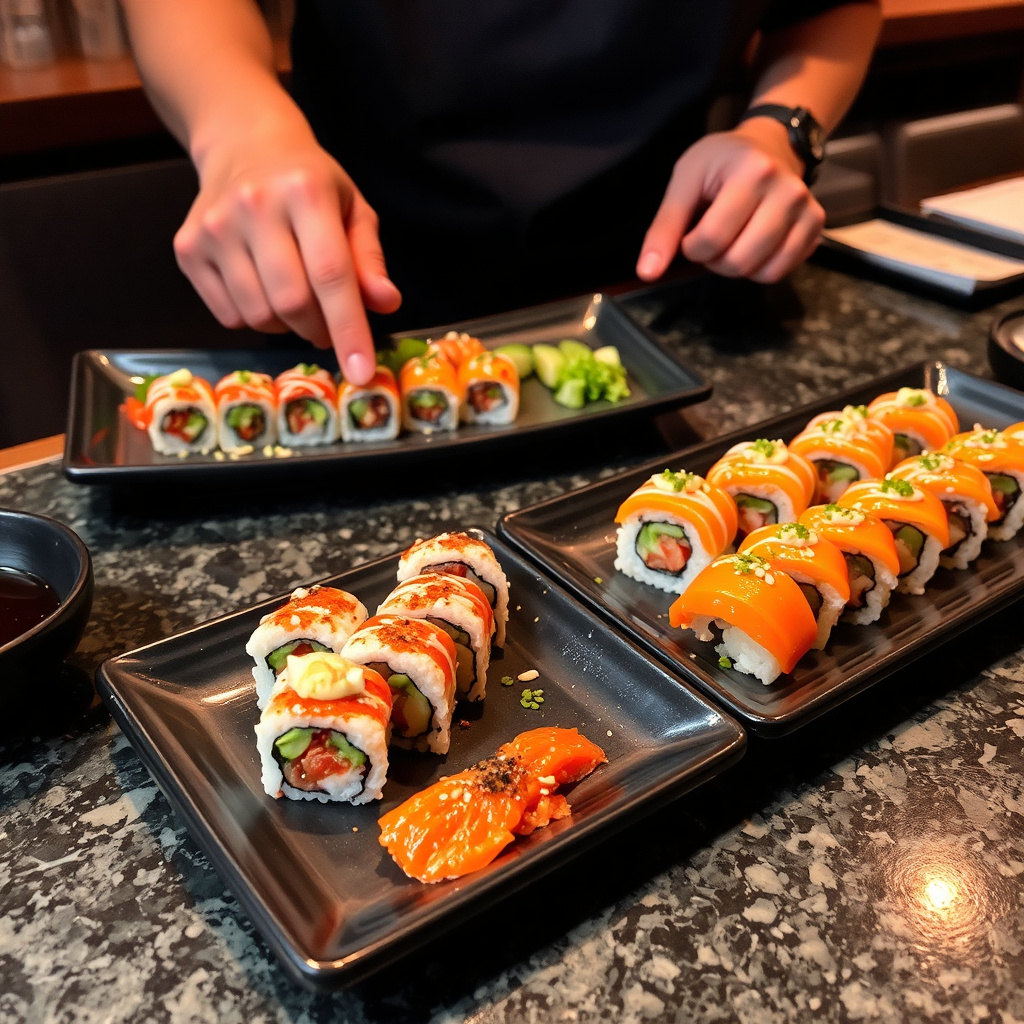
Who Should Choose Spicy Tuna Rolls
If you enjoy bold, spicy flavors and are comfortable with raw seafood, the spicy tuna roll is a great pick. It offers a reasonably healthy dose of lean protein combined with zest and depth. Sushi aficionados and those who want a flavorful punch in their rolls gravitate toward this option.
Be mindful of spice tolerance and check if the roll suits your dietary needs, especially if you limit spicy or raw foods.
For more details on the cultural background of sushi rolls like the California roll, see this detailed California roll history. California roll history.
Who Should Opt for California Rolls
California rolls appeal to sushi beginners, those avoiding raw fish, or anyone preferring milder, creamier tastes. They are approachable for picky eaters and provide a good balance of textures and flavors without overwhelming spice.
This roll is also suitable for people watching fat intake or wanting a gentler sushi introduction.
Spicy Tuna Roll vs California Roll: Key Differences Comparison
The table below highlights the fundamental distinctions between the spicy tuna roll and California roll to assist in making an informed choice.
| Aspect | Spicy Tuna Roll | California Roll |
|---|---|---|
| Main Protein | Raw tuna mixed with spicy mayo | Cooked crab or imitation crab |
| Spice Level | Spicy and bold | Mild, no spice |
| Texture | Smooth raw tuna, soft rice, slight chew from nori | Creamy avocado, crunchy cucumber, soft rice |
| Popularity Among Beginners | Less suitable due to raw fish and spice | Highly suitable for sushi beginners |
| Calories | Higher due to spicy mayo | Lower, healthier fat from avocado |
| Cultural Origin | Modern American-Japanese fusion | Created in California to popularize sushi |
Frequently Asked Questions
Is the spicy tuna roll safe to eat raw?
Yes, the spicy tuna roll uses sushi-grade raw tuna which is handled under strict food safety standards to minimize risks. However, those who are pregnant or have weakened immune systems should avoid raw fish.
Can I make a California roll vegan?
Absolutely. You can replace the crab with ingredients like marinated tofu, mushrooms, or just extra avocado and cucumber to create a vegan-friendly California roll.
Which roll is better for someone new to sushi?
The California roll is generally better for sushi beginners due to its mild flavors and absence of raw fish or spice, making it more approachable.
Can spicy tuna rolls be made less spicy?
Yes, many sushi chefs can adjust the spicy mayo quantity or omit chili to tailor the roll's heat to your preference.
What common allergens are in these rolls?
The spicy tuna roll includes seafood and may contain soy or sesame. The California roll includes shellfish (crab) or imitation crab which contains fish and sometimes gluten. Always check if you have allergies.
Key Takeaways
- Spicy tuna rolls feature raw tuna with spicy mayo for bold flavor and heat.
- California rolls use cooked crab, avocado, and cucumber for a milder taste.
- California rolls suit sushi beginners better, while spicy tuna appeals to experienced sushi eaters.
- Nutritional profiles differ mainly due to sauce and protein types.
Conclusion
Choosing between a spicy tuna roll and a California roll ultimately depends on individual taste, dietary preferences, and sushi experience. If you prefer bold, spicy flavors and enjoy raw seafood, the spicy tuna roll offers a lively, flavorful option with healthy omega-3 benefits. Conversely, the California roll appeals with its creamy texture and mild flavors, making it an excellent choice for newcomers to sushi or those avoiding raw fish and heat. Understanding these differences lets you match a sushi roll to your mood and palate confidently.
For sushi enthusiasts who crave zest and depth, spicy tuna rolls provide an exciting eating experience with variations that can enhance spice or crunch for additional texture. On the other hand, those easing into sushi or looking for a lighter, less intense savory experience will appreciate the California roll’s comforting blend of crab, avocado, and cucumber. Both rolls reflect sushi’s adaptability and richness in flavor profiles, catering to varied preferences and dietary needs.
If you're new to sushi, start with the California roll to acclimate yourself to sushi ingredients and textures, then explore spicy tuna rolls as your palate develops. For regular sushi eaters seeking variety, alternating between these two rolls offers contrast in flavor, spice, and texture. When ordering, consider specifying spice levels or ingredient substitutions to tailor your sushi experience exactly to your liking.