What Is Masago? A Complete Guide to This Popular Sushi Ingredient
Masago is the small, orange roe (eggs) of the capelin fish, frequently used as a sushi topping and an ingredient in Japanese cuisine. Its crunchy texture and mildly salty flavor make it popular for adding a burst of color and taste to dishes like sushi rolls and salads. This roe is notable for being affordable and widely available compared to other fish eggs.
Understanding what masago is matters if you enjoy Japanese food or want to explore sushi ingredients. It is distinct in taste and texture from similar fish roe like tobiko or ikura, offering a subtler flavor profile and smaller eggs. Its uses range from decorative garnishes to flavor enhancers, and it often appears in modern sushi preparations.
This article will explain the origin of masago, its culinary uses, nutritional qualities, how it differs from related fish eggs, and correct storage methods. You’ll also find a comparison with similar sushi toppings and answers to common questions about masago.
Origins and Production of Masago

What Fish Does Masago Come From?
Masago is derived from the capelin, a small forage fish found primarily in the cold waters of the North Atlantic and Arctic Oceans. Capelin spawn in large numbers, making their eggs relatively plentiful for commercial harvest. The roe is harvested carefully to maintain its small, uniform size and vibrant orange color.
The capelin’s life cycle is synchronized with specific seasons, affecting when masago is most available and fresh. Fishermen collect the roe during spawning runs, after which the eggs are processed, washed, salted, and sometimes smoked or flavored before distribution.
How Is Masago Processed and Prepared?
Once harvested, masago undergoes gentle processing to remove impurities and to extend shelf life. It is rinsed in cold water and lightly salted, which preserves the roe without overwhelming its natural flavor. Some producers add small amounts of seasoning or coloring.
Masago is often pasteurized or frozen immediately to maintain freshness during shipping. Importantly, these processes keep the eggs intact and maintain their delicate texture crucial for culinary use.
- Washing and cleaning
- Light salting
- Optional flavoring or coloring
- Freezing or pasteurization
Flavor Profile and Culinary Uses of Masago
Taste and Texture Characteristics
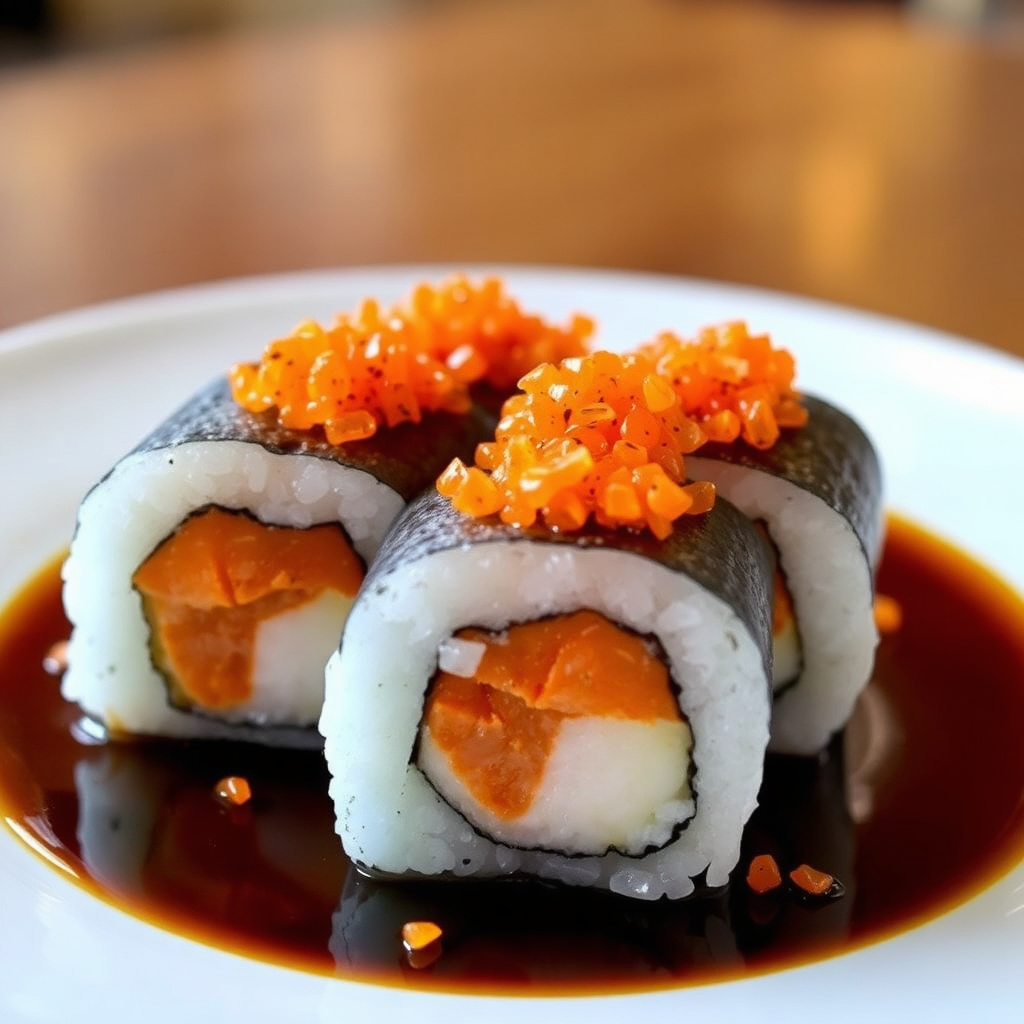
Masago has a subtly salty and slightly sweet flavor that is less intense than tobiko or ikura. Its small egg size gives it a fine crunch that adds texture without overpowering other ingredients. This makes it popular for chefs to incorporate into dishes where a delicate burst of flavor is desired.
Compared to other fish roe, masago's taste is understated, which allows it to complement a wide range of sushi rolls, salads, and seafood dishes without masking the main flavors. The texture is light and almost poppable, ensuring a pleasant mouthfeel.
Common Dishes Featuring Masago
Masago is widely used as a garnish on sushi rolls like California rolls or crunchy rolls to add color and texture. It also appears in spicy mayo sauces, poke bowls, and seafood salads. Some recipes mix masago into dips or use it to top rice bowls for a savory twist.
Its subtle flavor and vibrant appearance make it a favorite for chefs who want to create appealing, multi-textured dishes that highlight fresh fish and rice. Masago also works well in fusion and modern recipes blending Japanese with other culinary styles.
Nutritional Value and Health Considerations

Nutrient Content in Masago
Masago is a nutrient-dense food rich in protein, omega-3 fatty acids, and various vitamins such as vitamin B12 and selenium. It provides a low-calorie boost of essential nutrients that support brain health, immune function, and cardiovascular health.
Like other fish eggs, masago contains healthy fats that help reduce inflammation and promote balanced cholesterol levels. However, its sodium content can be high due to processing, so portion control is advised for individuals monitoring salt intake.
- Protein-rich
- High in omega-3 fatty acids
- Contains vitamin B12 and selenium
- Moderate sodium levels
Allergy and Dietary Notes
Some people may experience allergic reactions to masago if they have fish or seafood allergies. It’s important to be cautious when trying masago for the first time or serving it to guests who may have sensitivities.
Masago is generally suitable for pescatarians but not for vegetarians or vegans. It is gluten-free and low in carbohydrates, making it compatible with various diet plans. Checking ingredient labels is important as some flavored masago products may contain additives.
Masago vs. Other Sushi Fish Roe

Comparing Masago and Tobiko
Masago and tobiko are often confused because both are orange fish roe used in sushi, but they come from different fish and differ in size and flavor. Tobiko is the roe of flying fish, larger and crunchier with a more robust taste compared to the smaller, milder masago.
Tobiko often features vibrant colors including red, green, and black due to natural and artificial coloring, adding visual variety. Masago maintains a more muted orange hue and typically has a finer texture, making it preferable for subtle sushi presentations.
- Masago: capelin roe, smaller, mild flavor
- Tobiko: flying fish roe, larger, more intense flavor
How Masago Differs From Ikura and Caviar
Ikura, or salmon roe, features much larger orange eggs with a jelly-like burst when eaten, providing a strong fish flavor often enjoyed on its own or as a topping. Masago’s smaller eggs offer less intense taste and crunchier texture.
Caviar, usually sturgeon roe, is luxurious and expensive with a distinct buttery flavor and large eggs. Masago is more affordable and casual in comparison, making it a common choice for everyday sushi rather than gourmet experiences.
- Ikura: large, bursting eggs, strong flavor
- Caviar: luxury sturgeon eggs, buttery taste
- Masago: small, crunchy, mild flavor
Storage and Handling Tips for Masago

Proper Refrigeration and Shelf Life
Fresh masago should be kept in the coldest part of the refrigerator at temperatures below 40°F (4°C) to maintain freshness and texture. Properly stored, it can last about one week unopened, and should be consumed promptly once opened to avoid spoilage.
Always keep masago tightly sealed to prevent exposure to air, which can dry out the roe and cause off-flavors. Avoid leaving it at room temperature for extended periods, as this accelerates degradation.
Freezing and Thawing Masago
Masago can be frozen if you want to extend its shelf life beyond refrigeration. Use airtight containers or vacuum-sealed bags to prevent freezer burn and preserve texture. When thawing, do so slowly in the refrigerator rather than at room temperature to keep the integrity of the eggs.
Repeated freezing and thawing is not recommended because it damages the texture, causing the eggs to become mushy. Use frozen masago within two to three months for best quality.
- Freeze in airtight containers
- Thaw slowly in refrigerator
- Avoid multiple freeze-thaw cycles
Buying Guide: Selecting Quality Masago

What to Look for When Purchasing
Prioritize bright, evenly colored masago without dull spots, discoloration, or clumps, as these indicate freshness and quality. The roe should feel firm and slightly moist but not slimy or dry. Avoid packages with excessive liquid or strong fishy odors.
Check labels for additives or artificial coloring if you prefer natural products. Organic or sustainably sourced masago options are now available and may appeal to health-conscious shoppers.
For more detailed information about masago, its origin, and usage, you can visit the Masago page on Wikipedia. Masago on Wikipedia.
Best Places to Buy Masago
Specialty Asian markets and high-quality fishmongers commonly sell fresh masago. Some grocery stores with sushi sections also stock it, often in pre-packaged form. For convenience, online retailers offer frozen or vacuum-packed masago for direct delivery.
Buying from reputable sources ensures better freshness and safer handling. If possible, ask sellers about the origin and processing date to confirm quality.
- Specialty sushi shops
- High-quality seafood markets
- Trusted online suppliers
Fish Roe Comparison: Masago vs. Tobiko vs. Ikura vs. Caviar
Here’s an overview comparing popular fish roe used in sushi and other dishes across key features.
| Type | Fish Origin | Egg Size | Flavor Profile | Common Uses | Price Range |
|---|---|---|---|---|---|
| Masago | Capelin | Small (0.5-0.8 mm) | Mild, slightly salty | Sushi topping, sauces | Low |
| Tobiko | Flying fish | Medium (0.8-1.2 mm) | Stronger, crunchy | Sushi garnish, colored roe | Moderate |
| Ikura | Salmon | Large (3-5 mm) | Strong, bursting | Sushi, garnishes | Moderate to high |
| Caviar | Sturgeon | Medium-large (2-4 mm) | Buttery, rich | Gourmet dishes | High to luxury |
Frequently Asked Questions
Is masago safe to eat raw?
Yes, masago is typically processed and salted to be safe for raw consumption, making it a common ingredient in sushi without cooking.
Can masago be a substitute for tobiko?
Masago can substitute for tobiko in recipes but offers a milder taste and smaller eggs; the texture and flavor will be slightly different.
How long does masago last refrigerated?
Refrigerated masago usually lasts about one week unopened but should be consumed quickly once opened for best taste and safety.
Does masago contain any allergens?
Masago contains fish protein and may trigger allergies in sensitive individuals. Those with fish or seafood allergies should avoid it.
Is masago gluten-free?
Naturally, masago is gluten-free. However, always check packaged product labels, as some may contain additives with gluten.
Key Takeaways
- Masago is the capelin fish roe, prized for its mild flavor and crunchy texture.
- It is a common sushi ingredient used for garnish, flavor, and texture enhancement.
- Masago differs from tobiko and ikura by size, taste, and egg texture.
- Proper storage and quality checking ensure the best masago experience.
Conclusion
Choosing whether to include masago in your meals hinges largely on appreciating its unique qualities—small, crunchy eggs with a subtle salty flavor that enhance various dishes, particularly sushi. Understanding how masago differs from similar fish roe such as tobiko and ikura helps you make informed decisions about taste preferences and presentation style. This knowledge aids in selecting the right roe to match your culinary needs or dining experiences, considering texture, flavor intensity, and nutritional benefits.
For those seeking everyday affordability and gentle flavor, masago is the ideal choice—especially on rolls like California or spicy tuna. Meanwhile, tobiko offers a bolder crunch and more vivid color options when you want a pop of texture. If you prefer large, juicy eggs with strong fishiness, ikura is your go-to. Caviar occupies the premium segment with rich buttery qualities for gourmet usage. Matching the roe type to your dish context and budget ensures satisfaction and appropriate flavor balance.
Before buying masago, consider freshness indicators and purchase from trusted retailers or specialty shops to maximize quality. Store it cold and consume within recommended times to enjoy its peak texture and flavor. Whether you’re experimenting in home cooking or ordering sushi out, recognizing what masago is and how to use it elevates your appreciation of sushi artistry and seafood delicacies.


2 Comments