What Is Tempura? A Complete Guide to Japan’s Beloved Crispy Dish
Tempura is a popular Japanese dish known for its light, crispy batter that coats vegetables, seafood, and sometimes meats. It originated when Portuguese missionaries introduced frying techniques to Japan in the 16th century. Today, tempura is enjoyed worldwide as a delicious, golden-fried treat.
The appeal of tempura lies in its delicate crunch and subtle flavor, which highlights the freshness of the ingredients rather than overpowering them. It's a staple in Japanese cuisine, served in restaurants from street stalls to high-end establishments, often accompanied by dipping sauces and rice.
This article will cover what tempura really is, its history, the types of ingredients used, preparation techniques, how to enjoy it traditionally, and tips for making crisp tempura at home. Whether you're new to Japanese food or a longtime fan, this guide offers insight into tempura's unique texture and taste.
History and Origins of Tempura

Portuguese Influence in 16th Century Japan
Tempura was introduced to Japan during the 1500s through Portuguese missionaries who brought new cooking methods, including deep-frying in batter. The Japanese adapted this technique using local ingredients and flavors, forming what is now known as tempura.
This fusion created a distinct dish that was lighter and more delicate than typical Western fried foods, aligning with Japan’s culinary preferences for subtlety and texture.
Evolution in Japanese Cuisine
Over time, tempura became ingrained in Japanese dining culture, especially during the Edo period where it flourished as street food in Tokyo. It was initially popular during fasting days because it avoided meat and heavy flavors.
Today, tempura is a refined dish offered in specialized restaurants, often served alongside soba or udon noodles and dipping sauce called tentsuyu.
Understanding Tempura Batter and Ingredients
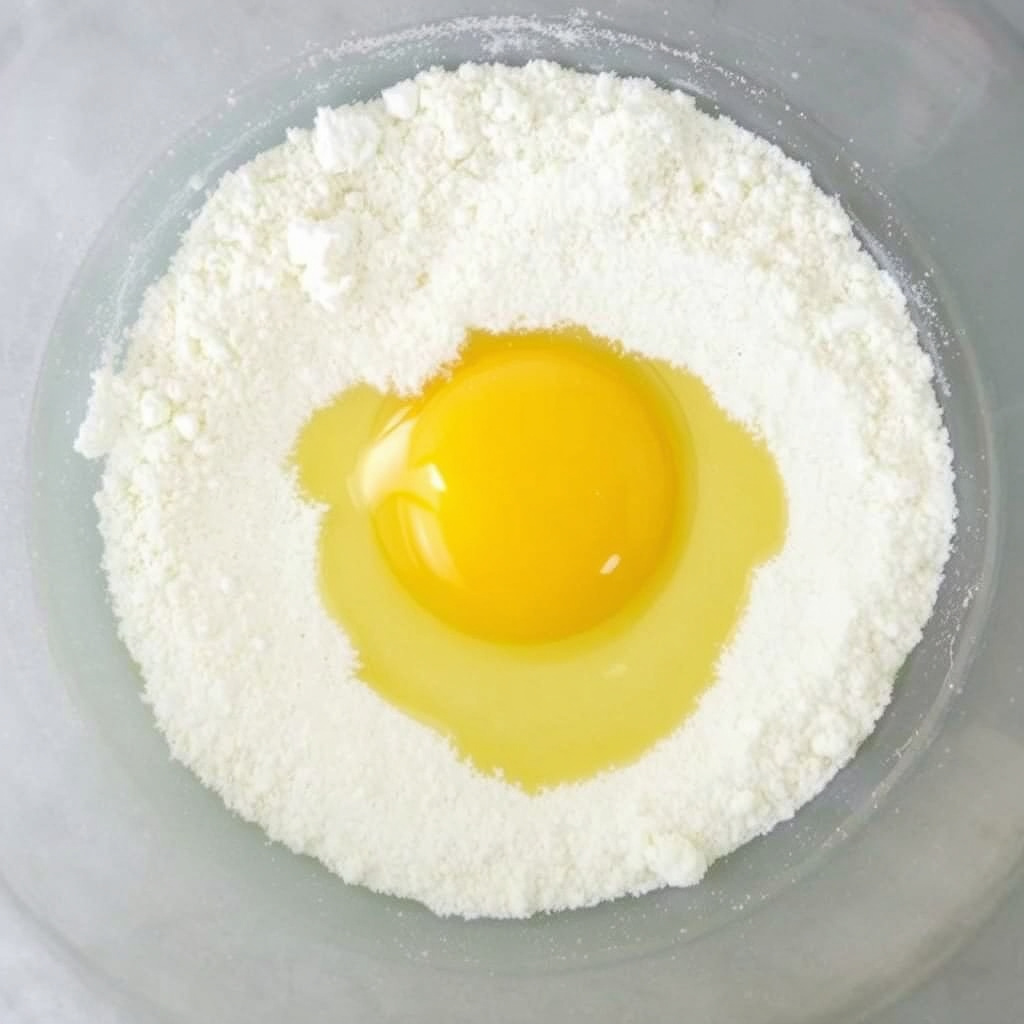
Key Ingredients of Tempura Batter
Tempura batter is traditionally made from cold water, wheat flour, and egg. The cold water slows gluten formation, keeping the batter light and crispy after frying. Minimal mixing avoids activating gluten, resulting in a lacy texture.
Many chefs avoid using baking powder or heavy flour as these change the lightness. Some variations use rice flour to increase crispiness or add sparkling water for extra lift.
- Cold water for batter crispiness
- All-purpose wheat flour or rice flour
- Egg (sometimes yolk only or whole)
- Optional sparkling water
For more on this, see our related guide: What Is a Spicy Tuna Roll? A Clear Guide to This Popular Sushi Dish.
Popular Tempura Fillings
Common ingredients for tempura include shrimp, white fish, squid, sweet potato, eggplant, shiitake mushrooms, and green beans. These are selected for their texture and flavor that complement the crispy batter.
Seasonal vegetables like kabocha squash or asparagus are also popular in different regions of Japan. Tempura is prized for showcasing natural umami and freshness.
- Shrimp (ebi)
- Sweet potato (satsumaimo)
- Kabocha squash
- Eggplant
- Shiitake mushrooms
- Green beans
How to Make Tempura at Home
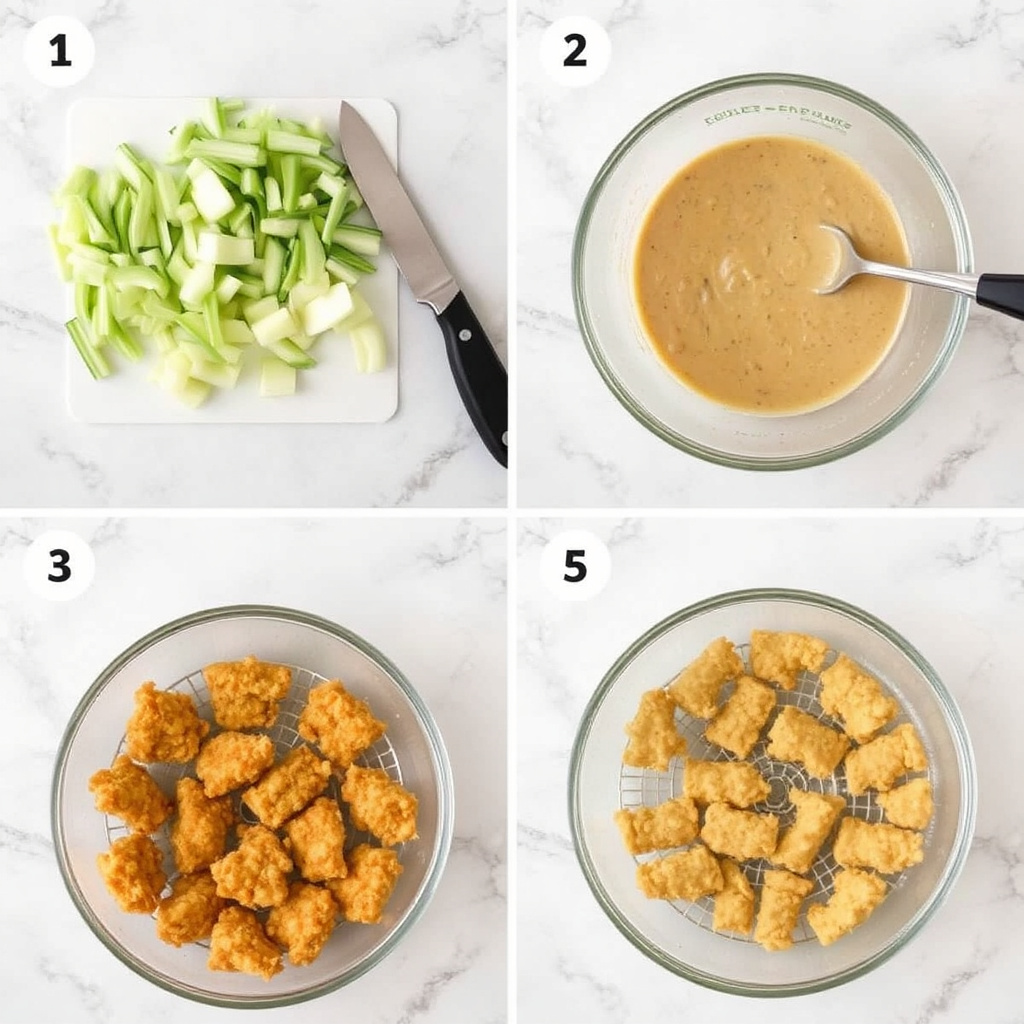
Preparing Ingredients and Batter
Start by slicing vegetables and seafood uniformly to ensure even cooking. Keep ingredients dry by patting them with paper towels to avoid oil splatter during frying.
Mix ice-cold water with egg and sifted flour gently in a bowl. Avoid overmixing; it’s okay to have some clumps. Maintain the batter cold by placing the bowl in a larger bowl with ice.
- Slice ingredients evenly
- Dry ingredients thoroughly
- Use ice-cold water for batter
- Mix batter lightly
Frying and Serving Tips
Heat vegetable oil to approximately 170–180°C (340–355°F). Dip ingredients into batter and fry for 2-3 minutes until pale golden. Avoid overcrowding the pan which lowers oil temperature and causes greasiness.
Place fried tempura on paper towels to drain excess oil. Serve immediately with tentsuyu sauce and grated daikon. Crispness is best right after frying.
- Maintain oil temperature
- Fry in small batches
- Drain excess oil
- Serve hot with dipping sauce
Serving Tempura Traditionally and Modern Variations

Classic Tempura Presentations
Traditionally, tempura is served with tentsuyu dipping sauce made from dashi, soy sauce, and mirin. Accompaniments may include grated daikon radish to add freshness and rice or udon as fillers.
Tempura can be served as a main dish, part of a set meal (teishoku), or as toppings over noodle bowls (tendon). Presentation focuses on balance and harmony with other meal elements.
For more on this, see our related guide: What Is a Dragon Roll? A Complete Guide to This Popular Sushi Roll.
Contemporary and International Styles
Many chefs experiment with tempura by incorporating diverse ingredients like cheese, shiso leaves, or exotic seafood. Fusion restaurants use tempura batter for tacos or burgers giving a crispy crunch.
Western adaptations sometimes include thicker batter or baked versions for healthier options, though traditionalist purists prefer the original lightness.
Nutritional Profile and Health Considerations

Calories and Fat Content in Tempura
Tempura is calorie-dense due to deep-frying, with fat content varying depending on the oil used and ingredients. Shrimp tempura typically contains about 120-150 calories per piece, while vegetable tempura is slightly less.
Using vegetable oil with higher smoke points like canola or peanut oil reduces unhealthy oxidation and maintains flavor during frying.
For further reading about tempura's history and cultural significance, you can visit the detailed Tempura page on Wikipedia. Tempura on Wikipedia.
Tips for Healthier Tempura Preparation
To reduce oil absorption, ensure oil temperature remains steady and fry quickly. Using air-fryers or shallow frying with light batter are alternatives some use at home for healthier choices.
Pair tempura with fresh vegetables, avoid excessive sauce quantities, and consume in moderation as part of a balanced diet.
- Use high-quality oil with a high smoke point
- Maintain consistent frying temperature
- Try air-frying for lower fat
- Eat tempura alongside fresh salads
Tempura Types and Preparation Methods Comparison
This table compares different types of tempura and their preparation styles based on batter, frying temperature, common ingredients, and texture.
| Type | Batter Composition | Frying Temperature | Common Ingredients | Texture |
|---|---|---|---|---|
| Classic Japanese Tempura | Cold water, wheat flour, egg | 170-180°C | Shrimp, sweet potato, eggplant | Light, crispy, delicate |
| Rice Flour Tempura | Rice flour, water, egg | 175°C | Vegetables, seafood | Extra crispy, slightly grainy |
| Air-Fried Tempura | Similar to classic batter | Air frying 200°C | Mixed vegetables | Less oily, moderately crispy |
| Western-Style Thick Batter | Wheat flour, baking powder, milk | 160°C | Chicken, cheese, vegetables | Heavier, crunchy, thicker |
| Fusion Tempura | Varies with sparkling water or added spices | 170°C | Unusual proteins like squid ink | Light with varied texture |
Frequently Asked Questions
What makes tempura batter so light and crispy?
The cold water in the batter slows gluten formation and minimal mixing prevents toughening, resulting in a light, lacy texture after frying.
Can I use regular flour to make tempura?
Yes, all-purpose wheat flour is commonly used. Some variations substitute rice flour for extra crispiness.
What dipping sauce is traditionally served with tempura?
Tentsuyu sauce, made from dashi broth, soy sauce, and mirin, is the classic dipping sauce for tempura.
Is tempura considered healthy?
Tempura is fried food and high in fat, but when prepared with proper oil and eaten in moderation alongside vegetables, it can fit into a balanced diet.
How long should I fry tempura pieces?
Typically, frying tempura takes about 2 to 3 minutes until the batter turns pale golden and crispy.
Key Takeaways
- Tempura is a Japanese dish featuring lightly battered and crispy-fried seafood and vegetables.
- Its batter uses cold water and minimal mixing for a delicate texture.
- Traditional tempura is served with tentsuyu dipping sauce and rice or noodles.
- Maintaining correct oil temperature is essential for optimal crispiness.
Conclusion
Choosing how to enjoy tempura involves understanding its unique batter preparation and frying techniques that produce its signature light crunch. Paying attention to ingredient freshness and oil temperature ensures the characteristic texture and flavor distinctive of authentic tempura. Whether dining out or making it yourself, appreciating these elements enhances the experience.
For home cooks, familiarizing yourself with different types of tempura batter—classic wheat flour or rice flour variants—and mastering frying temperatures between 170–180°C leads to satisfying results. Those seeking lighter meals can try air-fried versions, while purists may prefer traditional shrimp or vegetable tempura with tentsuyu sauce. Balancing tempura with steamed rice or noodles complements the dish.
To start preparing tempura at home, gather fresh seafood and seasonal vegetables, keep batter cold, and avoid overmixing to keep it airy. Heat your oil steadily and fry in small batches. Enjoy your tempura immediately for best texture. If you want to explore deeper, visiting a specialized tempura restaurant can reveal regional flavors and presentation styles that expand your appreciation of this iconic dish.