What Is Nori? A Complete Guide to This Popular Seaweed
Nori is a type of edible seaweed commonly used in Japanese cuisine, especially for wrapping sushi rolls. It consists of thin, dried sheets made primarily from species of red algae. Nori has a distinctive umami flavor and provides various nutrients such as vitamins, minerals, and protein.
Because of its rich nutrient content and unique taste, nori has become popular worldwide beyond traditional sushi making. Its versatility extends to snacks, garnishes, and even seasoning flakes. Nutritional and culinary curiosity have increased its usage among health-conscious consumers and food enthusiasts.
This article unpacks everything you might want to know about nori—from what it is, how it’s produced, its culinary applications, to health benefits and buying tips. By understanding more about this edible seaweed, you can confidently include it in your meals or choose the best type for your cooking.
What Is Nori? Understanding the Seaweed Basics
Origins and Species Behind Nori
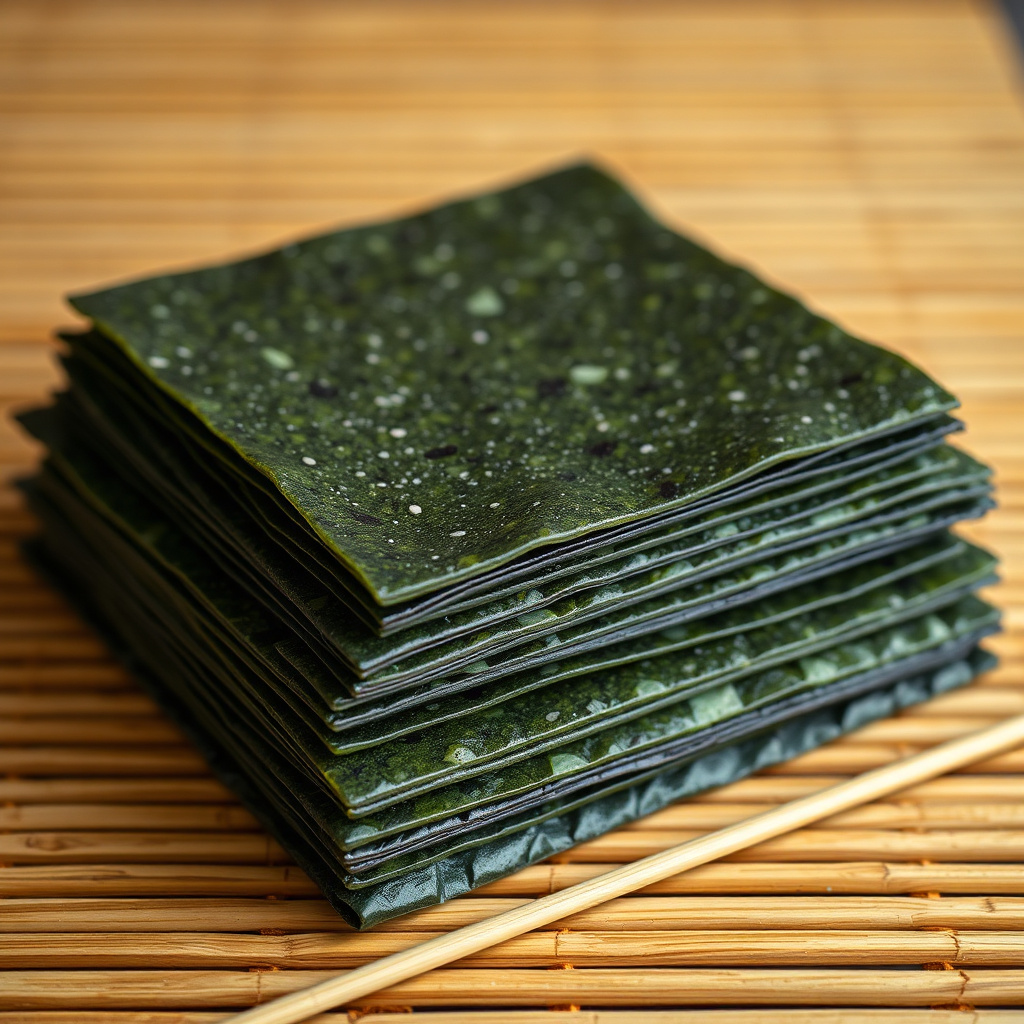
Nori primarily comes from red algae species like Porphyra yezoensis and Porphyra tenera, cultivated traditionally in East Asia for centuries. These species are harvested and processed into thin sheets that appear dark green to black once dried.
The natural growth cycle and marine environment where the algae flourish affect nori's texture and flavor profile. Japan, Korea, and China are the leading producers, with Japan most recognized for refining nori processing methods.
How Nori Is Made from Seaweed
The production involves harvesting the algae, washing, shredding, and suspending it in water to create a slurry. This slurry is then spread thinly and dried under sunlight or controlled conditions to form uniform sheets.
These sheets are subsequently roasted or toasted before packaging, which enhances flavor and extends shelf life. The delicate drying and roasting stages give nori its characteristic crispy texture and umami taste.
Nutritional Profile and Health Benefits of Nori

Key Nutrients Found in Nori
Nori is packed with essential vitamins such as A, B12, and C, as well as minerals like iodine, iron, and calcium. It also provides protein with all nine essential amino acids, making it valuable in plant-based diets.
This seaweed offers dietary fiber that supports digestion and low calories, making it a nutrient-dense food option often used in snacks and meals for added nutrition.
- Vitamins A, B12, C
- Minerals: iodine, iron, calcium
- Complete protein
- Dietary fiber
Health Advantages and Potential Considerations
Eating nori regularly may support thyroid health due to its iodine content and promote antioxidant protection with its vitamins. It might also aid metabolism and improve gut health.
However, excessive consumption can lead to very high iodine intake, which may not suit everyone. It’s advisable for people with thyroid conditions to consult a healthcare provider before frequent use.
Culinary Uses: How to Incorporate Nori in Your Cooking

Traditional Japanese and Asian Dishes with Nori
Nori is best known as a wrap for sushi rolls, providing structural support and a savory flavor. It’s also used in onigiri rice balls, miso soup toppings, and as garnishes for noodles and rice dishes.
Its subtle salty taste enhances seafood and vegetable dishes and is a versatile pantry staple in Asian cuisine, contributing texture and umami.
For more on this, see our related guide: What Is a Spicy Tuna Roll? A Clear Guide to This Popular Sushi Dish.
Creative and Modern Uses of Edible Seaweed
Beyond classic recipes, nori is now popular as crunchy snacks, added to salads as flakes, blended into powders for seasoning, or even in fusion cuisines such as wraps and burgers.
Chefs and home cooks alike experiment with nori to add nutritional value and distinctive flavor to non-traditional dishes, including smoothies and soups.
How to Buy and Store Nori Sheets

Selecting Quality Nori at the Market
High-quality nori sheets are uniformly dark, glossy, and crisp without brittleness. Look for brands that specify the species and processing method to ensure freshness.
Avoid packages with damaged or discolored sheets, as this could indicate poor storage or age. Organic or sustainably harvested labels can also guide choices.
- Check for intact, dark green to black sheets
- Prefer reputable brands with clear labeling
- Look for organic certification
Proper Storage to Maintain Freshness
Store nori sheets in an airtight container away from moisture and light to prevent them from becoming soggy or brittle. Refrigeration after opening often extends shelf life.
Avoid exposure to humidity or air, which degrades texture and flavor quickly. Keep packages sealed tightly for best results.
- Use airtight containers
- Keep away from humidity
- Refrigerate after opening
Environmental Impact and Sustainability of Nori Farming

Environmental Benefits of Seaweed Cultivation
Nori farming is relatively eco-friendly since seaweed cultivation absorbs CO2 and nutrients from water, reducing ocean acidification and improving marine ecosystems.
It does not require fertilizers, freshwater, or land clearing, which lowers environmental strain compared to land agriculture crops.
For more on this, see our related guide: What Is a Philadelphia Roll? A Complete Guide to This Popular Sushi Roll.
Challenges in Sustainable Nori Production
Despite its benefits, intensive nori farming can disrupt local ecosystems if poorly managed and may cause issues like shading of natural habitats or waste buildup.
Sustainable farming methods, certification, and responsible harvesting help minimize these risks while supporting the growing demand for this edible seaweed.
Comparing Nori with Other Edible Seaweeds

Differences in Texture and Flavor
Nori sheets have a crispy texture when dry and a savory, slightly salty umami flavor. By contrast, wakame is softer and more delicate, commonly in soups, while kombu is thick and used for broth making.
Each seaweed variety suits different culinary uses due to these unique characteristics.
For a detailed background on nori, including its history and varieties, you can refer to Nori on Wikipedia. Nori on Wikipedia.
Nutritional Distinctions Among Seaweed Types
Nori is rich in protein and vitamins like B12, making it especially important for plant-based diets. Kombu offers higher iodine and mineral content but less protein.
Understanding these differences helps in selecting seaweed that meets specific dietary needs.
Nori vs Other Popular Edible Seaweeds Comparison
The table below compares key characteristics of nori alongside other widely consumed edible seaweeds like wakame and kombu, helping you choose the right one for your needs.
| Seaweed Type | Texture | Flavor Profile | Common Use | Nutritional Highlights |
|---|---|---|---|---|
| Nori | Thin, crispy sheets | Umami, slightly salty | Sushi wraps, snacks, garnishes | High protein, vitamin B12, iodine |
| Wakame | Soft, delicate | Mild, slightly sweet | Soups, salads | Rich in calcium, vitamins A and C |
| Kombu | Thick, leathery | Strong, savory, mineral-rich | Broth, stews | High iodine, minerals, some protein |
| Dulse | Chewy flakes or strips | Salty, slightly spicy | Snacks, seasoning | Rich in potassium, magnesium |
Frequently Asked Questions
Is nori safe to eat every day?
Eating nori daily in moderate amounts is generally safe and nutritious. However, due to its iodine content, excessive intake might affect thyroid function in sensitive individuals.
Can nori be used in vegan diets?
Yes, nori is entirely plant-based and an excellent source of vitamins, minerals, and protein for vegan and vegetarian diets.
How should nori be stored once opened?
After opening, keep nori sheets sealed in an airtight container, preferably refrigerated, to maintain crispness and prevent moisture damage.
What dishes besides sushi use nori?
Nori is also popular in onigiri rice balls, soups as garnish, salads with flakes, snacks, and as seasoning in various Asian and fusion cuisines.
Does nori contain gluten?
Pure nori is naturally gluten-free, making it suitable for gluten-sensitive diets, but always check packaging for added ingredients.
Key Takeaways
- Nori is a dried seaweed primarily used in Japanese cuisine for sushi and snacks.
- It offers significant nutritional benefits including protein, vitamins, and iodine.
- Quality nori should be dark, crisp, and stored in airtight containers.
- Nori farming has environmental benefits but requires sustainable practices.
Conclusion
Choosing to include nori in your diet means understanding both its culinary appeal and nutritional value. This edible seaweed offers a unique umami flavor and a host of vitamins and minerals that support various aspects of health. Approaching your choice thoughtfully involves considering product quality, storage techniques, and intake moderation, especially regarding iodine sensitivity.
For those interested in traditional Japanese dishes, high-quality nori sheets provide unmatched versatility, from sushi to rice balls. If seeking an easy way to enrich meals with nutrients, incorporating nori flakes or snacks can be very effective. Comparing options like wakame or kombu may also help tailor your seaweed choices to taste preferences and nutritional goals, but nori stands out for its protein content and vibrant flavor.
To begin exploring nori, try purchasing fresh, well-packaged sheets from trusted sources and experiment with simple recipes like sushi rolls or garnishes. As you grow comfortable, consider adding nori to smoothies, salads, or soups to benefit from its edible seaweed benefits. Always store it properly and consume in balanced amounts to best enjoy all that nori has to offer.