Where Did Sweet and Sour Pork Originate? Tracing the Roots of a Classic Dish
Sweet and sour pork originated in China, specifically in Cantonese cuisine, where it became a hallmark dish known for its vibrant combination of flavors. It first gained popularity in the Guangdong province, where cooks mastered balancing sweetness with tanginess using local ingredients like vinegar and sugar alongside pork.
This dish holds an important place in traditional Chinese cuisine because it showcases the harmonious blend of contrasting tastes that characterize southern Chinese cooking. Over time, sweet and sour pork spread beyond its Cantonese roots, adapting to local tastes and reaching global popularity, particularly in Chinese restaurants worldwide.
This article will explore the historical background of sweet and sour pork, how it developed within Cantonese kitchens, the variations found today, and the cooking techniques that define it. By tracing its origin, you’ll gain insight into both the cultural and culinary significance of this enduring dish.
Historical Background of Sweet and Sour Pork

Early Chinese Culinary Traditions Influencing Sweet and Sour Pork
The roots of sweet and sour flavor combinations can be traced to ancient Chinese culinary practices, where pairing contrasting tastes was both an art and a way to stimulate the appetite. Early recipes involved fermenting and seasoning pork with natural sweeteners and souring agents, creating dishes that balanced these flavor profiles.
Southern Chinese regions like Guangdong were particularly influential due to abundant access to sugar, vinegar, and fresh pork. This facilitated the creation of dishes where layering flavors became the norm, setting the stage for what we now recognize as sweet and sour pork.
Role of Cantonese Cuisine in Popularizing the Dish
Cantonese cuisine is known for its subtle, fresh flavors and innovative use of sauces, which led to sweet and sour pork becoming a signature dish within the style. It combined crispy pork pieces with a tangy, thick sauce crafted from sugar, vinegar, tomato, and occasionally pineapple.
As trade expanded and regional dishes spread to other parts of China and eventually the world, Cantonese sweet and sour pork became a culinary ambassador, adapting to various ingredients and dining preferences while maintaining its distinct flavor balance.
Ingredients That Define Sweet and Sour Pork

Core Ingredients in Traditional Recipes
The traditional sweet and sour pork uses lean cuts of pork, typically from the loin or shoulder, battered and deep-fried to a crispy texture. The signature sauce blends sugar, white or black vinegar, ketchup or tomato paste, soy sauce, and sometimes pineapple juice to create a glossy, balanced coating.
Vegetables like bell peppers, onions, and pineapple chunks often complement the dish, contributing to the texture and harmonious flavor experience. Each ingredient plays a specific role in delivering both the sweetness and tanginess that define the dish.
- Lean pork loin or shoulder
- Sugar and vinegar for the sauce
- Ketchup or tomato-based elements
- Pineapple and bell peppers
Variations in Ingredients Across Regions
Different regions introduce variations by swapping sweeteners or adjusting souring agents; some use black vinegar for depth, others add fruits like apricot or orange. In Western interpretations, pineapple is far more common, while authentic Cantonese versions emphasize a clean balance without overwhelming fruity sweetness.
Other variants might incorporate cornstarch or rice wine in the batter or sauce, influencing the texture and flavor, reflecting local tastes and ingredient availability.
Cooking Techniques for Sweet and Sour Pork

Preparing the Pork: Cutting and Batter
Pork is typically cut into uniform bite-sized pieces to promote even cooking. The batter often includes egg, cornstarch, rice flour, and water to achieve a light crispy coating once fried. This crispy texture contrasts with the smooth sauce, making the dish more delicious.
Marinating the pork briefly before battering enhances tenderness and flavor, commonly using a mix of soy sauce, rice wine, and salt. The double-frying method is sometimes employed to maintain crispiness even after sauce coating.
- Uniform pork pieces
- Light batter with cornstarch
- Optional marinating before frying
- Double frying for extra crispiness
Making the Sweet and Sour Sauce
The sauce is made by combining sugar with vinegar and savory tomato elements, cooked over medium heat until thick and glossy. Adjusting the balance of sugar and vinegar is key to match personal and regional preferences.
Enhancers like garlic, ginger, and soy sauce contribute complexity. The sauce must coat the pork completely without overpowering it, creating a harmonious flavor blend that excites the palate.
Global Influence and Adaptations of Sweet and Sour Pork
Western-Style Sweet and Sour Pork Variations
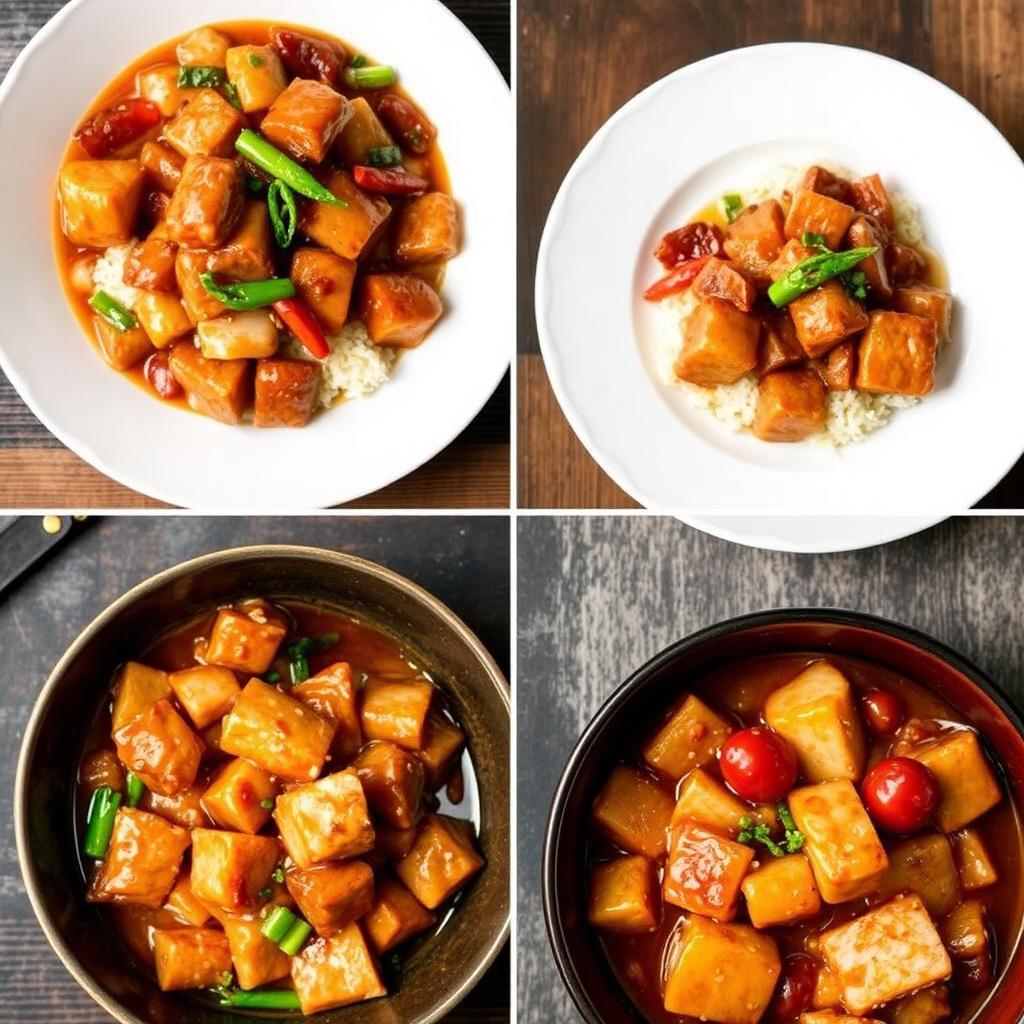
In Western countries, sweet and sour pork has been adapted to suit local tastes, often featuring a heavier emphasis on sweetness and more prominent use of pineapple chunks and bell peppers. The sauce is sometimes sweeter and thicker than traditional versions to appeal to a broader audience.
These adaptations often form part of American Chinese, British Chinese, or other ethnic Chinese restaurant menus, giving rise to unique local interpretations that differ from the dish’s original Cantonese roots.
Regional Chinese Variants and Their Characteristics
Within China, sweet and sour pork variations exist outside Guangdong, though often less sweet and with distinct regional tweaks. For example, some northern styles use different souring agents and incorporate local vegetables, bringing subtle changes to taste and texture.
Though the core concept of balancing sweet and sour remains, highlights include different thickness levels of sauce and alternative serving methods, reflecting the diversity of Chinese culinary traditions.
Pairing Sweet and Sour Pork in Meals

Traditional Accompaniments in Cantonese Cuisine
Traditionally, sweet and sour pork is served with plain steamed rice which balances the flavors and textures of the dish. It might be accompanied by simple stir-fried greens or broth-based soups, complementing the richness of the pork and the tangy sauce.
This pairing highlights the interplay between protein, starch, and vegetable elements in a well-rounded meal, typical of Cantonese dining.
Modern and International Serving Suggestions
Outside China, sweet and sour pork is often paired with fried rice or noodles and sometimes served as part of family-style meals with multiple dishes. Ingredients like fortune cookies or chopsticks become part of the experience, blending cultural elements.
Creative variations suggest pairing it with salads or even in wraps to adapt to fast-casual dining trends while preserving the signature flavor combination.
Nutritional Insights and Health Considerations

Caloric and Nutritional Profile of Sweet and Sour Pork
Sweet and sour pork is calorie-dense due to the deep-fried pork and sugar-rich sauce. A typical restaurant serving can range between 400-600 calories depending on portion size and preparation method.
It provides protein from the pork but also significant fats and carbohydrates from frying and sugar, so moderation is advised for health-conscious diners.
For more detailed historical and culinary information, refer to the Sweet and sour pork Wikipedia article. Sweet and sour pork on Wikipedia.
Healthier Preparation Techniques
Healthier versions use baked or air-fried pork instead of deep-frying and reduce sugar content in the sauce. Incorporating more vegetables and using natural sweeteners can lower glycemic impact while preserving taste.
Substituting white rice with whole grains or serving with more steamed vegetables can improve the overall nutritional balance of the meal.
- Air frying instead of deep frying
- Reduced sugar in sauce
- More vegetables in the dish
- Whole grain rice as side
Sweet and Sour Pork Regional Origin Comparison
The following table compares sweet and sour pork across its main regional styles, focusing on flavor balance, ingredients, and preparation.
| Region | Flavor Profile | Key Ingredients | Preparation Style | Sauce Characteristics |
|---|---|---|---|---|
| Cantonese (Guangdong) | Balanced sweet and sour | Pork, vinegar, sugar, ketchup, pineapple | Battered deep-fried pork | Light, glossy, tangy-sweet |
| Northern China | Less sweet, more savory | Pork, vinegar, local veggies | Pan-fried or stir-fried pork | Thicker sauce, more sour |
| Western Adaptations | Sweeter, fruitier | Pork, high sugar, pineapple, bell peppers | Deep-fried pork | Thick, syrupy, sweeter |
| Hong Kong | Balanced with subtle sour | Pork, light vinegar, sugar, tomato paste | Light batter, fried | Smooth, medium-thick sauce |
Frequently Asked Questions
Is sweet and sour pork an authentic Chinese dish or a Western invention?
Sweet and sour pork is an authentic Chinese dish originating from Cantonese cuisine. While Western versions adapt this dish with local tastes, its roots are firmly in traditional Chinese cooking.
What type of vinegar is traditionally used in sweet and sour pork?
Traditional recipes typically use white vinegar or black vinegar to add tanginess. Each gives the sauce a slightly different flavor depth depending on regional variations.
Can sweet and sour pork be made healthier?
Yes, healthier versions use baking or air frying instead of deep frying and reduce sugar in the sauce. Adding more vegetables and choosing whole grain sides also improves nutrition.
Why is pineapple often included in sweet and sour pork recipes?
Pineapple adds natural sweetness and acidity, enhancing the balance of flavors. Its use varies by region, being more common in Western adaptations than in traditional Cantonese versions.
What cut of pork is best for making sweet and sour pork?
Lean cuts like pork loin or shoulder are preferred for their tender texture and ability to hold the batter well during frying.
Key Takeaways
- Sweet and sour pork originated in Cantonese cuisine with a balanced tangy and sweet sauce.
- The dish uses crispy battered pork paired with a glossy sauce made from sugar, vinegar, and tomato elements.
- Western adaptations tend to be sweeter and include more fruit like pineapple.
- Healthier options involve air frying and reducing sugar while adding more vegetables.
Conclusion
Understanding where sweet and sour pork originated sheds light on how the dish blends flavor and technique to create a satisfying experience. Rooted in the Cantonese tradition, it reflects the culinary values of balancing taste and texture. When choosing or preparing this dish, recognizing its heritage helps appreciate the delicate balance that defines its character.
For those wanting an authentic experience, seeking Cantonese-style sweet and sour pork—with its lighter, balanced sauce and crispy, well-prepared pork—offers an excellent standard. Western-style versions, while often sweeter and thicker, appeal to different palates but stray somewhat from the traditional approach. Depending on your taste, you can decide whether to explore regional Chinese variants or international adaptations.
If you are interested in tasting or making sweet and sour pork, start with recipes highlighting the traditional Cantonese balance, focusing on ingredient quality and proper technique like double frying and crafting the right sauce. From there, you can experiment with regional modifications or healthier preparations to suit your preferences.


2 Comments