Where Did Mapo Tofu Come From? Tracing Its Origins and History
Mapo Tofu originated in the Sichuan province of China, specifically from Chengdu, during the late 19th century. The dish was first created by a woman named Chen Mapo, who ran a small restaurant where she combined soft tofu with a spicy, flavorful sauce featuring chili bean paste and fermented black beans. This combination resulted in the iconic dish loved worldwide today.
Understanding the origin of Mapo Tofu helps appreciate its unique flavor profile, which balances numbing Sichuan peppercorns with chili heat and savory umami notes. Its creation was influenced by local ingredients and cooking techniques that characterize Sichuan cuisine, known for bold spices and complex aromas.
This article will explore the history behind Mapo Tofu, the cultural context of Sichuan cuisine, the evolution of the recipe, and its spread beyond China. We will cover the traditional preparation methods, variations, and how it became a globally recognized dish.
History of Mapo Tofu in Sichuan Cuisine

Origins During the Late Qing Dynasty
Mapo Tofu was created during the late Qing dynasty in Chengdu, a time when street food vendors were abundant, and fast, flavorful meals were in high demand. Chen Mapo’s restaurant, named after her nickname 'Mapo,' meaning 'pockmarked old woman,' gained popularity for its distinctive tofu dish.
The dish quickly became a favorite due to its affordability and bold flavors, which used local ingredients like doubanjiang (fermented broad bean chili paste) and fresh tofu. It reflected the culinary creativity of Sichuan locals blending textures and flavors to suit the regional palate.
Cultural Significance in Sichuan Society
Mapo Tofu represents the essence of Sichuan cuisine’s love for spicy and numbing tastes, with Sichuan peppercorn being a signature component. It was consumed widely by both common folk and later upper classes as the dish gained fame.
The dish also symbolizes how Sichuan’s food culture embraces simple ingredients transformed by expert seasoning and cooking techniques, showcasing the depth and variety found in regional Chinese dishes.
Key Ingredients and Their Regional Importance
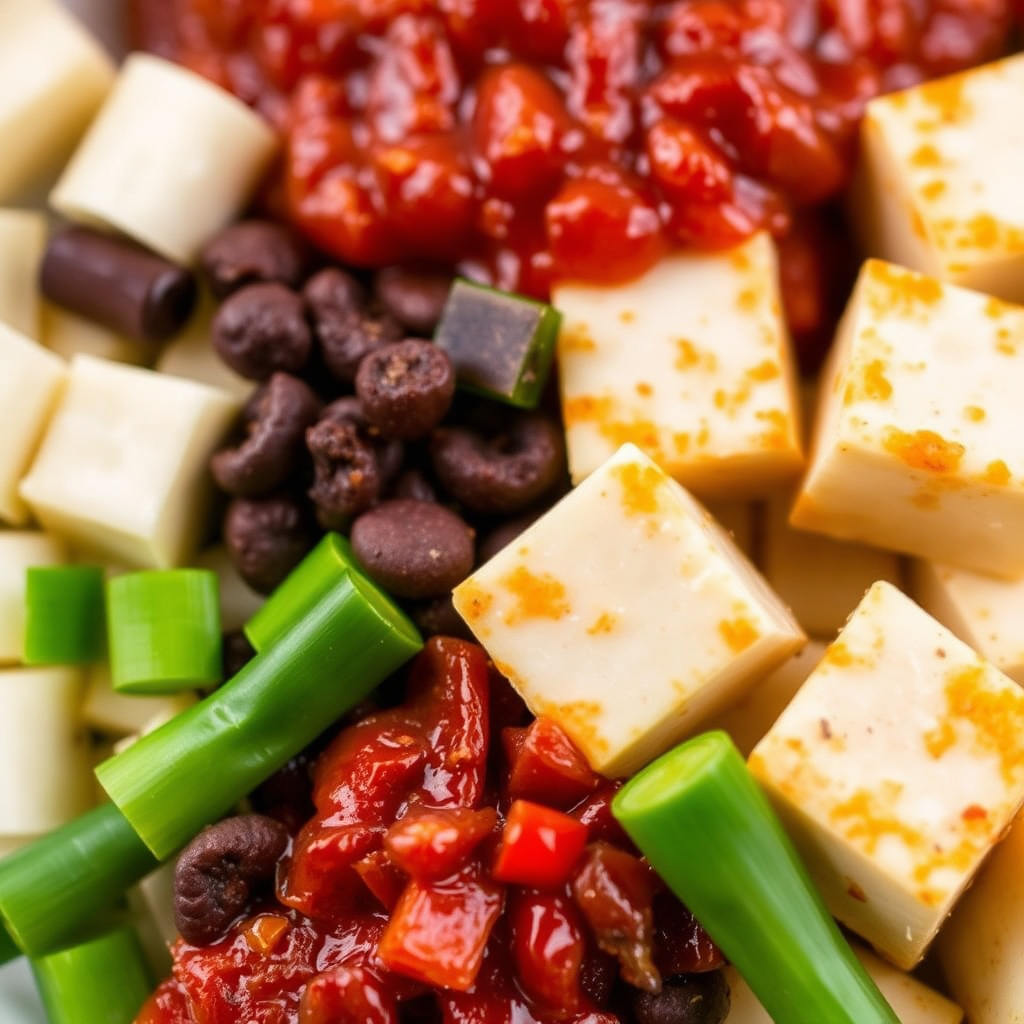
The Role of Doubanjiang and Tofu
Doubanjiang, a spicy fermented bean paste, is essential to Mapo Tofu’s signature flavor. It originates from Sichuan and is prized for its complex, salty, and spicy notes. Paired with soft, fresh tofu, the texture contrast elevates the dish.
Tofu used traditionally is silken or soft, absorbing the sauce well and providing a delicate mouthfeel that balances with the sharp spices in Sichuan cuisine history. Both ingredients highlight local agricultural practices and fermentation techniques.
Sichuan Peppercorns and Flavor Balance
Sichuan peppercorns provide the characteristic numbing sensation called 'mala,' combining with chili spiciness to create balanced heat and flavor layers. This ingredient is central to the identity of Mapo Tofu within Sichuan cuisine.
Green onions and garlic add aromatic freshness while cooked ground pork or beef add umami richness. These ingredients complete the composition, making the dish both flavorful and texturally interesting.
Evolution of the Recipe Outside Sichuan

Adaptations in Mainland China and Asia
As Mapo Tofu spread across China, variations appeared with differences in heat level, meat content, and ingredient substitutions due to local tastes and available produce. Some regions reduced the spiciness or used different kinds of tofu.
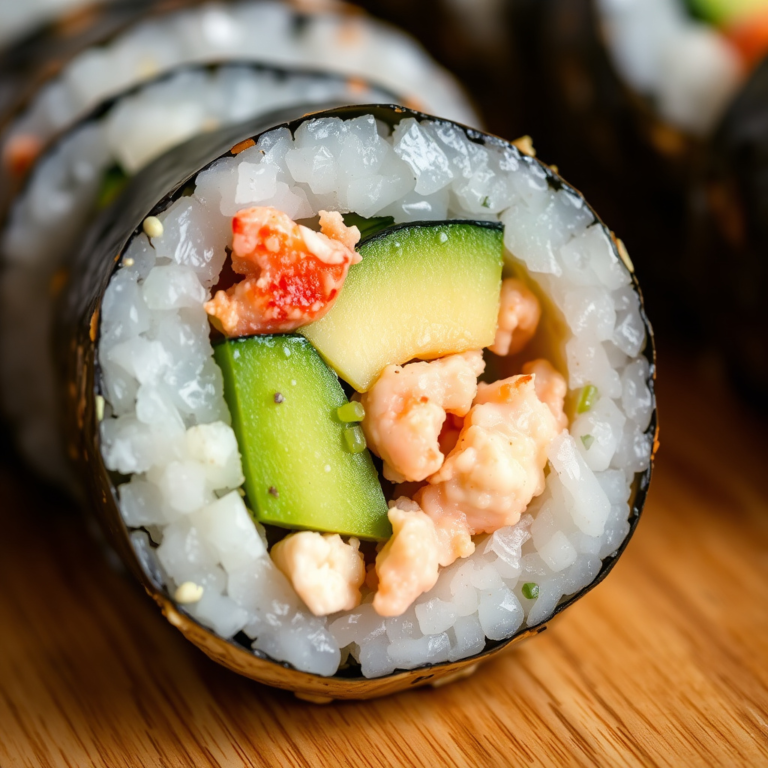
In places like Taiwan and Hong Kong, seafood versions and vegetarian adaptations have emerged, reflecting local dietary preferences while maintaining the dish’s core flavor principles.
Global Popularity and Western Variants
When introduced internationally, Mapo Tofu has been modified to suit Western palates, sometimes with less chili heat and more emphasis on texture. Some recipes substitute pork with beef or tofu-only versions for vegetarian consumers.
Fusion restaurants have experimented with the dish by adding new elements like cheese or serving it alongside rice bowls and noodles, showing how Mapo Tofu continues to evolve beyond its Sichuan roots.
Traditional Preparation Techniques for Authentic Taste

Wok Cooking and Ingredient Timing
Preparing authentic Mapo Tofu involves stir-frying ingredients in a seasoned wok using high heat to develop deep flavors quickly. Proper technique includes frying the doubanjiang paste until fragrant before adding tofu gently to maintain its shape.
Layering flavors by cooking ingredients in a specific order ensures the sauce thickens and coats the tofu well, while maintaining the tofu's silky texture against the spicy sauce.
- Heat doubanjiang in oil till fragrant
- Add ground pork and cook thoroughly
- Gently add soft tofu cubes
- Simmer briefly to infuse flavors
Finishing Touches and Presentation
Final steps include adding Sichuan peppercorn powder for numbing heat and chopped green onions for color and freshness. Serving immediately ensures tofu doesn’t overcook and the sauce stays vibrant.
Traditionally served hot with steamed rice, these finishing touches bring out the balance of spicy, savory, and aromatic flavors that define Mapo Tofu.
Health Aspects and Dietary Considerations

Nutritional Profile of Mapo Tofu
Mapo Tofu offers a good balance of protein from tofu and meat, along with essential vitamins from spices and aromatics. However, it tends to be high in sodium due to fermented ingredients and can be calorie-dense depending on oil quantity.
Choosing lean ground meat or reducing oil can improve its nutritional profile while retaining its characteristic flavors aligned with Sichuan cuisine history.
Adjustments for Dietary Restrictions
Vegetarian and vegan versions eliminate meat, often replacing it with mushrooms or textured vegetable protein without compromising flavor. Low-sodium doubanjiang alternatives help reduce salt intake.
Gluten-free adaptations can use tamari instead of soy sauce. These variations make the dish accessible for different dietary needs while preserving its essential spicy character.
- Use plant-based protein for vegetarian options
- Lower sodium sauces for healthier meals
- Substitute tamari for gluten-free cooking
Serving Suggestions and Complementary Dishes

Traditional Pairings with Rice and Vegetables
Mapo Tofu is traditionally served with plain steamed rice, which balances the strong heat and flavors. Simple vegetable sides like stir-fried greens or pickled cucumbers add freshness and contrast.
These accompaniments highlight the dish’s spicy elements while ensuring a well-rounded meal that satisfies both flavor and nutritional needs.
For a detailed overview of Mapo Tofu's history and variations, you can visit the Mapo tofu Wikipedia page. Mapo tofu Wikipedia page.
Creative Serving Ideas
Some chefs serve Mapo Tofu over noodles or incorporate it into rice bowls with additional toppings like fried egg or scallions. It can also be used as a spicy dip or filling for wraps.
Experimenting with these presentations allows the dish’s spicy profile to reach new meals beyond traditional servings.
- Serve over ramen or udon noodles
- Add fried egg or tofu skin toppings
- Use as filling for steamed buns or wraps
Mapo Tofu Variants Category Comparison
Here’s a comparison of different Mapo Tofu styles highlighting key characteristics and common ingredient differences.
| Variant | Spice Level | Protein Used | Tofu Texture | Regional Popularity |
|---|---|---|---|---|
| Traditional Sichuan | High | Ground Pork | Soft/Silken | Sichuan, China |
| Vegetarian/Vegan | Medium-High | Mushrooms or Tofu only | Soft or Medium | Global Vegetarian Communities |
| Seafood Version | Medium | Shrimp or Fish | Soft | Taiwan, Coastal Regions |
| Western Adaptation | Medium | Beef or Tofu | Medium Firm | USA, Europe |
| Mild Home-Style | Low-Medium | Ground Chicken or Pork | Silken | China (non-Sichuan regions) |
Frequently Asked Questions
Who invented Mapo Tofu?
Mapo Tofu was created by Chen Mapo, a local restaurateur in late 19th-century Chengdu, Sichuan province. Her nickname 'Mapo' means 'pockmarked old woman,' which the dish’s name honors.
What makes Mapo Tofu spicy and numbing?
The combination of chili bean paste and Sichuan peppercorns gives Mapo Tofu its iconic spicy and numbing 'mala' flavor, characteristic of Sichuan cuisine.
Can Mapo Tofu be made vegetarian?
Yes, substituting meat with mushrooms or textured vegetable protein while keeping traditional spices allows for a flavorful vegetarian Mapo Tofu.
Why is soft tofu used in Mapo Tofu?
Soft or silken tofu absorbs the spicy sauce well and provides a smooth, delicate contrast to the strong flavors, which is essential for authentic Mapo Tofu.
Is Mapo Tofu a healthy dish?
Mapo Tofu offers protein and vitamins but can be high in sodium and oil. Adjusting ingredients, like using lean meat and less oil, makes it healthier.
Key Takeaways
- Mapo Tofu originated in Chengdu, Sichuan province, in the late 1800s.
- Doubanjiang and Sichuan peppercorns create its signature spicy and numbing flavor.
- The dish has many regional and global adaptations from vegetarian to seafood versions.
- Authentic preparation uses soft tofu and specific cooking techniques for flavor balance.
Conclusion
Understanding where Mapo Tofu comes from provides insight into the cultural and culinary richness of Sichuan cuisine. The dish combines simple, local ingredients into a distinctive harmony of spicy, savory, and numbing flavors through traditional cooking methods. Its origin story anchored in 19th-century Chengdu reveals how local tastes and available produce shaped this iconic dish, which reflects the heart of Sichuan's food culture.
For those venturing to cook or order Mapo Tofu, recognizing its roots helps appreciate why the balance of doubanjiang, soft tofu, Sichuan peppercorn, and ground meat is so important. Regional variants, such as vegetarian or seafood versions common in Taiwan, serve different preferences but maintain core flavor principles. Meanwhile, Western adaptations can make it more approachable by moderating spice and adjusting ingredients without losing authenticity.
Ultimately, embracing the original Mapo Tofu recipe or exploring its variations invites a flavorful experience deeply tied to Chinese culinary tradition. To try making it at home, begin with traditional ingredients from Sichuan cuisine history, focusing on spice balance and cooking technique. Enjoying Mapo Tofu offers a journey into a celebrated dish that continues to evolve while honoring its origin.



One Comment