Is Mongolian Beef Actually from Mongolia? Uncovering the Origins of the Popular Dish
Mongolian beef is not actually a traditional dish from Mongolia. Despite its name, it originates from Taiwanese cuisine and was popularized in the United States as a flavorful stir-fry dish rather than an authentic Mongolian recipe. The dish combines thin slices of beef, usually flank steak, with a savory-sweet soy-based sauce and vegetables.
This confusion arises from the name "Mongolian beef," which is believed to have been inspired by Mongolian barbecue, a style of stir-fry popularized in Taiwan, rather than any real Mongolian culinary tradition. It matters because many people assume the dish reflects Mongolian culture when in reality, the flavors and preparation are quite distinct and adapted to Western tastes.
In this article, you'll learn the true background of Mongolian beef, how it compares to Mongolian cuisine, common ingredients used, and how to make an authentic Mongolian beef recipe if you want a taste closer to genuine flavors.
The True Origins of Mongolian Beef

How Mongolian Beef Was Created
Mongolian beef was created in Taiwan during the 1950s and later adapted by American Chinese restaurants. It has roots in Taiwanese-style barbecue eateries where meat was cooked on a large, flat grill for quick service. The dish’s name was likely chosen to evoke an exotic impression, not as a reflection of actual Mongolian culinary practices.
This dish typically involves marinating thin beef strips and stir-frying them with scallions and a thick soy-based sauce. It emphasizes quick cooking on high heat to maintain tenderness and flavor, a hallmark of Asian grilling techniques.
Mongolian Cuisine vs. Mongolian Beef Dish
Traditional Mongolian cuisine centers on hearty, meat-heavy dishes suited for a nomadic lifestyle, with common ingredients including mutton, beef, and dairy products. Meals often feature boiled or steamed meats with minimal use of spices or sauces.
In contrast, Mongolian beef emphasizes sweet and savory flavors with soy sauce and sugar, ingredients not traditionally prominent in Mongolia. The styles and cooking techniques differ significantly, highlighting that this dish is more a Taiwanese or Chinese-American invention.
Ingredients and Preparation of Mongolian Beef

Key Ingredients in Mongolian Beef
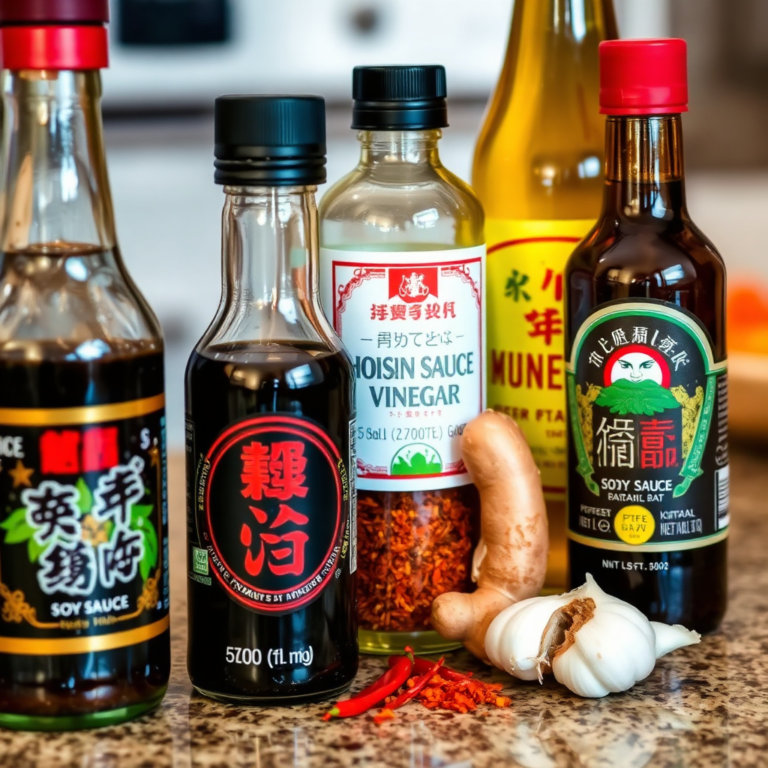
Essential ingredients include lean flank or sirloin steak thinly sliced against the grain, soy sauce, brown sugar, garlic, and scallions. Cornstarch is typically used to coat the beef for a slightly crispy texture after stir-frying.
Optional ingredients like ginger or hoisin sauce might appear in some variations, adapting the dish’s profile. The balance between sweetness from sugar and saltiness from soy sauce defines its recognizable flavor.
- Lean beef cuts (flank or sirloin)
- Soy sauce and brown sugar
- Garlic and scallions
- Cornstarch coating
The Cooking Process
Mongolian beef is prepared by quickly stir-frying the coated beef strips in a wok over high heat to seal in juices and maintain tenderness. The sauce is prepared separately or in the wok by dissolving sugar into soy sauce with aromatics like garlic.
After the beef is cooked, it’s combined with the sauce and scallions until lightly caramelized and glossy. Cooking time is kept short to prevent toughness and to preserve the fresh, bright flavors of the scallions.
Cultural Influences Behind Mongolian Beef

Taiwanese Origins and American Adaptations
The dish emerged in Taiwanese barbecue restaurants that served grilled meats quickly to customers, combining Chinese cooking methods with local preference for sweet-savory sauces. When introduced to the American market, it was further adapted to appeal to a broad audience, enhancing sweetness and using more beef.
This adaptation reflects a common trend in Chinese-American cuisine where traditional recipes are modified for local tastes, sometimes creating dishes that don’t have direct analogs in their countries of supposed origin.
For more on this, see our related guide: Where Did Mongolian Beef Originate? Tracing the Roots of a Popular Dish.
Global Popularity of Mongolian Beef
Today, Mongolian beef enjoys popularity worldwide, especially in Chinese takeout menus outside of Asia. Its sweet and savory flavor, combined with tender beef, appeals to diverse palates and is often seen as a gateway dish for those exploring Asian cuisine.
Its success illustrates how food names can sometimes mislead, highlighting cultural fusion rather than traditional culinary heritage, which can be valuable for expanding tastes but confusing for those seeking authentic cuisines.
Making Authentic Mongolian Beef at Home

Choosing the Right Ingredients
Selecting a lean cut of beef such as flank or sirloin is essential for authenticity and texture. Fresh scallions and garlic combined with quality soy sauce and dark brown sugar will create the dish's signature balance.
Avoid pre-marinated meats or thick sauces sold commercially, which can alter the texture or overpower flavors. Simple ingredients with minimal processing allow for control over the flavor profile.
Step-by-Step Cooking Guide
Start by slicing the beef thinly and coating it lightly with cornstarch. Stir-fry the beef in a hot wok or skillet in batches to avoid overcrowding. Set the beef aside while preparing the sauce by heating soy sauce with brown sugar and minced garlic until the sugar melts.
Return the beef to the pan with the sauce and add chopped scallions. Cook for a couple of minutes until the sauce thickens and coats the beef evenly. Serve immediately over steamed rice for a classic experience.
Comparing Mongolian Beef with Other Similar Dishes

Mongolian Beef vs. Beijing Beef
Beijing beef features battered and fried beef strips in a tangy sweet sauce with bell peppers and onions, contrasting with Mongolian beef’s simple stir-fry method and focus on scallions.
While both dishes are sweet and savory, Beijing beef is crunchier and heavier, whereas Mongolian beef emphasizes tenderness and sauce gloss.
For more on this, see our related guide: Mongolian Beef vs Pepper Steak: Which Asian Beef Dish Suits Your Taste Best?.
Mongolian Beef vs. Beef Stir-Fry
Generic beef stir-fry dishes vary widely but usually involve mixed vegetables and lighter sauces like oyster or black bean sauce. Mongolian beef is distinct due to its sweeter sauce base and minimal vegetable use.
This distinction highlights how Mongolian beef has become its own recognizable category within Asian-inspired stir-fry dishes.
Health Considerations and Nutrition Facts

Nutritional Profile of Mongolian Beef
Mongolian beef is typically high in protein thanks to the lean beef cuts but can also have moderate levels of sugars and sodium due to the soy sauce and brown sugar components. The dish contains minimal fat when cooked properly without heavy oils or batter.
Understanding these nutritional aspects helps balance enjoyment with dietary goals, especially for those monitoring sodium or sugar intake.
To learn more about the traditional dishes and food culture of Mongolia, visit the article on Mongolian cuisine. Mongolian cuisine.
Tips for Making a Healthier Version
Use low-sodium soy sauce to reduce salt levels and substitute brown sugar with a natural sweetener like honey or coconut sugar for a lower glycemic index. Incorporating additional vegetables can also boost fiber and nutrient content.
Cooking methods such as using non-stick pans can minimize added fats, ensuring a leaner dish while preserving the classic flavors of Mongolian beef.
Mongolian Beef Category Comparison
Here’s a comparison of popular Mongolian beef styles and related dishes, focusing on key characteristics like cooking method and flavor profile.
| Dish | Origin | Key Ingredients | Cooking Method | Flavor Profile |
|---|---|---|---|---|
| Mongolian Beef | Taiwan/USA | Beef, scallions, soy sauce, brown sugar | Stir-fry | Sweet and savory |
| Beijing Beef | Chinese-American | Battered beef, bell peppers, sweet sauce | Deep-fry then stir-fry | Tangy and sweet |
| Traditional Mongolian Meat Dishes | Mongolia | Mutton, beef, dairy | Boiled/steamed | Mild, meaty |
| Generic Beef Stir-Fry | Various | Beef, mixed vegetables, soy/oyster sauce | Stir-fry | Savory |
| Taiwanese Mongolian Barbecue | Taiwan | Various meats, vegetables | Grilled/stir-fried | Savory and smoky |
Frequently Asked Questions
Is Mongolian beef originally from Mongolia?
No, Mongolian beef originated in Taiwan and was popularized in the United States. It is not a traditional Mongolian dish but inspired by Asian barbecue styles.
What makes Mongolian beef different from other beef dishes?
Its characteristic sweet and savory soy-based sauce and quick stir-fry method focused on tender beef and scallions set it apart from other beef stir-fries.
Can Mongolian beef be made healthier?
Yes, by using low-sodium soy sauce, natural sweeteners, and adding vegetables, you can reduce sugar and salt while increasing nutrients.
Is Mongolian beef spicy?
Traditionally, Mongolian beef is not spicy but rather sweet and savory, though some recipes may add chili for heat.
What beef cut is best for Mongolian beef?
Lean, tender cuts like flank steak or sirloin work best due to their texture and quick cooking time.
Key Takeaways
- Mongolian beef is a Taiwanese-American creation, not from Mongolia itself.
- The dish features tender beef, a sweet-savory soy sauce, and scallions.
- Traditional Mongolian food is quite different, focusing on simple, hearty meats.
- Healthier versions can be made by adjusting sugar, salt, and adding vegetables.
Conclusion
Understanding where Mongolian beef truly comes from helps clarify common misconceptions surrounding popular dishes and their cultural origins. While its name suggests Mongolian roots, the dish is a product of Taiwanese culinary creativity and American adaptation, blending flavors and cooking methods to appeal to a wide audience. When choosing or preparing Mongolian beef, it’s helpful to appreciate this fusion background and not expect it to represent traditional Mongolian cuisine.
If you’re interested in authentic flavors, traditional Mongolian meals typically center on boiled or steamed meats with simple seasoning, quite distinct from the sweet and savory profile of Mongolian beef. For home cooking, sticking to fresh ingredients like lean flank steak and scallions, alongside a carefully balanced soy and sugar sauce, will create a satisfying and genuine Mongolian beef experience. Alternatively, exploring related dishes such as Beijing beef or various beef stir-fries can offer a broader perspective on Asian-inspired meat dishes.
For your next step, try making Mongolian beef at home using the guidance provided here, focusing on proper ingredient selection and fast stir-fry techniques. This will give you a delicious, tender meal that captures the dish’s essence without misleading expectations about its regional authenticity. Enjoy the unique fusion taste Mongolian beef offers and explore more of the diverse flavors Asian cuisines provide.