How to Make Ramen: A Step-by-Step Guide to Perfect Homemade Ramen
Making ramen at home starts with preparing a flavorful broth, selecting the right noodles, and layering toppings to balance taste and texture. A good ramen begins with simmering bones or broth base for hours, then adding noodles and garnishes to complete the dish.
Ramen's rich broth and diverse ingredients deliver depth and comfort originating from Japanese cuisine. Homemade ramen allows customization of spice levels, protein choices, and toppings, making it far more satisfying than store-bought versions.
This article covers the main elements for ramen making: broth types and preparation methods, choosing authentic noodles, essential seasonings, and popular toppings. You’ll also find advice tailored for beginners and variations to try.
Choosing and Preparing the Ramen Broth

Types of Broth for Authentic Ramen
Ramen broth typically falls into four categories: shoyu (soy sauce), miso, shio (salt), and tonkotsu (pork bone). Each brings a unique flavor profile, from the clear, savory tones of shoyu to the creamy, hearty tonkotsu broth that takes hours to prepare.
Choosing the broth type depends on your flavor preference and time available. Clear broths like shoyu and shio are lighter, while miso and tonkotsu offer richer, deeper tastes. Matching your broth to toppings is also key for balance.
Steps to Make Classic Tonkotsu Broth
Tonkotsu broth creates a creamy white soup by boiling pork bones for 12 hours or more, breaking down collagen and marrow. Start by blanching bones to remove impurities, then simmer with aromatics such as garlic, onion, and ginger.
Maintain a rolling boil and skim surface scum regularly to keep broth clear despite creamy texture. This slow extraction process yields deep umami flavor that defines tonkotsu ramen.
- Blanch pork bones before simmering
- Use aromatics like ginger, garlic, and onion
- Simmer for 12+ hours with an active boil
- Skim scum frequently
Selecting and Cooking Ramen Noodles
Fresh vs. Dried Ramen Noodles
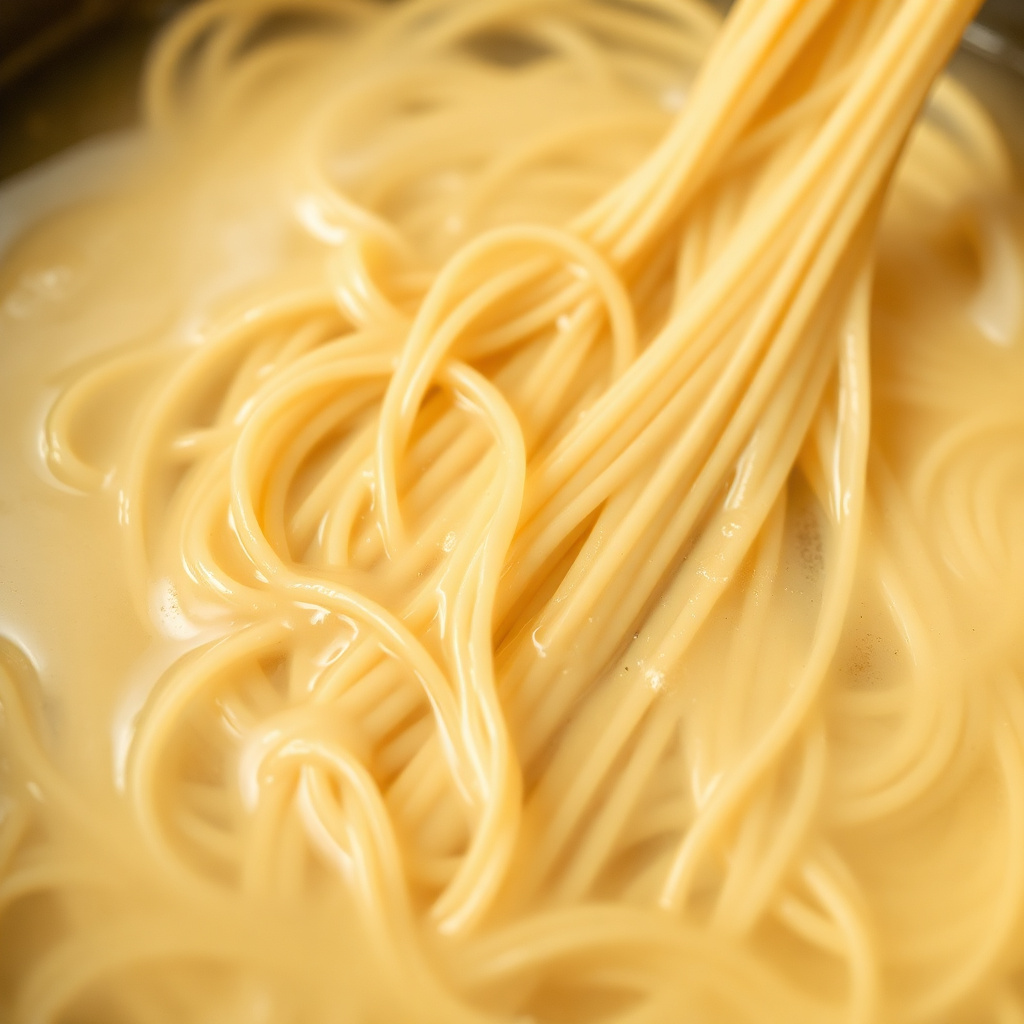
Fresh noodles are preferred for ramen because they offer elasticity and absorb broth flavors better. They often contain kansui, an alkaline mineral water critical for texture and color.
Dried noodles are convenient and have a longer shelf life but can be less vibrant in texture. Choosing high-quality noodles affects the overall bowl, especially how well they hold up in hot broth.
For more on this, see our related guide: How to Make Lo Mein: A Simple Guide to Authentic Chinese Noodles.
Perfect Cooking Techniques for Ramen Noodles
Cook noodles in plenty of boiling water without oil to prevent sticking. Fresh noodles usually take 1-2 minutes; dried noodles require longer. Taste test frequently as overcooked noodles become mushy.
Drain noodles thoroughly before adding to broth. For hot soup, transfer quickly to maintain texture, adding a splash of cold water if not serving immediately to stop cooking.
- Use large pot with ample water
- No oil in water to keep noodles separate
- Cook fresh noodles 1-2 minutes
- Drain thoroughly before serving
Essential Seasonings and Tare for Flavor Depth

What Is Tare and How to Use It
Tare is a concentrated seasoning sauce added to ramen broth to provide the final flavor punch. It usually consists of soy sauce, miso, salt, or other umami-rich ingredients, tailored by ramen style.
Start with a small amount of tare in the serving bowl before ladling in broth, then adjust seasoning to taste. This step enhances the complexity without overpowering the broth.
- Soy-based tare for shoyu ramen
- Miso-based tare for miso ramen
- Salt-based tare for shio ramen
Common Seasoning Ingredients in Ramen
Beyond tare, minced garlic, sesame oil, chili paste, and vinegar are popular additions to customize heat and aroma. Ground white pepper or black pepper may also be used to add warmth.
These seasonings complement the broth’s base flavors and give diners control over intensity, making each bowl unique.
Popular Ramen Toppings for Texture and Flavor
Protein Choices: Chashu and Beyond
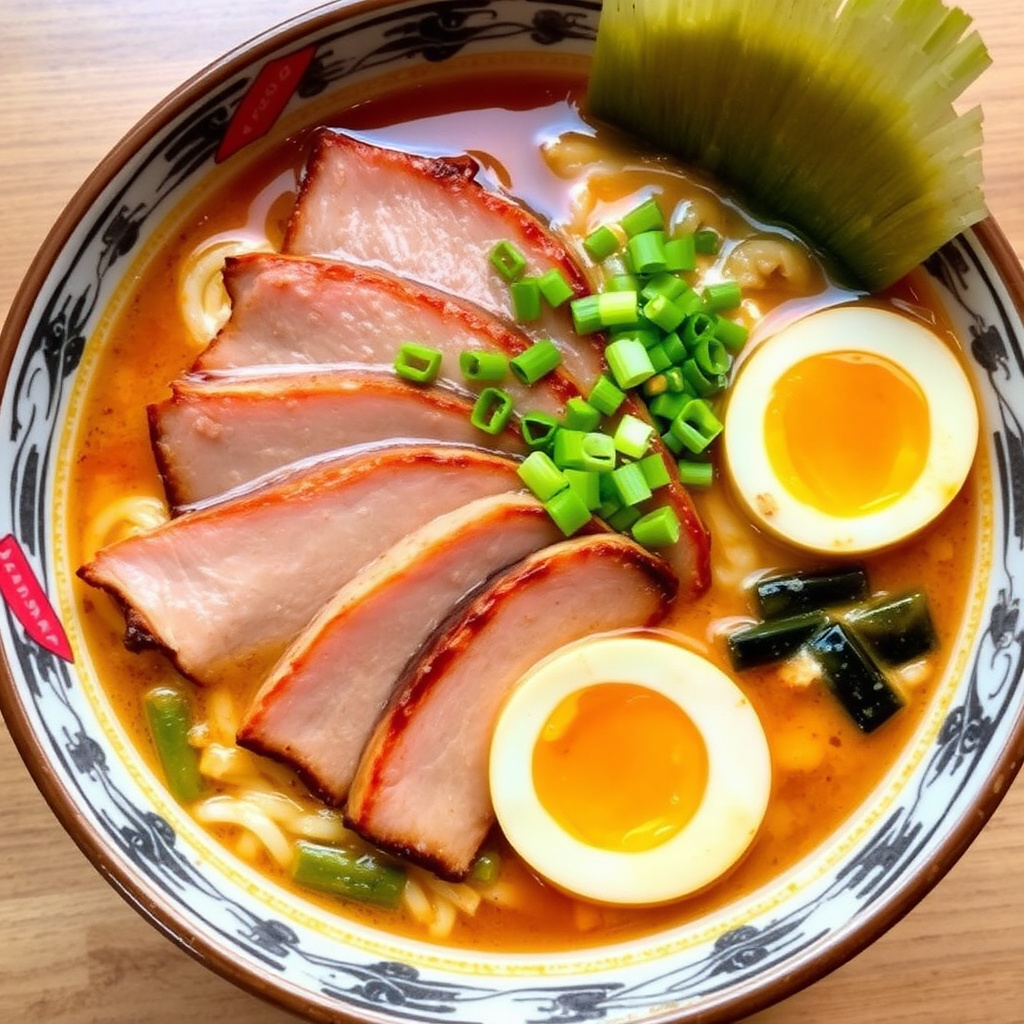
Chashu pork, slow-braised or roasted, is the classic protein topping, prized for its tender texture and rich flavor. Alternatives include chicken, seafood, or tofu, each bringing a different character.
Preparing chashu involves marinating pork belly in soy, mirin, and sake before slow cooking to develop layers of taste that melt in your mouth.
- Pork belly chashu
- Braised chicken thighs
- Grilled shrimp or fish
- Marinated tofu for vegetarians
For more on this, see our related guide: What Is Gyoza? A Complete Guide to This Popular Japanese Dumpling.
Vegetables and Garnishes to Elevate Ramen
Common vegetable toppings include bamboo shoots (menma), green onions, bean sprouts, and corn, providing crunch and freshness. Soft-boiled eggs with custard-like yolks add richness.
Nori seaweed sheets and toasted sesame seeds add texture and aroma. These garnishes enrich the overall ramen experience by contrasting with the broth and noodles.
- Menma (fermented bamboo shoots)
- Soft-boiled marinated eggs
- Chopped green onions
- Nori seaweed
Tips for Making Ramen at Home Easily
Using Store-Bought Broth Bases and Noodles
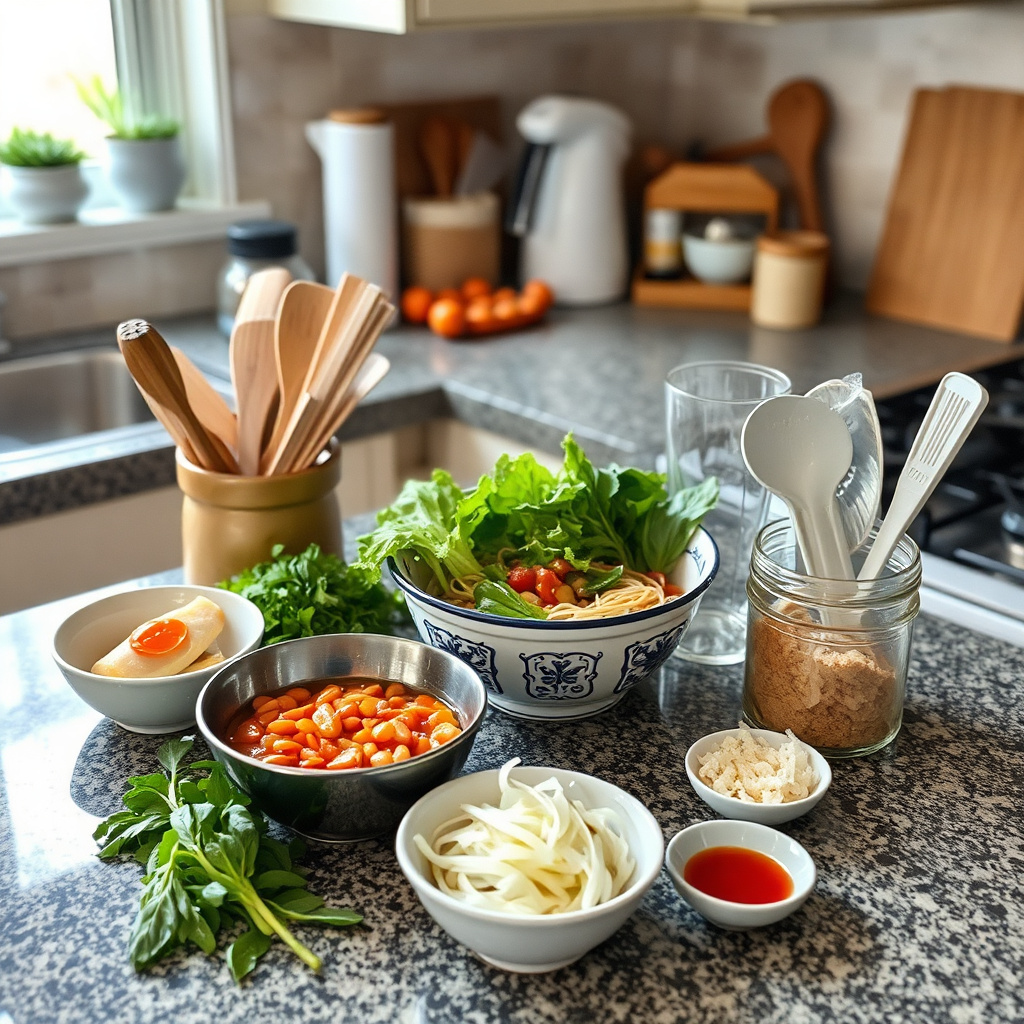
To save time, many cooks start with store-bought ramen broth or concentrated base, which can be enhanced with fresh aromatics. Packaged noodles found in Asian markets also simplify preparation.
This shortcut enables those new to ramen to enjoy savory bowls without long broth simmering, balancing convenience with customized toppings.
For more in-depth history and variations of ramen, visit the Ramen Wikipedia page. Ramen Wikipedia page.
Storage and Reheating Best Practices
Broth can be made in advance and refrigerated or frozen for future meals. Noodles should be cooked fresh to maintain quality as reheating tends to degrade texture.
When reheating broth, gently warm without boiling to preserve flavor. Assemble bowls before serving to keep ingredients fresh.
- Freeze broth in airtight containers
- Cook noodles just before serving
- Gently reheat broth without boiling
Ramen Broth Categories Comparison
Here's a quick overview comparing popular ramen broth types based on flavor, cooking time, and ideal toppings.
| Broth Type | Flavor Profile | Cooking Time | Ideal Toppings |
|---|---|---|---|
| Shoyu | Savory, light soy sauce flavor | 2-3 hours | Chashu, green onions, bamboo shoots |
| Miso | Rich, slightly sweet and nutty | 3-4 hours | Corn, butter, bean sprouts |
| Shio | Light, salty, clean taste | 2 hours | Seafood, soft-boiled eggs, nori |
| Tonkotsu | Creamy, hearty pork flavor | 12+ hours | Chashu pork, garlic, green onions |
Frequently Asked Questions
Can I make ramen broth without pork bones?
Yes, vegetarian or chicken-based broths are popular. Use vegetables, mushrooms, kombu, and chicken bones for a lighter but flavorful alternative.
How do I store leftover ramen broth?
Cool the broth to room temperature then refrigerate it in airtight containers for up to 3 days or freeze for several months.
What kind of noodles should I buy for ramen?
Fresh alkaline noodles are ideal, but high-quality dried ramen noodles work well too. Look for noodles labeled for ramen or alkaline content.
Is it necessary to use tare when making ramen?
Tare is optional but recommended to add depth and balance to the broth flavor profile. It’s traditionally used in most ramen recipes.
How do I achieve the perfect soft-boiled egg for ramen?
Boil eggs for 6-7 minutes, then cool in ice water before peeling. Marinate them in soy sauce, mirin, and sugar for added flavor.
Key Takeaways
- Ramen broth type shapes the dish’s flavor and cooking time.
- Fresh alkaline noodles give the best texture for ramen.
- Tare seasoning intensifies broth depth and balance.
- Toppings like chashu and soft-boiled eggs enhance taste and texture.
Conclusion
Making homemade ramen involves balancing flavor, texture, and time. Selecting your preferred broth type is fundamental, as it directs the cooking process and complements your chosen toppings and noodles. Whether preparing a rich tonkotsu or a lighter shio broth, attention to the simmering time and seasoning layers creates a rewarding, flavorful bowl.
For beginners seeking quicker results, starting with store-bought broth and fresh noodles can deliver satisfying ramen with less preparation time. Those ready to experiment can invest in specialized ingredients like alkaline noodles and create traditional tare sauces. Match broths with toppings thoughtfully: for example, creamy tonkotsu pairs excellently with tender chashu pork, while miso broth is complemented by sweet corn and butter.
The next step is to gather fresh ingredients and try making your first bowl of ramen using these guidelines. Begin by mastering the broth, then move on to noodles and toppings, adjusting seasoning to your taste. Embrace the customization ramen offers—it’s a dish that welcomes creativity and rewards patience.



One Comment