Is Beef and Broccoli Healthy? A Nutritional Breakdown
Beef and broccoli can be a healthy dish depending on how it's prepared and the portions consumed. It's a good source of protein, vitamins, and minerals, with broccoli providing fiber and antioxidants, while lean beef supplies essential nutrients like iron and zinc.
Many people consider beef and broccoli a nutritious choice because it combines vegetables with protein, promoting balanced meals. However, the healthfulness can vary when sauces high in sodium or sugar are used or if fatty cuts of beef dominate the dish.
This article examines the nutritional profile of beef and broccoli, explores the pros and cons related to health, and suggests ways to enjoy this popular dish with better nutritional outcomes.
Nutritional Components of Beef and Broccoli

Macronutrients in Beef and Broccoli
Beef is an excellent source of high-quality protein that supports muscle growth and repair. A typical serving of lean beef provides about 22-26 grams of protein per 3-ounce cooked portion, along with varying amounts of fat depending on the cut used.
Broccoli offers minimal calories but is rich in dietary fiber, which aids digestion. It also contains small amounts of carbohydrates and virtually no fat, making the combination balanced for those watching their macronutrient intake.
Vitamins and Minerals Present
Broccoli is rich in vitamin C, vitamin K, and folate, which contribute to immune function, blood clotting, and cellular health. It also provides potassium and calcium in moderate amounts. These vitamins and minerals help maintain overall wellness.
Beef adds significant levels of iron, zinc, and vitamin B12, nutrients that support oxygen transport, immune health, and energy metabolism. Together, beef and broccoli cover a wide range of micronutrients essential for a balanced diet.
Health Benefits of Beef and Broccoli

Supporting Muscle and Bone Health
The protein in beef aids muscle repair and growth, while the vitamin K and calcium in broccoli promote bone strength. Eating this combination regularly can contribute positively to maintaining muscle mass and bone density, especially in active adults.
Additionally, iron from beef helps prevent anemia by supporting healthy red blood cells, which is crucial for energy and overall health.
Antioxidants and Immune Support
Broccoli contains powerful antioxidants like sulforaphane that have anti-inflammatory properties and may reduce the risk of chronic illnesses. These compounds protect cells from oxidative stress and support a healthy immune response.
Combined with the zinc content in beef, which also boosts immune function, this dish can be particularly beneficial during times when you want to strengthen your body's defenses.
Common Nutritional Concerns with Beef and Broccoli

Sodium and Added Sugars in Sauces
Traditional beef and broccoli recipes often include soy sauce and other condiments high in sodium, sometimes exceeding daily recommended limits. Excess sodium intake is linked to elevated blood pressure and cardiovascular risks.
Store-bought or restaurant versions may also contain added sugars that increase calorie content and reduce the overall health quality of the meal.
For more on this, see our related guide: Is Chow Mein Healthy? A Nutrition Breakdown and Health Guide.
Fat Content and Portion Control
The cut of beef used can impact fat levels, with fattier cuts raising saturated fat intake, which should be moderated for heart health. Overeating large portions of beef and broccoli can also lead to excessive calorie consumption.
Mindful portion sizes and choosing lean meat cuts help manage these concerns while still enjoying the nutritional benefits the dish offers.
Making Beef and Broccoli Healthier

Tips for Healthier Preparation
To reduce sodium, use low-sodium soy sauce, or substitute with alternatives like coconut aminos. Incorporate fresh garlic and ginger for flavor without adding salt or sugar. Cooking methods like steaming the broccoli and grilling lean beef cuts help maintain nutrients and reduce added fats.
Avoid thickening sauces with cornstarch or sugar-heavy ingredients. Instead, opt for broth-based sauces or simple seasoning to keep the dish lighter and more nutritious.
- Use lean cuts like sirloin or tenderloin
- Limit added sugars in sauces
- Choose low-sodium condiments
- Cook broccoli lightly to retain nutrients
Incorporating More Vegetables
Adding extra vegetables such as bell peppers, snap peas, or carrots not only increases fiber but also boosts variety in vitamins and minerals. This helps create a more filling meal with diverse nutrient profiles.
Larger vegetable portions also reduce overall calorie density, making the dish suitable for weight management without sacrificing taste.
- Bell peppers for vitamin A
- Carrots for beta-carotene
- Snap peas for extra crunch and fiber
Comparing Beef and Broccoli with Other Protein-Vegetable Dishes

Beef and Broccoli vs. Chicken Stir-Fry
Chicken stir-fry tends to be lower in saturated fat than beef depending on the cut, and it generally provides similar protein levels. However, beef contributes more iron and zinc. Both dishes offer fiber and vitamins from vegetables, making the choice depend on dietary goals.
Sauce ingredients and cooking methods affect the overall healthfulness equally in either dish, so adjustments can make both options nutrient-rich.
For more on this, see our related guide: Is Mongolian Beef Healthy? Nutritional Insights and Health Considerations.
Beef and Broccoli vs. Tofu and Vegetables
Tofu offers plant-based protein with lower saturated fat and no cholesterol, appealing to vegetarian or heart-healthy diets. Beef brings higher levels of certain vitamins like B12 and minerals such as heme iron, more readily absorbed by the body.
Both meals can be nutrient-dense; personal dietary preferences and restrictions should guide the choice between them.
Serving Suggestions and Portion Control
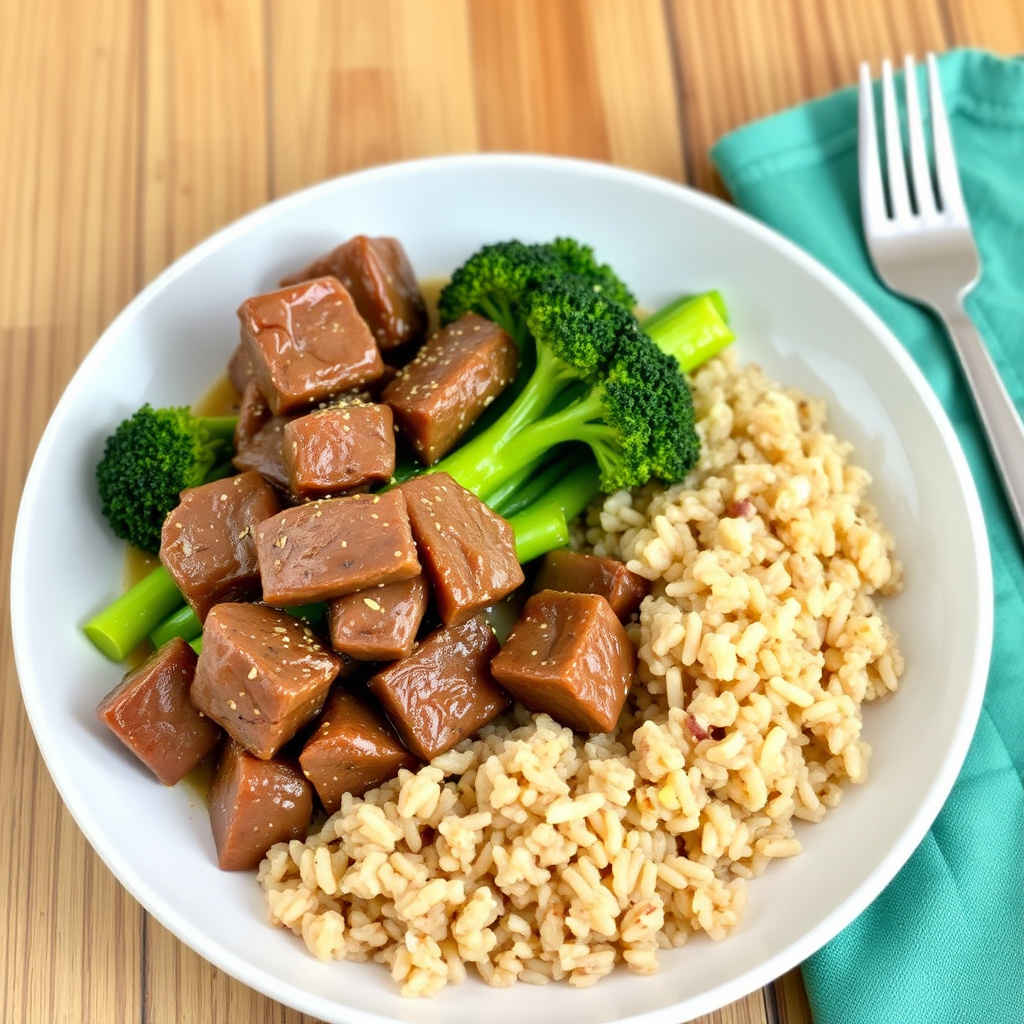
Balancing Calories with Sides
Pairing beef and broccoli with whole grains like brown rice or quinoa adds fiber and sustained energy release. Avoiding fried or high-fat sides helps prevent excess calorie intake and keeps the meal nutrient-focused.
Salads or light soups can also complement the dish without adding heavy calories, contributing to a balanced meal experience.
For detailed nutritional data about beef, you can consult this USDA resource. nutritional information on beef.
Recommended Serving Sizes
Standard servings should include about 3 ounces of cooked lean beef and one to one and a half cups of broccoli to meet protein and vegetable requirements without excess calories.
Adjust portions based on individual energy needs, activity levels, and dietary goals to maintain a healthy balance.
- 3 oz lean beef per serving
- 1-1.5 cups broccoli
- Include complex carbohydrates
- Limit added fats and sugars
Beef and Broccoli vs. Similar Protein and Vegetable Dishes
Here’s how beef and broccoli stacks up against other common protein-vegetable meals in terms of nutrition and health factors.
| Dish | Protein Content (g/serving) | Saturated Fat (g) | Sodium (mg) | Calories (approx) |
|---|---|---|---|---|
| Beef and Broccoli | 24 | 6 | 700 | 350 |
| Chicken Stir-Fry with Vegetables | 25 | 3 | 600 | 320 |
| Tofu and Mixed Vegetables | 20 | 1.5 | 450 | 280 |
| Pork and Green Beans | 23 | 7 | 650 | 360 |
| Shrimp and Broccoli | 22 | 1 | 500 | 300 |
Frequently Asked Questions
Is beef and broccoli good for weight loss?
Yes, beef and broccoli can support weight loss when prepared with lean beef, minimal sauce, and portion control, as it provides filling protein and fiber with moderate calories.
Can I eat beef and broccoli if I have high blood pressure?
You can, but opt for low-sodium soy sauce or reduced-sodium seasonings to keep sodium intake low, which helps manage blood pressure.
How often should I eat beef and broccoli for a balanced diet?
Incorporating beef and broccoli a few times a week can be part of a balanced diet when combined with other protein sources and plenty of vegetables.
Is there a vegetarian version of beef and broccoli?
Yes, substituting beef with tofu or tempeh makes a vegetarian version that provides good protein and nutrients with lower saturated fat.
Are there healthier ways to cook beef and broccoli?
Steaming broccoli and grilling or stir-frying lean beef with low-sodium sauces and no added sugars make the dish healthier and more nutritious.
Key Takeaways
- Beef and broccoli offers a balanced mix of protein, fiber, and vitamins.
- Sodium and added sugars in sauces can reduce health benefits.
- Use lean beef and fresh vegetables for a healthier meal.
- Portion control is important to manage calories and fat.
Conclusion
When deciding if beef and broccoli is healthy, focus on ingredient quality, preparation techniques, and portion sizes. The combination provides valuable nutrients like protein, iron, vitamin C, and fiber, supporting various bodily functions. However, high sodium levels and added sugars common in many recipes can offset these benefits, so moderation and mindful cooking are key.
For those aiming to improve their diet, choosing lean cuts of beef paired with fresh or lightly steamed broccoli enhances nutritional quality. Reducing sauce sodium and sugar content makes this dish suitable for people managing blood pressure or trying to lose weight. Alternatives like chicken stir-fry or tofu with vegetables offer comparable health benefits if variety or dietary preferences are considered.
Start by preparing beef and broccoli at home using low-sodium, low-sugar seasonings and appropriate portions. Combine it with whole grains and additional veggies for balanced meals. This approach allows the enjoyment of tasty flavors while meeting health goals, making beef and broccoli a sensible, delicious choice in your eating plan.





One Comment