Fried Rice vs White Rice: Which One Should You Choose?
Fried rice and white rice may look similar but differ significantly in preparation, taste, and nutritional content. Fried rice is white rice cooked and then stir-fried with oil, vegetables, and sometimes proteins or sauces, whereas white rice is simply plain, boiled or steamed without additional ingredients. Understanding these distinctions helps clarify which rice fits your dietary needs and flavor preferences.
The choice between fried rice and white rice matters because it can impact your calorie intake, nutritional balance, and even meal versatility. Fried rice often contains added fats, sodium, and calories due to oils and sauces used, while white rice remains a simpler carbohydrate source with minimal additives. These differences influence how each rice serves various dietary goals and culinary uses.
This article covers the main aspects you should know about fried rice vs white rice, including their cooking methods, nutrition differences, health implications, flavor profiles, common uses, and how to select the best option depending on your needs.
Cooking Methods of Fried Rice vs White Rice

How White Rice Is Prepared
White rice is typically cooked by boiling or steaming raw rice grains until tender. This method maintains the rice’s natural mild flavor and fluffy texture without added ingredients. It requires exact water-to-rice ratios and cooking times, often 15-20 minutes, to avoid overcooking or stickiness.
Because white rice doesn’t include oil or seasonings, it acts as a neutral base for meals and can complement a wide variety of dishes. Its simplicity makes it quick to prepare and ideal for those monitoring their intake of added fats or sodium.
Preparation of Fried Rice
Fried rice starts with cooked white rice, preferably cold or day-old, to reduce moisture before stir-frying. It is then tossed in a hot pan or wok with oil, soy sauce, vegetables such as onions and peas, eggs, and sometimes meat or seafood.
Frying involves high heat and frequent stirring to evenly cook all ingredients and develop a slightly crispy texture. This process infuses rich flavors and textures, making fried rice a flavorful, often hearty standalone dish.
- Use cold, leftover rice for best texture
- Fry quickly over high heat to avoid sogginess
- Add protein and vegetables for balanced flavor
Nutritional Differences Between Fried Rice and White Rice

Nutritional Profile of White Rice
White rice is predominantly a source of carbohydrates with about 130-150 calories per half-cup serving. It contains minimal fat or protein, and lacks fiber since the bran and germ are removed during processing. Its main nutrients include some B vitamins and small amounts of iron.
Because it is low in fat and sodium, white rice is generally considered a lighter, easily digestible option. However, its high glycemic index can cause rapid blood sugar spikes, which may be a consideration for people managing diabetes.
- Approx. 130-150 calories per half-cup
- Less than 1 gram of fat
- Minimal protein and fiber
- High glycemic index
Nutritional Makeup of Fried Rice
Fried rice adds oil, sauces, vegetables, and proteins, increasing calories to roughly 250-350 per half-cup serving depending on preparation. Fat and sodium content rise due to frying oil and soy sauce use. Vegetables and eggs contribute fiber, vitamins, and some protein, enhancing its nutritional value.
Though more calorie-dense, fried rice can offer a more balanced macronutrient profile. The cooking method adds complexity but can contribute to a less stable blood sugar response compared to plain white rice.
- 250-350 calories per half-cup serving
- Increased fat and sodium content
- Additional protein and fiber from ingredients
- Vitamins and minerals from added vegetables
Health Implications of Consuming Fried Rice vs White Rice

Impact of White Rice on Health
White rice can be part of a healthy diet when eaten in moderation. Its low fat and sodium make it suitable for heart-conscious diets; however, its high glycemic index may increase risk for insulin spikes and type 2 diabetes if consumed excessively without fiber or protein balance.
For people with diabetes or prediabetes, combining white rice with fiber-rich or protein-rich foods can help moderate blood sugar impacts. Otherwise, diversifying rice choices to include whole grains might offer better long-term health benefits.
- Low fat and sodium support heart health
- High glycemic index may affect blood sugar
- Best combined with fibrous or protein-rich foods
For more on this, see our related guide: Chow Mein vs Chow Fun: How to Choose the Best Noodle Dish for Your Taste Buds.
Health Considerations with Fried Rice
Fried rice’s added fats and sodium mean it can contribute to higher calorie intake and elevated blood pressure if eaten frequently. However, the inclusion of vegetables and proteins provides essential nutrients and fiber, supporting digestion and satiety.
Choosing ingredients with less oil and low-sodium sauces can improve health profiles of fried rice. It is best enjoyed occasionally for those monitoring sodium or fat intake, but can be part of a balanced diet when prepared thoughtfully.
- Higher calorie and sodium levels
- Provides fiber and protein from added ingredients
- Healthier when cooked with less oil and reduced salt
Flavor and Texture Differences
Flavor Profile of White Rice
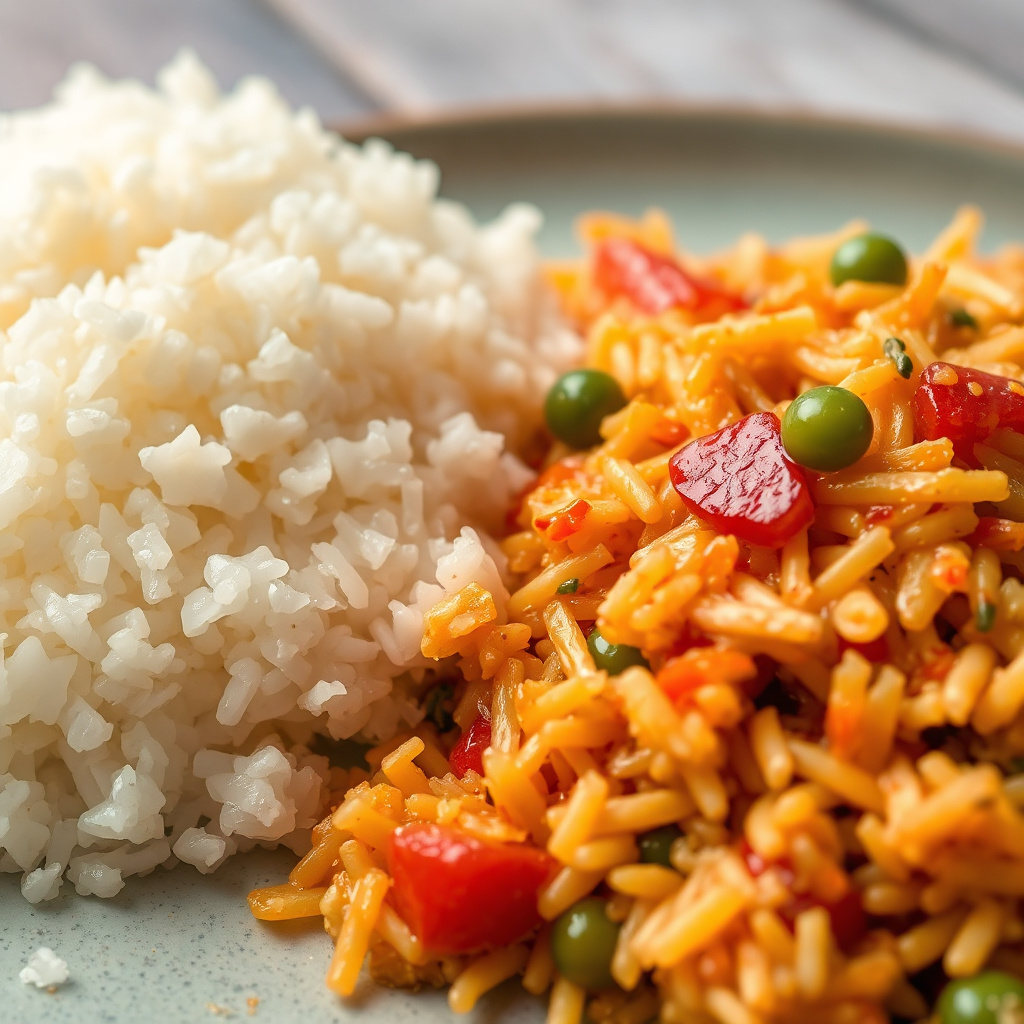
White rice has a mild, neutral taste and slightly sticky yet fluffy texture when cooked correctly. It serves as a plain canvas that absorbs sauces and pairs well with a wide range of dishes without overpowering other flavors.
Because of its simple flavor, white rice is often chosen to balance spicier or more robustly seasoned meals, providing a subtle contrast.
Distinct Flavors of Fried Rice
Fried rice is savory, often salty and umami-rich depending on added ingredients such as soy sauce, garlic, and cooked vegetables. It often has a slight crispness from frying, creating an appealing texture contrast with tender rice grains.
This dish can be customized to suit many palates, from spicy to mild, and can be a meal itself due to protein additions, making it flavorful and satisfying.
- Savory and umami flavors
- Slightly crispy texture
- Highly customizable with spices and proteins
Popular Culinary Uses for Fried Rice and White Rice
Common Uses of White Rice
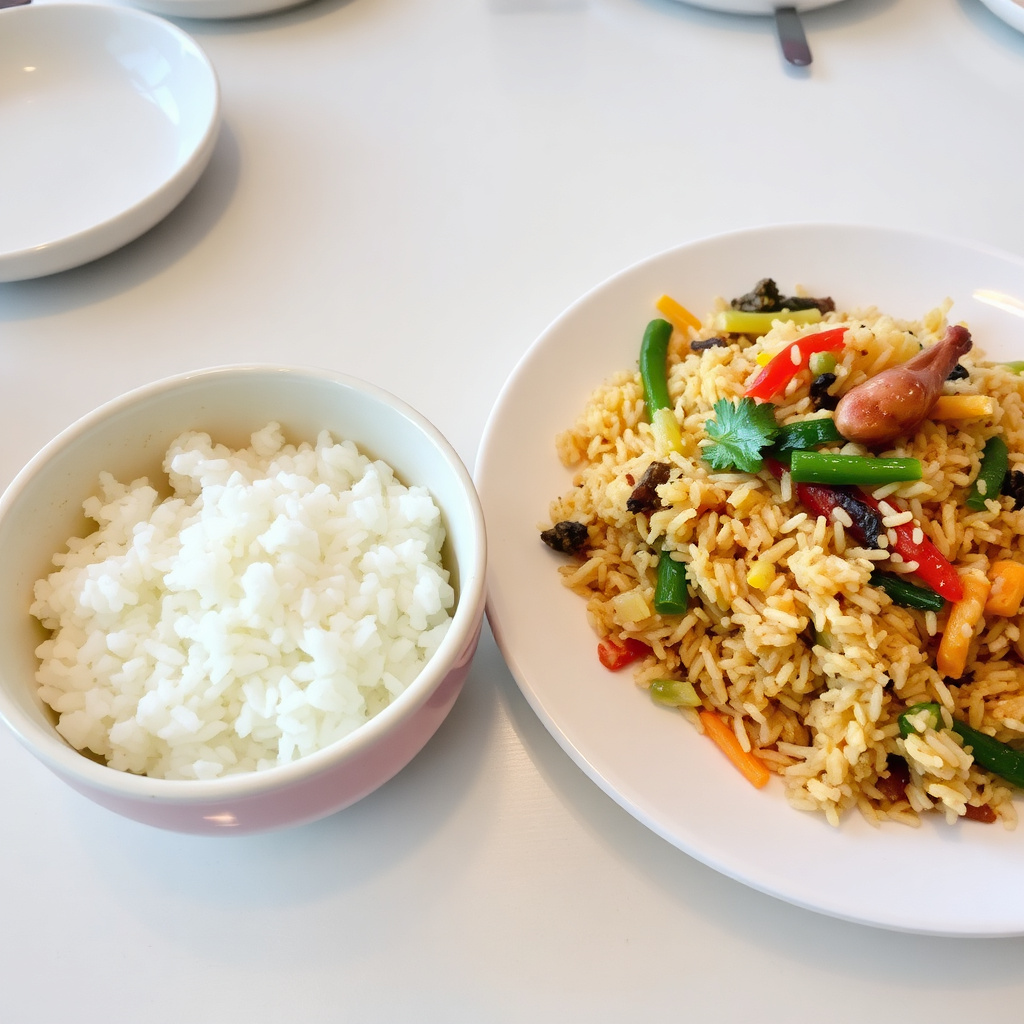
White rice is widely used as a staple side dish in many cuisines, paired with curries, stews, grilled meats, or vegetables. Its plainness complements strong flavors and can also serve as a base for dishes like sushi or rice pudding.
In addition, white rice is often incorporated into meal prep or blended dishes where its blandness aids in balancing salty or spicy components.
For more on this, see our related guide: Mongolian Beef vs Pepper Steak: Which Asian Beef Dish Suits Your Taste Best?.
Typical Dishes Featuring Fried Rice
Fried rice often functions as a standalone meal or quick dinner featuring mixed vegetables, eggs, and protein sources. It is common in Asian cuisines but also popular worldwide as a versatile, easy-to-make dish using leftover rice.
It can be adapted for different dietary preferences, adding shrimp, chicken, tofu, or vegetables, and flavored with diverse sauces and spices.
- Standalone entrée in Asian cuisines
- Quick meal from leftover rice
- Adaptable for vegetarian or meat-based diets
Choosing Between Fried Rice and White Rice for Your Diet

When to Choose White Rice
Choose white rice when you want a low-fat, low-sodium carbohydrate source that pairs well with varied dishes. It suits lighter meals or when controlling calorie intake is a priority. Beginners in cooking or those with digestive sensitivity may find white rice easier to digest.
It also works well for meal plans emphasizing simple, minimally processed ingredients.
- Low-fat, low-sodium option
- Versatile for many dishes
- Good for digestion-sensitive individuals
For more detailed insights into the role of rice in nutrition and health, you can refer to rice and health information from reliable sources. Rice and health information.
When Fried Rice Is a Better Option
Opt for fried rice if you want a filling meal with enhanced flavors and balanced macros from protein and vegetables. It is an excellent choice for using leftover rice and creating a quick dish with satisfying texture and taste.
If managing sodium and oils, prepare fried rice with less oil and reduced-sodium sauces to keep it healthier.
- More filling and flavorful
- Balanced protein and veggies
- Great for using leftovers
Fried Rice vs White Rice: Key Differences Comparison
This table summarizes the main differences between fried rice and white rice across several important factors.
| Aspect | Fried Rice | White Rice |
|---|---|---|
| Calories per ½ cup serving | 250-350 | 130-150 |
| Fat content | Higher due to cooking oil | Very low, less than 1g |
| Sodium level | Often elevated because of soy sauce | Minimal unless salted |
| Protein and fiber | Moderate from added ingredients | Very low, mostly carbohydrate |
| Flavor profile | Savory, rich, umami | Mild and neutral |
| Common uses | Standalone meal, leftovers | Staple side dish or base |
Frequently Asked Questions
Is fried rice healthier than white rice?
Fried rice often contains more calories, fat, and sodium than white rice due to added ingredients and oil, but it provides more protein and fiber, making it more balanced if consumed in moderation.
Can I use leftover white rice to make fried rice?
Yes, using cold or leftover white rice is ideal for making fried rice because it reduces moisture, preventing sogginess during stir-frying and improving texture.
Does white rice increase blood sugar rapidly?
White rice has a high glycemic index, meaning it can cause quick increases in blood sugar levels, so it’s best eaten with protein or fiber to moderate this effect.
How can I make fried rice healthier?
Use less oil, low-sodium soy sauce, more vegetables, and lean proteins when preparing fried rice to reduce calories and sodium while enhancing nutritional value.
Is fried rice suitable for weight loss diets?
Fried rice can be higher in calories and fat, so portion control and ingredient choices are important if you’re trying to lose weight; plain white rice might be preferred in strict calorie-restricted diets.
Key Takeaways
- White rice is a plain, low-fat carbohydrate base ideal for pairing with various dishes.
- Fried rice includes added oils, vegetables, and proteins, offering more flavor and nutrients but higher calories.
- Managing added fats and sodium in fried rice can improve its healthfulness.
- Consider your dietary goals and meal context when choosing between fried rice and white rice.
Conclusion
Deciding between fried rice and white rice hinges on your nutritional priorities and meal preferences. White rice offers a straightforward carbohydrate source with minimal added fats or sodium, which is suitable for light meals or when you want a neutral base. Fried rice introduces complexity through cooking techniques and incorporated ingredients, enhancing flavor and providing a more balanced mix of macros, but it tends to be higher in calories and sodium.
For those seeking a low-calorie and heart-friendly option, plain white rice paired with fiber-rich or protein-packed dishes is advisable. If you want a convenient, flavorful, and filling dish that makes use of leftovers, fried rice prepared with controlled oil and low-sodium sauces is a good choice. Both options have their place: white rice works well as a staple carbohydrate, while fried rice can function as a satisfying meal with varied components.
Before making your final decision, consider your dietary needs, how each rice aligns with your meal plans, and your taste preferences. Experimenting with homemade fried rice recipes or trying different varieties of white rice might reveal happy middles that fit your lifestyle. This approach ensures you enjoy flavorful meals without compromising health goals.