How to Velvet Beef for Tender, Juicy Stir-Fries
Velveting beef is a Chinese cooking technique that involves coating and briefly blanching or frying beef to keep it tender and juicy in stir-fry dishes. To velvet beef, you first marinate thinly sliced beef in a mixture usually containing cornstarch, rice wine, egg white, and sometimes baking soda for several minutes. Then, you either briefly blanch it in hot oil or water before combining it with your stir-fry ingredients.
This method locks in moisture and prevents the beef from becoming tough or chewy during high-heat cooking. While it might sound like an extra step, velveting beef makes a noticeable difference in texture and overall dish quality, especially when cooking leaner cuts. Many home cooks and professionals alike use this technique to elevate classic stir-fry meals.
In this article, we’ll explore the essential components of velveting beef, including marinade ingredients, timing, cooking methods, and tips for different beef cuts. You’ll also find advice on selecting the best velvet beef marinade and how to incorporate velveting into your favorite recipes.
Understanding the Basics of How to Velvet Beef
What is Velveting Beef?
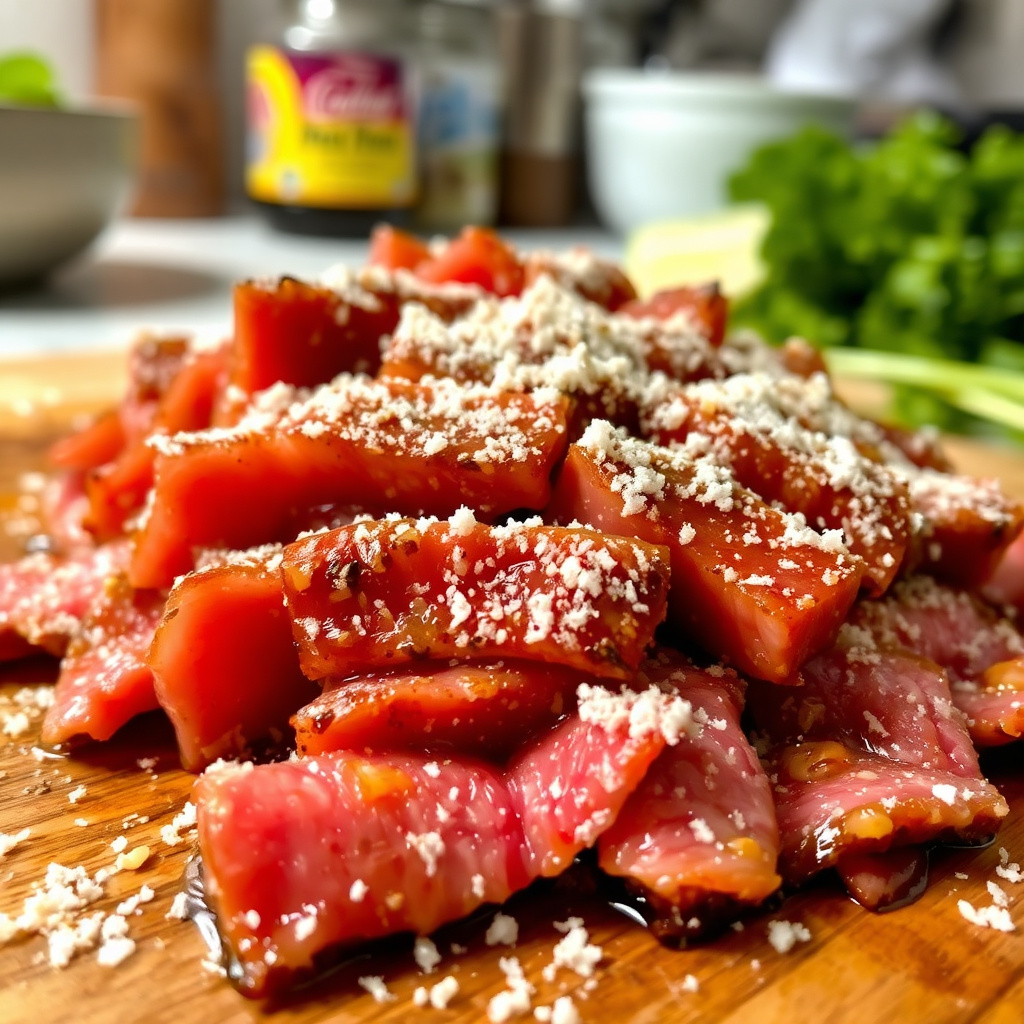
Velveting is a technique used primarily in Chinese cooking to tenderize beef before stir-frying. It involves marinating thin beef slices in a silky coating made from cornstarch, egg white, and liquid seasoning that forms a protective barrier during fast cooking.
This protective layer helps retain moisture inside the beef, preventing the muscle fibers from toughening. It also allows the meat to absorb flavors better once combined with stir-fry sauce.
The Role of Cornstarch and Egg White in Velveting
Cornstarch acts as a binder and shield, creating a smooth coating that keeps juices locked in. Egg white enhances this by giving the coating a velvet-like texture that softens the exterior of the beef, helping it cook evenly.
Together, these ingredients help produce beef slices that remain tender and slightly silky, contributing to the classic velvet feel that distinguishes stir-fried beef from ordinary seared meat.
Selecting the Beef Cut for Velveting

Best Cuts of Beef for Velveting
Cuts like flank steak, sirloin, and skirt steak are preferred for velveting because their grain is long and they benefit from tenderizing. These lean cuts absorb marinade flavors well without becoming greasy.
Tenderloin can also be velvetted but is less commonly used due to its higher cost and natural tenderness, which some cooks find doesn't require the extra step.
- Flank steak
- Sirloin
- Skirt steak
- Tenderloin (optional)
How to Slice Beef for Velveting
Slicing the beef thinly and against the grain ensures a shorter muscle fiber length, which makes the meat easier to chew once cooked. Aim for slices about 1/8 to 1/4 inch thick.
Partially freezing the beef before slicing can make cutting thinner strips easier and more consistent, improving texture and presentation.
Crafting the Best Velvet Beef Marinade

Essential Ingredients in a Velvet Beef Marinade
The core of the marinade includes cornstarch, egg white, Shaoxing rice wine or dry sherry, soy sauce, and a pinch of salt. These ingredients combine to tenderize the meat while enhancing flavor and texture.
Some recipes add a small amount of oil or baking soda to tenderize further, though baking soda should be used sparingly due to its alkaline properties which can alter flavor.
- Cornstarch
- Egg white
- Shaoxing rice wine or dry sherry
- Soy sauce
- Salt
For more on this, see our related guide: How to Velvet Chicken for Tender, Juicy Stir-Fries.
How Long to Marinate for Velveting
Marinating for 15 to 30 minutes is usually sufficient to coat the beef evenly and start the tenderizing process without releasing excess water. Over-marinating for hours can result in mushy texture because cornstarch can break down meat proteins excessively.
Timing can be adjusted depending on slice thickness and beef cut. Thicker slices may benefit from slightly longer marination, but it’s best to avoid over-soaking.
Cooking Techniques for Velveting Beef

Blanching Beef in Hot Oil (Oil Velveting)
Oil velveting involves blanching the marinated beef slices in hot oil heated to about 280-300°F (140-150°C) for 20 to 30 seconds until just cooked through. This seals the coating and keeps juices inside.
This method creates a slight crispness on the outside layer while keeping the interior tender. Drain on paper towels before adding the beef to stir-fry vegetables and sauce.
Velveting Beef in Hot Water (Water Velveting)
Alternatively, water velveting cooks beef slices in simmering water or broth for 30-60 seconds until opaque. This gentler method also sets the coating without extra oil and results in delicately tender beef.
Water velveting is preferred when you want a lighter dish or plan to sautée the beef briefly afterward with ingredients and sauce.
Incorporating Velveting into Stir-Fry Recipes

Timing with Vegetables and Sauces
After velveting, beef should be added near the end of cooking to avoid overcooking. Vegetables that take longer to soften go into the wok first, while tender ingredients and velvetted beef finish together quickly.
Add stir-fry sauce once beef joins the wok to evenly coat all ingredients and maintain the desired texture and flavor balance.
Popular Dishes Using Velveted Beef
Beef and broccoli stir-fry and pepper beef are classic dishes that make good use of velveted beef for tender texture. The velveting process enhances these recipes by preventing toughness during quick cooking.
Other recipes include Mongolian beef, black pepper beef, and various spicy Szechuan beef plates where tender, silky texture of velveted beef elevates the overall dish.
Tips, Variations, and Troubleshooting for Velvet Beef

Common Issues and How to Fix Them
If beef turns out tough or chewy, it could be sliced too thick, overcooked, or marinated too long with baking soda. Reducing slice thickness and cooking time improves tenderness.
If the coating becomes clumpy or falls off, ensure even coating during marinade and gentle handling while blanching avoid breaking the protective layer.
For a detailed history and additional context on velveting, see this overview at Velveting at Wikipedia. Velveting at Wikipedia.
Variations on Velveting Techniques
Some chefs replace egg white with milk or use tapioca starch instead of cornstarch depending on texture preference. You may also experiment with quick acid-based marinades like rice vinegar in moderation for flavor punch.
For a healthier version, water velveting saves oil but slightly changes texture. Try combining oil and water velveting for balanced results.
Velveting Beef Technique Comparison
Here’s a comparison of key velveting methods and marinades to help choose what suits your cooking style and dish best.
| Method | Coating Ingredients | Cooking Medium | Cook Time | Texture Result |
|---|---|---|---|---|
| Oil Velveting | Cornstarch, egg white | Hot oil (280-300°F) | 20-30 seconds | Slightly crisp, tender inside |
| Water Velveting | Cornstarch, egg white | Simmering water or broth | 30-60 seconds | Delicately tender, no crispness |
| Baking Soda Tenderizing | Cornstarch, egg white, baking soda | Oil or water | 20-30 seconds | Extra soft but can taste soapy if overused |
| Egg White Substitute (Milk) | Cornstarch, milk | Oil or water | 20-30 seconds | Softer coating, less glossy |
Frequently Asked Questions
Why should beef be sliced against the grain for velveting?
Slicing against the grain shortens muscle fibers, making beef easier to chew once cooked. This improves tenderness and complements the velveting technique.
Can I velvet beef without egg white?
Yes, you can substitute egg white with milk or omit it, but the velveting coating may be less silky and glossy. Cornstarch remains essential.
What happens if I marinate beef too long with cornstarch?
Over-marinating can cause beef to become mushy because cornstarch breaks down proteins excessively. Aim for 15 to 30 minutes to keep good texture.
Is water velveting healthier than oil velveting?
Water velveting uses no added oil, making it lower fat, but it produces a softer texture without any crispy edges that oil velveting provides.
Can velveting be done with frozen beef?
Beef should be partially thawed and firm for clean, thin slicing. Fully frozen beef is too hard to slice thinly for effective velveting.
Key Takeaways
- Velveting beef improves tenderness by coating and brief cooking in oil or water.
- Cornstarch and egg white are essential for the smooth velvet coating.
- Thinly sliced, lean cuts like flank and sirloin work best when velveted.
- Oil and water velveting offer different textures to suit preferences.
Conclusion
Learning how to velvet beef transforms typical stir-fry dishes by delivering tender, juicy meat with a distinctive silky texture. The key is in balancing the marinade ingredients, especially cornstarch and egg white, with correct slice thickness and brief cooking to set the coating. Whether using oil or water velveting, the technique ensures the beef stays moist during quick stir-frying, elevating the final dish’s mouthfeel and flavor.
For everyday cooking, lean cuts like flank steak or sirloin sliced thinly and marinated for 15 to 30 minutes will consistently yield tender results. Oil velveting adds a slight crispness ideal for beef and broccoli, while water velveting suits lighter preparations that emphasize soft textures. If health or oil consumption is a concern, water velveting is an effective alternative. Experimenting with small adjustments in marinade and cooking times can help you find your preferred velvet beef style.
As a practical next step, try preparing a basic velveted beef stir-fry using the outlined techniques. Pay close attention to slice size, marinade balance, and cooking times. With these foundations, you’ll quickly notice the difference velveting brings. Over time, you can tailor methods and flavorings to fit your favorite beef recipes and desired textures for consistently delicious stir-fry meals.