How Many Calories Are in a California Roll? A Clear Calorie Guide
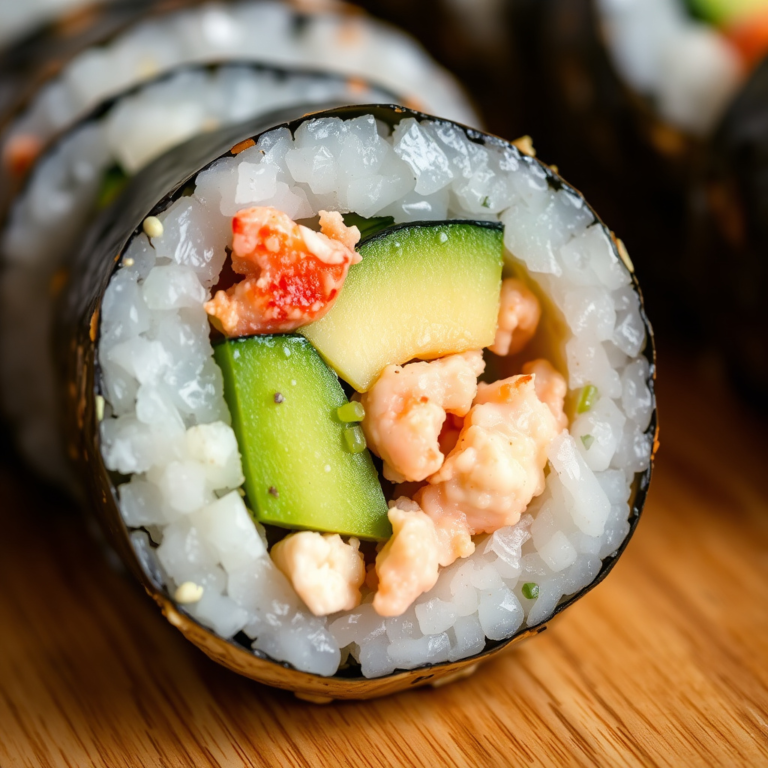
A standard California roll typically contains around 250 to 300 calories per eight-piece serving. This calorie range can vary depending on portion size and specific ingredients used, such as imitation crab, avocado, cucumber, and the sushi rice wrapped in seaweed.
Understanding the calorie content of a California roll matters if you track your daily caloric intake or aim to balance your meals. Sushi can be a nutritious option, but added sauces or extra fillings can change its calorie profile significantly.
This article explores the calorie makeup of a California roll, factors that influence its nutritional value, and how it compares with other popular sushi rolls. It also covers tips for choosing lower-calorie sushi options without losing flavor.
Ingredients That Determine California Roll Calories

Role of Imitation Crab and Protein Content
Imitation crab, or surimi, is a key ingredient in California rolls. It is relatively low in calories, with approximately 80 calories per 3-ounce serving. This provides a moderate protein source without a high calorie load, making it a common choice in sushi rolls.
Because it is processed fish, imitation crab tends to have less fat and protein than real crab meat. However, it adds flavor and texture while keeping the calorie count manageable within the roll.
Avocado and Its Calorie Contribution
Avocado adds creaminess and healthy fats to the California roll but also increases calories. One-eighth of an avocado has roughly 40 calories, primarily from monounsaturated fats.
The presence of avocado raises the calorie content compared to sushi rolls without it, but it offers vitamins and fiber, making it a nutritious addition.
Rice and Seaweed: The Sushi Base

Calorie Content in Sushi Rice
Sushi rice is seasoned and sticky, usually mixed with sugar and vinegar, which adds to its calorie count. A typical roll contains about 1/2 cup of cooked sushi rice, contributing around 120 calories.
Choosing less rice can reduce calories but may affect the texture and overall eating experience of the roll.
For more on this, see our related guide: Is California Roll Healthy? A Nutritional Breakdown and Guide.
Nori Seaweed and Its Nutritional Value
Nori or seaweed sheets used to wrap sushi are very low in calories, roughly 10 calories per sheet. It is nutrient-dense, providing iodine, vitamins, and minerals, adding minimal calories but significant nutritional benefits to the California roll.
Its flavor also complements the roll's other ingredients without adding fat or sugar.
How Sauces and Extras Affect Calorie Count
Impact of Mayonnaise-Based Sauces
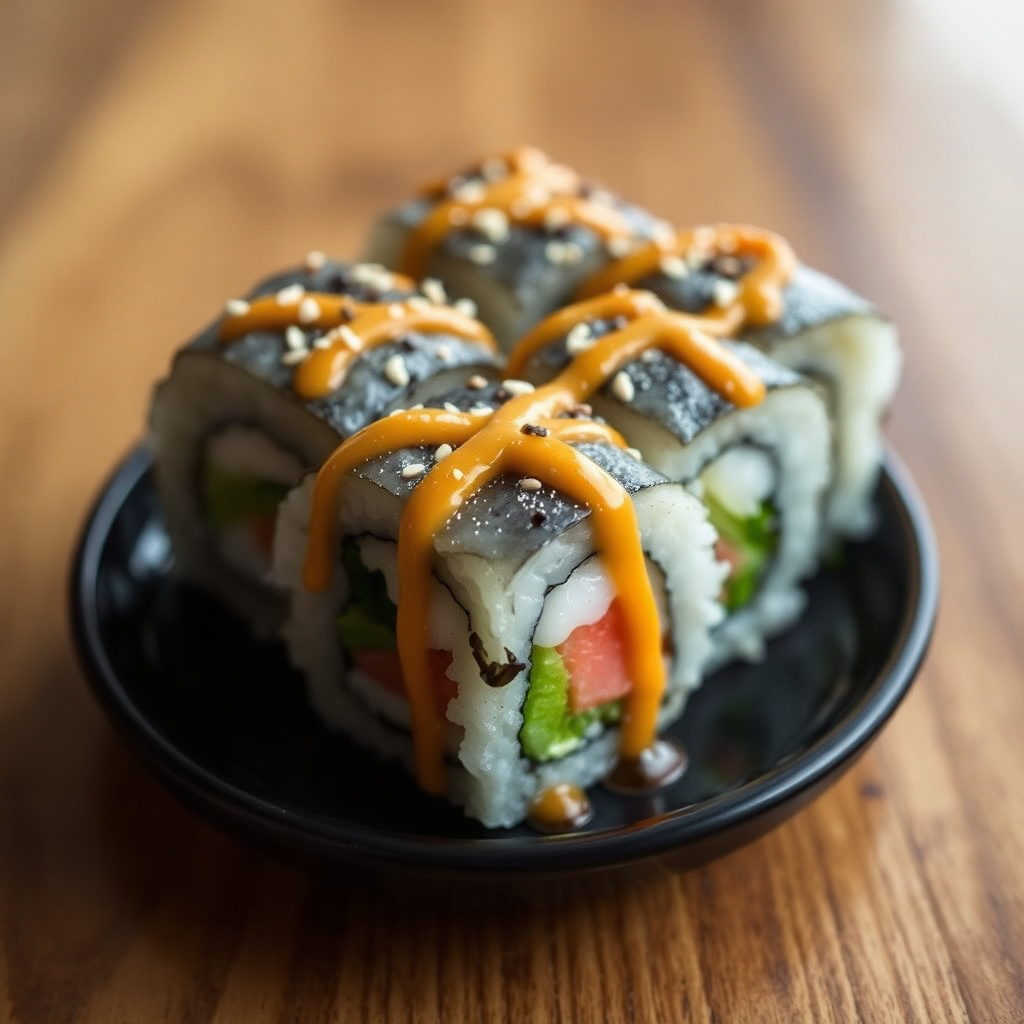
Sauces such as spicy mayo or creamy dressing add around 50 to 100 calories per serving, depending on the amount used. These sauces can significantly increase the total calories in a California roll.
For a lower calorie option, request the roll without sauces or use soy sauce sparingly.
- Spicy mayo adds about 100 calories per tablespoon
- Soy sauce is low calorie but high in sodium
Extras: Sesame Seeds and Fillings
Sesame seeds sprinkled on the roll add flavor and about 15 calories per teaspoon. Some variations include tobiko (flying fish roe) or other toppings, which slightly increase the calorie count but add a boost of texture.
Additional fillings like cream cheese or tempura flakes substantially increase calories and should be monitored.
Comparing California Rolls to Other Sushi Rolls

Calorie Differences with Spicy Tuna and Philadelphia Rolls
Spicy tuna rolls typically contain about 290 to 350 calories per roll because they include rich tuna and spicy mayo, which raises fat content. Philadelphia rolls, with cream cheese and smoked salmon, can reach up to 400 calories.
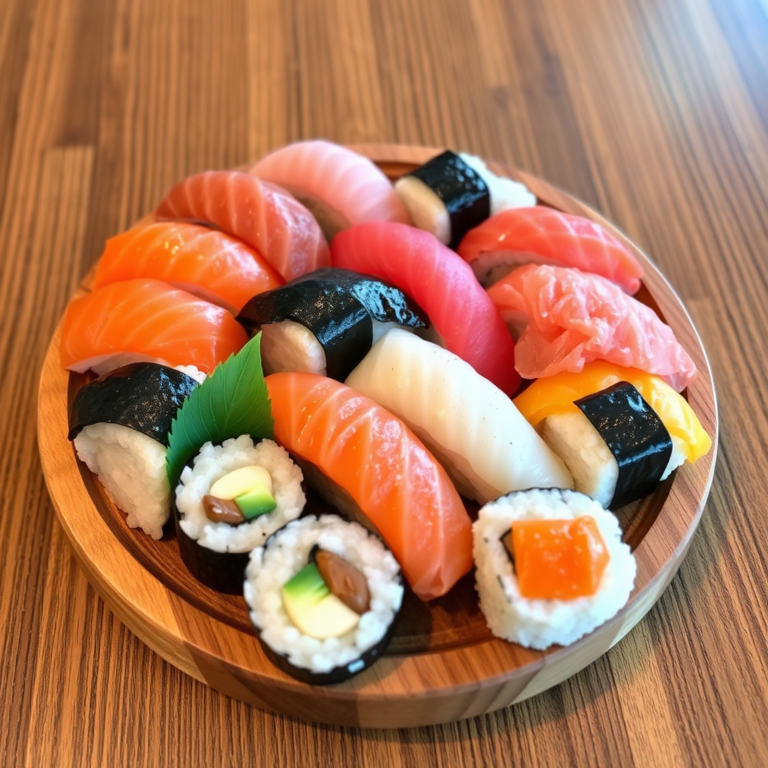
California rolls fall in the mid-range of popular sushi calories, suitable for moderation within a balanced diet.
For more on this, see our related guide: What Is in a Dragon Roll? Exploring the Ingredients of This Popular Sushi.
Lower-Calorie Options: Cucumber and Vegetable Rolls
Vegetarian rolls such as cucumber rolls have as few as 140 calories per roll, making them ideal for those seeking lighter options. They contain mostly rice and cucumbers with minimal fat or added ingredients.
Choosing these options can help reduce overall calorie intake while enjoying sushi flavors.
Tips for Enjoying California Rolls in a Calorie-Conscious Diet
Controlling Portion Size
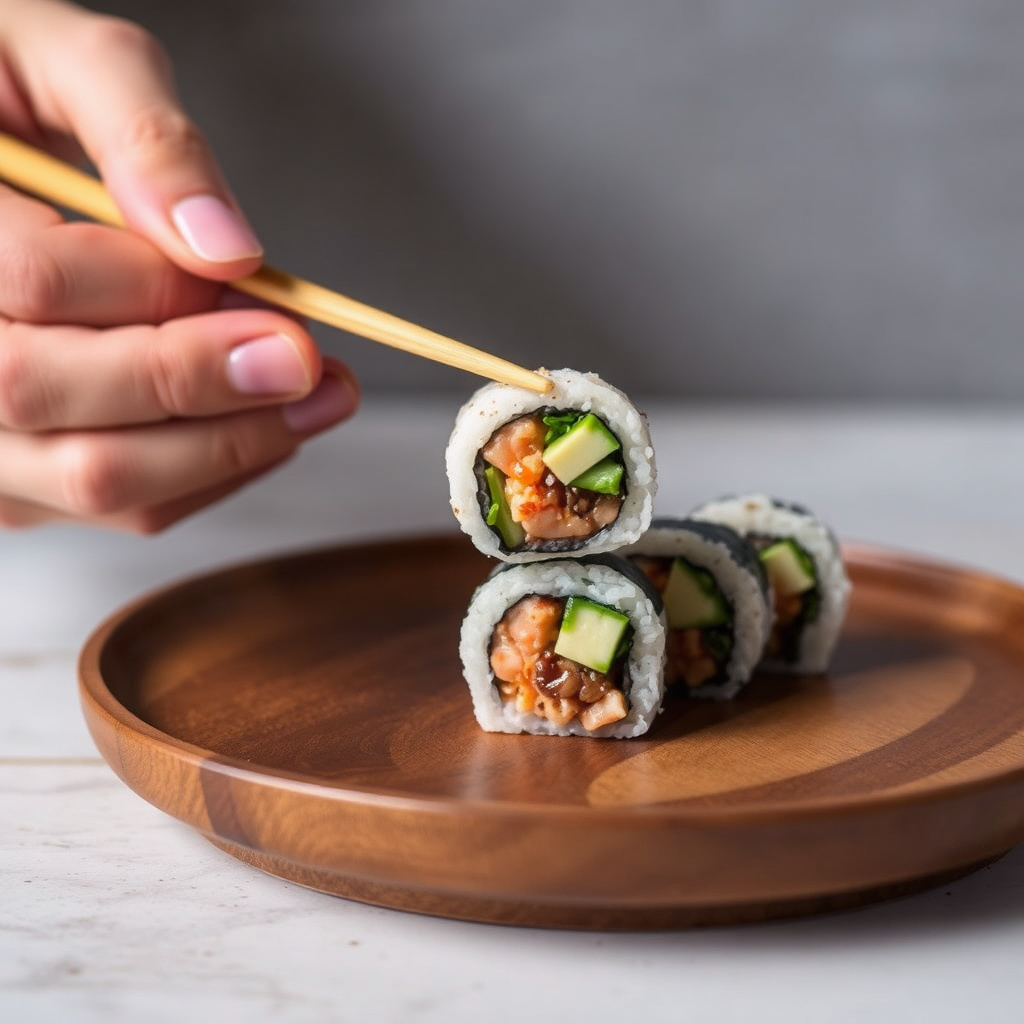
Eating half a roll or sharing can halve your calorie consumption from a single serving, which helps control overall intake without sacrificing enjoyment.
Ordering rolls with fewer pieces or combining with low-calorie appetizers also manages calorie load sensibly.
You can learn more about the California roll’s history and ingredients on its Wikipedia page. California roll.
Opting for Lighter Additions
Requesting no mayonnaise-based sauces or limiting soy sauce to reduce sodium is a good choice when watching calories and salt.
Including side dishes like miso soup or seaweed salad adds nutrition without excess calories.
- Avoid spicy mayo or creamy sauces
- Consider sashimi as a low-calorie alternative
California Roll Calorie Comparison with Popular Sushi Rolls
Here is a side-by-side comparison highlighting the calorie content of California rolls versus other common sushi roll types.
| Sushi Roll | Calories per Roll | Main Ingredients | Typical Serving Size |
|---|---|---|---|
| California Roll | 250-300 | Imitation crab, avocado, cucumber, rice, seaweed | 8 pieces |
| Spicy Tuna Roll | 290-350 | Tuna, spicy mayo, rice, seaweed | 8 pieces |
| Philadelphia Roll | 350-400 | Smoked salmon, cream cheese, cucumber, rice, seaweed | 8 pieces |
| Cucumber Roll | 140-160 | Cucumber, rice, seaweed | 8 pieces |
| Avocado Roll | 190-220 | Avocado, rice, seaweed | 8 pieces |
Frequently Asked Questions
Is a California roll healthy?
A California roll offers a balanced mix of protein, healthy fats, and carbohydrates, making it a relatively healthy sushi choice when eaten in moderation without high-calorie sauces.
Can I reduce calories in a California roll?
Yes, reducing or skipping sauces, eating smaller portions, and avoiding extra toppings like cream cheese can lower the calorie content significantly.
How does avocado affect the calorie count in a California roll?
Avocado adds healthy fats and about 40 calories per eighth of an avocado, increasing the total roll calories but offering nutritional benefits.
Are California rolls gluten-free?
California rolls can be gluten-free if soy sauce used is gluten-free and the imitation crab does not contain gluten. Always check with the restaurant.
Do California rolls contain a lot of carbs?
Yes, the sushi rice used in California rolls is a significant source of carbohydrates, typically contributing around 120 calories per half cup serving.
Key Takeaways
- A typical California roll contains 250-300 calories per 8-piece serving.
- Avocado increases calories but adds healthy fats and nutrients.
- Sauces and extras like mayo or cream cheese add significant calories.
- Choosing smaller portions or lighter rolls can help manage calorie intake.
Conclusion
Determining how many calories are in a California roll helps you make more informed food choices, especially if you monitor your calorie intake or maintain a balanced diet. The roll combines moderate protein, healthy fats from avocado, and carbohydrates from sushi rice to create a nutritionally balanced meal option. Paying attention to portion sizes and added sauces will influence the total calorie count you consume.
If you want to enjoy sushi but keep calories in check, California rolls serve as a reasonable middle ground compared to higher-calorie options like Philadelphia or spicy tuna rolls. For lighter meals, consider cucumber or avocado rolls with fewer calories. Asking for no sauces or sharing rolls is an effective way to enjoy sushi without overconsuming calories.
In practical terms, start by choosing California rolls with no extra mayonnaise-based sauces and balance your meal with vegetable sides like seaweed salad or miso soup. This approach allows you to savor sushi flavors while maintaining calorie control and a satisfying dining experience.


One Comment