How Many Calories Are in Sushi Rice? A Detailed Guide
Sushi rice contains roughly 130 to 160 calories per 100 grams, depending on preparation. This calorie range reflects plain sushi rice before any additional ingredients like vinegar, sugar, or salt are added, which can slightly increase the count. Since sushi rice is a staple in various sushi dishes, understanding its calorie content helps you manage your overall intake effectively.
Knowing the calories in sushi rice is useful because rice is the main carbohydrate source and contributes most of the calories in sushi dishes. While sushi often features nutrient-rich fish and vegetables, the rice foundation provides energy but can carry more calories than expected, especially in large portions. Tracking rice calories allows sushi lovers to balance their meals and avoid unintentional calorie overload.
This article breaks down the calorie content of sushi rice, explains how serving sizes impact the total calorie count, explores differences among sushi types, and offers practical pointers for enjoying sushi within your dietary goals.
Understanding Sushi Rice Calories
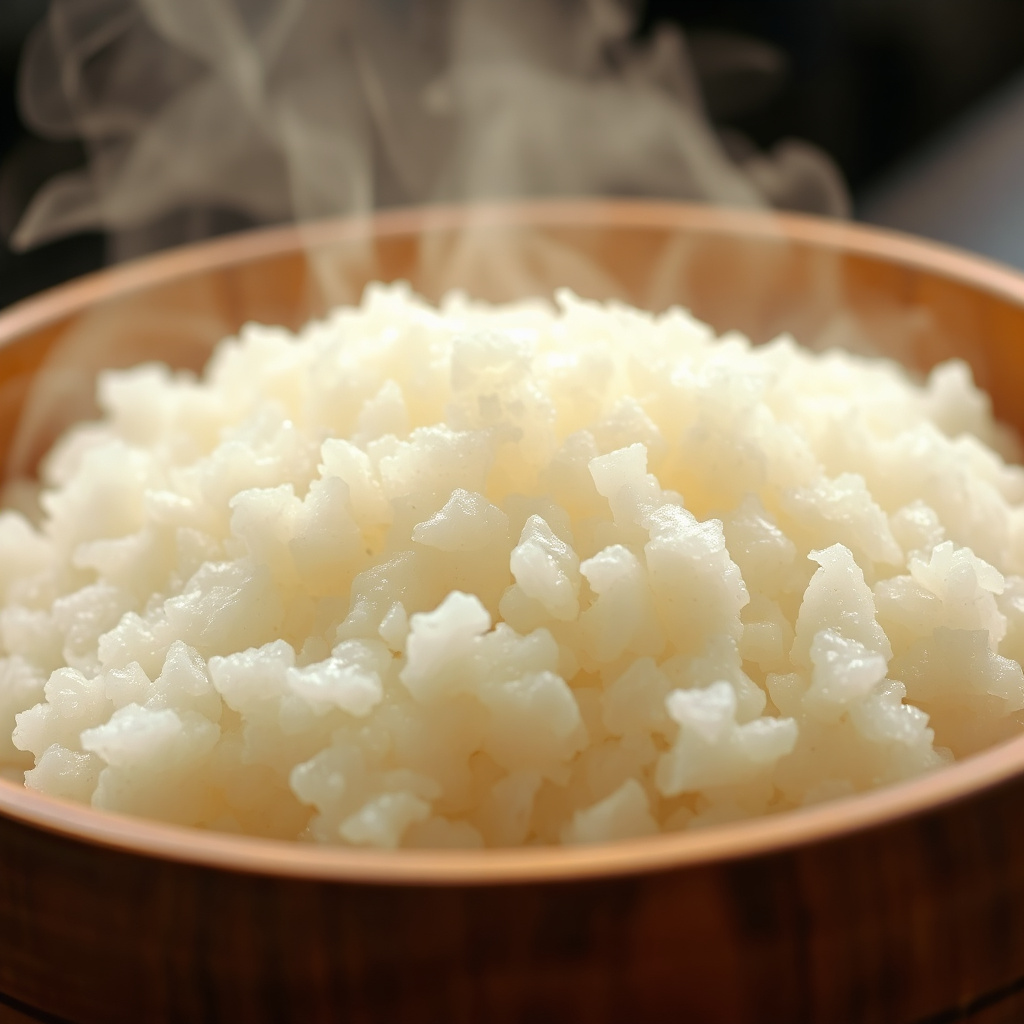
Basic Calorie Content per Serving
Plain cooked sushi rice averages about 130 to 160 calories per 100 grams. This range depends on the rice variety and exact cooking method. Sushi rice is typically short-grain Japonica rice mixed with a vinegar, sugar, and salt seasoning which adds minor calories.
A standard sushi roll mound or nigiri ball is usually between 20 to 50 grams of sushi rice, meaning each piece contains roughly 25 to 80 calories from rice alone before fish or toppings.
How Preparation Affects Calories
Sushi rice seasoning with sugar and rice vinegar slightly increases calorie count by a few calories per serving. Sugar content varies by recipe, which influences total calories in the seasoned rice versus plain cooked rice.
Additional oiling or mixing techniques can also add calories but typically remain minimal compared to the base rice calorie content.
Calorie Comparison: Sushi Rice vs. Other Rice Types

Sushi Rice Compared to Long-Grain White Rice
Sushi rice has a similar calorie density to other white rice varieties like basmati, both averaging around 130-160 calories per 100 grams. However, sushi rice's sticky texture comes from its higher amylopectin starch content, not calorie content.
Long-grain rices tend to be fluffier and might feel less dense in servings, but the calorie difference per gram is marginal between sushi and long-grain white rice.
- Sushi rice: 130-160 calories per 100g
- Basmati rice: about 130 calories per 100g
- Jasmine rice: about 150 calories per 100g
Brown Rice and Calorie Variations
Brown rice contains slightly more calories per gram on average (about 110-125 per 100 grams cooked) but adds more fiber and nutrients, which can affect satiety and health benefits.
Sushi made with brown rice is less common but possible, offering a different nutritional profile and marginal differences in calories compared to traditional sushi rice.
Calorie Content in Popular Sushi Types

Nigiri and Maki Sushi Rice Calories
Nigiri, which places a topping like fish over a small rice ball, usually has about 25-50 grams of sushi rice, so the rice part contributes approximately 30-80 calories per piece.
Maki rolls typically have more rice volume due to the size and layers, ranging from 50 to 100 grams per roll, translating to roughly 65-160 calories from rice per roll before fillings.
For more on this, see our related guide: How Many Calories Are in Nigiri? A Detailed Nutritional Guide.
Specialty Rolls and Rice Variability
Specialty rolls often use extra rice or are larger in size, which increases calories. Additionally, some use tempura or mayonnaise-based sauces adding significant calories beyond the rice.
Temaki (hand rolls) vary widely in size, so their rice calorie content ranges from 50 to over 100 calories just from the rice portion depending on how much rice is packed.
Managing Sushi Rice Calories in Your Diet

Portion Control Techniques
Ordering smaller sushi portions or sharing rolls allows for easier control of rice calories. Choosing nigiri over large maki rolls minimizes rice volume per serving.
When dining out, requesting less rice if possible or choosing sushi with more fish and veggies helps reduce calorie intake from starch.
- Ask for half rice portions if available
- Share rolls with friends
- Choose sashimi or nigiri over large rolls
Substitutions and Alternatives
Some restaurants now offer cauliflower rice or brown rice as a substitute to reduce calories and improve nutrition. These options can lower carbohydrate calories but may alter traditional sushi texture and flavor.
Sushi bowls or poke bowls enable more flexible rice control since you can measure servings more easily.
- Cauliflower rice substitution
- Brown rice sushi options
- Sushi bowls for customized rice amounts
Nutritional Benefits and Drawbacks of Sushi Rice

Benefits of Sushi Rice
Sushi rice provides quick-release energy from carbohydrates and pairs well with nutrient-dense fish. It is generally low in fat and cholesterol-free.
When prepared traditionally with vinegar, it may support digestion and provide small amounts of micronutrients.
For more on this, see our related guide: How Many Calories Are in Sashimi? A Clear Guide to Its Nutritional Content.
Drawbacks and Considerations
High glycemic index makes sushi rice less suitable for blood sugar management. The added sugar in seasoning increases calories slightly and could affect diabetic individuals.
Sushi rice is low in fiber and protein, so balancing it with other ingredients is necessary for a filling meal.
Tracking Calories When Eating Sushi

Using Nutrition Labels and Apps
Many commercially prepared sushi packages include calorie data to help consumers manage intake. Apps and websites allow scanning barcodes or searching sushi types to get accurate calorie estimates.
Consistent tracking helps identify how rice portions affect total daily calorie count and supports mindful eating.
For a more thorough understanding of sushi rice ingredients and preparation, consult the detailed sushi rice nutrition article on Wikipedia. Sushi rice nutrition on Wikipedia.
Estimating Calories Without Labels
When nutritional information is unavailable, use general estimates: about 130-160 calories per 100 grams of sushi rice, and assume nigiri pieces have about 30-50 calories of rice each.
This estimation helps guide choices even in traditional sushi restaurants where labeling is rare.
Sushi Rice Types Calorie Comparison
Here is a comparison of various rice types used in sushi and their typical calorie counts per 100 grams cooked weight.
| Rice Type | Calories per 100g | Common Use | Texture |
|---|---|---|---|
| Traditional Sushi Rice (Short-Grain) | 130-160 | Most sushi rolls and nigiri | Sticky and slightly chewy |
| Long-Grain White Rice | 130-150 | Occasional sushi variants or side dishes | Less sticky, fluffier |
| Brown Rice | 110-125 | Health-conscious sushi alternatives | More fibrous and nutty |
| Cauliflower Rice | 25-30 | Low-calorie sushi substitute | Grainy, vegetable texture |
| Mixed Grain Rice | 140-155 | Specialty or fusion sushi options | Chewy, varied texture |
Frequently Asked Questions
Does sushi rice contain added sugar and how does it affect calories?
Yes, sushi rice is typically seasoned with a vinegar and sugar mixture which adds a small number of calories, slightly increasing the total from plain cooked rice.
Is sushi rice more calorie-dense than regular white rice?
Sushi rice and white rice have similar calorie densities, but sushi rice is stickier due to different starch content, which may affect portion perception.
Can I reduce calories by choosing nigiri over maki rolls?
Generally yes, because nigiri contains less rice per piece than many maki rolls, making rice calories lower in nigiri servings.
Are brown rice sushi rolls significantly lower in calories?
Brown rice sushi often has comparable or slightly fewer calories than white sushi rice, but its higher fiber content offers greater nutritional benefits.
How can I track sushi rice calories when eating out?
Use calorie tracking apps with sushi entries or estimate rice portions based on common serving sizes to approximate calorie intake at restaurants.
Key Takeaways
- Sushi rice contains about 130-160 calories per 100 grams cooked.
- Rice seasoning adds minor calories but contributes to sushi's flavor profile.
- Nigiri sushi generally has fewer rice calories per piece than maki rolls.
- Choosing brown or cauliflower rice can reduce calories and increase nutrition.
Conclusion
When deciding how many calories are in sushi rice and their impact on your meal, focus primarily on portion size and rice preparation. Sushi rice itself has a calorie count similar to other white rice types but is often seasoned with sugar and vinegar that slightly boost calories. Understanding these factors helps manage calorie intake without giving up sushi enjoyment.
For those tracking calories carefully, nigiri offers a manageable amount of rice calories per piece, while larger maki rolls and specialty rolls tend to pack significantly more rice, increasing total carbs and calories. Alternatives like brown rice sushi or cauliflower rice can provide lower-calorie options or added nutritional value, useful for specific diet plans or personal preferences.
Ultimately, practical control methods such as sharing rolls, choosing higher fish-to-rice ratios, and using nutrition apps to estimate intake will help you enjoy sushi without unexpectedly raising calorie consumption. Start with familiar dishes, measure portions mentally, and adjust choices based on your health goals.




One Comment