How to Choose the Lowest Calorie Sushi Rolls for a Healthy Meal
To find the lowest calorie sushi rolls, focus on options that minimize high-calorie ingredients like fried tempura, creamy sauces, and mayonnaise-based fillings. Simpler rolls with fresh fish, vegetables, and seaweed tend to have fewer calories. For example, cucumber rolls and sashimi are among the lowest calorie choices available.
Choosing sushi rolls with fewer added fats and sugars matters if you're watching your calorie intake but still want to enjoy flavorful food. Sushi can be a balanced meal, rich in protein and vitamins if selected wisely. Knowing which rolls contain more calories helps you make smart decisions without sacrificing taste.
This article will explore various types of sushi rolls, highlighting those that are lower in calories. You’ll also learn about ingredients that add calories and how to spot healthy sushi roll options. A comparison section will help you quickly identify the best roll categories suited for a low-calorie diet.
Understanding Calories in Sushi Rolls
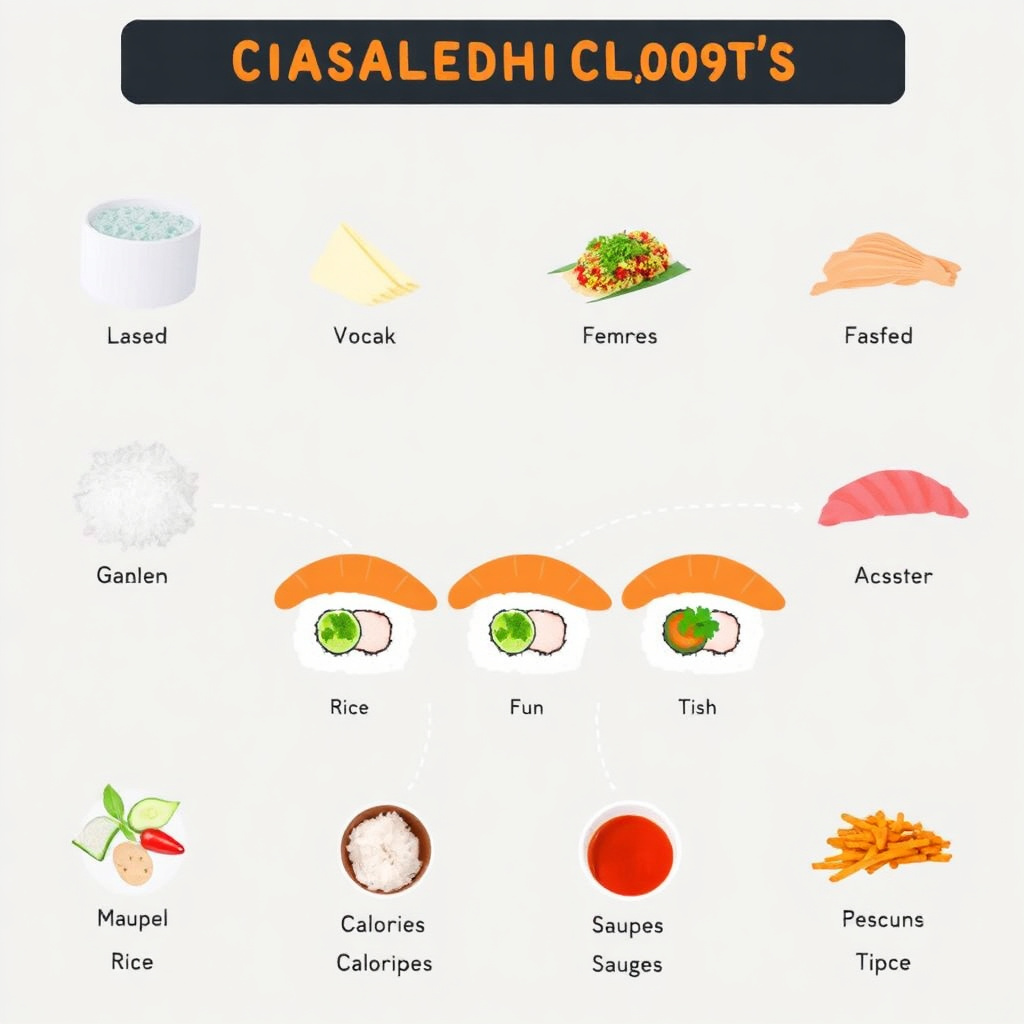
Calorie Breakdown of Common Sushi Ingredients
The main calorie contributors in sushi rolls are white rice, sauces, and fried components. White rice contains roughly 130-150 calories per half-cup, and many rolls contain a full cup of rice or more. Sauces like mayonnaise or eel sauce add extra fats and sugars, increasing calories significantly.
Protein sources vary in calorie content; lean fish like tuna and salmon offer high protein but moderate calories, while fried tempura shrimp or cream cheese fillings add more unhealthy fats and calories. Vegetables and seaweed add negligible calories, making them great additions for volume without weight gain.
How Portion Sizes Affect Sushi Roll Calories
Standard sushi rolls usually have six to eight pieces, but calories can quickly add up if multiple rolls are consumed. Rolls that include more rice and fillings, or larger portions, naturally contain more calories than simpler, smaller options.
Being mindful of how many pieces you eat and combining rolls with low-calorie sashimi or salads can help balance your meal. Portion control and ingredient awareness make a big difference in keeping overall calorie intake low.
Lowest Calorie Sushi Roll Types

Fresh Vegetable and Fish Rolls
Cucumber rolls, avocado rolls, and tuna or salmon sashimi rolls are some of the lowest calorie sushi options. These rolls typically use minimal rice and avoid heavy sauces or fried components, keeping calories to a minimum.
Vegetable rolls like cucumber and avocado provide fiber, vitamins, and minerals while remaining low in calories. Fresh fish options such as tuna or salmon add protein without extra carbs or fat, making them ideal for calorie-conscious eating.
- Cucumber roll: ~140 calories per roll
- Avocado roll: ~160 calories per roll
- Tuna roll: ~180 calories per roll
Avoiding High-Calorie Additions
Avoiding rolls with tempura, cream cheese, and fried ingredients dramatically reduces calorie intake. For example, tempura shrimp rolls can contain twice as many calories as simple fish or cucumber rolls due to batter and frying oil.
Similarly, sauces like spicy mayo or eel sauce add hidden sugars and fats. Opting to ask for sauce on the side or skipping it altogether helps maintain lower calorie counts without sacrificing flavor.
- Skip fried tempura
- Limit creamy sauces
- Choose soy sauce or fresh wasabi as alternatives
Choosing Healthy Sushi Roll Options

Customizing Rolls for Fewer Calories
Many sushi restaurants allow customization, so you can request less rice or no sauces, which helps reduce calories significantly. Some places now offer brown rice rolls, which contain fewer calories and more fiber compared to white rice.
You can also choose sashimi-style portions with just fish and no rice, lowering calorie intake even further while increasing protein consumption. Combining this with veggie rolls provides a balanced, low-calorie sushi meal.
- Request smaller rice portions
- Choose brown rice options
- Ask for sauce on the side or omit it
For more on this, see our related guide: Is Sushi Good for Weight Loss? Exploring Its Benefits and Pitfalls.
Pairing Sushi Rolls with Low-Calorie Sides
Pair your sushi with low-calorie sides such as miso soup, seaweed salad, or edamame for a filling but calorie-conscious meal. These options add volume and nutrients without excess calories or fat.
Avoid calorie-dense appetizers like fried dumplings or creamy salads. The right side dishes complement your low-calorie sushi rolls while keeping the overall meal light and healthy.
- Miso soup: ~40 calories per cup
- Seaweed salad: ~70 calories per serving
- Edamame: ~120 calories per half cup
Calories in Popular Sushi Roll Categories Compared
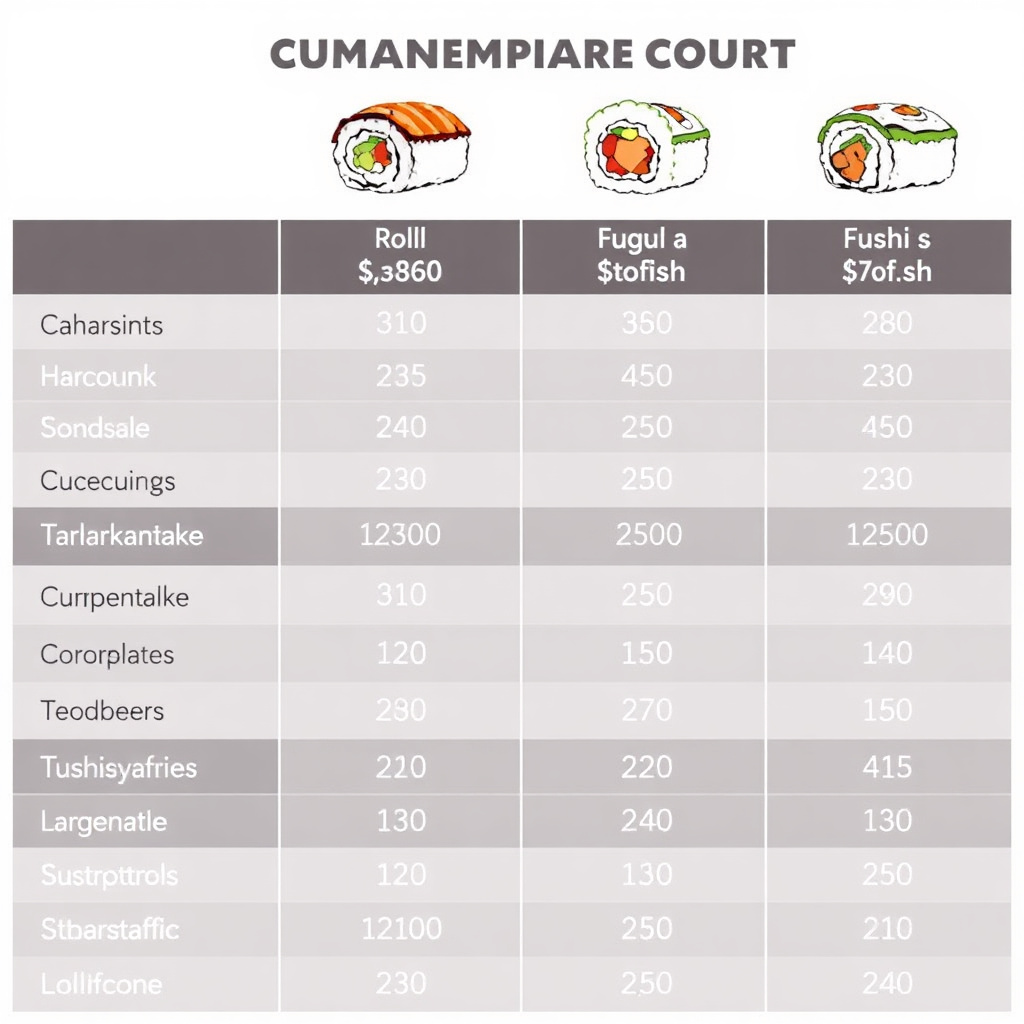
Traditional vs. Specialty Rolls
Traditional rolls such as tuna, cucumber, or vegetable rolls typically stay under 200 calories per roll. Specialty rolls often include fried ingredients, sauces, and cream cheese, which can push calories to 500 or more per roll.
Understanding these differences helps you make informed choices based on calorie goals, favoring traditional or custom simple rolls over specialty rolls for lower calorie intake.
Sashimi and Nigiri vs. Rolls
Sashimi and nigiri are low-calorie options since they have minimal rice and no sauces. A typical piece of sashimi ranges from 30-40 calories depending on the fish type, while nigiri contains about 50-70 calories per piece due to the small rice portion.
These options work well when you want high-protein, low-calorie choices without rice-heavy sushi rolls, fitting nicely into a healthy eating plan.
Reading Nutrition Labels and Menus for Sushi
Finding Calorie Information at Restaurants
Many sushi restaurants now include calorie counts on menus or websites. Look for this information to choose the lowest calorie sushi rolls confidently. When in doubt, ask staff for ingredient details or use nutrition apps for estimates.
Be mindful that large specialty rolls or fusion creations often have higher calories, so compare honestly with traditional options listed.
For more on this, see our related guide: How to Eat Healthy at a Sushi Restaurant Without Sacrificing Flavor.
Using Apps and Online Tools
Nutrition tracking apps provide extensive databases of sushi rolls and their calorie counts, helping you maintain your calorie goals even when eating out. Apps can calculate the impact of sauces, extras, or substituted ingredients for accurate estimates.
Regular use of these tools builds awareness around the calorie content in sushi rolls and helps you pick meals that fit your dietary needs with ease.
Common Mistakes When Choosing Sushi Rolls

Underestimating Sauce and Fried Ingredients
Many people overlook how much calories sauces and fried coatings add to sushi rolls. Creamy sauces can add 100+ calories per serving, and tempura adds fats from oil absorption, doubling a roll’s calorie count compared to fresh fish and vegetables alone.
It is easy to unintentionally consume more calories by selecting rolls loaded with these extras, increasing sugar, fat, and overall calorie intake.
For a detailed overview of sushi types and ingredients, you can explore this comprehensive resource on sushi nutrition information. Sushi nutrition information.
Ignoring Portion Sizes and Eating Multiple Rolls
Even low-calorie rolls add up quickly if you consume multiple rolls in one sitting. Eating five or six rolls at once can surpass daily calorie needs and negate the benefit of choosing low-calorie options initially.
Being mindful of portion sizes, sharing rolls, or pairing sushi with light salads can prevent overeating and help you stick to your calorie goals.
- Monitor number of rolls consumed
- Balance sushi with light sides
- Share larger orders with others
Lowest Calorie Sushi Rolls Category Comparison
This table compares common sushi roll categories based on typical calorie content per roll and notable features to help you pick the best low-calorie options.
| Category | Approximate Calories per Roll | Typical Ingredients | Key Benefits |
|---|---|---|---|
| Cucumber Roll | 140 | Cucumber, white rice, seaweed | Very low calorie, high fiber |
| Avocado Roll | 160 | Avocado, white rice, seaweed | Healthy fats, low calorie |
| Tuna Roll | 180 | Tuna, white rice, seaweed | High protein, low fat |
| Tempura Shrimp Roll | 500+ | Fried shrimp, rice, sauces | High calorie, rich flavor |
| Salmon Sashimi | 30-40 per piece | Fresh salmon | Very low calorie, high protein |
| Spicy Tuna Roll | 290 | Tuna, spicy mayo, rice, seaweed | Moderate calories, spicy flavor |
Frequently Asked Questions
What is the lowest calorie sushi roll I can order?
Cucumber rolls are among the lowest calorie sushi options, with about 140 calories per roll. They consist mostly of cucumber and rice wrapped in seaweed, containing minimal fat and sugar.
Are sashimi and nigiri lower in calories than rolls?
Yes, sashimi and nigiri typically have fewer calories than rolls because they contain little to no rice and no sauces. A piece of sashimi usually contains around 30-40 calories.
How can I reduce calories when ordering sushi rolls?
Ask for less rice, avoid fried ingredients and creamy sauces, choose brown rice if available, and consider sashimi or vegetable rolls to lower calorie intake.
Do sauces and toppings significantly increase sushi calorie counts?
Absolutely. Sauces like mayonnaise-based spicy mayo or eel sauce add extra fat and sugar calories, while fried toppings increase oil content, doubling or tripling calories compared to simple rolls.
Is brown rice a better low-calorie option for sushi?
Brown rice contains more fiber but slightly fewer calories than white rice in typical sushi portions. It also adds nutritional benefits that support digestion and satiety.
Key Takeaways
- Simple rolls with fresh fish and vegetables tend to have the lowest calories.
- Avoid rolls with fried tempura, creamy sauces, or mayonnaise to reduce calorie intake.
- Sashimi and nigiri offer very low-calorie, high-protein alternatives to rolls.
- Customization and portion control are effective strategies for calorie-conscious sushi eating.
Conclusion
Choosing the lowest calorie sushi rolls requires attention to ingredients, preparation methods, and portion sizes. By prioritizing rolls made with fresh fish, vegetables, and minimal rice, you reduce calorie intake while still enjoying flavorful meals. Understanding how sauces, fried fillings, and cream cheese contribute calories helps you spot better options on any sushi menu.
For those seeking specific recommendations, cucumber, avocado, and tuna rolls are excellent low-calorie choices, typically ranging between 140 and 180 calories per roll. For even fewer calories, sashimi or nigiri are ideal due to their smaller rice amounts. Avoiding specialty rolls loaded with tempura or spicy mayonnaise keeps calorie counts manageable.
Next time you order sushi, consider customizing your roll by requesting less rice or no sauce and balance your meal with low-calorie sides like seaweed salad or miso soup. This approach lets you relish sushi without compromising your health goals.




One Comment