Jasmine Rice vs Sushi Rice: Which One Suits Your Cooking Needs Best?
Jasmine rice and sushi rice may look similar, but they serve quite different culinary purposes. Jasmine rice is a fragrant long-grain variety from Thailand, known for its delicate floral aroma and light, fluffy texture when cooked. Sushi rice, on the other hand, is a short-grain rice with a sticky, plump texture essential for holding sushi rolls together.
Using the correct rice type affects the authenticity and texture of your dish, whether it's a fragrant Thai curry or classic Japanese sushi. Jasmine rice’s aroma enhances Southeast Asian meals but lacks the stickiness needed for sushi. Sushi rice’s stickiness and slight sweetness make it perfect for sushi, but it can seem heavy or gummy in other dishes.
This article compares jasmine rice vs sushi rice across aroma, texture, cooking methods, and applications. It will guide you through choosing the right rice for your cooking style and explain how to handle each rice type to maximize flavor and texture.
Flavor and Aroma Differences in Jasmine Rice vs Sushi Rice

Jasmine Rice: Floral Aroma with Subtle Sweetness
Jasmine rice has a natural, distinctive floral fragrance caused by the compound 2-acetyl-1-pyrroline. This makes it ideal for dishes where aroma is a central quality, like Thai curries, stir-fries, or coconut rice.
Its subtle sweetness enhances dishes without overpowering other ingredients. Jasmine’s flavor profile makes it a popular choice in Southeast Asian cuisine where rice’s fragrance complements spices and herbs.
Sushi Rice: Neutral with Slight Sweetness
Sushi rice has a mild, somewhat neutral flavor with a touch of sweetness that comes through after vinegar seasoning. This subtlety allows sushi toppings to shine without competing with the rice’s taste.
Unlike jasmine rice, sushi rice lacks a strong aroma and is designed to be a background base that binds ingredients. The sweetness pairs well with vinegar and sugar to create the signature sushi rice flavor.
Texture and Grain Characteristics: Jasmine Rice vs Sushi Rice

Jasmine Rice: Long-Grain and Fluffy
Jasmine rice grains are long, slender, and remain separate after cooking. The texture is light and fluffy, achieved by cooking with a rice-to-water ratio of about 1:1.5.
Because of its separation, jasmine rice is less sticky, making it perfect for meals requiring loose grains rather than clumping textures.
- Long grains
- Fluffy, separate after cooking
- Light and dry texture
Sushi Rice: Short-Grain and Sticky
Sushi rice grains are rounder and shorter, with higher amylopectin starch content that causes stickiness. This characteristic is crucial for molding hands or seaweed to keep sushi intact.
When cooked, sushi rice becomes tender and sticky, clumping together easily, so it doesn’t fall apart in your hands or chopsticks.
- Short, round grains
- Sticky and clumps when cooked
- Soft, tender texture
Cooking Techniques for Jasmine Rice and Sushi Rice

Preparing Jasmine Rice
Jasmine rice is traditionally rinsed once or twice to reduce excess starch but not overly, as some starch helps maintain its fragrance. It is cooked using a slightly lower water ratio than other long grains, often around 1:1.5 rice to water by volume.
Using a rice cooker or stovetop method, the goal is fluffy rice without clumps. Letting it rest covered after cooking allows moisture to redistribute evenly.
- Rinse lightly once or twice
- Water ratio ~1:1.5
- Rest after cooking
For more on this, see our related guide: How Many Carbs Are in Fried Rice? A Detailed Carb Content Guide.
Preparing Sushi Rice
Sushi rice requires thorough rinsing until running water is clear to remove excess surface starch, preventing overly gummy texture. It is soaked before cooking to ensure even moisture absorption.
After cooking, it’s mixed gently with a seasoned vinegar blend while fanning to cool rapidly, creating the distinct sushi rice flavor and sticky texture.
- Rinse thoroughly until water runs clear
- Soak before cooking
- Season with vinegar after cooking
Using Jasmine Rice and Sushi Rice in Different Dishes

Jasmine Rice Ideal Uses
Jasmine rice supports a variety of Southeast Asian dishes such as Thai green curry, fried rice, and coconut-infused rice. Its aromatic quality pairs well with bold, spicy, or sweet ingredients.
It also works well as a side dish for grilled or stir-fried proteins, where the fluffy grains absorb sauces without becoming mushy.
- Thai curries and stir-fries
- Coconut rice
- Grilled meats and seafood sides
Common Sushi Rice Applications
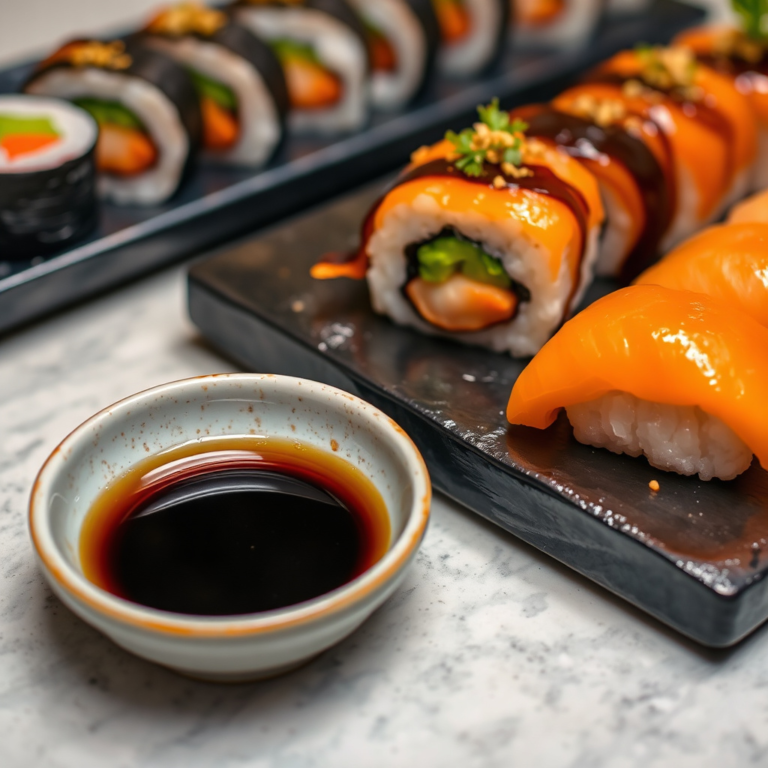
Sushi rice is specifically crafted for sushi rolls, nigiri, and chirashi bowls. Its sticky texture provides structural integrity, letting chefs shape rolls or hand-formed sushi easily.
Besides sushi, it’s also used in some Japanese rice bowls where a sticky consistency is desirable to hold ingredients together.
- Sushi rolls and nigiri
- Chirashi bowls
- Sticky rice bowls and onigiri
Nutritional Profiles of Jasmine Rice vs Sushi Rice
Caloric and Macronutrient Comparison
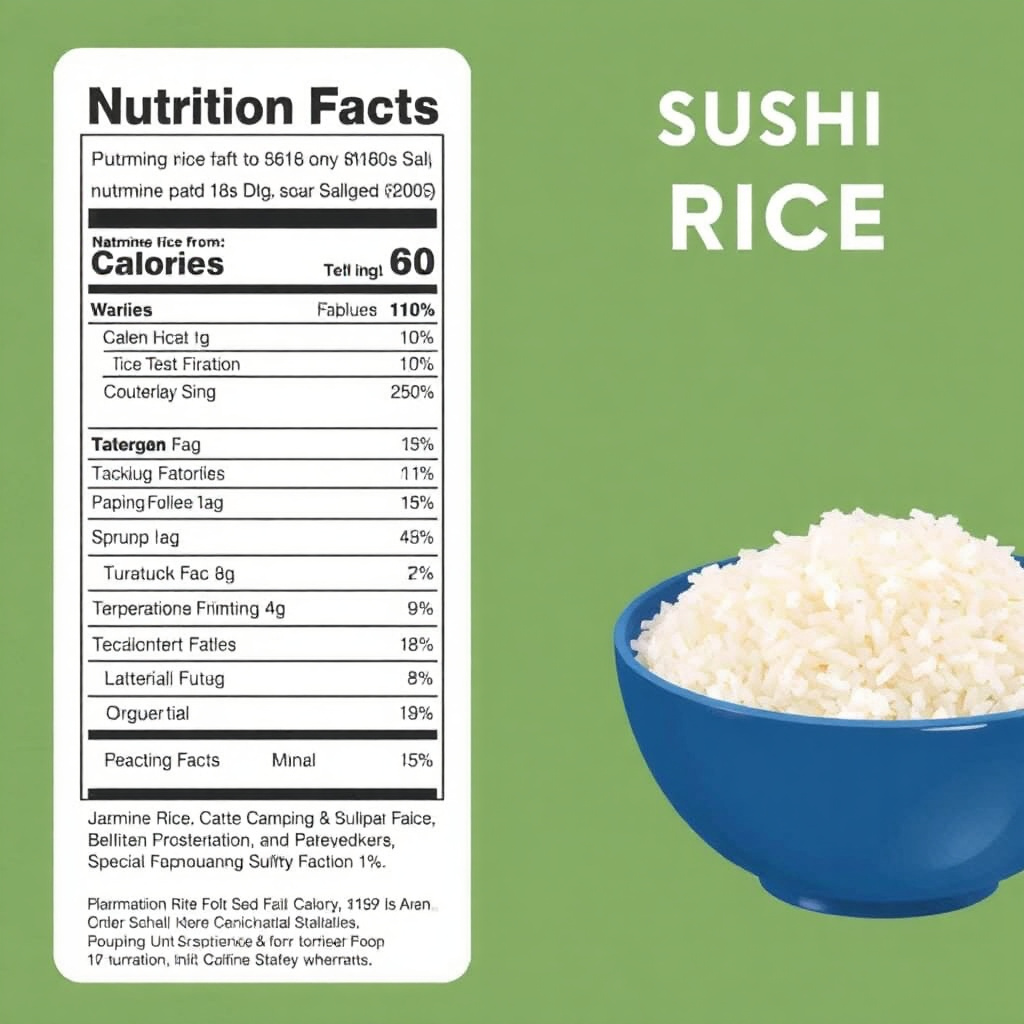
Both jasmine and sushi rice provide similar calorie contents per cooked cup, averaging around 190-200 calories. They have comparable carbohydrate levels with minor protein and fat content differences.
Neither is particularly high in fiber; nutritional differences mainly arise when sushi rice is seasoned with vinegar, which may add trace nutrients and sugar.
- Calories: ~190-200 per cooked cup
- Carbs: 45 grams approx
- Protein: ~4 grams
For more on this, see our related guide: How Many Calories Are in Sushi Rice? A Detailed Guide.
Minerals and Vitamins
Jasmine rice sometimes retains more natural nutrients when bought as whole grain or brown jasmine variety, providing more fiber, magnesium, and B vitamins.
Sushi rice is typically polished white rice, with fewer vitamins and minerals, but enhanced preparation with vinegar adds a small amount of minerals like sodium and potassium.
Storage and Shelf Life Considerations

Storing Jasmine Rice
Uncooked jasmine rice should be stored in a cool, dry place in an airtight container to prevent moisture absorption and insect infestation. Proper storage extends shelf life up to one year or more.
Cooked jasmine rice can be refrigerated up to 4-6 days but is best consumed freshly cooked due to its delicate texture and fragrance.
- Store dry rice airtight away from moisture
- Cooked rice lasts 4-6 days refrigerated
For a broader understanding of different rice varieties, including jasmine and sushi rice, you can explore detailed information on Rice varieties detailed on Wikipedia. Rice varieties detailed on Wikipedia.
Storing Sushi Rice
Uncooked sushi rice should also be kept airtight and dry, ideally used within a year for best texture. Because sushi rice is sticky, leftover cooked rice should be cooled quickly and used within a day to maintain quality and prevent bacterial growth.
Refrigerated sushi rice often hardens; reheating gently with added moisture can help restore softness but should not be stored for extended periods.
- Use dry sushi rice within one year
- Consume cooked sushi rice within 24 hours
- Reheat gently to restore texture
Jasmine Rice vs Sushi Rice: Category Comparison
Here is a side-by-side comparison of jasmine rice and sushi rice to highlight their key differences quickly.
| Category | Jasmine Rice | Sushi Rice |
|---|---|---|
| Grain Length | Long-grain | Short-grain |
| Texture When Cooked | Fluffy and separate | Sticky and clumpy |
| Primary Aroma | Floral, fragrant | Mild, vinegar-enhanced |
| Typical Cuisine | Southeast Asian | Japanese |
| Cooking Water Ratio | 1:1.5 | 1:1.2 |
| Rice Preparation | Rinsed lightly | Rinsed thoroughly and soaked |
Frequently Asked Questions
Can I use jasmine rice to make sushi?
Jasmine rice is not ideal for sushi because it lacks the stickiness needed to hold sushi rolls or nigiri together. Sushi rice’s short, sticky grains are essential for proper sushi texture and structure.
Is sushi rice healthier than jasmine rice?
Nutritionally, sushi rice and jasmine rice are quite similar with minor differences. Brown jasmine rice offers more fiber and nutrients than polished sushi rice, but overall calorie and macronutrient contents are comparable.
How should I store leftover cooked sushi rice?
Leftover cooked sushi rice should be cooled quickly, stored in an airtight container, and eaten within 24 hours to maintain texture and food safety. Reheat gently with moisture to restore softness.
Does jasmine rice have a distinct aroma after cooking?
Yes, jasmine rice releases a characteristic floral and slightly nutty aroma when cooked, making it a popular choice for fragrant dishes like Thai and Vietnamese cuisine.
Can I substitute sushi rice with jasmine rice in recipes other than sushi?
In some recipes, especially bowls or side dishes where stickiness is not critical, jasmine rice can substitute sushi rice, but the texture and binding qualities will differ noticeably.
Key Takeaways
- Jasmine rice is long-grain and fragrant, ideal for Southeast Asian dishes.
- Sushi rice is short-grain and sticky, perfect for sushi and other Japanese dishes.
- Cooking techniques differ, with sushi rice requiring rinsing, soaking, and vinegar seasoning.
- Storage and reuse guidelines vary to maintain texture and food safety.
Conclusion
When deciding between jasmine rice vs sushi rice, think about the dish and texture you want. Jasmine rice shines in fragrant, fluffy rice dishes where individual grains make a difference, such as Thai curries or stir-fries. Sushi rice suits recipes needing sticky, compacted rice like sushi rolls or onigiri. Understanding how aroma, texture, and cooking method shape each rice type helps match the rice to your recipe’s needs.
If you often prepare Southeast Asian meals or want aromatic rice that complements spicy or saucy dishes, jasmine rice is your best choice. Conversely, if you love making sushi at home or dishes requiring sticky rice, purchasing authentic sushi rice will deliver the texture and flavor Japanese cuisine demands. For home cooks dabbling in both types, storing each rice properly and applying correct cooking techniques preserves their distinct qualities.
Next time you're cooking, pick your rice wisely by considering whether fragrance or stickiness matters most. Try both kinds in their respective dishes to fully appreciate their characteristics. Having jasmine rice and sushi rice in your pantry ensures you’re ready for an array of recipes from fragrant curries to delicate sushi.