Why Is Chinese Food So Good? Exploring the Secrets Behind Its Popularity
Chinese food is so good because it masterfully balances diverse flavors, textures, and cooking methods, creating dishes that excite the palate. From the bold use of spices and sauces to the harmony of sweet, sour, salty, and umami tastes, the cuisine delivers a sensory experience that few others match.
This cuisine’s appeal stems from its long history and regional variation, allowing each dish to reflect local ingredients and traditions. The emphasis on fresh ingredients, quick stir-frying, slow braising, and perfect seasoning contributes to its distinctiveness and makes Chinese food both comforting and complex.
In this article, we’ll explore why Chinese food resonates with so many, covering its flavor foundations, cooking techniques, ingredient choices, cultural influences, and how these combine to produce such remarkable dishes. You’ll also find comparisons of popular categories and tips for appreciating Chinese culinary art.
Flavor Foundations That Make Chinese Food So Good

The Balance of Five Key Tastes
Chinese cuisine famously balances the five fundamental tastes: sweet, sour, salty, bitter, and umami. This deliberate mix engages various taste receptors simultaneously, creating complexity in each bite. For example, sweet hoisin sauce paired with the salty soy sauce and acidic vinegar creates layers of flavor found in many dishes.
Master chefs choose ingredients and seasonings to amplify this harmony. The interplay between these tastes varies by region; Sichuan dishes often emphasize spicy and sour, while Cantonese cuisine leans toward sweet and savory profiles.
Umami and Ingredient Synergy
Umami, often called the savory flavor, is central in Chinese cooking. Ingredients like fermented black beans, dried mushrooms, aged soy sauce, and cured meats contribute to this delicious depth. The way these umami sources blend enhances the mouthfeel and richness that characterize much of Chinese food.
The synergy between fresh vegetables, meats, and umami elements creates memorable flavor notes. This careful layering allows dishes to taste rich without overpowering.
Cooking Techniques Elevating Chinese Cuisine
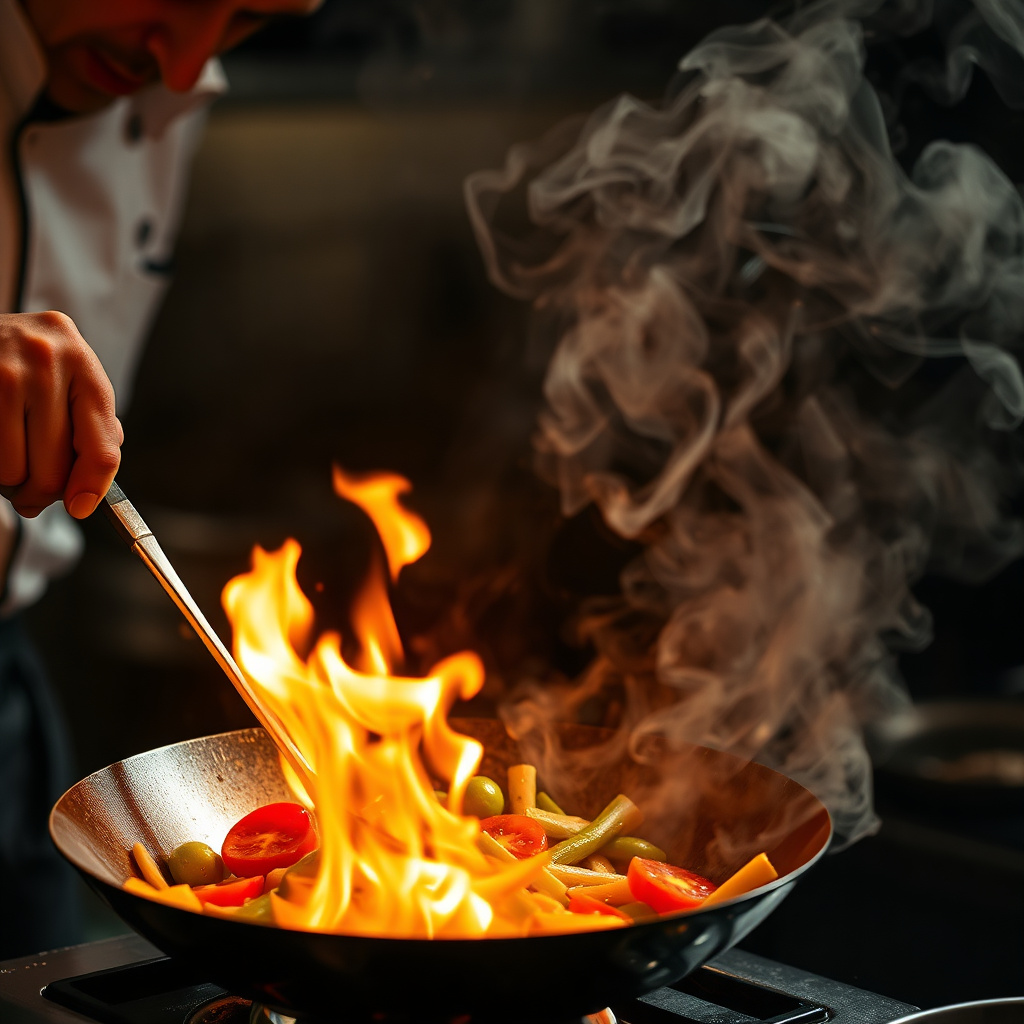
Wok Stir-Frying and High Heat Control
Stir-frying in a wok is a hallmark technique that preserves ingredient texture and enhances flavor while cooking quickly. The intense heat caramelizes sugars and crisps vegetables and proteins, building complex tastes through the Maillard reaction.
Chefs skilled in wok cooking modulate heat and timing to avoid overcooking. This method locks in freshness and color, delivering vibrant and tasty dishes that feel fresh and satisfying.
- Fast cooking minimizes nutrient loss
- Charred edges add smoky flavor
- Uses minimal oil for healthiness
For more on this, see our related guide: Are Fortune Cookies Chinese? Debunking the Origins of a Popular Treat.
Slow Braising and Layered Flavor Development
On the opposite end, slow braising is used for tougher cuts of meat to develop tender texture and deep flavor. This method steeps ingredients in richly spiced broths or sauces over extended cooking periods.
The slow melding of flavors intensifies the dish’s savoriness and makes it comforting, as seen in classics like red-cooked pork or braised beef noodle soups.
- Breaks down collagen for softness
- Concentrates aromatic spices
- Builds lasting flavor depth
Ingredient Selection and Freshness in Chinese Food
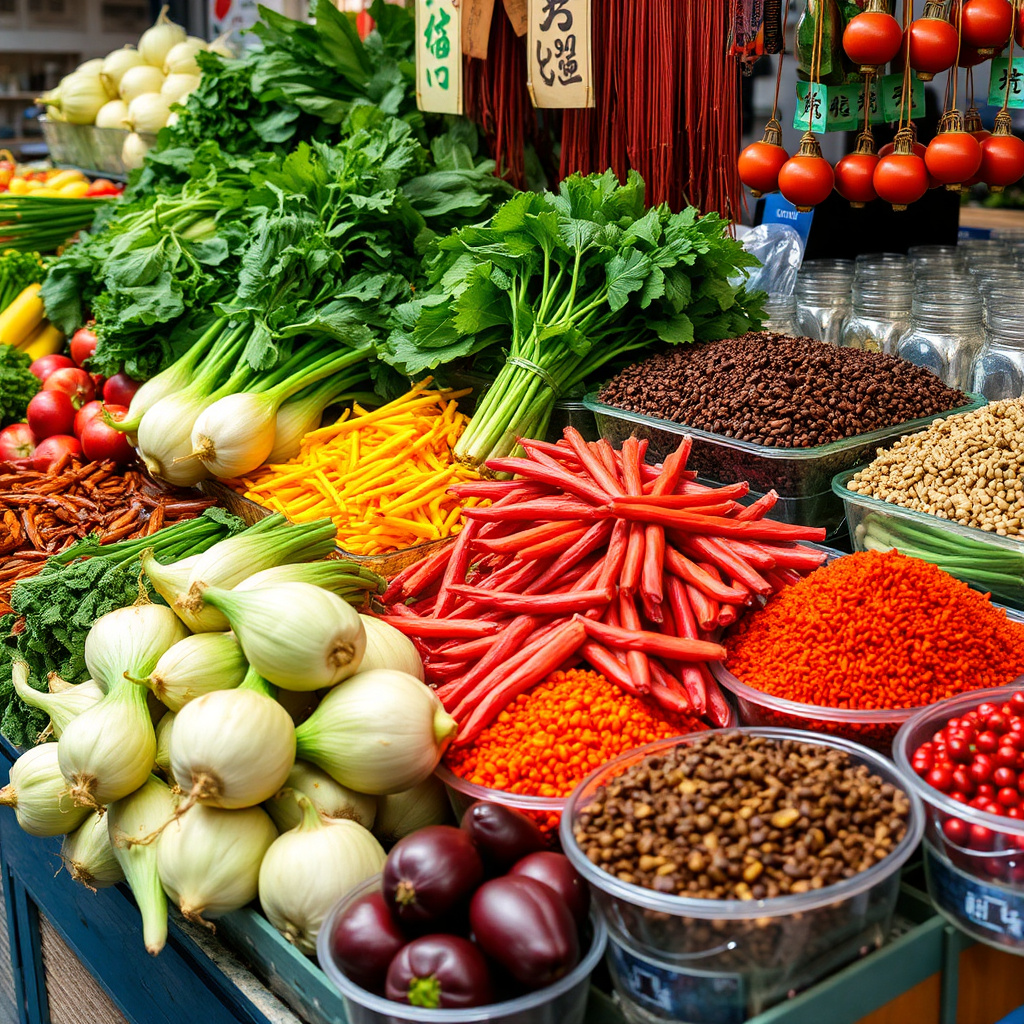
Regional Ingredients Variety
Chinese cuisine uses a broad array of ingredients from seafood and meats to exotic vegetables and fragrant herbs. The diversity of local produce influences each region’s dishes, making every meal unique and authentic.
For example, coastal areas favor fresh seafood and light flavors, while inland provinces utilize robust spices and preserved ingredients to create hearty fare.
Freshness as a Culinary Priority
Fresh ingredients are a cornerstone of Chinese cooking. Markets supply daily harvests of greens, mushrooms, and fragrant aromatics, ensuring vibrant flavor and maximum nutrition.
This prioritization of freshness pairs well with the fast cooking methods to produce dishes that taste lively and bright rather than heavy.
- Daily market sourcing
- Seasonal vegetables for taste
- Frequent small-batch cooking
Cultural Influences Shaping Chinese Cuisine

Traditional Philosophy and Food Culture
Chinese food philosophy emphasizes harmony and balance not only in flavors but also health benefits. Meals often consider yin and yang to maintain wellness, influencing ingredient pairing and cooking methods.
This cultural context motivates cooks to blend taste with nutrition, producing dishes that are both enjoyable and nourishing.
For more on this, see our related guide: Sweet and Sour Pork vs Sweet and Sour Chicken: Which One Should You Choose?.
Festivals and Regional Diversity
Chinese festivals showcase culinary creativity, with different dishes prepared for celebrations like Lunar New Year or Mid-Autumn Festival. Regional culinary traditions add richness to the overall food culture, creating a tapestry of tastes and textures.
This diversity ensures that Chinese cuisine remains dynamic and appealing across generations and borders.
Why Chinese Food Feels So Comforting and Familiar

Aromatic Herbs and Familiar Spices
Chinese dishes often include aromatic herbs like ginger, garlic, scallions, and star anise that evoke comfort and warmth. These familiar scents consistently appeal to the senses and create emotional ties to the cuisine.
The use of these spices across multiple dishes builds a signature flavor profile that diners recognize and enjoy repeatedly.
For a more detailed history and overview, see the comprehensive Chinese cuisine Wikipedia article. Chinese cuisine Wikipedia article.
Textural Contrast and Satisfaction
The combination of soft, crunchy, chewy, and tender textures in Chinese food enhances eating pleasure. For example, crispy fried wontons paired with silky sauces or crunchy vegetables in a stir-fry engage multiple sensory pathways.
This textural variety keeps meals interesting and satisfying beyond just flavor.
Comparison of Popular Chinese Food Categories
Here’s how common types of Chinese dishes vary in flavor profiles, cooking methods, and typical ingredients to help understand what makes them uniquely delicious.
| Category | Flavor Profile | Cooking Method | Common Ingredients | Regional Popularity |
|---|---|---|---|---|
| Dim Sum | Mild to savory | Steaming, frying | Dumplings, buns, seafood | Cantonese |
| Sichuan Cuisine | Spicy, numbing, bold | Stir-fry, braising | Chili, Sichuan peppercorns, garlic | Sichuan Province |
| Cantonese Cuisine | Light, fresh, sweet-savory | Steaming, roasting | Seafood, soy sauce, ginger | Guangdong Province |
| Northern Chinese Food | Hearty, savory | Boiling, braising | Wheat noodles, lamb, garlic | Beijing, Shandong |
| Hunan Cuisine | Hot, sour, smoky | Stewing, stir-fry | Chili peppers, garlic, smoked meats | Hunan Province |
Frequently Asked Questions
Why does Chinese food use so many sauces?
Sauces in Chinese cuisine create layers of flavor, balancing sweetness, saltiness, and umami. They also help coat ingredients, carry aromas, and enhance texture, making dishes more flavorful and enjoyable.
What are the key spices in Chinese cooking?
Common spices include star anise, Sichuan peppercorns, ginger, garlic, and cinnamon. These add distinctive aroma, warmth, and flavor complexity without overwhelming the dish.
How does wok cooking affect the taste of Chinese food?
Wok cooking uses high heat to quickly sear ingredients, locking in flavors and texture. The technique adds smoky char and caramelization that intensify taste and visual appeal.
Is Chinese food healthy despite its rich flavors?
When prepared traditionally with fresh ingredients, stir-frying, and minimal oil, Chinese food can be quite healthy, offering balanced nutrition with vegetables, lean proteins, and moderate amounts of carbohydrates.
Why is freshness important in Chinese cuisine?
Fresh ingredients retain natural flavors, nutrients, and crisp textures, which are essential to creating dishes that are lively, fragrant, and visually appealing in Chinese cooking.
Key Takeaways
- Chinese food excels by balancing sweet, sour, salty, bitter, and umami flavors.
- Wok stir-frying and slow braising are essential techniques that boost taste.
- Fresh, regional ingredients shape unique and dynamic dishes.
- Cultural harmony and textural contrast create comfort and variety.
Conclusion
Understanding why Chinese food is so good comes down to appreciating its thoughtful balance of flavors, textures, and cooking methods. The cuisine combines age-old culinary practices with regionally inspired ingredients and a cultural focus on harmony, resulting in dishes that satisfy in both taste and nourishment. Making sense of these elements helps clarify why Chinese food resonates with such a broad audience.
Specific categories demonstrate the variety in Chinese cuisine. Wok stir-fries like Cantonese dishes emphasize freshness and mild flavors, while Sichuan recipes highlight the secondary keyword, key elements of Chinese cuisine, such as chili and numbing peppercorns. Meanwhile, slow-cooked northern or Hunan meals reveal how deliberate technique and spice use diversify the flavor landscape. Selecting dishes based on these factors allows diners to customize their experience and savor the cuisine’s broad appeal.
For those looking to explore or deepen their enjoyment, starting with popular styles such as Cantonese dim sum or a spicy Sichuan hotpot is a practical step. Trying cooking yourself or enjoying meals from authentic restaurants focusing on fresh, well-balanced ingredients will unlock the reasons behind why Chinese food has captivated palates worldwide. With this understanding, anyone can appreciate the craft behind why Chinese food is so good.





One Comment