What Does Sashimi Taste Like? An In-Depth Flavor Guide
Sashimi offers a delicate and clean taste marked by the fresh flavors of raw fish or seafood. It is typically subtle, allowing the natural flavor of the seafood to shine without overwhelming sauces or seasoning. The experience often includes hints of slight sweetness, umami, and a refreshing oceanic quality.
Understanding what sashimi tastes like matters because it highlights the quality of fresh seafood and respects traditional Japanese culinary simplicity. The clean, natural taste depends on the freshness and type of fish as well as how it is sliced, impacting mouthfeel and flavor release.
This article will explore the common flavor profiles found in different types of sashimi, how variations in texture influence taste perception, ways the dish is traditionally presented and eaten, and how to develop a palate for these raw delicacies.
The Fundamental Taste Profile of Sashimi
Pure and Subtle Flavors of Raw Fish
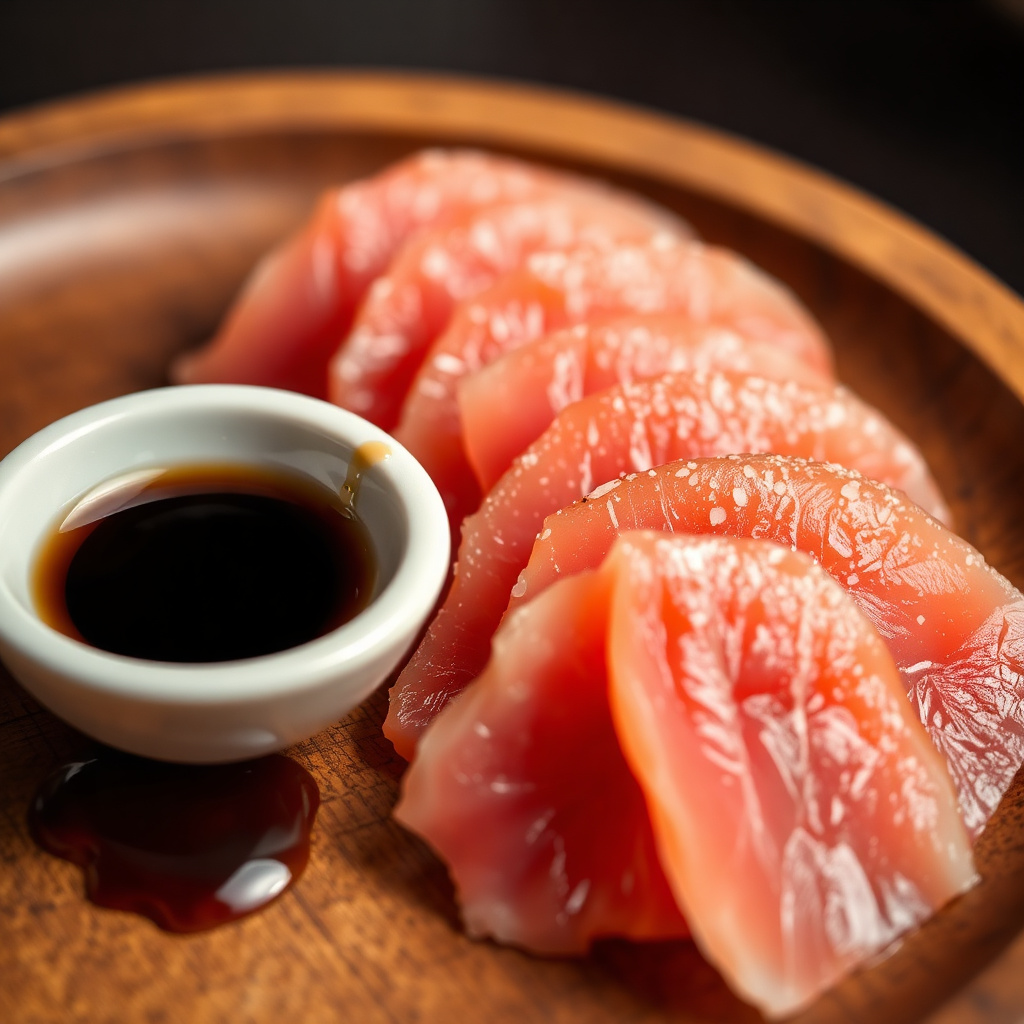
Sashimi's primary taste comes from the clean, fresh flavor of raw fish. Unlike cooked fish, it has a mild salinity combined with subtle sweet undertones depending on the species. The subtlety means that freshness is paramount, as any off-notes become immediately apparent.
Different fish varieties each bring natural flavor nuances. For example, tuna sashimi tends to be buttery and rich, while white fish like flounder is clean and light. The subtle oceanic hints make it a precise, delicate experience rather than a strong fishy taste.
Umami and Sweetness in Sashimi
The umami, or savory taste, in sashimi is more restrained than in cooked seafood but serves as a delicate underpinning to the overall flavor profile. Properly aged or well-prepared sashimi releases subtle amino acids that enhance savoriness.
Sweetness varies based on the fish species and freshness. Sweet scallop sashimi has a creamy naturally sweet flavor that contrasts with the firmer, more neutral sashimi types. This balance with umami creates layers that expand with every bite.
Sashimi Texture and Its Role in Flavor Experience

How Texture Influences Taste
Sashimi's texture ranges from silky smooth to firm and chewy depending on the fish type and cut style. This physical sensation greatly shapes perception of its flavor, as firmer fish often feel meatier and richer on the palate.
Tender sashimi like salmon offers a buttery melt-in-your-mouth texture that complements its rich taste. Conversely, leaner fish with firmer flesh provide a more toothsome bite, giving a fresh, clean contrast that highlights subtle flavor notes.
For more on this, see our related guide: Chirashi vs Sashimi: Understanding the Differences Between These Popular Japanese Dishes.
Cut Style and Thickness Impact
The way sashimi is sliced affects both texture and flavor release. Thin slices can intensify the perceived flavor as they quickly dissolve in the mouth, releasing aroma and umami faster.
Thicker cuts allow for a more gradual tasting experience, emphasizing texture and chewiness alongside flavor. Sushi chefs carefully select slicing techniques to customize the sashimi taste according to the fish and eating context.
Traditional Enhancements to Sashimi Flavor

Condiments and Their Effects
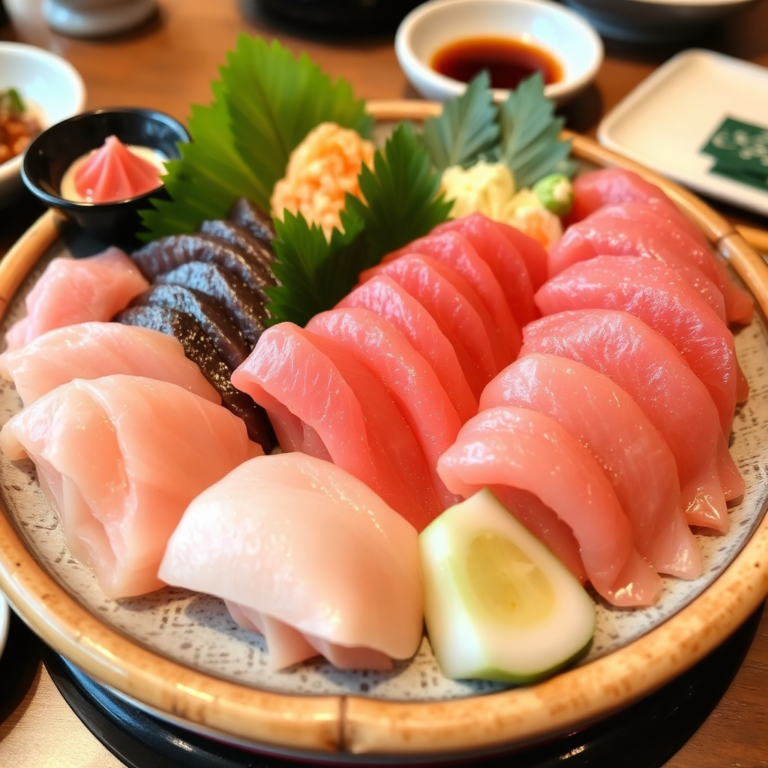
Wasabi adds a pungent heat that briefly awakens the palate, balancing the subtle sashimi flavors without overpowering them. Soy sauce contributes salty depth and enhances umami.
Pickled ginger cleanses the palate between bites, refreshing the mouth and enabling clear appreciation of each sashimi piece's unique taste. These traditional garnishes complement rather than mask the natural sashimi flavor.
- Wasabi: spicy, sharp heat
- Soy sauce: salty umami depth
- Pickled ginger: palate cleanser
Serving Temperature and Its Impact
Sashimi is best served chilled but not overly cold, as very low temperatures can dull the subtle flavors. Slightly chilled sashimi angles closer to room temperature sometimes reveal deeper taste notes by allowing natural oils to soften.
Proper temperature control avoids any textural stiffness and maintains the ideal balance between firmness and tenderness. This fine temperature tuning subtly influences how sweet and umami flavors are perceived.
Exploring Flavor Differences Among Popular Sashimi Types

Tuna, Salmon, and Yellowtail Flavor Profiles
Tuna sashimi is often described as rich and meaty with a buttery mouthfeel, especially varieties like bluefin that carry higher fat content. Salmon sashimi features a soft, oily texture paired with mildly sweet and rich flavors.
Yellowtail offers a slightly firmer texture compared to salmon, with a delicate but pronounced ocean flavor and a subtle sweet aftertaste. Each variety delivers distinct sashimi texture and flavor nuances that appeal to different preferences.
For more on this, see our related guide: How Much Protein in Sashimi: A Detailed Nutritional Guide.
White Fish and Shellfish Sashimi
White fish sashimi, such as flounder and sea bass, typically has a light, clean flavor with a firmer texture. These flavors lean towards mild with a hint of minerality and fresh sea qualities.
Shellfish sashimi like scallops present a sweet, creamy sensation, contrasting with the firmer fish types. Octopus offers a chewy texture with mild taste, often needing dipping sauces to accentuate subtle nuances.
How to Develop a Taste for Sashimi
Tasting Tips for Beginners
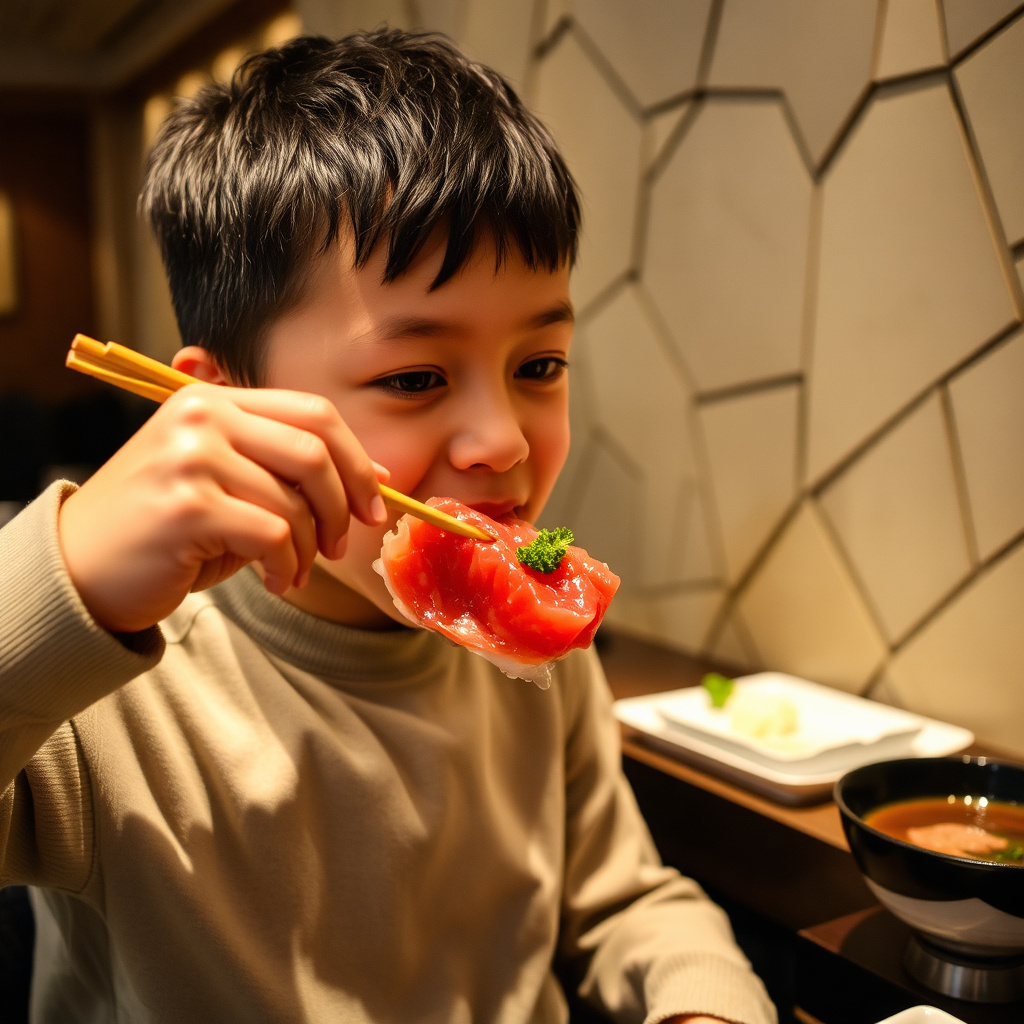
Start with milder varieties like scallop or salmon sashimi to familiarize your palate with subtle raw seafood flavors. Avoid heavy soy sauce to let natural tastes shine through at first.
Take small bites and chew slowly to appreciate texture and flavor development. Pair with small amounts of wasabi or ginger to gently enhance the experience without masking it.
- Try milder sashimi first
- Use light soy sauce dips
- Chew slowly for flavor release
For additional detailed information on sashimi history and varieties, you can refer to the Wikipedia page dedicated to sashimi. Sashimi – Wikipedia.
Building Appreciation Over Time
Gradually expand to richer or firmer sashimi types like tuna or octopus as your palate adapts. Experiment with different cuts and sauces for varied experiences.
Understanding how freshness, texture, and seasoning interplay will deepen your sashimi appreciation, transforming it from just eating raw fish into a nuanced culinary experience.
Sashimi Types Flavor and Texture Comparison
This table highlights key differences among popular sashimi varieties in flavor, texture, and typical serving style.
| Sashimi Type | Flavor Profile | Texture | Typical Fat Content (%) |
|---|---|---|---|
| Tuna (Maguro) | Rich, meaty, buttery | Firm, smooth | 10-20 |
| Salmon (Sake) | Mildly sweet, rich | Soft, oily | 15-25 |
| Yellowtail (Hamachi) | Delicate, slightly sweet | Firm, tender | 12-18 |
| Flounder (Hirame) | Light, fresh | Firm, slightly chewy | 2-5 |
| Scallop (Hotate) | Sweet, creamy | Tender, smooth | 3-7 |
| Octopus (Tako) | Mild, slightly briny | Chewy, dense | 1-3 |
Frequently Asked Questions
Does sashimi taste fishy?
Fresh sashimi does not taste overwhelmingly fishy but instead has a clean, mild flavor. Any strong fishiness usually indicates lower freshness.
Why is sashimi often served with wasabi?
Wasabi adds a sharp spice that complements sashimi's subtle flavors and helps cleanse the palate, enhancing the overall tasting experience.
Can sashimi have different textures?
Yes, sashimi textures vary from soft and buttery to firm and chewy depending on the fish species and how it is cut.
Is it safe to eat raw sashimi?
Sashimi prepared using fresh, properly handled fish from trusted sources is safe to eat. Proper storage and hygiene are critical.
How does soy sauce affect sashimi taste?
Soy sauce adds saltiness and umami depth, which can enhance sashimi flavor while complementing but not overpowering its natural taste.
Key Takeaways
- Sashimi’s flavor is clean, subtle, and depends largely on freshness and fish type.
- Texture plays a major role in the overall sashimi taste experience.
- Traditional condiments like wasabi, soy sauce, and ginger enhance but do not mask natural flavors.
- Trying a variety of sashimi types helps build appreciation for different flavors and textures.
Conclusion
Understanding the taste of sashimi involves appreciating the delicate balance between freshness, subtle natural flavors, and texture. The main focus lies in the pure, clean sensation of raw fish, where any imperfections are easily noticeable. The decision to enjoy sashimi is deeply tied to selecting high-quality fish and recognizing how each variety brings its own flavor profile and mouthfeel to the experience. This thoughtful approach highlights sashimi as not simply raw fish but as an art form centered on flavor purity and minimalism.
For those exploring sashimi flavors, starting with buttery varieties like salmon and tuna can provide a smoother introduction, while lighter fish such as flounder offer a cleaner palate experience. The secondary keyword, sashimi texture and flavor, becomes apparent as one experiments with firmer cuts or delicate shellfish like scallops. Pairing with traditional condiments in moderation allows the complexity of flavors to unfold naturally, making the tasting journey richer and more memorable across diverse sashimi dishes.
Ultimately, tasting sashimi invites a mindful and sensory experience that goes beyond eating. A great next step would be visiting a reputable sushi restaurant or fish market to try a curated selection of sashimi types. By doing so, you can develop a personal preference while sensing firsthand how texture and subtle flavors interplay. This hands-on approach deepens understanding and enjoyment of sashimi, transforming it into a genuinely rewarding culinary adventure.