Does Soy Sauce Go Bad? What You Need to Know About Its Shelf Life
Soy sauce does go bad over time, but it has a particularly long shelf life compared to many condiments. Typically, an unopened bottle of soy sauce can last up to two to three years in a cool, dark pantry. Once opened, it can stay good for about six months to a year if refrigerated, though some varieties may last longer.
The salty fermentation and preservatives in soy sauce slow down spoilage, making it fairly durable. However, exposure to heat, light, and air accelerates degradation, causing flavor and color changes. Understanding when soy sauce is past its prime matters not just for taste but for safety.
This article breaks down how to identify spoiled soy sauce, optimal storage techniques, key differences in shelf life between types, and handy tips to extend freshness. If you’ve ever wondered does soy sauce go bad and how best to handle your bottle, this guide will give you clear, practical answers.
How to Identify If Soy Sauce Has Gone Bad
Physical Signs of Spoiled Soy Sauce
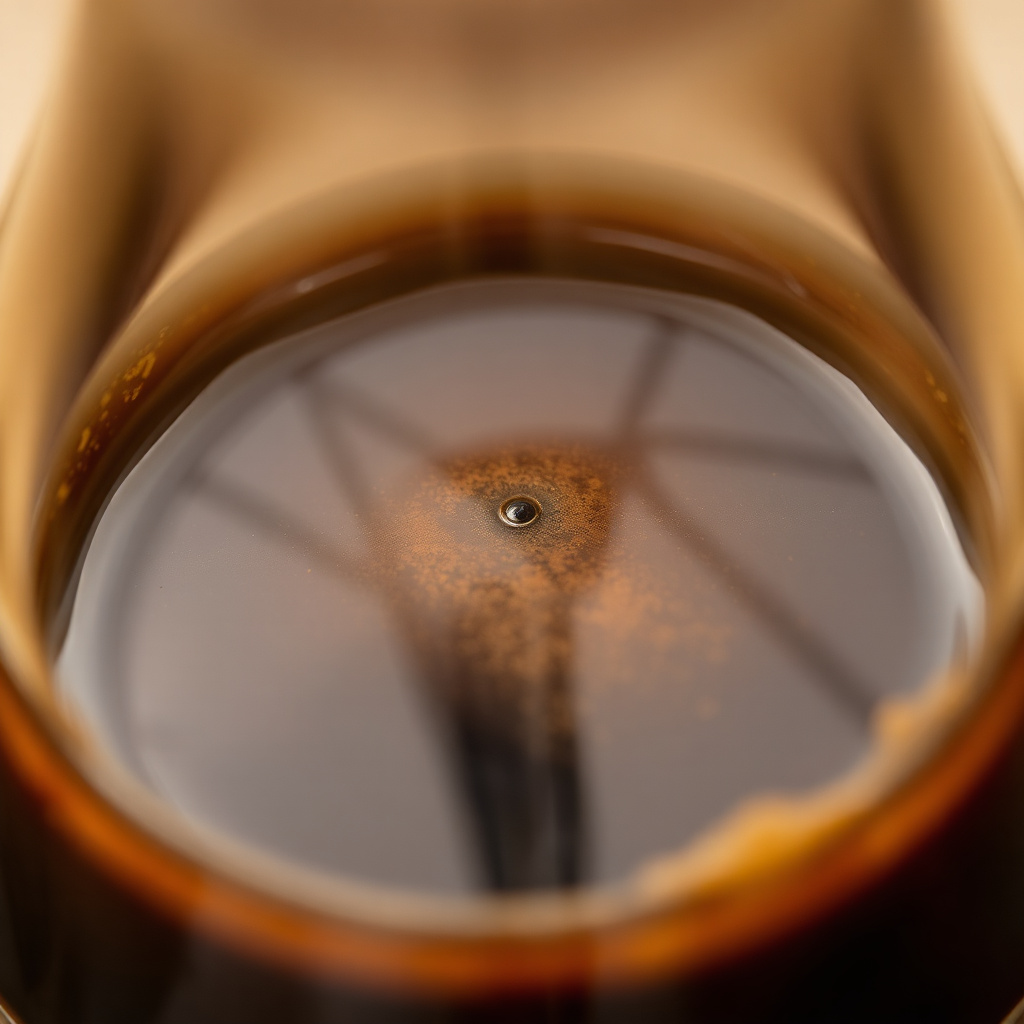
The first clues that soy sauce has gone bad usually appear visually. Cloudiness, sediment settling at the bottom, or changes in texture like thickening or separation can indicate spoilage. A change from the usual deep brown color to a lighter, duller hue often signals the sauce is deteriorating.
While soy sauce naturally darkens slightly over time, sharp differences in color suggest it’s no longer fresh. Watch for mold or a slimy residue around the bottle’s opening, which are clear warnings to discard the sauce.
- Cloudiness or sediment
- Thickness or separation
- Color fading or unevenness
- Mold growth
Smell and Taste Cues
Spoiled soy sauce typically develops an off or sour smell rather than its characteristic savory aroma. A rancid, fermented, or oddly sharp scent is a giveaway that the sauce has passed its prime.
If tasting, be cautious—noticeable bitterness or flatness in flavor suggests degradation. When in doubt, trust your senses, since consuming spoiled soy sauce may lead to digestive discomfort.
Shelf Life of Different Types of Soy Sauce

Traditional Versus Light Soy Sauce
Traditional soy sauce, known for its robust, salty flavor, generally lasts longer due to higher salt content and fermentation. It can stay fresh unopened for two or three years and up to a year refrigerated once opened.
Light soy sauce, which is lighter in color and less salty, tends to have a shorter shelf life. Its lower salt concentration makes it more susceptible to spoilage within 6 to 9 months after opening, especially if stored at room temperature.
For more on this, see our related guide: How Long Does Lo Mein Last in the Fridge? A Food Safety Guide.
Low-Sodium and Gluten-Free Variants
Low-sodium soy sauces, formulated with less salt for dietary reasons, don’t last as long as regular varieties. They tend to spoil faster, usually within 6 months to 8 months after opening if refrigerated properly.
Gluten-free soy sauces made from alternative grains might have varying shelf lives depending on preservatives and production methods. Generally, treating these like low-sodium soy sauces in terms of refrigeration and usage time is wise.
Proper Storage for Extending Soy Sauce Shelf Life

Room Temperature Storage
Unopened bottles of soy sauce should be stored in a cool, dark, and dry place away from direct sunlight and heat sources. Pantries work well because consistent temperatures preserve flavor and slow oxidation.
Once opened, soy sauce can still be kept at room temperature for short periods, especially if it’s a traditional type with high salt content. However, prolonged exposure to air and warmer temps will speed up flavor loss and spoilage.
- Store unopened in pantry
- Avoid sunlight exposure
- Keep bottle tightly sealed
Refrigeration Benefits and Best Practices
Refrigerating soy sauce after opening extends its shelf life significantly by slowing chemical changes and potential microbial growth. It helps maintain peak flavor and aroma longer than room temperature storage.
Always close the bottle tightly and use clean utensils to avoid contamination. Refrigerated soy sauce can maintain quality up to a year or more depending on type, making it the safest option for longer-term storage.
- Refrigerate after opening
- Seal bottle tightly
- Avoid contamination during use
How Soy Sauce Fermentation Influences Longevity

The Role of Fermentation in Preserving Soy Sauce
Fermentation naturally produces alcohol, organic acids, and salt, all of which act as preservatives. This process inhibits harmful bacteria growth and helps soy sauce remain safe and flavorful for years when stored correctly.
Fermented soy sauce continues to develop subtle taste changes over time, but its fundamental safety is due to these natural antimicrobial compounds. Less fermented, chemically produced versions won’t last as long.
For more on this, see our related guide: How Long Does Sushi Last in the Fridge? A Safe Storage Guide.
Impact on Flavor and Shelf Life
As soy sauce ferments, amino acids and sugars break down, creating rich umami flavors which deepen with aging. This maturation enhances taste but does not guarantee indefinite shelf life once opened.
Longer fermentation generally correlates with better preservation qualities. However, once exposed to oxygen and warmer temps, these qualities gradually decline, leading to spoilage.
Common Myths and Facts About Soy Sauce Expiration
Myth: Soy Sauce Never Expires
A popular belief is that soy sauce doesn’t go bad because of its salt content, but this isn’t accurate. While its shelf life is long, especially unopened, soy sauce does eventually lose quality and can spoil.
Ignoring expiration warnings can result in off flavors, cloudiness, and potential health risks. Always check use-by dates and packaging condition rather than assuming indefinite safety.
For more details on soy sauce fermentation and production methods, explore this comprehensive Wikipedia article. soy sauce fermentation and production.
Fact: Proper Storage Drastically Extends Usability
Storing soy sauce correctly, in a sealed container away from heat and light, extends the time before noticeable deterioration occurs. Refrigeration after opening is especially important for maintaining freshness.
Following manufacturer instructions and using soy sauce within recommended time frames guarantees the best taste and safety. Many people undervalue storage’s impact on soy sauce shelf life.
Soy Sauce Shelf Life Comparison by Type and Storage Method
Below is a comparison of common soy sauce types, their typical shelf lives unopened and opened, and recommended storage conditions.
| Soy Sauce Type | Unopened Shelf Life | Opened Shelf Life (Refrigerated) | Opened Shelf Life (Room Temperature) |
|---|---|---|---|
| Traditional Soy Sauce | 2-3 years | Up to 1 year | 3 to 6 months |
| Light Soy Sauce | 1.5 to 2 years | 6 to 9 months | 2 to 4 months |
| Low-Sodium Soy Sauce | 1.5 to 2 years | 6 to 8 months | 1 to 3 months |
| Gluten-Free Soy Sauce | 1 to 2 years | 6 to 9 months | 2 to 4 months |
Frequently Asked Questions
Can I use soy sauce after its expiration date?
Soy sauce may still be safe to use after the listed expiration if unopened, but quality can decline. Inspect for off smells, cloudiness, or mold before using. If any signs of spoilage are present, discard it.
Does homemade soy sauce go bad faster than store-bought?
Yes, homemade soy sauce often lacks preservatives found in commercial brands, making it more prone to spoilage and shorter shelf life. Refrigeration and careful sanitation are more important.
Why does soy sauce sometimes have sediment at the bottom?
Sediment can be natural residue from fermentation or ingredients settling. A small amount is usually harmless, but heavy sediment combined with other spoilage signs means the soy sauce should be discarded.
Is refrigerated soy sauce better tasting than soy sauce stored at room temperature?
Refrigerated soy sauce generally maintains its original flavor longer by slowing oxidation and fermentation after opening. Room temperature storage can cause gradual flavor loss.
Can soy sauce freeze without losing quality?
Freezing soy sauce isn’t recommended because it can alter texture and flavor. The high salt content lowers freezing point but changes in consistency and taste may occur when thawed.
Key Takeaways
- Soy sauce does eventually go bad but has a long shelf life due to fermentation and salt content.
- Visual changes, off smells, and altered taste are main indicators of spoilage.
- Refrigeration after opening extends freshness, especially for low-sodium and light varieties.
- Proper storage away from heat and light preserves soy sauce quality and safety.
Conclusion
Determining whether soy sauce has gone bad involves observing sensory cues such as changes in smell, appearance, and taste. While it boasts unusually long shelf life for a condiment, factors like salt content, fermentation, and storage conditions directly impact its longevity. Understanding this helps prevent using soy sauce beyond its prime, preserving flavor integrity and food safety.
For typical consumers, traditional soy sauce offers the most durability, often lasting years unopened and close to a year refrigerated after opening. Light, low-sodium, and gluten-free alternatives tend to spoil faster and benefit most from refrigeration and mindful usage within months of opening. Storing soy sauce in a pantry away from sunlight before opening and in the fridge afterward is a practical strategy.
When deciding how to store and use soy sauce, check for cloudiness, sediment, off odors, or mold before adding it to your meals. Brands with higher salt and fermentation benefits supply longer freshness, making them ideal if you don’t use soy sauce frequently. Consider your type and storage environment to enjoy good soy sauce longer reliably.