Exploring the Types of Sushi Rolls: A Guide to Popular Sushi Varieties
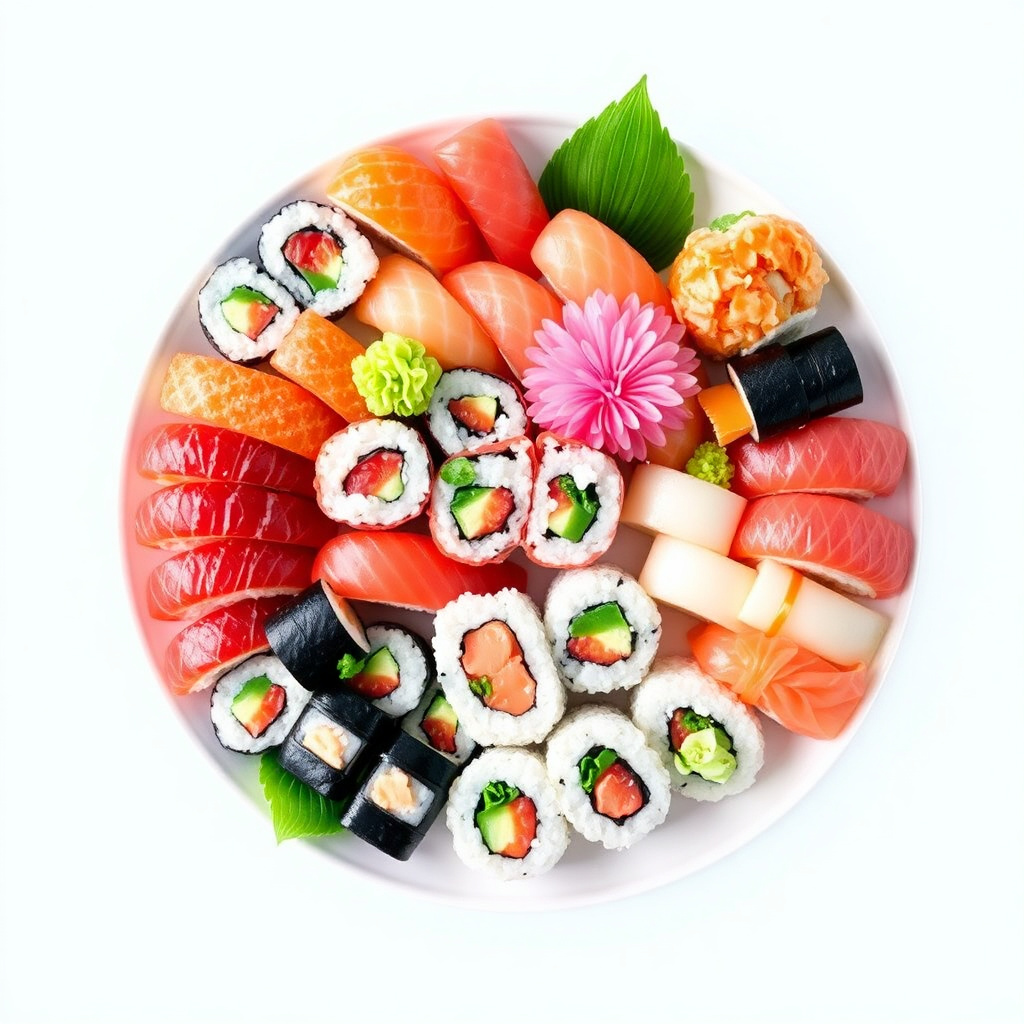
Sushi rolls come in various types, each offering a unique combination of flavors, textures, and ingredients. The main types include maki, nigiri, temaki, uramaki, and futomaki, which differ in their preparation and presentation. Knowing these can help you choose the perfect sushi roll for your taste preferences.
Understanding the types of sushi rolls enriches the dining experience and helps you appreciate sushi as more than just rice and fish. This matters because sushi is an art form that combines culinary skill with cultural tradition, making each type distinct and memorable.
This article covers the defining features of the most popular sushi roll types, their ingredients, preparation methods, and tips to enjoy them. You'll also find comparisons to understand what sets each roll apart and recommendations for beginners and sushi enthusiasts.
Understanding the Classic Sushi Roll Types
Maki Rolls: The Traditional Sushi Roll
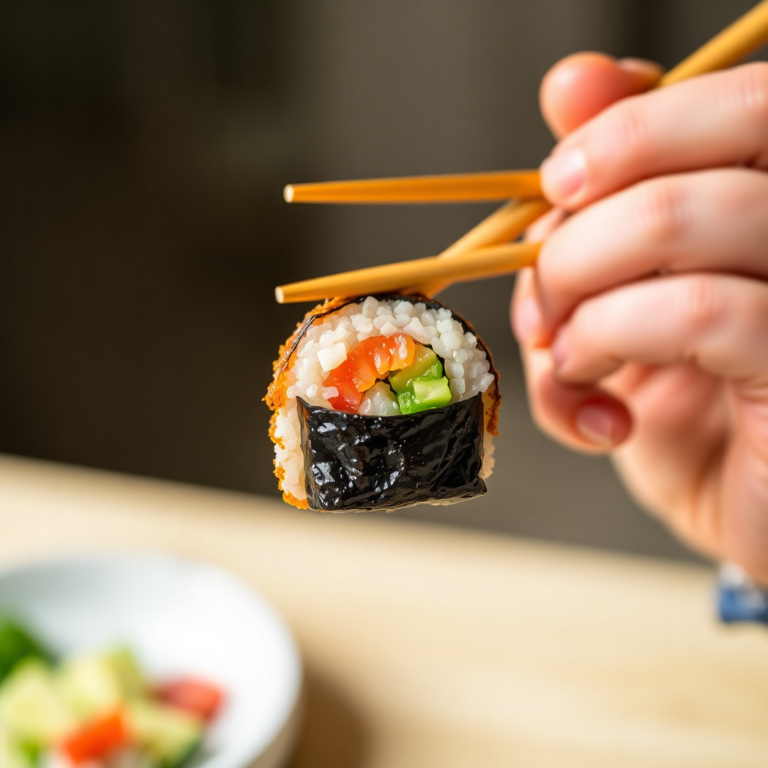
Maki rolls consist of sushi rice and fillings wrapped in a sheet of nori (seaweed). The roll is sliced into bite-sized pieces, making it easy to eat with chopsticks. Common fillings range from raw fish to vegetables and even cooked seafood.
There are subtypes of maki rolls based on size and ingredients. Hosomaki, the thin rolls, usually contain a single filling, while futomaki are thicker and often packed with a variety of ingredients.
- Wrapped in nori seaweed
- Typically sliced into 6-8 pieces
- Varies between thin (hosomaki) and thick (futomaki)
Nigiri: The Hand-Pressed Rice and Topping
Nigiri sushi features an oblong portion of vinegared rice hand-pressed and topped with slices of fresh fish or other seafood without seaweed wrapping. Sometimes it’s garnished with a small dab of wasabi between the rice and topping.
The simplicity of nigiri highlights the quality of the fish and rice. It is often served with soy sauce, pickled ginger, and wasabi, allowing diners to adjust flavors to their liking.
Hand Rolls and Inside-Out Rolls in Sushi
Temaki: The Cone-Shaped Hand Roll
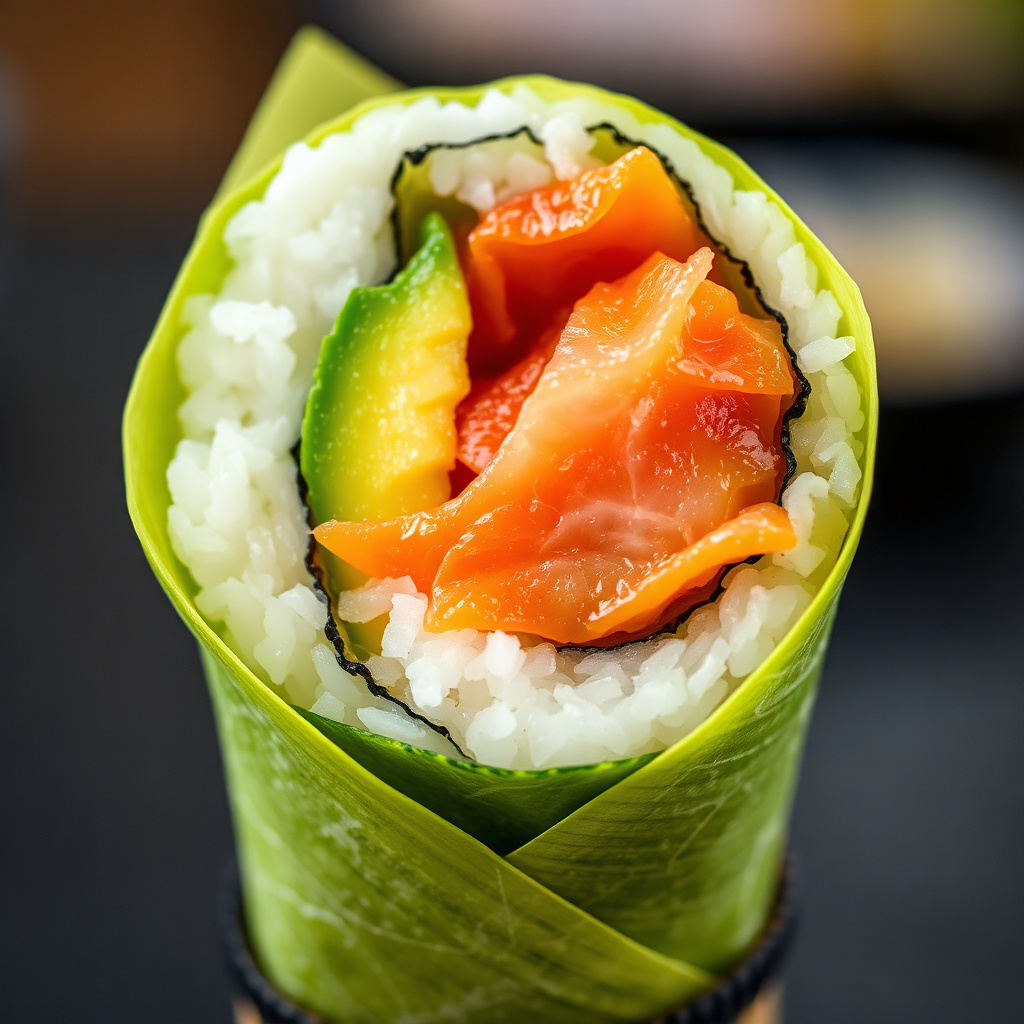
Temaki is a cone-shaped sushi roll where nori wraps tightly around sushi rice and various fillings like fish, cucumber, and avocado. It’s designed to be eaten by hand rather than with chopsticks.
Because of its size and presentation, temaki offers a casual way to enjoy sushi. The fillings are often generous, making it a hearty choice for a sushi roll.
- Cone-shaped and handheld
- Often filled with multiple ingredients
- Served fresh to keep nori crispy
Uramaki: The Inside-Out Roll
Uramaki, or inside-out rolls, reverse the traditional sushi structure by placing rice on the outside and nori inside wrapping around the filling. This style became popular in Western sushi restaurants.
Rice on the outside is often coated with sesame seeds, tobiko, or other toppings, adding texture and flavor. California roll is a famous example of uramaki, featuring crab, avocado, and cucumber.
- Rice wraps the outside filling
- Coated with toppings like seeds or roe
- Popularized Western sushi culture
Specialty and Regional Variations of Sushi Rolls
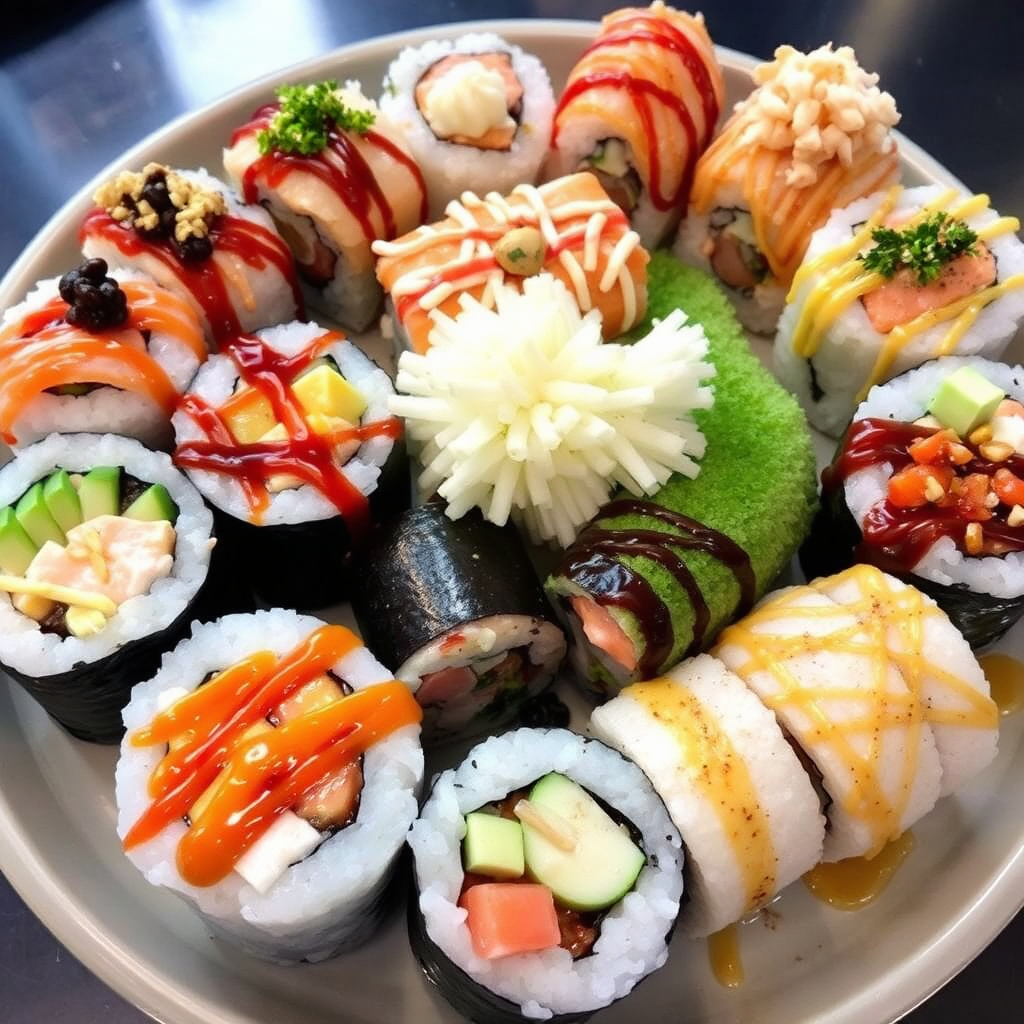
Futomaki: Large and Filled Rolls
Futomaki rolls stand out due to their thickness and multiple fillings. Unlike simpler maki rolls, futomaki can include vegetables, cooked egg, seafood, and pickles, offering a complex flavor profile in every bite.
Often enjoyed during celebrations and festivals, these rolls are visually striking and packed with diverse textures, making them popular for those wanting a more substantial sushi roll experience.
- Thicker than standard rolls
- Varied ingredients inside
- Common in festive occasions
For more on this, see our related guide: Types of Sushi: A Complete Guide to Popular Sushi Varieties.
Regional Functions: Kansai vs Kanto Sushi Styles
Sushi styles differ between Japan’s Kansai and Kanto regions. Kansai-style sushi often involves lightly pressed rice and marinated fish, while Kanto-style is known for its nigiri with fresh, raw fish and a hand-pressed rice base.
These regional differences influence sushi roll fillings and preparation methods, offering unique tastes depending on where the sushi is served.
Choosing the Right Sushi Rolls to Try

Matching Sushi Rolls to Flavor Preferences
If you enjoy fresh fish, try nigiri or simpler maki rolls featuring salmon, tuna, or eel. For those favoring crunchy texture and more ingredients, futomaki or inside-out rolls offer varied fillings and toppings.
Vegetarian options include cucumber or avocado maki and vegetable futomaki, ensuring a flavorful experience for non-meat eaters.
- Fresh fish lovers: nigiri and maki
- Texture-focused: futomaki and uramaki
- Vegetarian-friendly: cucumber or avocado rolls
Pairing Sushi Rolls with Accompaniments
Sushi rolls benefit from complementary sides like pickled ginger, wasabi, and soy sauce, which balance flavors and cleanse the palate. Sake or green tea are traditional beverages that enhance sushi dining.
Knowing the specific sushi roll type also guides ideal dipping and garnishing practices, such as lightly dipping nigiri versus avoiding sogginess in temaki.
- Pickled ginger for palate cleansing
- Wasabi for adding heat
- Soy sauce for dipping specific rolls
Making Sushi Rolls at Home: Practical Tips

Essential Sushi Roll Ingredients and Tools
To make sushi rolls at home, basic ingredients include sushi rice, nori sheets, fresh fish or vegetables, and rice vinegar. Essential tools are a bamboo rolling mat, sharp knife, and a bowl of water to keep hands moist while handling rice.
Choosing quality ingredients, especially fresh seafood, is key to replicating restaurant-quality sushi rolls at home.
- Sushi-grade fish or vegetables
- Nori seaweed sheets
- Bamboo mat for rolling
- Sharp knife for slicing
For more on this, see our related guide: How to Tell If Sushi Has Gone Bad: Simple Signs to Watch For.
Techniques for Rolling Different Types of Sushi
For maki, spread sushi rice evenly over nori and layer fillings before using the mat to roll tightly. Temaki requires hand forming the cone shape with fillings stuffed inside. Uramaki involves spreading rice on the mat first, then flipping it over to place nori and fillings inside.
Consistent practice improves roll tightness and aesthetics, making the sushi more enjoyable to eat and visually appealing.
Health Considerations When Enjoying Sushi Rolls

Nutritional Benefits of Different Sushi Rolls
Sushi rolls can be a healthy meal option as they often contain lean protein, omega-3 fatty acids, and vegetables. Nigiri offers pure fish benefits, while rolls with vegetables increase fiber and vitamins.
Be mindful of added sauces and fried ingredients as they increase calorie and fat content, affecting the nutrition profile.
For more detailed background on the various sushi roll types, visit the types of sushi rolls on Wikipedia. types of sushi rolls on Wikipedia.
Safety Tips for Sushi Consumers
Consuming sushi made from raw fish involves some risk of foodborne illness. Choose reputable restaurants that follow strict hygiene standards. Pregnant women and immunocompromised individuals should avoid raw preparations.
Freezing fish before serving helps reduce parasite risks. Always check freshness and don’t consume sushi left out for long periods.
- Verify restaurant hygiene
- Avoid raw fish if immunocompromised
- Freeze fish to reduce parasites
Comparison of Popular Sushi Roll Types
This table highlights key features of different sushi roll types, helping you compare size, ingredients, and eating style.
| Type | Main Ingredients | Size | Eating Method | Popularity |
|---|---|---|---|---|
| Maki | Rice, nori, single filling | Small to medium | Chopsticks | Very high |
| Nigiri | Rice, fish topping | Small | Chopsticks or hand | High |
| Temaki | Nori, rice, mixed fillings | Large cone | Handheld | Medium |
| Uramaki | Rice outside, nori inside | Medium | Chopsticks | High |
| Futomaki | Multiple fillings in nori | Large | Chopsticks | Medium |
Frequently Asked Questions
What is the main difference between maki and uramaki rolls?
The key difference is the rice placement: maki rolls have nori outside, while uramaki rolls have rice on the outside with nori inside surrounding the fillings.
Are all sushi rolls made with raw fish?
No, many sushi rolls include cooked ingredients like tempura, crab, or egg. Vegetarian rolls use vegetables only, so not all sushi contains raw fish.
How should I eat a temaki roll properly?
Temaki rolls are designed to be eaten by hand due to their cone shape. They are usually eaten immediately after serving to keep the nori crispy.
Can I make sushi rolls at home without special equipment?
Yes, simple sushi rolls like maki can be made at home using a bamboo mat for rolling and standard kitchen tools. Fresh ingredients and practice are vital for good results.
What sushi rolls are best for beginners?
Beginners might enjoy milder rolls like California roll (uramaki) or simple cucumber and avocado maki, as they have familiar flavors and textures.
Key Takeaways
- Maki, nigiri, temaki, uramaki, and futomaki are main sushi roll types.
- Each roll offers distinct combinations of size, ingredients, and eating style.
- Popular sushi roll types include both raw and cooked fillings.
- Home sushi making requires basic tools and fresh, quality ingredients.
Conclusion
Choosing the right types of sushi rolls depends on your flavor preferences, texture desires, and dining context. From the simplicity of nigiri highlighting fresh fish, to the hearty futomaki packed with diverse fillings, understanding these varieties offers a richer sushi experience. Recognizing differences in size, ingredients, and presentation helps find sushi that fits both casual meals and special occasions.
For those exploring sushi for the first time, starting with popular sushi roll types like California roll (uramaki) or traditional maki featuring cooked or mild fillings is a great choice. Seasonal or regional specialties can add an adventurous touch for experienced sushi fans. Hand rolls like temaki offer a fun and informal way to enjoy sushi, while the artistic presentation of nigiri puts the focus on the fish’s quality and the skillful preparation.
If you want to bring sushi making into your kitchen, gather fresh sushi-grade ingredients and essential tools such as a bamboo rolling mat. Begin with basic maki rolls and gradually try hand rolls or inside-out rolls as your comfort grows. Whether dining out or creating at home, knowing the types of sushi rolls enriches your appreciation and enjoyment of this classic Japanese cuisine.