What Is Family Style Dining? A Complete Guide to This Shared Meal Experience
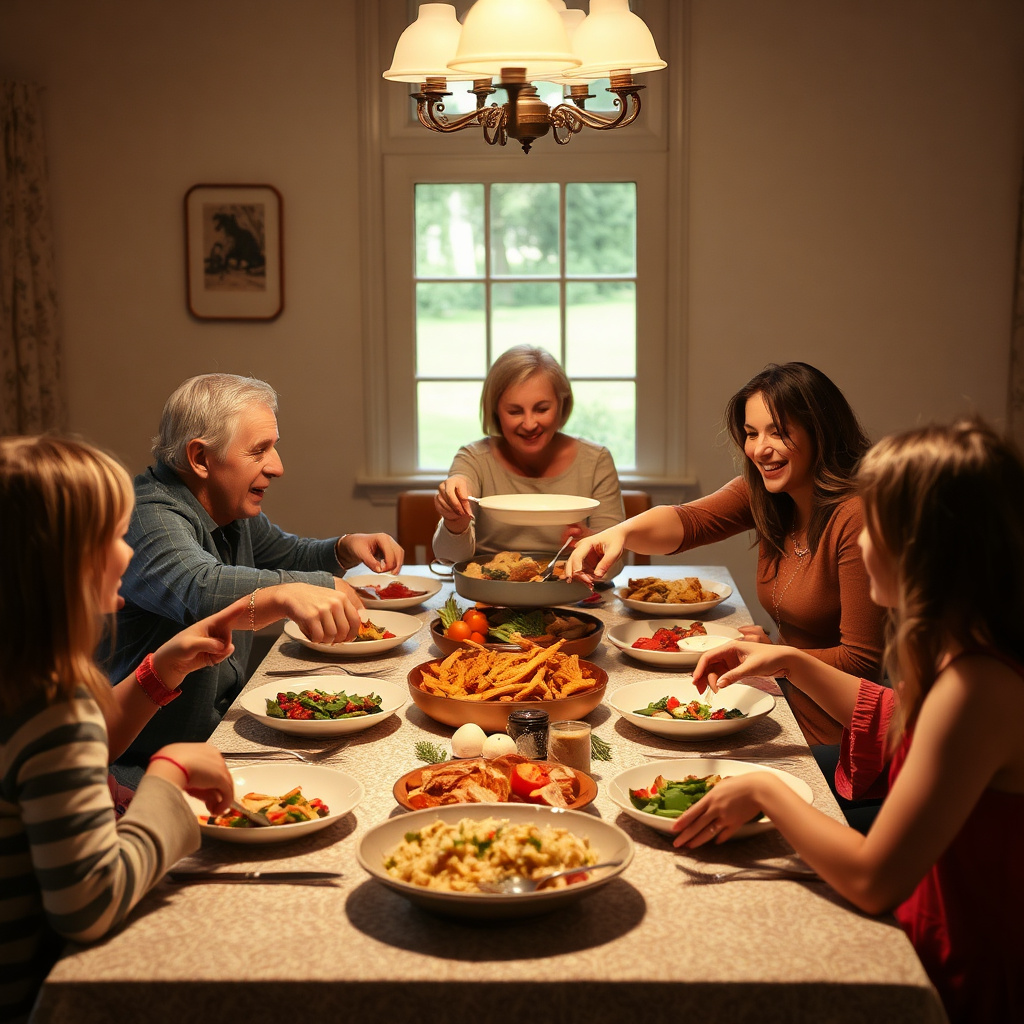
Family style dining is a way of serving meals where dishes are placed at the center of the table for everyone to help themselves, encouraging communal eating and interaction. Instead of individual plated servings, guests pass around large serving bowls or platters, choosing portions as they like.
This dining method creates a social atmosphere by fostering conversation and connection, making it especially popular for family meals, celebrations, and group events. It enhances the experience by sharing food in a relaxed, informal setting, distinguishing it from plated or buffet styles.
This article will explain the concept of family style dining in detail, explore its benefits and challenges, outline where and how it’s commonly used, and offer tips for hosting or selecting family style meals in restaurants.
Understanding Family Style Dining: Origins and Definition
History of Family Style Dining
Family style dining traces back to communal eating practices found in many cultures worldwide. Historically, shared dishes symbolized unity and trust within the group, promoting closeness during meals.
In modern Western dining, family style gained popularity in casual and fine dining restaurants as a more interactive alternative to individual servings, creating a warm, home-like ambiance.
Key Features of Family Style Dining
The main feature is that multiple dishes are served simultaneously in large platters or bowls placed centrally. Diners serve themselves and others using shared utensils, balancing portion control with sharing.
Another characteristic is the informal pacing of the meal; since everyone shares, the flow tends to be more relaxed. It often encourages trying diverse dishes as food is passed around, adding variety to the meal experience.
- Shared serving platters or bowls
- Communal passing of dishes
- Casual, interactive environment
- Encouragement of conversation
Advantages and Challenges of Family Style Dining

Benefits of Family Style Dining
Family style dining strengthens social bonds by involving everyone in the meal process. It naturally promotes conversation and cooperation, as people pass dishes and share food preferences.
It often reduces food waste and increases satisfaction, as diners can take smaller or larger portions based on appetite. This style also encourages trying a broader range of foods since multiple dishes are available.
- Enhances social interaction
- Flexible portion sizes
- Encourages food variety
- Creates a relaxed atmosphere
Drawbacks and Potential Issues
Family style dining may be less hygienic in some cases because multiple people use shared utensils and touch common dishes, raising concerns especially during health crises.
It can be challenging when managing dietary restrictions or preferences, as guests rely on others for serving, which might reduce control over ingredient exposure or portion size.
- Hygiene concerns with shared utensils
- Difficulties managing allergies or diets
- Slower meal pace
- Requires cooperative serving etiquette
How Family Style Dining Works in Restaurants
Menu Design and Serving Style
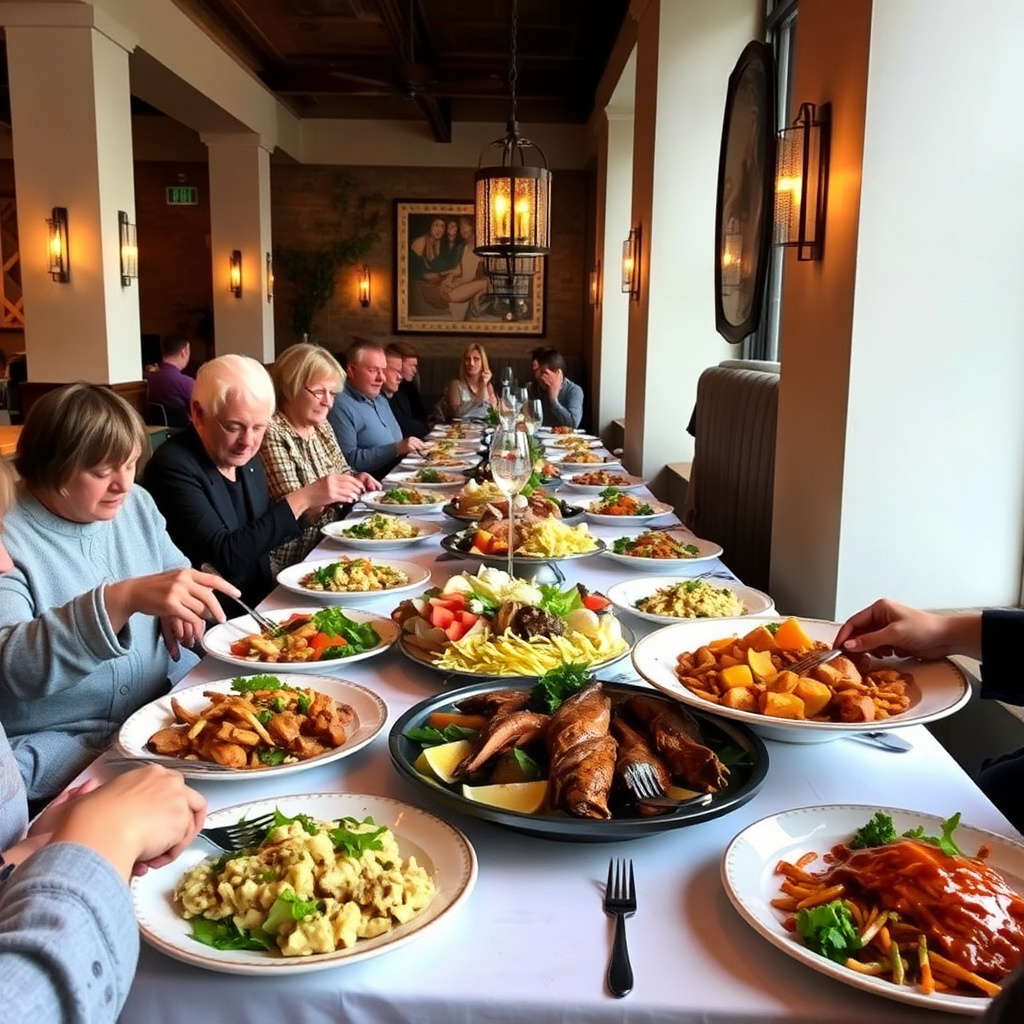
Restaurants offering family style dining typically design menus with shareable dishes sized for groups rather than individuals. Portions are larger and presented in communal platters or bowls designed for easy passing.
Servers often bring and place multiple dishes simultaneously, explaining each so diners understand options. Guests then help themselves and each other, with servers refilling or assisting as needed.
For more on this, see our related guide: An Essential Guide to Chinese Dining Etiquette for Every Occasion.
Ideal Settings and Occasions
Family style works well for celebrations, group outings, and casual dining where interaction is part of the experience. It fits especially with cuisines that emphasize shared eating, such as Italian, Chinese, or Mediterranean.
It also suits smaller groups that want a more informal and intimate dining style with less formality than traditional plated service.
- Family gatherings
- Celebrations and parties
- Casual group dining
- Cuisines favoring shared dishes
Hosting Family Style Dining at Home
Planning and Preparation Tips
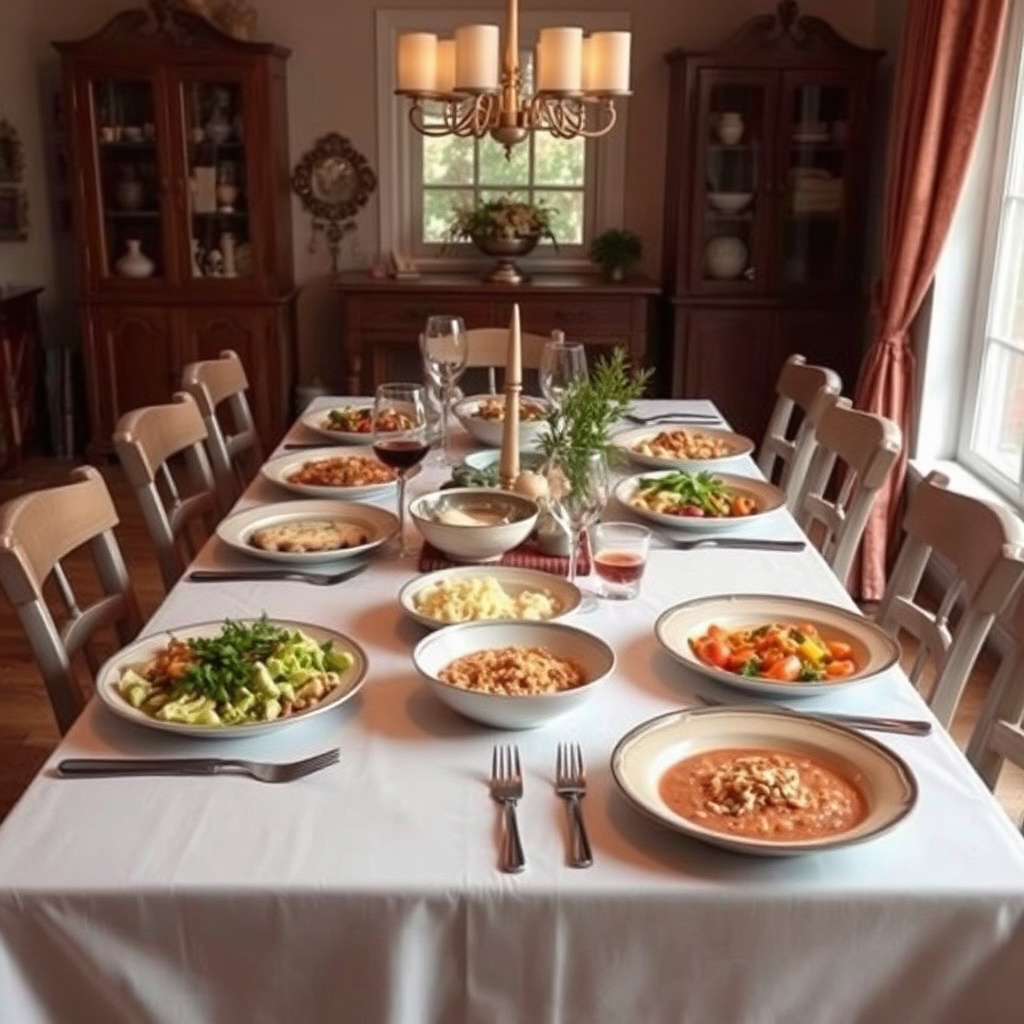
When hosting family style meals, prepare dishes that hold well at room temperature or can be served warm. Choose recipes easy to portion and share, like casseroles, roasted vegetables, or large salads.
Have serving utensils and plates ready for guests to pass dishes smoothly. Setting the table with accessible dish placement encourages fluid sharing and reduces crowding.
- Cook shareable dishes
- Organize serving utensils
- Arrange dishes centrally
- Consider dish temperature
Managing Group Preferences and Portions
To accommodate dietary preferences and restrictions, offer diverse dishes, including vegetarian or allergy-friendly options. Label dishes or inform guests to avoid confusion.
Encourage guests to take moderate initial portions with the option to return for more, preventing waste and ensuring everyone samples a variety.
- Provide diverse options
- Communicate ingredient info
- Encourage sharing etiquette
- Monitor portion balance
Family Style Dining vs. Other Meal Services
Differences Between Family Style and Buffet
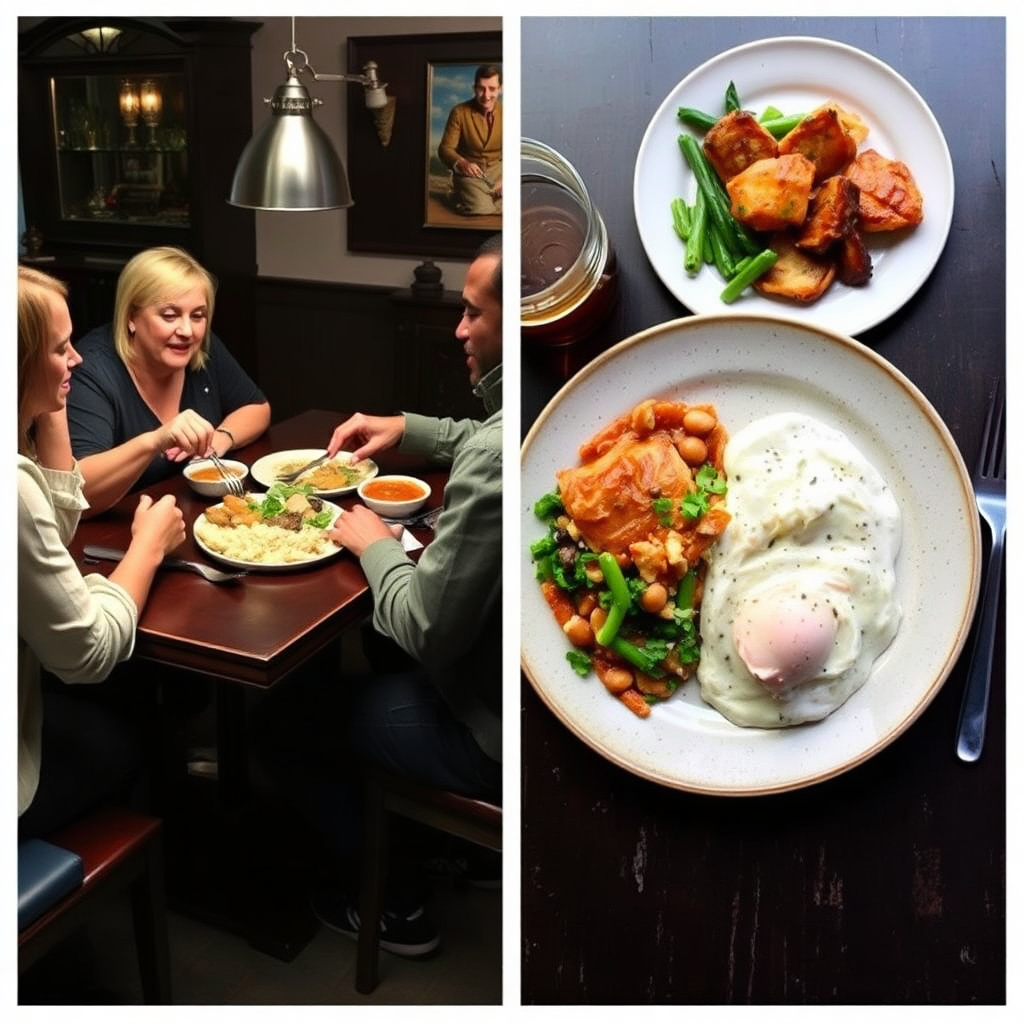
Family style dining involves seated guests sharing dishes passed around the table, whereas buffets have guests serve themselves from a stationary food display line. Family style tends to be more intimate and interactive.
Buffets offer more freedom of choice but less social interaction focused around passing food. Family style encourages communal connection with shared serving rituals.
For more on this, see our related guide: Teriyaki vs Hibachi: Key Differences and How to Choose Your Favorite Japanese Grill Style.
How Family Style Differs from Plated Service
Plated service provides each diner an individually portioned meal, controlling serving size and content. Family style allows guests to select and share portions, giving more personal choice within a shared setting.
Plated meals are usually more formal and time-efficient, while family style promotes pacing and shared experience over speed or precision.
Tips for Enjoying Family Style Dining Etiquette
Serving and Passing Etiquette
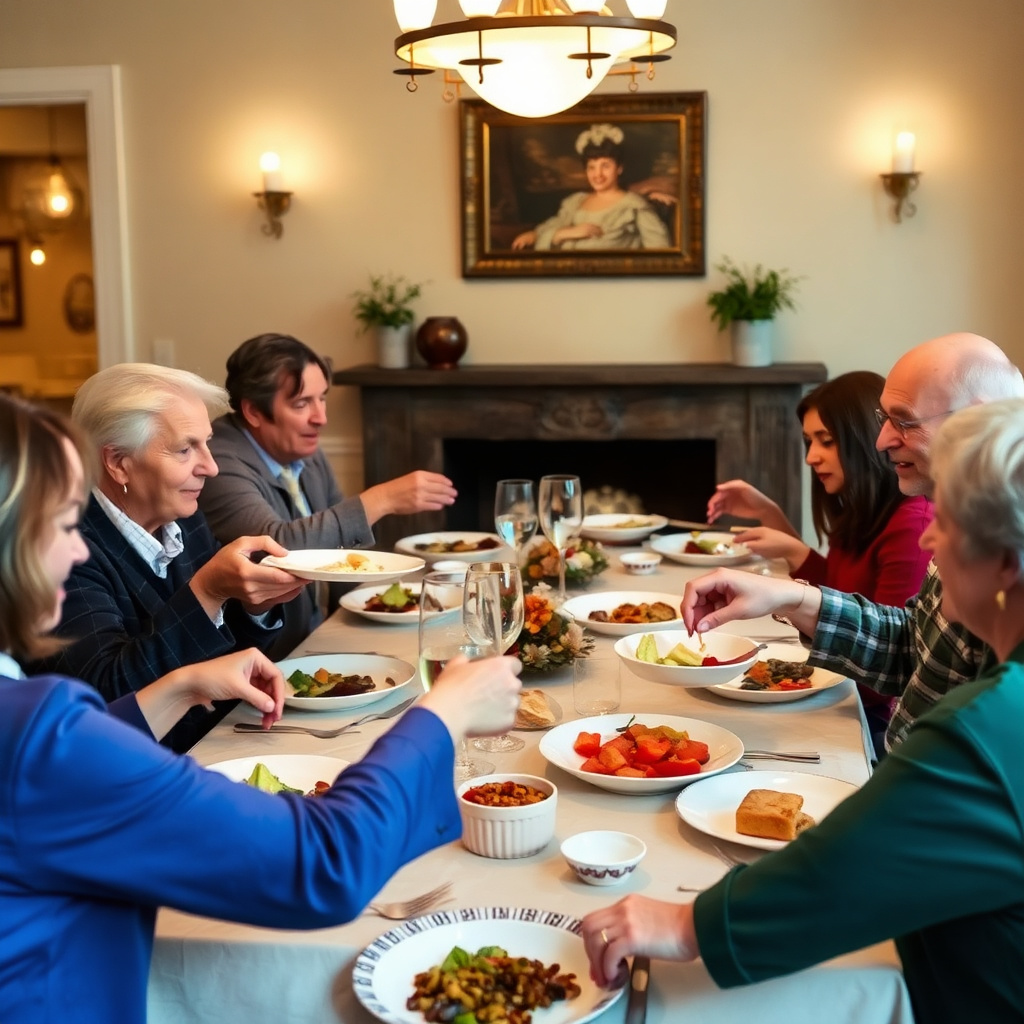
When engaging in family style dining, pass dishes politely to the right or left as agreed, and use serving utensils instead of personal cutlery to maintain hygiene.
Take reasonable portions but avoid taking too much to allow equal sharing. Respect others’ preferences and be mindful when passing dishes to those seated further away.
- Use serving utensils
- Pass dishes courteously
- Take moderate portions
- Be mindful of allergy concerns
For an authoritative overview and historical background, the Wikipedia article on family style dining offers detailed insights. family style dining.
Engaging with Fellow Diners
Encourage conversation around the meal to build community. Ask others their favorite dish or offer to pass plates to keep the meal flowing.
Be patient with the pace as everyone serves themselves and enjoy the social rhythm this style encourages.
Family Style Dining Category Comparison
Here’s a comparison of different family style dining setups and their key features to help you understand which fits your occasion best.
| Category | Typical Group Size | Portion Style | Suitable Occasion | Pace of Meal |
|---|---|---|---|---|
| Home Family Style | 4-12 | Self-served shared portions | Casual family meals and holidays | Relaxed |
| Restaurant Family Style | 4-10 | Large shared platters served by staff | Social dining and celebrations | Moderate |
| Buffet Service | Varies widely | Self-served individual portions | Large events or casual meetings | Fast |
| Plated Service | Varies | Individually plated meals | Formal dinners and fine dining | Steady and structured |
Frequently Asked Questions
Is family style dining suitable for formal events?
Family style dining can work at formal events when thoughtfully planned, but it tends to create a more casual, interactive atmosphere and may be less structured than plated service.
How do restaurants handle allergies in family style dining?
Restaurants usually inform guests about ingredients and may offer separate allergy-friendly dishes or make accommodations to avoid cross-contamination in family style settings.
What cuisines are most common for family style dining?
Italian, Chinese, Mediterranean, and Southern American cuisines frequently use family style dining as they feature shareable dishes suited to communal eating.
Does family style dining reduce food waste?
Because guests take portions they desire, family style dining can lower food waste compared to plated meals by allowing flexible amounts and encouraging sharing.
How do I encourage good etiquette at a family style meal?
Model polite passing, use serving utensils, take moderate portions, and communicate any dietary needs clearly to help everyone enjoy the shared experience smoothly.
Key Takeaways
- Family style dining involves sharing large dishes placed at the table center.
- It fosters social interaction and encourages tasting a variety of foods.
- This dining style works well for casual gatherings and certain restaurant settings.
- Managing dietary restrictions and hygiene requires thoughtful planning.
Conclusion
Family style dining offers a unique and engaging way to enjoy meals by emphasizing sharing, conversation, and relaxed pacing. When deciding if this approach suits your occasion, consider the social dynamics of your group and the type of food you want to serve. Balancing portion sizes and dietary needs ensures everyone enjoys the meal comfortably. By focusing on these factors, you can create a memorable shared eating experience that differs from typical plated or buffet services.
For casual family get-togethers or celebrations, home family style dining provides warmth and intimacy through shared dishes. Restaurants offering family style menus typically focus on cuisines like Italian or Mediterranean, optimizing large shareable servings for groups between four and ten people. If you prefer a more structured meal, plated service is more appropriate, but for fostering community and a relaxed mood, family style dining shines as a social meal option. Buffets offer another alternative, but lack the interactive passing element of family style meals.
If you're interested in trying family style dining, start by selecting dishes that complement each other and appeal to your guests’ tastes and dietary needs. Arrange serving utensils and plates to keep the meal flowing smoothly. Whether hosting at home or choosing a restaurant with family style service, embracing this shared meal approach can enrich your dining by turning it into a lively, convivial event. The next step is to plan your menu and enjoy the benefits of shared food around the table.