What is General Tso Sauce Made Of? A Complete Ingredient Breakdown
General Tso sauce is a distinctive sweet, spicy, and tangy sauce commonly used in Chinese-American cuisine, especially for the popular General Tso’s chicken dish. The sauce is primarily made with soy sauce, sugar, vinegar, garlic, ginger, and chili peppers, resulting in a bold and balanced flavor that complements fried chicken perfectly.
This sauce stands out because of the combination of sweetness from sugar or hoisin sauce, acidity from rice vinegar, and umami from soy sauce, all rounded out by aromatic garlic and ginger. The chili component adds a gentle heat without overwhelming the palate, creating a versatile and addictive glaze.
In this article, we’ll explore the specific ingredients that create authentic General Tso sauce, detail the roles each ingredient plays, discuss variations and homemade preparation tips, and compare it to similar sauces to give you a thorough understanding of this beloved condiment.
Core Ingredients of General Tso Sauce
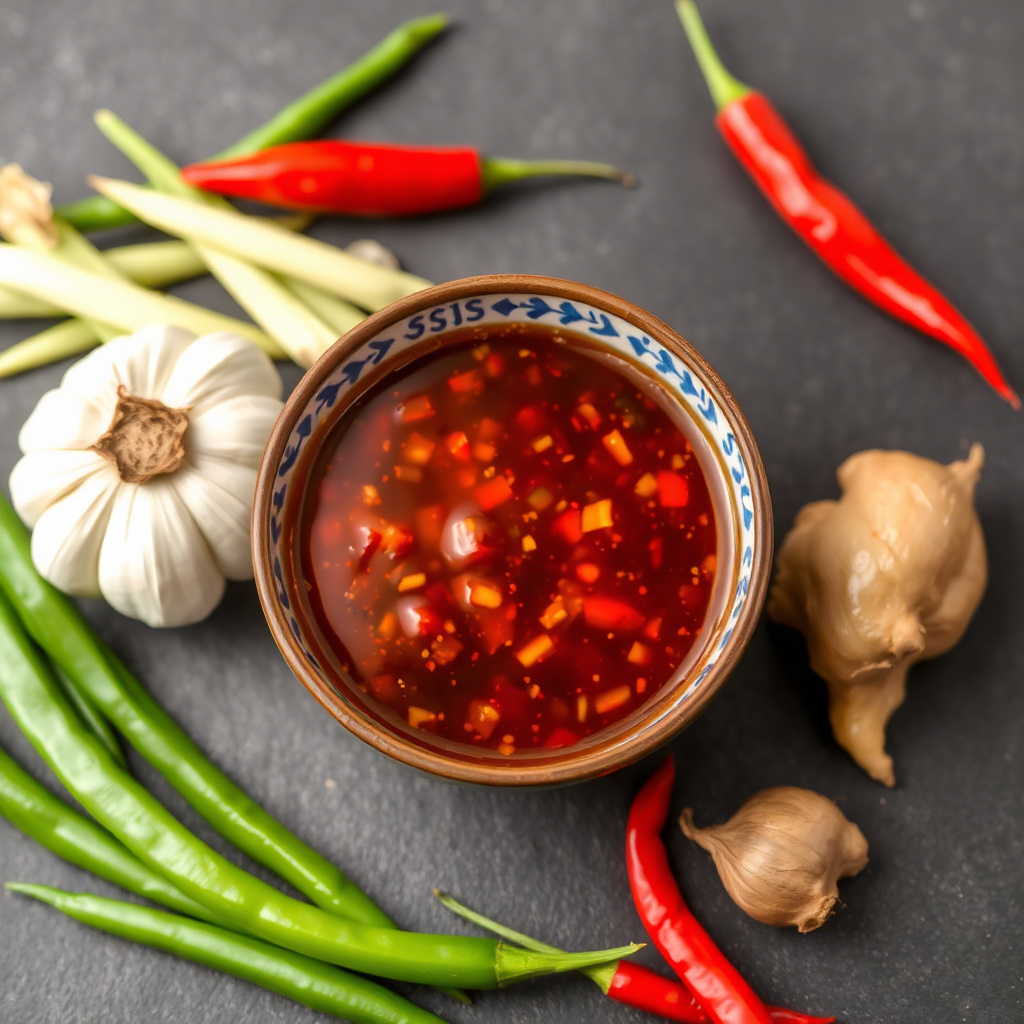
Soy Sauce and Its Role
Soy sauce is a foundational element in General Tso sauce, providing deep umami and saltiness that balance the sweetness. Typically, light soy sauce is preferred for its sharper, less sweet profile, which enhances the sauce's complexity.
It not only adds flavor but also acts as a coloring agent, giving the sauce its characteristic dark hue. Some recipes incorporate a small amount of dark soy sauce for richer color without overpowering the taste.
Sweeteners: Sugar, Hoisin, and Alternatives
Sugar is the traditional sweetener in General Tso sauce, creating a crisp caramelized glaze when cooked. Granulated white sugar is most common, but some variations use brown sugar or honey for a more nuanced sweetness.
Hoisin sauce, a thick, flavorful Chinese condiment made from soybeans and spices, is sometimes added to enrich the taste with additional sweetness and complexity. The choice of sweetener affects both the flavor depth and the sauce’s texture.
- Granulated white sugar
- Brown sugar
- Honey
- Hoisin sauce
Acidic and Aromatic Components

Vinegar: The Tangy Backbone
Rice vinegar is typically used in General Tso sauce to inject a mild, pleasant tanginess that cuts through the sweet and savory layers. Its gentle acidity balances the richness of fried foods, making it palatable.
Some recipes substitute with black vinegar or white vinegar; however, rice vinegar’s subtle flavor is preferred for authenticity. Using the right vinegar ensures the sauce isn’t overly sharp or sour.
For more on this, see our related guide: What Is General Tso Chicken? A Complete Guide to This Popular Chinese-American Dish.
Garlic and Ginger: Flavor Enhancers
Fresh garlic and ginger add zest and warmth, making the sauce fragrant and slightly spicy without overwhelming the heat from chili peppers. Minced garlic contributes pungency, while grated ginger offers a bright, peppery note.
These aromatics are typically sautéed briefly to mellow their raw edge and to release essential oils, which infuse the sauce with signature depth and complexity.
Spice and Thickening Agents

Chili Peppers and Heat
Dried red chili flakes or fresh chili peppers bring heat to General Tso sauce, complementing its sweetness and acidity. The amount can be adjusted to personal taste, but traditionally the spiciness is noticeable yet not overpowering.
This subtle heat enhances the sauce’s flavor profile and pairs well with the crispy fried chicken it’s commonly served with.
- Dried red chili flakes
- Fresh chili peppers
Cornstarch: Creating the Glossy Finish
Cornstarch slurry is added to General Tso sauce just before finishing to thicken and give it a shiny, appetizing glaze. It helps the sauce cling to the chicken pieces, providing a smooth coating.
Achieving the right consistency is important; too thick and the sauce can feel gummy, too thin and it won’t adhere well.
- Cornstarch mixed with cold water
Variations and Homemade Preparation of General Tso Sauce
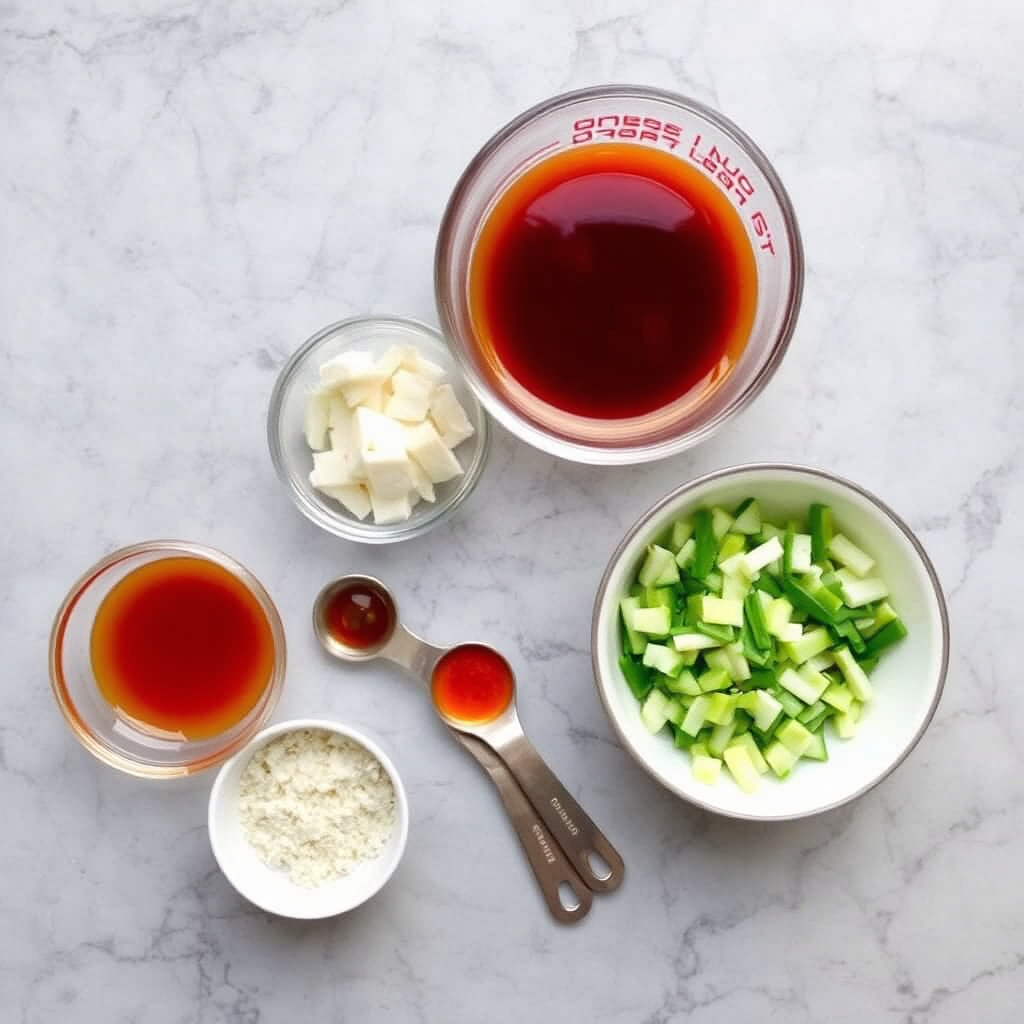
Common Variations in Recipes
Some cooks add ingredients like scallions, sesame oil, or ginger powder to create subtle twists on the traditional General Tso sauce. Oyster sauce is another addition in certain versions, introducing a deeper umami complexity.
Adjusting sweetness or heat levels also results in many personalized versions, with some preferring crispier and less saucy chicken or a thinner sauce to pour over steamed rice.
For more on this, see our related guide: What Is Szechuan Chicken? A Flavorful Dive into This Spicy Chinese Dish.
Tips for Making Authentic General Tso Sauce at Home
Using fresh, quality ingredients and balancing sweet, sour, salty, and spicy flavors is key to replicating authentic General Tso sauce. Cooking the sauce over medium heat and adding the cornstarch slurry at the end prevents clumping and achieves the perfect sheen.
Avoiding substitute shortcuts like pre-made sweet and sour sauce helps bring out the true flavor complexity. Ready-to-use homemade recipes often include a small amount of chicken broth or water to adjust thickness.
Understanding the Cultural and Culinary Context of General Tso Sauce

Origins and Popularity in Chinese-American Cuisine
General Tso sauce, though inspired by Hunanese flavors, was popularized in Chinese-American restaurants rather than traditional Chinese cuisine itself. Its sweet-spicy profile appeals to wide Western tastes, making it a takeout staple.
The sauce’s adaptability and deeply satisfying taste contributed to its rise as an iconic dish in the 20th century, often served over battered and fried chicken chunks.
For a historical overview and cultural background, the General Tso's chicken Wikipedia article offers detailed insights. General Tso's chicken Wikipedia article.
Serving Suggestions and Pairings
General Tso sauce is most commonly served with fried chicken, but it can enhance vegetables or tofu as a flavorful glaze. It pairs well with steamed white rice, which balances the sauce’s intensity and richness.
Some restaurants offer it with a side of broccoli or snow peas, lending freshness and crunch to the dish’s overall texture.
General Tso Sauce vs. Similar Asian Sauces
Comparing General Tso sauce with other popular Asian sauces helps highlight its unique flavor profile and typical uses in dishes.
| Sauce | Flavor Profile | Primary Ingredients | Common Uses |
|---|---|---|---|
| General Tso Sauce | Sweet, spicy, tangy, savory | Soy sauce, sugar, vinegar, garlic, ginger, chili | Fried chicken, vegetables, tofu |
| Sweet and Sour Sauce | Sweet, tangy, sour | Sugar, vinegar, ketchup or pineapple juice | Pork, chicken, seafood |
| Hoisin Sauce | Sweet, salty, slightly spicy | Soybeans, sugar, vinegar, spices | Marinades, dipping sauce, stir-fries |
| Teriyaki Sauce | Sweet, salty, umami | Soy sauce, mirin, sugar, ginger | Grilled meats, fish, stir-fries |
| Kung Pao Sauce | Spicy, savory, slightly sweet | Soy sauce, chili peppers, garlic, vinegar | Chicken, beef, stir-fries |
Frequently Asked Questions
Is General Tso sauce traditionally spicy?
Yes, General Tso sauce includes chili peppers or flakes that add moderate heat, but it is balanced by sweetness and tanginess, making the spice noticeable but not overwhelming.
Can General Tso sauce be made vegetarian?
Absolutely. Most of the sauce ingredients are plant-based; just avoid chicken broth or substitute it with vegetable broth and use tofu or vegetables instead of meat.
What can I substitute for rice vinegar in General Tso sauce?
If rice vinegar isn't available, you can use white vinegar or apple cider vinegar, but these alternatives have a stronger acidity and may change the sauce’s subtle flavor.
How long does homemade General Tso sauce last?
Stored in an airtight container in the refrigerator, homemade General Tso sauce typically stays good for up to one week.
Is General Tso sauce gluten-free?
Traditional soy sauce contains gluten, but you can make gluten-free General Tso sauce by using tamari or a gluten-free soy sauce alternative.
Key Takeaways
- General Tso sauce combines soy sauce, sugar, vinegar, garlic, ginger, and chili for a balanced sweet, sour, and spicy flavor.
- Cornstarch is essential to thicken and give the sauce a glossy finish that clings well to fried chicken.
- Rice vinegar provides mild acidity that complements the sauce’s sweetness and heat.
- Homemade variations allow tweaking sweetness and spice to personal preference.
Conclusion
Understanding what General Tso sauce is made of reveals the balance of contrasting flavors that create its signature appeal: the rich umami from soy sauce, sweetness from sugar or hoisin, gentle acid from vinegar, aromatic garlic and ginger, and subtle heat from chili peppers. These elements combined with cornstarch for a clear, glossy glaze define the sauce’s texture and taste. When making or purchasing this sauce, considering each ingredient’s quality and proportion is key to experiencing authentic flavors rather than a one-dimensional taste.
For those looking to recreate General Tso sauce at home, starting with the classic combination of soy sauce, sugar, rice vinegar, garlic, ginger, and red chili flakes provides a dependable base. Adjusting the amount and type of sugar or adding hoisin can enhance complexity, while using fresh aromatics makes a noticeable difference. Those seeking milder heat can reduce chili, while those favoring more punch might add fresh peppers. Incorporating cornstarch at the end ensures that the sauce coats your crispy chicken evenly, preserving texture and flavor.
If you want to explore General Tso sauce further, try making it from scratch with fresh ingredients to appreciate how each component contributes to the final flavor. Alternatively, experiment with similar sauces like sweet and sour or hoisin to understand how different sweet and savory balances work across Asian cuisines. Whatever your choice, enriching meals with a homemade or carefully selected General Tso sauce adds an iconic, satisfying touch to casual or dinner table fare.


One Comment